
Dec . 30, 2025 15:37
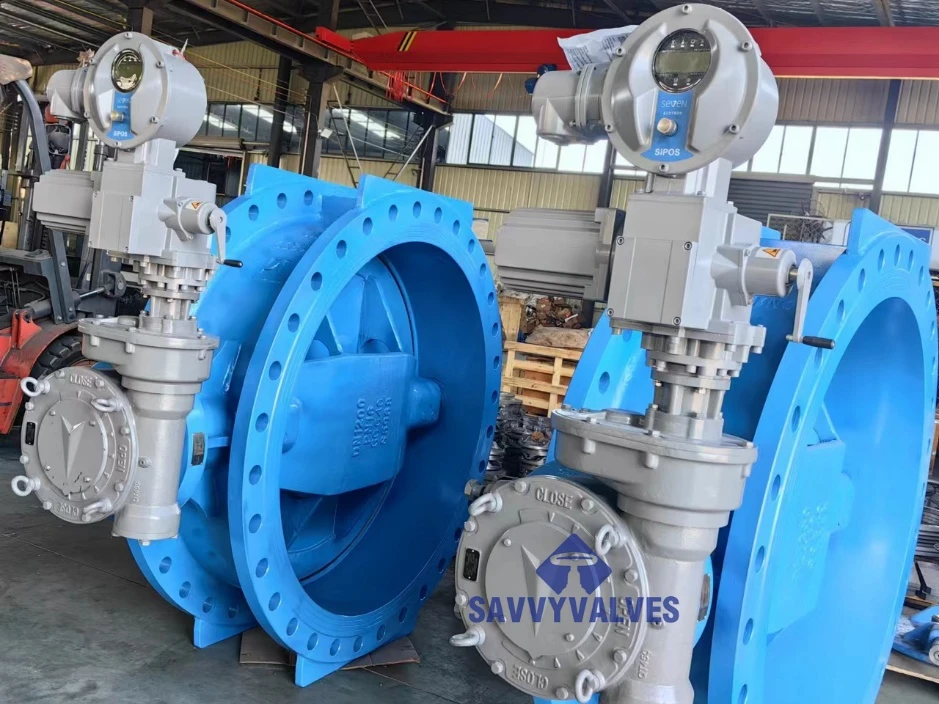
At its heart, a butterfly valve describes the fundamental operating mechanism of all butterfly valves. The "flap" refers to the circular disc (or "butterfly") that is mounted on a rotating shaft in the center of the pipe bore. When the valve is open, the disc rotates a quarter-turn (90 degrees) to align parallel with the flow, offering minimal resistance. When closed, it rotates another quarter-turn to sit perpendicular to the flow, blocking it completely. This simple butterfly valve design is what gives butterfly valves their key advantages: they are compact (taking up less space than gate or globe valves), lightweight, quick to operate, and relatively inexpensive. The term butterfly flap valve is often used interchangeably with "butterfly valve," especially in general contexts or when referring to basic on/off or throttling service in water, air, or other neutral media. Its simplicity is its strength, making it a go-to choice for a vast range of applications where space and cost are considerations.
For Secure Shut-Off: The Role of a Butterfly Isolation Valve
An butterfly isolation valve is specifically designed and selected for the critical function of completely isolating a section of piping for maintenance, safety, or process control. While many butterfly valves can be used for isolation, a true butterfly isolation valve is built to achieve a bubble-tight shut-off, preventing any leakage when closed. This is typically achieved with a resilient elastomer seat (like EPDM or Nitrile) that the disc compresses against, creating an effective seal. Butterfly isolation valves are commonly used in water distribution, HVAC systems, and industrial processes where sections of the system need to be periodically taken offline. Their quarter-turn operation allows for fast and easy isolation compared to multi-turn valves like gates. When selecting a butterfly isolation valve, key considerations include the pressure rating, seat material compatibility with the fluid, and the quality of the sealing mechanism to ensure zero leakage over its service life. It is a workhorse for safe and efficient system management.
Preventing Backflow: The Function of a Butterfly Non Return Valve
A butterfly non return valve, also known as a butterfly check valve, is a specialized variant designed to allow flow in only one direction and automatically prevent reverse flow (backflow). This is crucial for protecting pumps, compressors, and other equipment from damage caused by backflow. The most common design is the dual-plate wafer check valve, which uses two semi-circular plates (like butterfly wings) hinged on a central shaft. Under forward flow pressure, the plates swing open; when flow stops or reverses, they quickly swing shut. The butterfly non return valve offers the same space-saving, lightweight advantages as a standard butterfly valve but with an automatic function. They are ideal for installations where space is limited and where the rapid closure of a swing check valve might cause water hammer. Choosing a butterfly non return valve requires understanding the flow velocity and pressure to ensure the discs open fully and close reliably without slamming.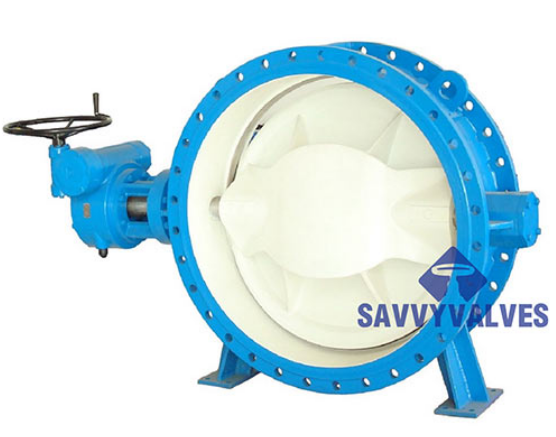
Simple Start and Stop: Using a Butterfly On Off Valve
The butterfly on off valve is perhaps the most common application. It is used for the basic, binary function of either fully allowing or fully stopping flow. This is the valve you would use to start or stop water to a tank, to shut down a process line, or to control flow to a specific area. A butterfly on off valve is typically operated manually with a lever handle (for smaller sizes) or a gearbox (for larger sizes), or it can be automated with an electric or pneumatic actuator for remote control. Its popularity for on/off service stems from its quick quarter-turn operation, compact design that fits between flanges (wafer or lug style), and lower cost compared to equivalent-sized gate or ball valves. For applications that don't require precise throttling but do require reliable shut-off, the butterfly on off valve is an efficient and economical choice found in countless water, chemical, and HVAC systems.
For Pump Protection and Control: The Purpose of Butterfly Pump Valves
Butterfly pump valves is a term that can refer to valves used in conjunction with pumps for specific functions. Most commonly, it includes two key types: Butterfly Isolation Valves installed on the suction and discharge sides of a pump to allow it to be isolated for service, and Butterfly Non Return Valves (check valves) installed on the pump discharge to prevent backflow through the pump when it is off. Using butterfly pump valves for these purposes is advantageous because their compact design saves space in often-crowded pump rooms, and their relatively low torque requirement makes them easy to operate or automate. The selection of butterfly pump valves is critical: the suction-side valve must allow for full flow to prevent pump cavitation, and the discharge check valve must have a fast, positive closure to protect the pump. Their durability and reliability make them a standard component in pump piping systems across water treatment, industrial plants, and building services.
Selecting the right butterfly valve configuration is key to system performance and safety. We are a leading manufacturer and supplier of high-performance industrial valves, offering a complete range of butterfly valve solutions. We provide industry-standard butterfly flap valves for general service, robust butterfly isolation valves with bubble-tight sealing, efficient butterfly non return valves for backflow prevention, reliable butterfly on off valves for manual or automated control, and engineered butterfly pump valves for pump protection suites. Our valves are designed for water distribution, wastewater treatment, fire protection, HVAC, and industrial processes. Built with precision-machined discs, corrosion-resistant shafts, and durable elastomer or metal seats, they ensure long service life, minimal maintenance, and energy-efficient operation. With rigorous quality control and testing, we guarantee that each valve meets or exceeds industry standards for performance and safety.
Ready to specify the ideal valve for your piping system? Don't compromise on performance, safety, or value. Whether you need a simple butterfly on off valve, a critical butterfly isolation valve, a protective butterfly non return valve, or a complete set of butterfly pump valves, we have the expertise and product range to meet your needs.
Visit our website to browse our comprehensive butterfly valve catalog, download detailed specifications and CAD drawings, and access sizing and selection guides. Contact our engineering support team for a free consultation. Provide your application details—media, pressure, temperature, and function—and we'll recommend the optimal butterfly flap valve or specialized variant for your project. Request a quote or order samples to evaluate our quality firsthand.
Choose reliability. Choose efficiency. Choose the right butterfly valve for the job. Click to connect with us and streamline your fluid control system.
Butterfly Valve FAQs
What is the main advantage of a butterfly flap valve design?
The main advantage of the butterfly flap valve (standard butterfly valve) design is its combination of compact size, lightweight construction, quick quarter-turn operation, and lower cost compared to other valve types of similar diameter. This makes it ideal for applications where space is limited and for handling large volumes of fluid at moderate pressures with a simple on/off or throttling function.
When should I choose a butterfly isolation valve over a gate valve?
Choose a butterfly isolation valve when you need a lighter, more compact valve that operates faster (quarter-turn vs. multi-turn). They are excellent for space-constrained installations and for manual or automated operation where speed is beneficial. Choose a gate valve for applications requiring a straight-through flow path with minimal pressure drop when fully open, or for services where a metal-to-metal seal is preferred over a resilient seat. For many water and HVAC applications, the butterfly isolation valve is the more practical and economical choice.
How does a butterfly non return valve work?
A butterfly non return valve (wafer check valve) typically has two spring-assisted, hinged discs that form a "butterfly" shape. Under forward flow pressure, the discs open and fold back against the valve body. When forward flow slows or stops, the springs and/or reverse flow pressure quickly push the discs closed, forming a seal to prevent backflow. This design provides quick, automatic closure in a compact package.
Can a butterfly on off valve be used for flow regulation (throttling)?
While basic butterfly on off valves can be used for rough throttling, they are not ideal for precise flow control, especially across the entire 0-90 degree rotation. The relationship between disc position and flow rate is not linear, and placing the disc partially open in a high-velocity flow can cause cavitation, erosion, and vibration. For precise regulation, a specially designed control butterfly valve with characterized disc and seat is recommended.
What makes a good butterfly pump valve for discharge service?
A good butterfly pump valve for discharge service, when used as a check valve, should have a fast, smooth closing action to prevent water hammer and protect the pump from reverse rotation. It should offer low flow resistance when open to minimize pump head loss. As an isolation valve, it should provide a bubble-tight shut-off and be rated for the pump's maximum discharge pressure. Durability and reliable operation are paramount for pump protection.



 English
  Arabic
  Azerbaijani
  Czech
Czech  Dutch
Dutch  French
  German
  Indonesian
  Italian
  Japanese
  Korean
  Malay
Malay  Persian
  Polish
  Portuguese
  Russian
  Spanish
  Thai
Thai  Vietnamese