
Filter Strainer
-
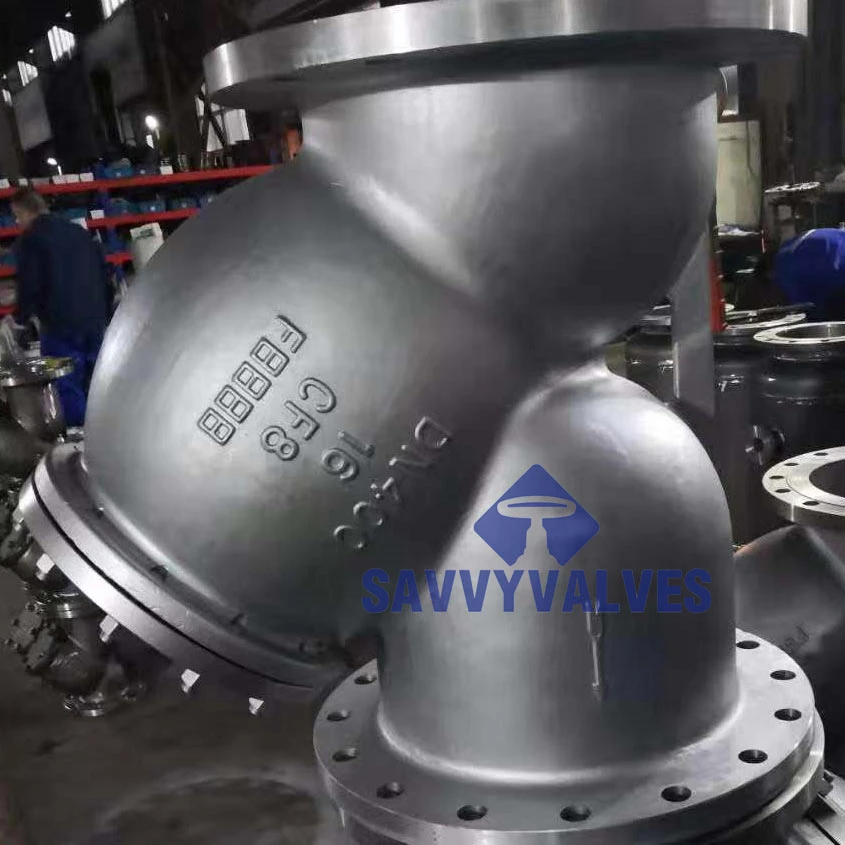 Brief
Brief
Size: 2“~24”
Rating: PN10,PN16,150LB
Mainly materials:
Body: stainless steel
Net: stainless steel
End: flange
Structure: Y pattern
Surface: epoxy paint
Suitable temperature: -29℃~400℃
-
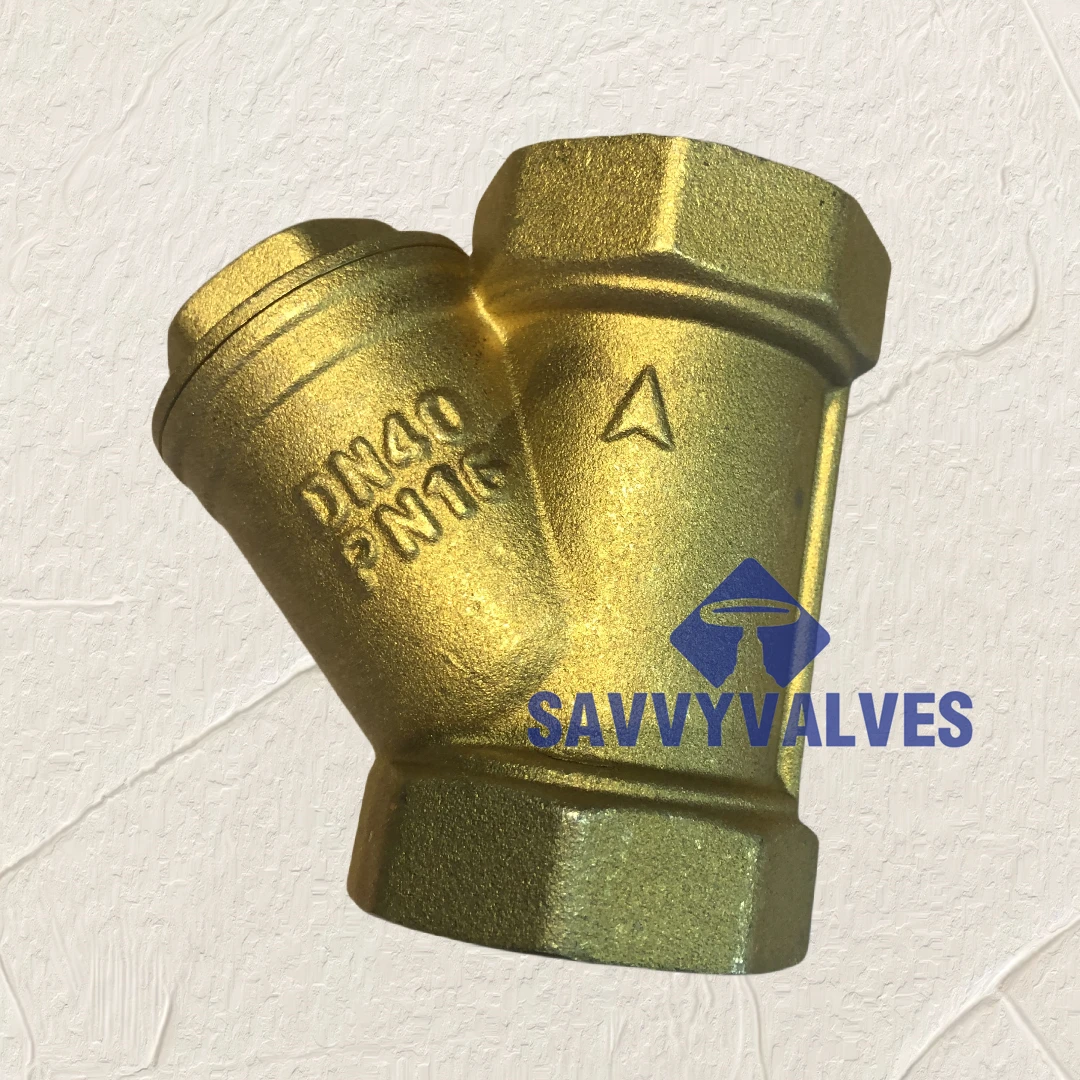 PHOTO SHOWS SPECIFICATIONS AS BELOW
SIZE:DN25
RATING:PN16
BODY AND BONNET : BRASS
NET: SS304
A filter strainer is a device used in pipelines to remove unwanted solids, debris, or particles from liquids or gases. It acts as a mechanical filter, capturing particles through a perforated or mesh screen while allowing the clean medium to pass through. Filter strainers are critical for protecting pumps, valves, heat exchangers, and other downstream equipment from damage or clogging. There are several types of strainers, including Y-strainers, T-strainers, and basket strainers. Y-strainers are compact and typically used in low debris applications, while basket strainers have a larger filtering area and are suitable for high-flow systems. Strainers can be made from various materials, such as stainless steel, carbon steel, bronze, or PVC, depending on the application and media. Regular cleaning or replacement of the strainer element is required to maintain efficiency. By removing impurities, filter strainers ensure the longevity of equipment, reduce maintenance costs, and improve overall system performance. They are commonly used in water treatment, chemical processing, oil and gas, food and beverage, and HVAC systems where fluid purity and flow reliability are essential.


