
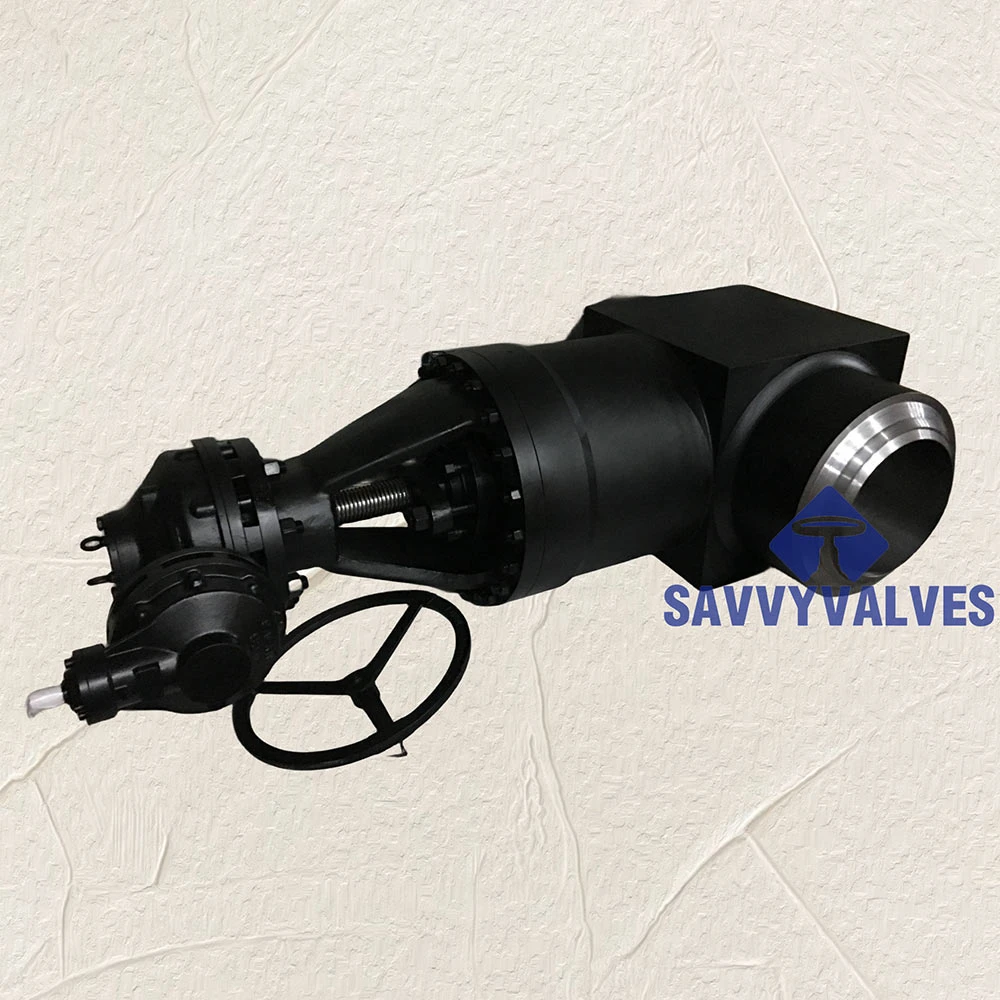
Control valves for cryogenic service are essential in industries where fluids are stored or transported at extremely low temperatures. These valves are specifically engineered to handle cryogenic liquids such as liquid nitrogen, oxygen, and LNG (liquefied natural gas). The unique design often features extended bonnets and low-temperature resistant materials that allow the valves to maintain tight seals and operational reliability even at temperatures below -150°C. In industrial plants, aerospace applications, and medical gas storage facilities, control valves for cryogenic service ensure precise flow control, reducing risks associated with leaks or system failures. Using high-quality control valves not only protects equipment but also guarantees safety for personnel handling these ultra-cold fluids.
Cryogenic Ball Valves Provide Reliable Shutoff In Low-Temperature Systems
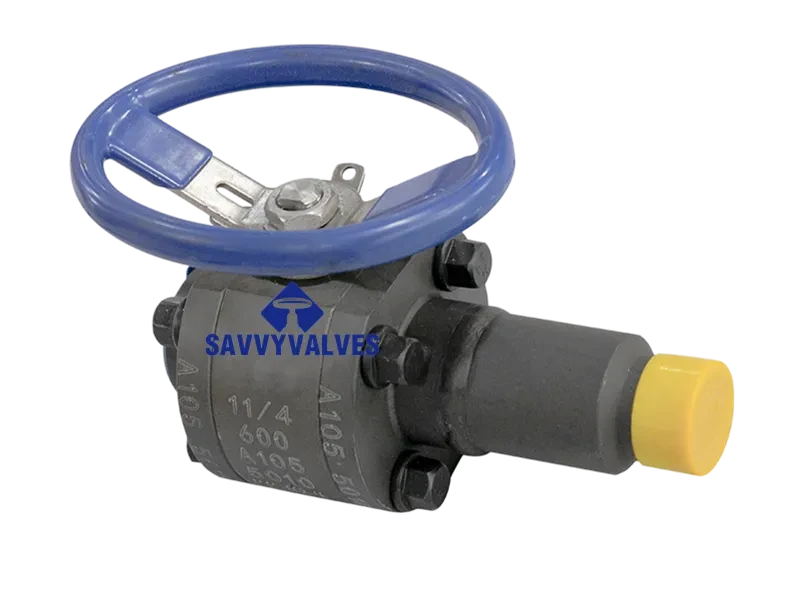
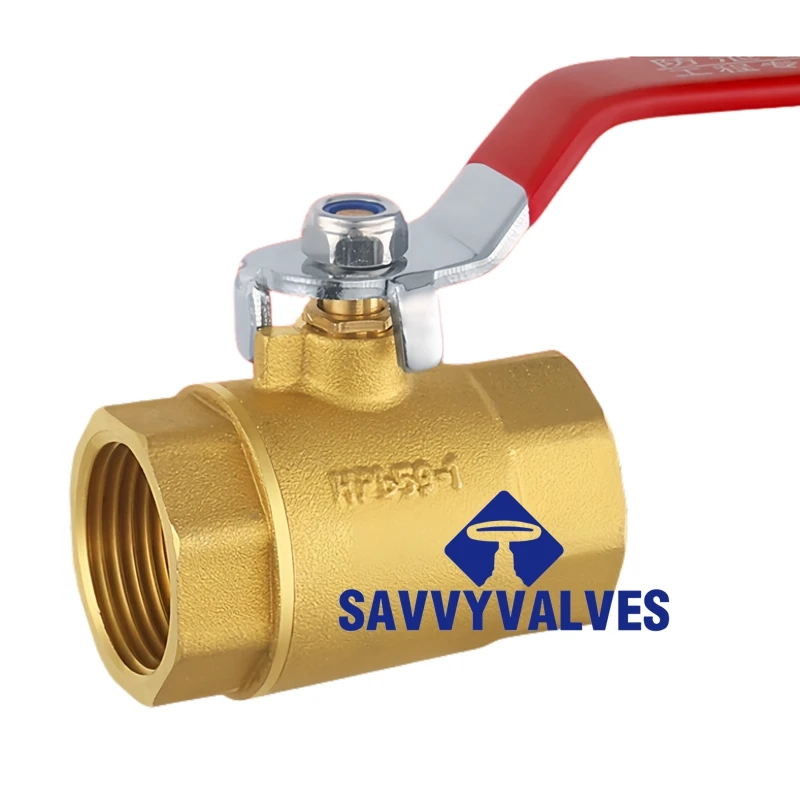
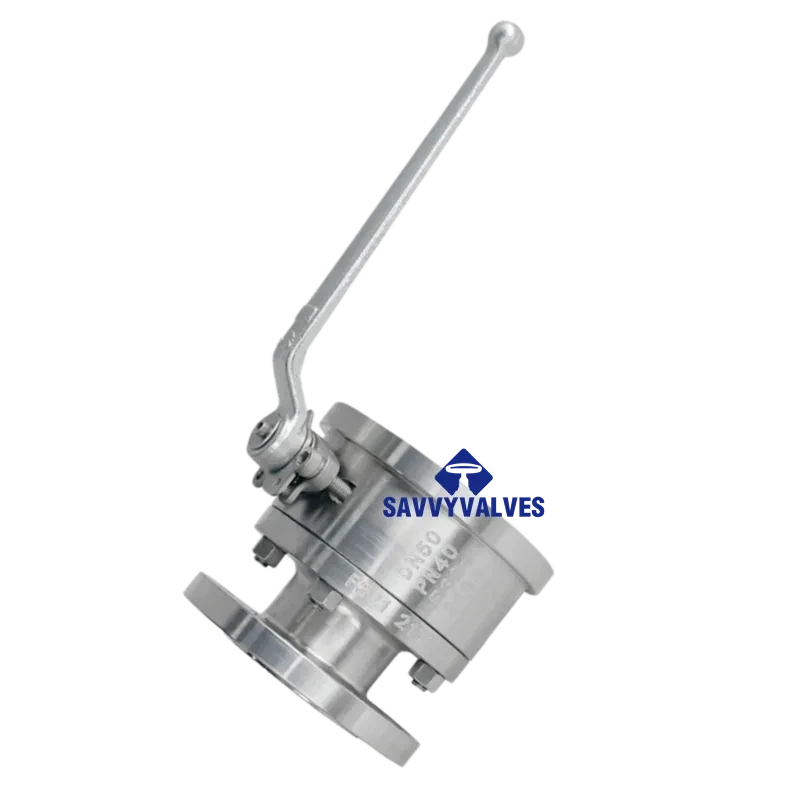
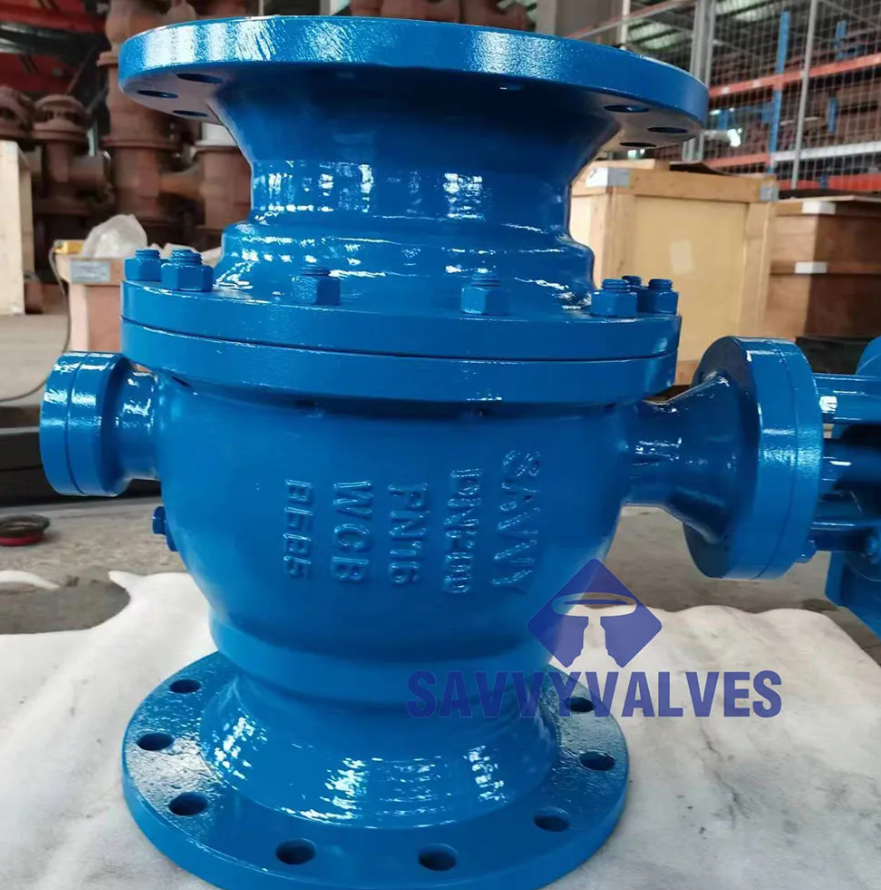
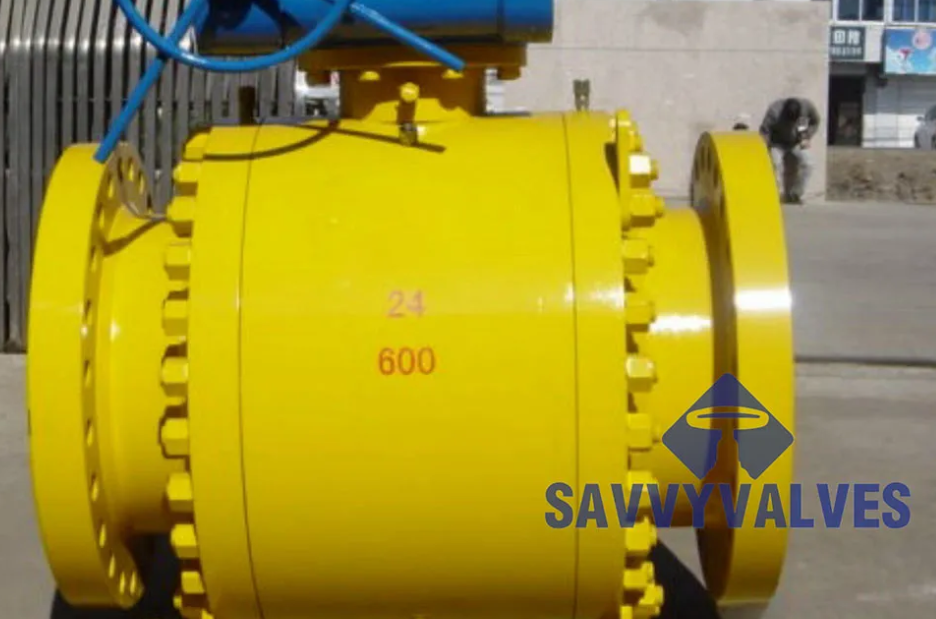
Cryogenic ball valves are widely used for their ability to provide a secure and fast shutoff in ultra-low temperature environments. The spherical mechanism inside the valve allows minimal pressure drop while ensuring a reliable seal. These valves are ideal for applications such as LNG pipelines, liquid oxygen transport, and liquid nitrogen storage. Cryogenic ball valves are constructed from stainless steel or other alloys compatible with cryogenic temperatures, which prevents material contraction or leakage. The robust design allows for easy operation and maintenance, making them a practical choice for facilities that require both safety and efficiency. By choosing certified cryogenic ball valves, companies ensure that their systems operate smoothly and reliably over time, even under extreme conditions.
Benefits Of Using Cryogenic Butterfly Valve In Industrial Applications
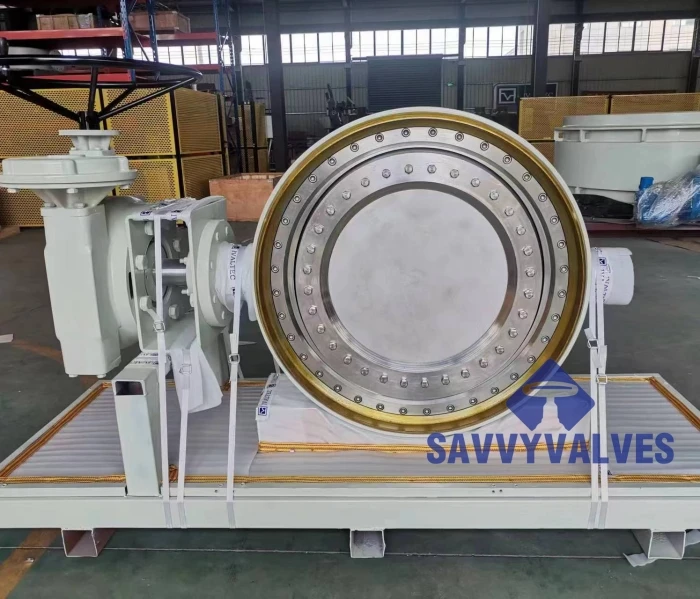
Cryogenic butterfly valve offers a practical and cost-effective method to regulate flow in pipelines carrying cryogenic fluids. The disc mechanism allows for smooth operation, fast closure, and minimal thermal loss. Designed for pipelines of varying sizes, the cryogenic butterfly valve can handle large volumes of ultra-cold liquid without compromising system integrity. These valves are made of specialized materials that resist thermal contraction and prevent leakage, ensuring consistent performance in critical applications such as aerospace facilities, LNG storage, and medical gas distribution. Using a high-quality cryogenic butterfly valve improves operational efficiency and reduces long-term maintenance costs, making it a valuable component in any cryogenic system.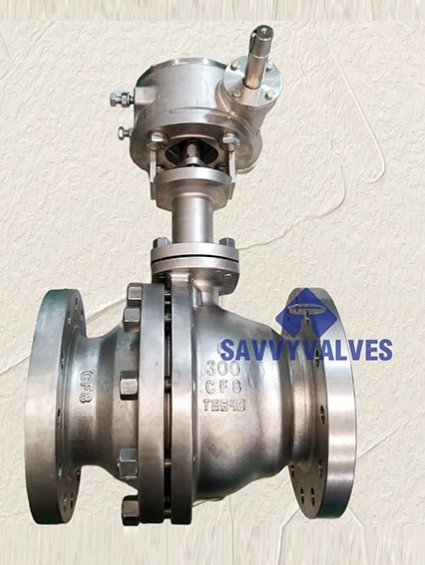
How Cryogenic Check Valve Prevents Backflow In Ultra-Cold Systems
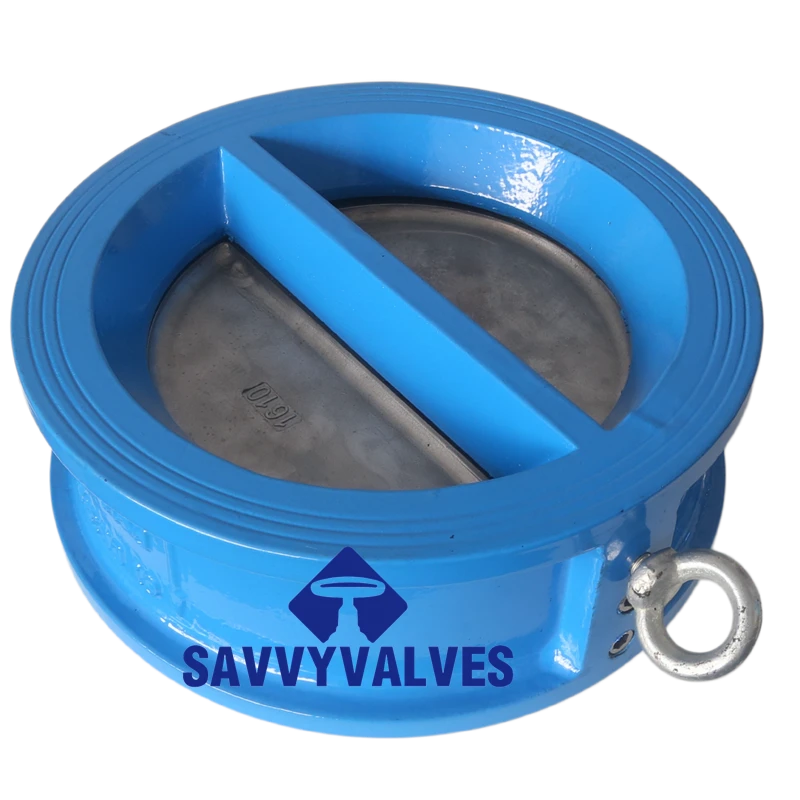
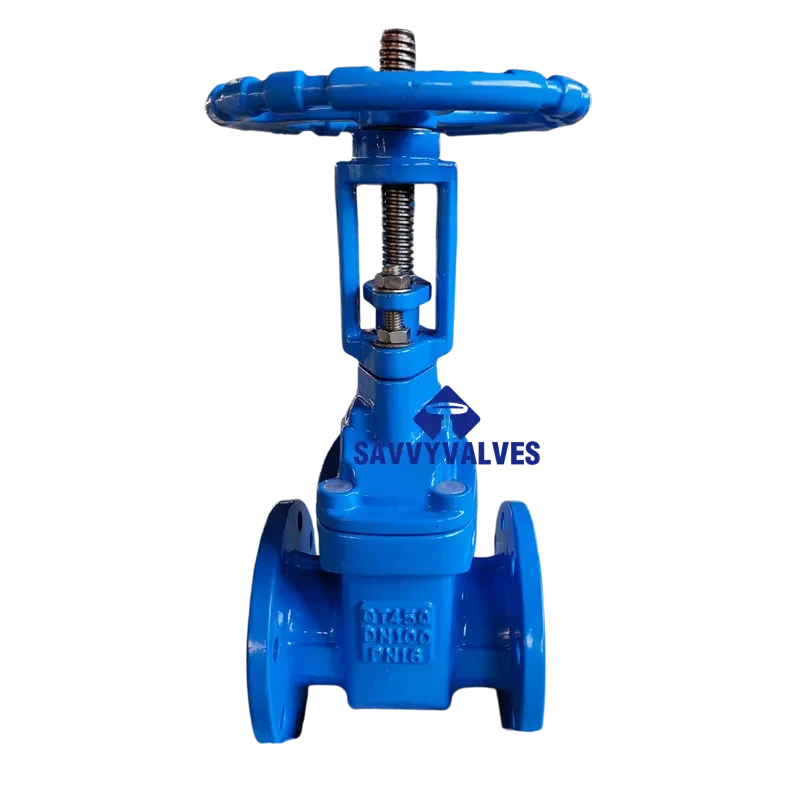
Cryogenic check valve plays a vital role in protecting cryogenic systems from backflow, which can cause operational hazards. Its one-way mechanism ensures that ultra-cold liquids, such as liquid nitrogen and oxygen, flow safely in the intended direction. By incorporating low-temperature resistant materials and precision seals, cryogenic check valve maintains performance even at temperatures below -150°C. These valves are widely applied in LNG plants, aerospace systems, and medical gas facilities to prevent reverse flow that could damage equipment or create safety risks. Choosing the correct cryogenic check valve enhances system reliability, reduces maintenance frequency, and provides peace of mind for operators managing cryogenic fluids.
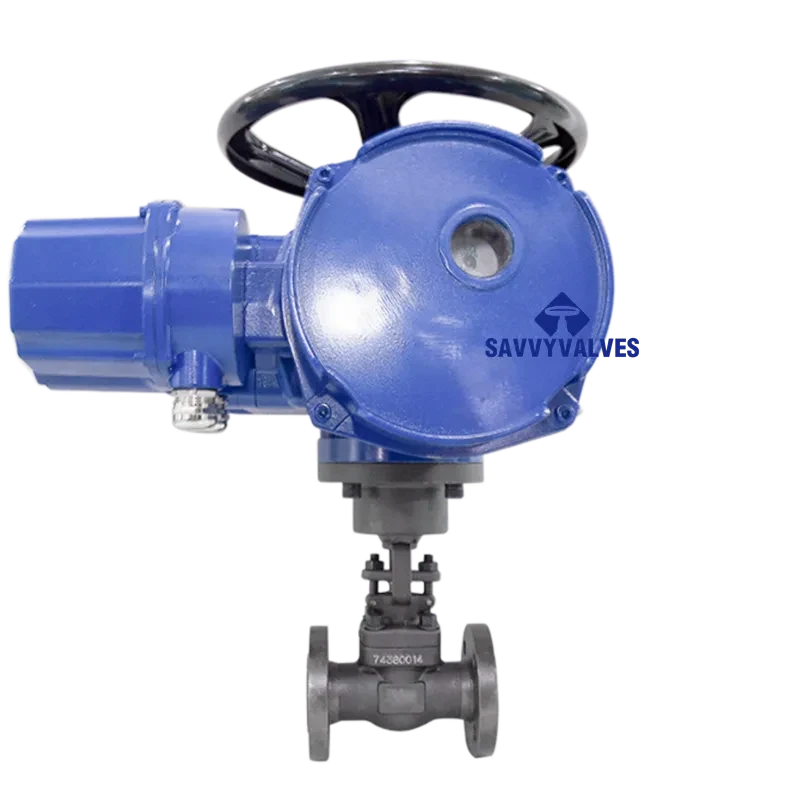
Cryogenic control valve is a central component for safe and efficient flow control in ultra-cold applications. These valves are engineered with extended bonnets and specialized materials to handle cryogenic fluids like liquid nitrogen, oxygen, and LNG. By ensuring tight seals and precise flow regulation, the cryogenic control valve prevents leakage and maintains system performance even below -150°C. Industries such as LNG plants, aerospace, and medical gas storage rely on these valves to manage cryogenic fluids safely and efficiently. They are designed to operate in challenging conditions, providing long-term durability and reliability. High-quality cryogenic control valves are essential for operational safety, regulatory compliance, and efficient system performance.
FAQs About Cryogenic Control Valve
What are cryogenic control valves used for?
Cryogenic control valves regulate the flow of ultra-cold liquids in industrial, medical, and aerospace systems. They are critical for safe and precise handling of substances like LNG, oxygen, and liquid nitrogen.
How do cryogenic valves handle extreme temperatures?
Cryogenic valves use extended bonnets, low-temperature seals, and specialized alloys to prevent leakage and maintain performance at temperatures below -150°C.
Can cryogenic ball valves and butterfly valves be interchanged?
Both control flow, but cryogenic ball valves offer tight shutoff for smaller pipelines, while cryogenic butterfly valves are efficient for regulating large volumes in bigger pipelines.
How should cryogenic check valves be maintained?
Regular inspection of seals and cleaning of internal components ensures proper functioning, prevents backflow, and extends valve life.
Where can I buy reliable cryogenic control valves?
High-quality cryogenic valves are available from specialized industrial suppliers. You can visit company websites to request quotes, explore product catalogs, and place orders directly for certified valves.
Investing in professional-grade cryogenic control valves, cryogenic ball valves, cryogenic butterfly valves, and cryogenic check valves is essential for safe, efficient, and reliable ultra-cold fluid management. These valves are designed to meet the rigorous demands of LNG plants, aerospace facilities, and medical gas storage, providing long-term operational stability and safety. Visit our company website today to explore the complete range, request a quote, or purchase directly, ensuring your system is equipped with the best cryogenic flow control solutions available.



 English
  Arabic
  Azerbaijani
  Czech
Czech  Dutch
Dutch  French
  German
  Indonesian
  Italian
  Japanese
  Korean
  Malay
Malay  Persian
  Polish
  Portuguese
  Russian
  Spanish
  Thai
Thai  Vietnamese