
Dec . 30, 2025 15:41
The Standard Connection: Understanding the Ball Valve with Flange Connection
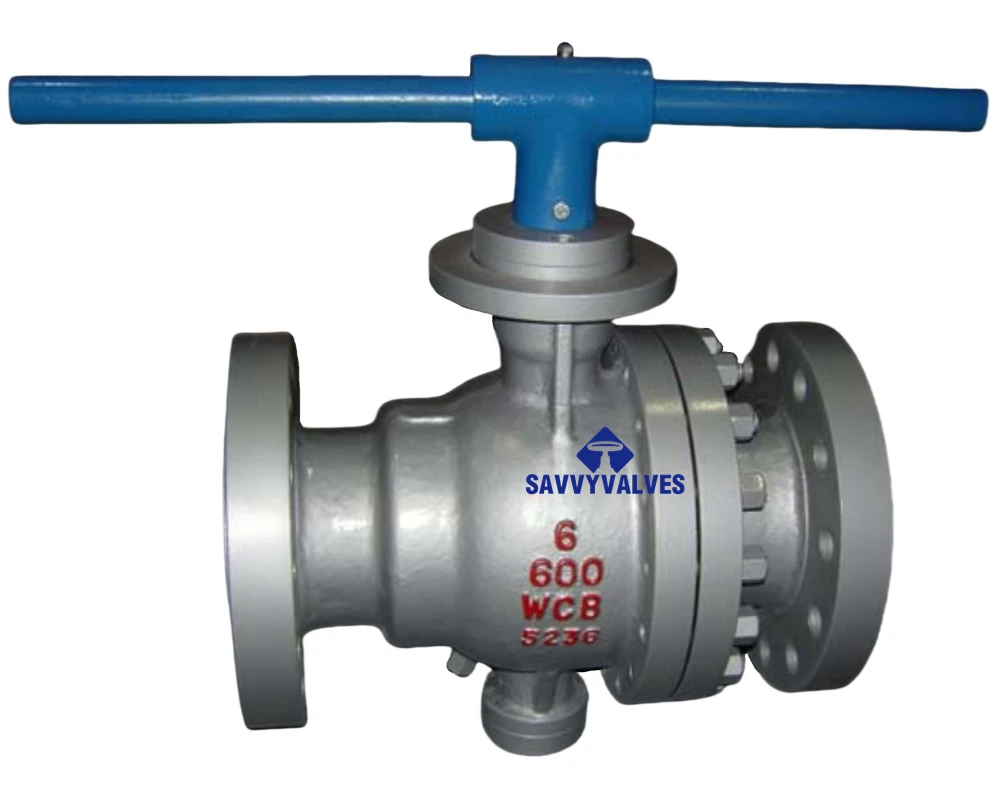
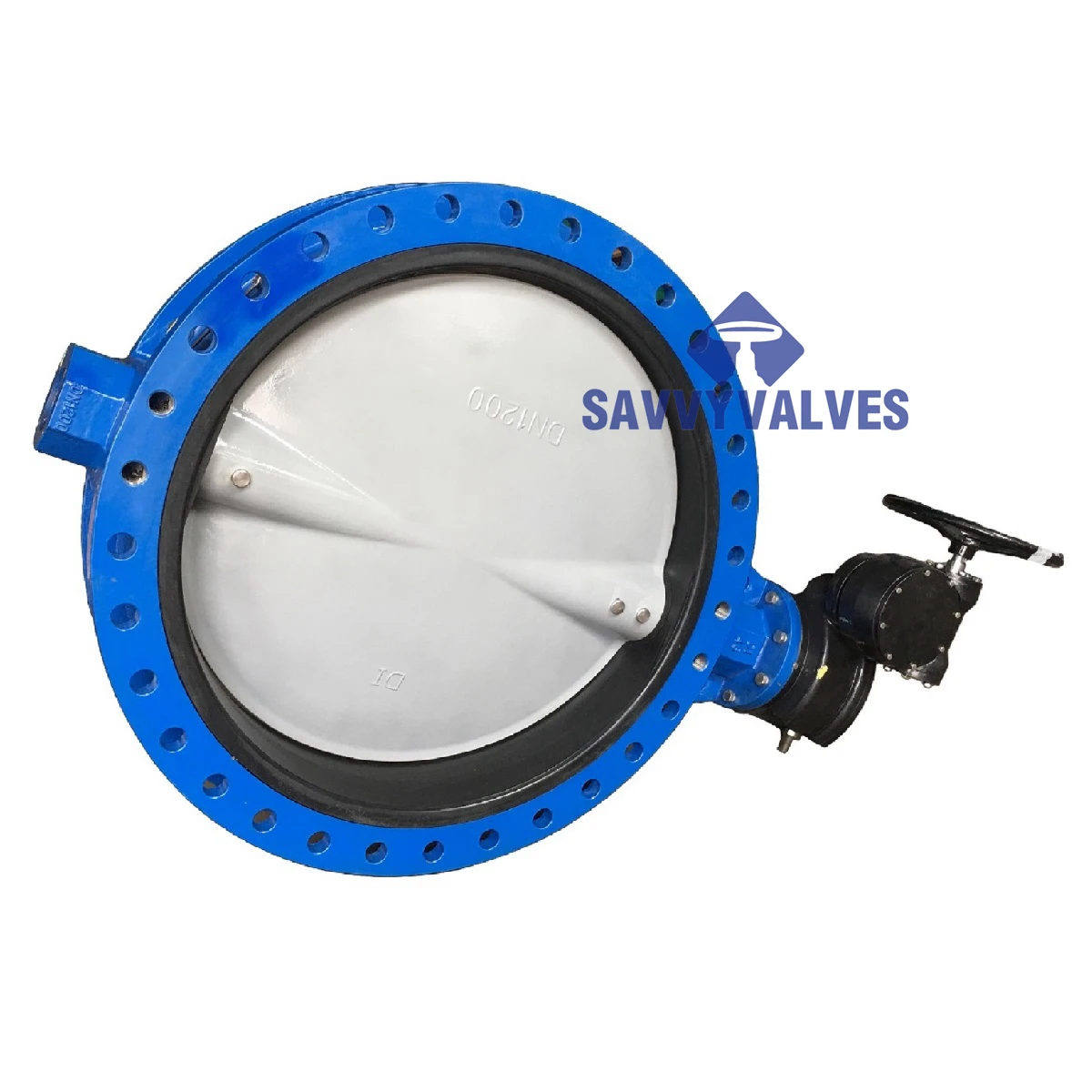
The ball valve with flange connection is the most common and robust design for industrial pipe sizes. Instead of threaded or socket-weld ends, this valve has flanges machined on its body that bolt directly to matching pipe flanges with a gasket in between. The primary advantage of a ball valve with flange connection is its strength and ease of installation/maintenance. It can handle higher pressures and is easier to align and bolt into place compared to welding. When maintenance is required, simply unbolting the flange connections allows for valve removal without cutting the pipe. This makes the ball valve with flange connection the preferred choice for larger pipe diameters (typically 2 inches and above) and for critical services in oil & gas, water supply, and chemical plants where system downtime for repairs must be minimized. The flanged design also helps distribute mechanical stress from the pipeline evenly, enhancing the valve's longevity.
For Strength and Durability: The Carbon Steel Flanged Ball Valve
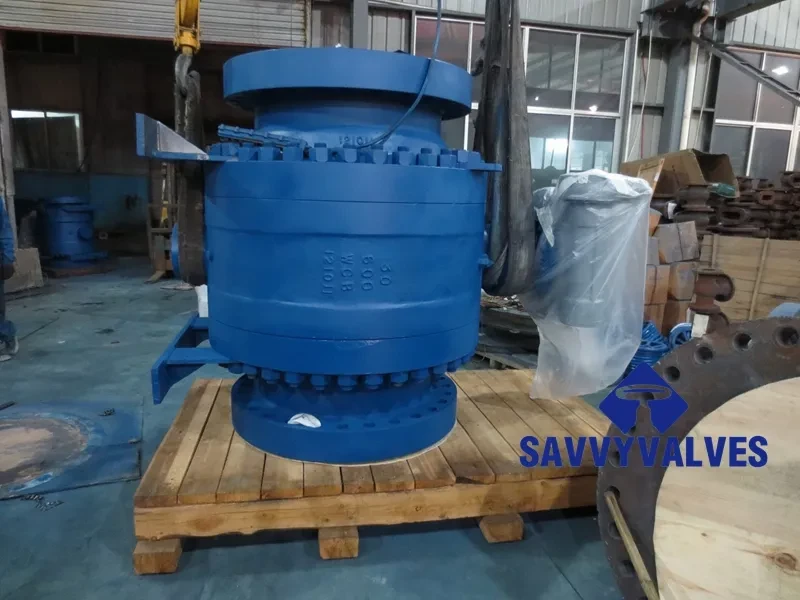
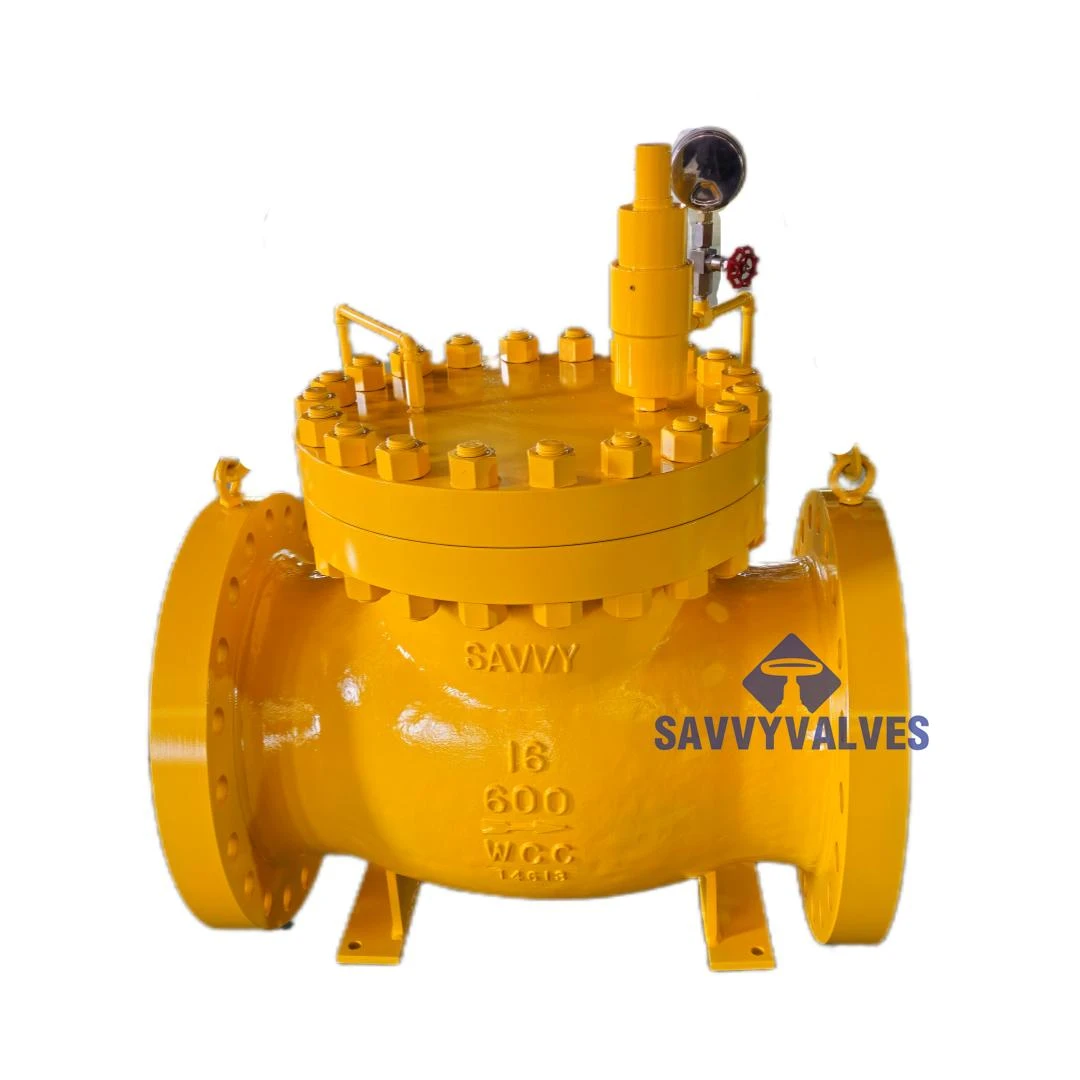
When the application demands high strength and resistance to pressure and temperature, a carbon steel flanged ball valve is often the material of choice. Carbon steel, such as ASTM A216 WCB, offers excellent mechanical properties, making it suitable for a wide range of services including water, oil, gas, steam, and many non-corrosive chemicals. The carbon steel flanged ball valve is prized for its robustness in demanding industrial environments like refineries, power plants, and offshore platforms. It can withstand higher pressures (commonly Class 150, 300, or 600) and elevated temperatures compared to iron valves. The flanged ends are typically drilled to standard ASME B16.5 patterns, ensuring compatibility with carbon steel piping. For added corrosion resistance in challenging environments, carbon steel flanged ball valves are often coated with epoxy or other protective finishes. This valve represents a workhorse solution where reliability under stress is paramount.
The Economical Workhorse: The Cast Iron Flanged Ball Valve
For many general-purpose applications, especially in water, air, and other non-aggressive services, the cast iron flanged ball valve offers a cost-effective and reliable solution. Cast iron (typically ASTM A126 Class B) provides good strength and wear resistance at a lower cost than steel. The cast iron flanged ball valve is widely used in building services (HVAC), irrigation, water distribution, and industrial water lines where pressures are moderate (typically Class 125 or 150) and the fluid is not highly corrosive. Its flanged ends allow for easy integration into existing piping systems. A common feature is an epoxy-coated or nickel-plated body for enhanced corrosion protection. While not suitable for high-impact or thermal shock conditions, the cast iron flanged ball valve remains a popular choice for its balance of performance, durability, and affordability in a vast array of standard applications.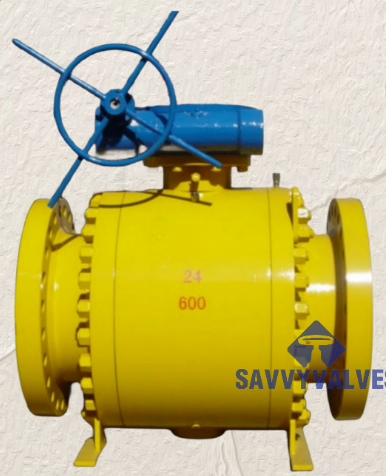
Superior Toughness: The Ductile Iron Flanged Ball Valve
Ductile iron flanged ball valve represents a significant upgrade in performance over standard cast iron. Ductile iron (also known as nodular cast iron, ASTM A395) undergoes a treatment that gives it much higher tensile strength, impact resistance, and elongation properties—it is less brittle. This makes a ductile iron flanged ball valve suitable for more demanding services where higher pressures (Class 150, 300), potential water hammer, or higher mechanical stress are concerns. It combines much of the strength of carbon steel with better corrosion resistance than standard cast iron, often at a cost point between the two. The ductile iron flanged ball valve is an excellent choice for municipal water and wastewater systems, industrial process lines, and fire protection systems where durability and reliability are critical but full carbon steel strength is not always necessary. It offers a superior longevity and safety margin compared to standard cast iron in many applications.
Choosing the right flanged ball valve requires matching material, pressure rating, and function to your specific service. We are a leading manufacturer and supplier of high-integrity industrial valves, offering a comprehensive portfolio to meet every need. We produce versatile 3 way flanged valves for flow diversion, standard and custom ball valves with flange connection in various sizes and pressure classes, rugged carbon steel flanged ball valves for high-pressure/temperature duty, economical cast iron flanged ball valves for general service, and tough ductile iron flanged ball valves for demanding water and industrial applications. Our valves feature precision-machined balls and seats for bubble-tight shut-off, reinforced body designs, and flanges drilled to international standards (ASME, DIN, JIS). Every valve undergoes rigorous testing to ensure performance and longevity. We provide solutions for oil & gas, petrochemical, water treatment, power generation, and general manufacturing, ensuring you get the right valve for reliable, low-maintenance operation.
Don't risk system integrity with an underspecified or incompatible valve. Ensure safe, efficient, and reliable flow control with the correct flanged ball valve for your application. Whether you need a diverting 3 way flanged valve, a standard ball valve with flange connection, or a valve in carbon steel, cast iron, or ductile iron, we have the solution.
Visit our website to browse our complete valve catalog, download 3D models and specifications, and access pressure-temperature rating charts. Use our valve selection tool to narrow down options based on your service conditions. Contact our technical sales team for personalized support. Share your fluid, pressure, temperature, and piping details, and our engineers will recommend the optimal valve—be it a carbon steel flanged ball valve for steam or a ductile iron flanged ball valve for a water main. Request a quote or sample to evaluate our quality.
Invest in reliability. Specify with confidence. Choose the right flanged ball valve for the long run. Click to connect with us and get your project flowing smoothly.
Flanged Ball Valve FAQs
What is the main advantage of a 3 way flanged valve over two separate 2-way valves?
A 3 way flanged valve consolidates flow diversion or mixing function into a single, compact unit operated by one actuator. This saves space, reduces potential leak points (one valve vs. two plus fittings), simplifies automation (only one actuator to wire/pneumate), and can be more cost-effective. It provides cleaner, more efficient flow path control for applications like diverting flow between two heat exchangers or blending hot and cold water.
When should I choose a carbon steel flanged ball valve over a ductile iron flanged ball valve?
Choose a carbon steel flanged ball valve for higher pressure classes (Class 300, 600, 900), higher temperature services (e.g., steam), or more demanding mechanical stress environments like refineries. Choose a ductile iron flanged ball valve for robust water, wastewater, or general industrial services at moderate pressures and temperatures (typically Class 150/300) where its excellent corrosion resistance and impact strength offer a better value and performance balance than cast iron, without needing the full capability of carbon steel.
Is a cast iron flanged ball valve suitable for underground burial?
A standard cast iron flanged ball valve is not typically recommended for direct burial unless it has a specifically designed and certified exterior coating system (like epoxy coating) to protect against soil corrosion. Even then, ductile iron flanged ball valves with appropriate coatings are generally preferred for buried service due to their superior impact resistance and reduced risk of brittle fracture.
Can a standard ball valve with flange connection be used for throttling?
While a ball valve with flange connection can be used for rough throttling, it is not ideal for precise flow control. The high-velocity flow across a partially open ball can erode the seat and ball surface, especially with abrasive fluids. For precise regulation, a characterized V-port ball valve or a different valve type (like a globe valve) is recommended. Standard ball valves are best suited for reliable on/off service.
How do I ensure the flange rating on my valve matches my piping?
The flange rating (Pressure Class, e.g., 150, 300) on the ball valve with flange connection must be equal to or greater than the pressure class of the connecting pipe flanges. The flange face type (RF - Raised Face, FF - Flat Face) and drilling pattern (ASME B16.5, DIN, etc.) must also match. Always specify the required pressure class, flange standard, and face-to-face dimension when ordering to ensure proper fit and safe pressure containment within your system.


 English
  Arabic
  Azerbaijani
  Czech
Czech  Dutch
Dutch  French
  German
  Indonesian
  Italian
  Japanese
  Korean
  Malay
Malay  Persian
  Polish
  Portuguese
  Russian
  Spanish
  Thai
Thai  Vietnamese