
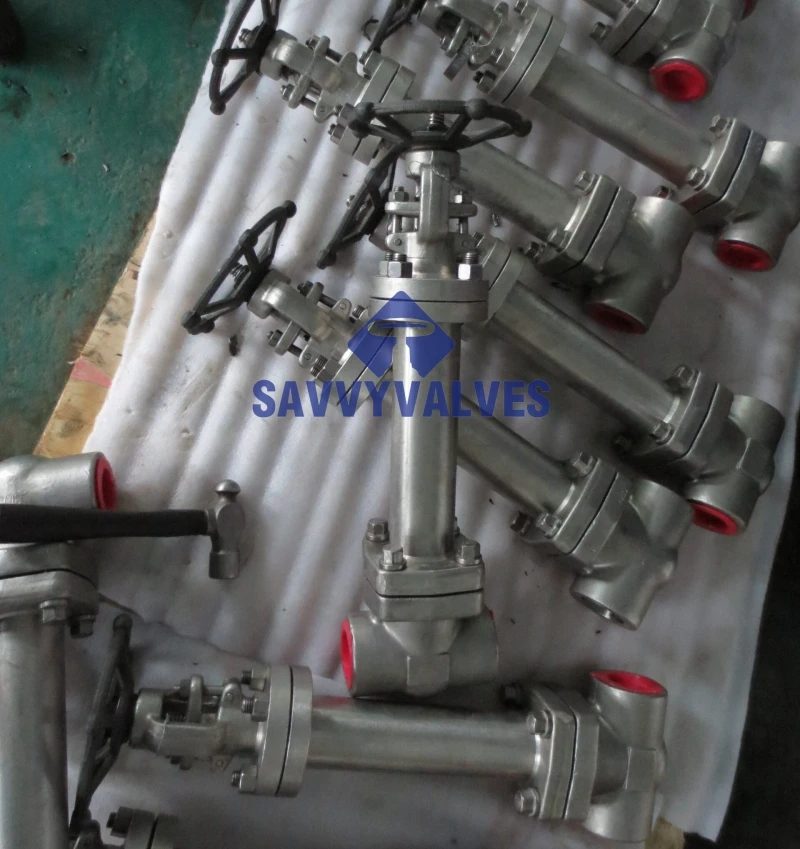
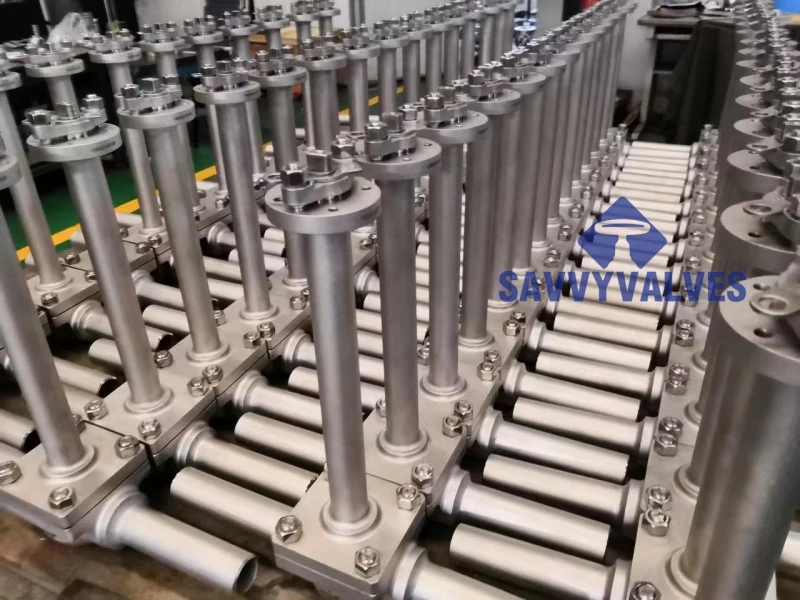
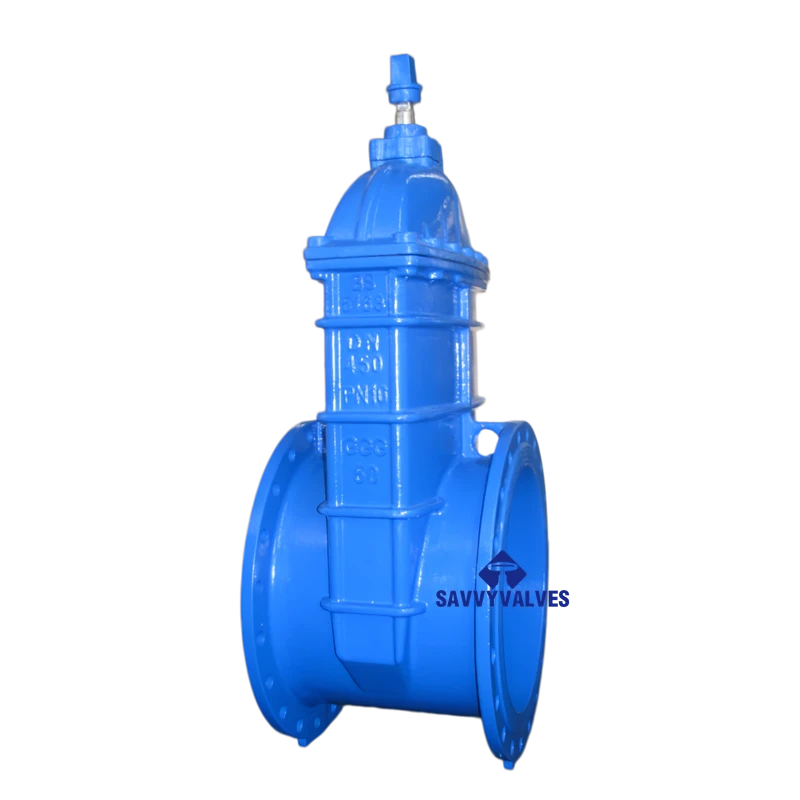
Globe valves—including standard globe valve models and versatile 1 1 2 globe valve variants—are essential for precise flow regulation in industries like oil & gas, petrochemicals, and water treatment. Unlike other valves that only open or close, globe valves excel at throttling flow (adjusting pressure and volume gradually), making them ideal for applications where precision matters. For wholesalers supplying these critical components, partnering with a manufacturer that designs for reliability and performance is key. Savvy Valves Co., Ltd.—a globally recognized leader in industrial valve manufacturing (with expertise in API, ASME, and ISO-compliant solutions)—delivers exactly this: their globe valves, globe valve basics, and 1 1 2 globe valve lines are engineered to optimize flow control, with precision trim and durable bodies. Serving sectors from power generation to oil & gas, Savvy Valves is a trusted bulk partner for wholesalers seeking valves that meet end-users’ strict flow regulation needs.
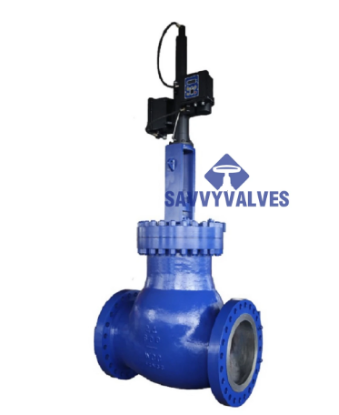
Working Principle of Globe Valve
- Plug-and-Seat Mechanism in Globe Valve: A globe valve regulates flow via a movable plug (connected to a stem) and a fixed seat—when the stem is turned, the plug lifts or lowers, adjusting the gap between plug and seat. This gap controls how much fluid passes through: a small gap reduces flow (throttling), while a full lift maximizes flow. Savvy’s globe valve uses a precision-machined plug and seat (meeting API standards) that create a tight seal when closed, preventing leaks. For example, a globe valve in a petrochemical plant can be adjusted to reduce flow by 50%—critical for maintaining stable pressure in pipelines. Unlike gate valves (which struggle with precise throttling), globe valves offer consistent flow control, making them a top choice for regulated processes. Wholesalers can highlight this to clients, as precision reduces operational waste and improves safety.
- Flow Direction in Globe Valves: Globe valves are designed for unidirectional flow—fluid enters below the seat, flows around the plug, and exits above. This design minimizes turbulence (which disrupts flow accuracy) and ensures the plug is pushed closed by fluid pressure (enhancing the seal). Savvy’s globe valves include clear flow-direction markings and streamlined internal pathways that further reduce turbulence. The 1 1 2 globe valve (a popular size for mid-range flow needs) is optimized for this directionality, handling flow rates ideal for water treatment plants or power generation systems. Unlike ball valves (which can handle bidirectional flow but lack throttling precision), globe valves’ unidirectional design prioritizes accuracy—essential for sectors like pharmaceuticals, where flow consistency is mandatory.
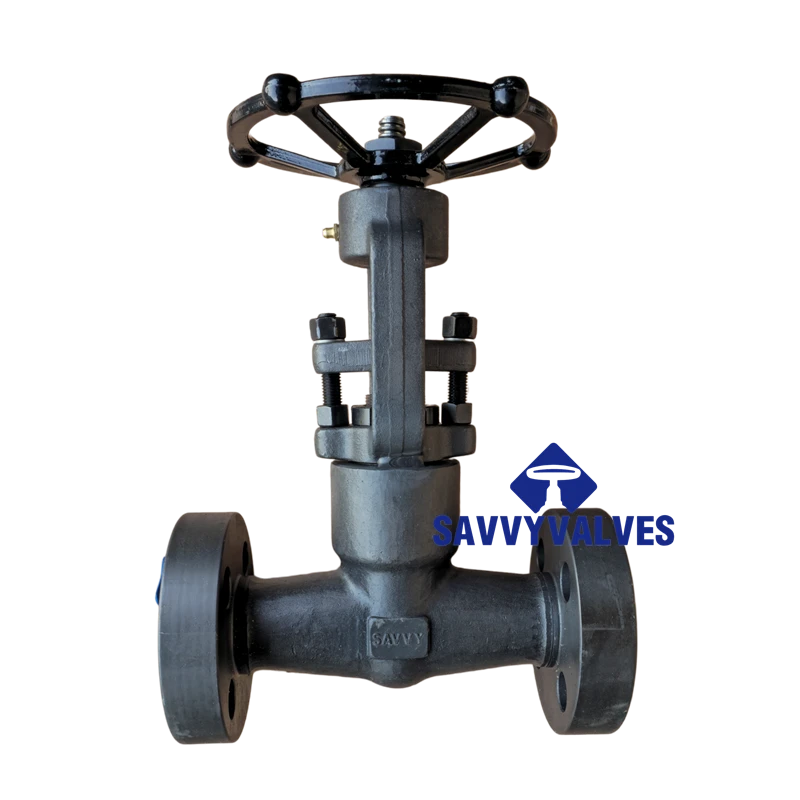
Key Components of 1 1 2 Globe Valve
|
Component |
Function in 1 1 2 Globe Valve |
Savvy Valves Advantage |
Wholesaler Value |
|
Valve Body |
Houses internal components; directs fluid flow |
Corrosion-resistant steel (meets EN standards); durable |
Suits harsh environments; long service life |
|
Plug & Seat |
Controls flow gap; creates seal when closed |
Precision-machined; tight tolerance for leak-free operation |
Reduces maintenance; consistent flow control |
|
Stem & Handwheel |
Adjusts plug position (manual operation); transmits torque |
Chrome-plated stem (resists wear); ergonomic handwheel |
Easy to operate; minimal stem damage |
|
Bonnet |
Seals the valve top; protects stem from debris |
Bolted design for easy access; weatherproof (IP65 rated) |
Simplifies maintenance; suits outdoor use |
Applications of Globe Valves by Size
- 1 1 2 Globe Valve for Mid-Range Flow: The 1 1 2 globe valve is a versatile size for mid-volume applications—ideal for water treatment plants (regulating filter backwash flow) or power generation (controlling cooling water flow). Savvy’s 1 1 2 globe valve is engineered to handle moderate pressure (up to API 600 ratings) and temperatures, making it compatible with diverse fluids (water, oil, chemicals). For example, a 1 1 2 globe valve in a water plant can regulate flow to a filter system, ensuring optimal cleaning without wasting water. Wholesalers can market this size to clients with mid-scale operations, as it balances performance and cost—avoiding the excess capacity of larger valves or the limitations of smaller ones.
- Smaller Globe Valve for Low Flow: Smaller globe valve sizes (e.g., ½ inch, 1 inch) are used for low-flow applications like laboratory processes or chemical dosing systems. Savvy’s small globe valves feature micro-adjustable stems that let users fine-tune flow by tiny increments—critical for dosing precise chemical amounts in petrochemical plants. Unlike larger globe valves, these models are compact and lightweight, fitting in tight spaces (e.g., control panels). Wholesalers can offer these as part of a bulk “size range” package, letting clients select valves for both low and mid-flow needs (paired with 1 1 2 globe valve) from a single supplier—simplifying procurement.
Globe Valves FAQS
Can Globe Valves Be Used for Throttling High-Pressure Fluids?
Yes— globe valves (including the 1 1 2 globe valve) are designed for high-pressure throttling, thanks to their robust plug-and-seat design. Savvy’s globe valves meet API 600 standards (for high-pressure service), handling pressures up to 2,500 psi—ideal for oil & gas pipelines or high-pressure water systems. For example, a globe valve in an offshore oil rig can throttle high-pressure crude oil flow without damage. Unlike gate valves (which can suffer from seat erosion at high pressure), globe valves’ plug-and-seat design distributes pressure evenly, reducing wear. Wholesalers can emphasize this to clients in high-pressure sectors, as it eliminates the need for specialized valves.
What’s the Advantage of 1 1 2 Globe Valve Over Smaller Globe Valves?
The 1 1 2 globe valve balances flow capacity and precision—smaller valves (e.g., 1 inch) handle lower flow rates but lack the capacity for mid-scale operations, while larger valves (e.g., 2 inches) are overkill for moderate needs. Savvy’s 1 1 2 globe valve handles flow rates ideal for water treatment, power generation, and mid-size petrochemical processes, while still offering the same throttling precision as smaller globe valves. For example, a 1 1 2 globe valve in a power plant can regulate cooling water flow to a turbine—providing enough volume to prevent overheating, while adjusting to match turbine demand. Wholesalers can position this size as a “workhorse” option, appealing to clients with diverse mid-range flow needs.
Do Globe Valves Require Special Maintenance for Throttling Performance?
Globe valves need regular maintenance to preserve throttling precision—key tasks include lubricating the stem (to ensure smooth plug movement), inspecting the plug and seat for wear (erosion from high-velocity fluid can widen the gap), and cleaning internal pathways (debris can disrupt flow). Savvy’s globe valves include easy-access lubrication ports and replaceable plug/seat kits, simplifying maintenance. For example, a 1 1 2 globe valve used monthly for throttling can be lubricated in 5 minutes and inspected quarterly—minimal downtime. Unlike ball valves (which need less maintenance but lack precision), globe valves’ maintenance needs are small compared to their performance benefits. Wholesalers can advise clients to stock bulk maintenance kits (Savvy offers these) to keep valves operating accurately.
Can Globe Valves Be Automated (Instead of Manual)?
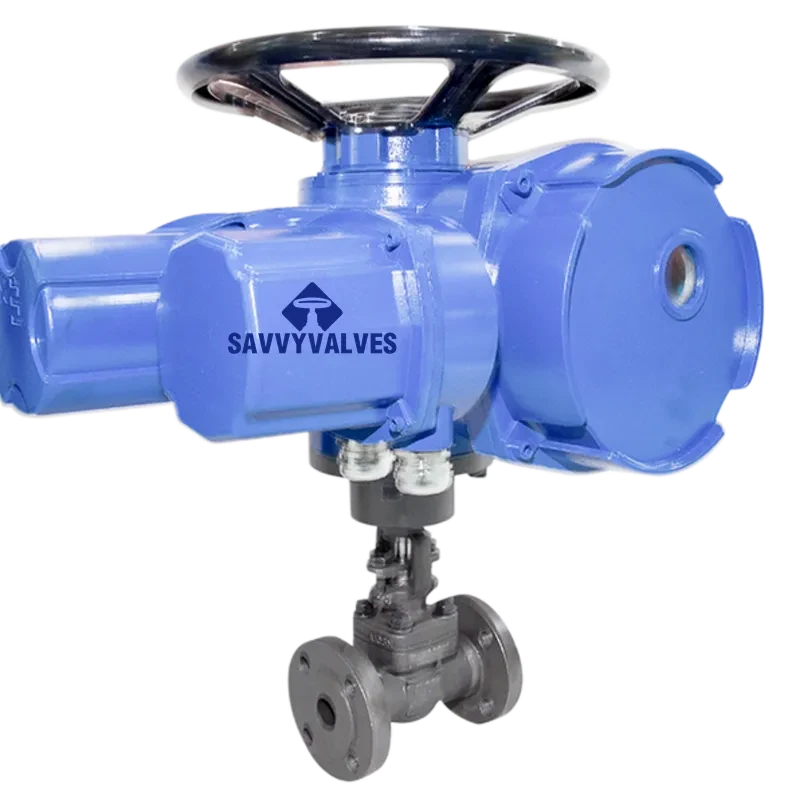
Yes— globe valves (including 1 1 2 globe valve) can be equipped with actuators (pneumatic, hydraulic, or electric) for automated flow control. Savvy’s automated globe valves integrate seamlessly with control systems, letting end-users adjust flow remotely (via sensors or software)—critical for 24/7 operations like refineries. For example, an automated globe valve in a water treatment plant can adjust flow based on real-time sensor data, ensuring consistent filter performance without manual intervention. Unlike manual globe valves, automated models reduce labor costs and human error—appealing to clients with large-scale operations. Wholesalers can offer both manual and automated variants, letting clients tailor solutions to their needs.
Are Globe Valves Compatible With All Fluid Types?
Globe valves are compatible with most fluids (water, oil, chemicals, steam) when made with the right materials—Savvy offers globe valves in carbon steel (for oil/gas), stainless steel (for chemicals), and alloy steel (for high temperatures). The 1 1 2 globe valve is available in multiple materials: a stainless steel version works for corrosive chemicals, while a carbon steel model suits crude oil. However, globe valves are not ideal for highly viscous fluids (e.g., heavy oil) that can clog the plug-seat gap—Savvy recommends gate valves for those applications. Wholesalers can guide clients to select the right material based on fluid type, ensuring valve longevity and performance. To explore Savvy’s globe valves, 1 1 2 globe valve models, or custom solutions, visit our company webpage today.


 English
  Arabic
  Azerbaijani
  Czech
Czech  Dutch
Dutch  French
  German
  Indonesian
  Italian
  Japanese
  Korean
  Malay
Malay  Persian
  Polish
  Portuguese
  Russian
  Spanish
  Thai
Thai  Vietnamese