
Why a Wafer Flanged Ball Valve is a Smart Choice in Industrial Piping
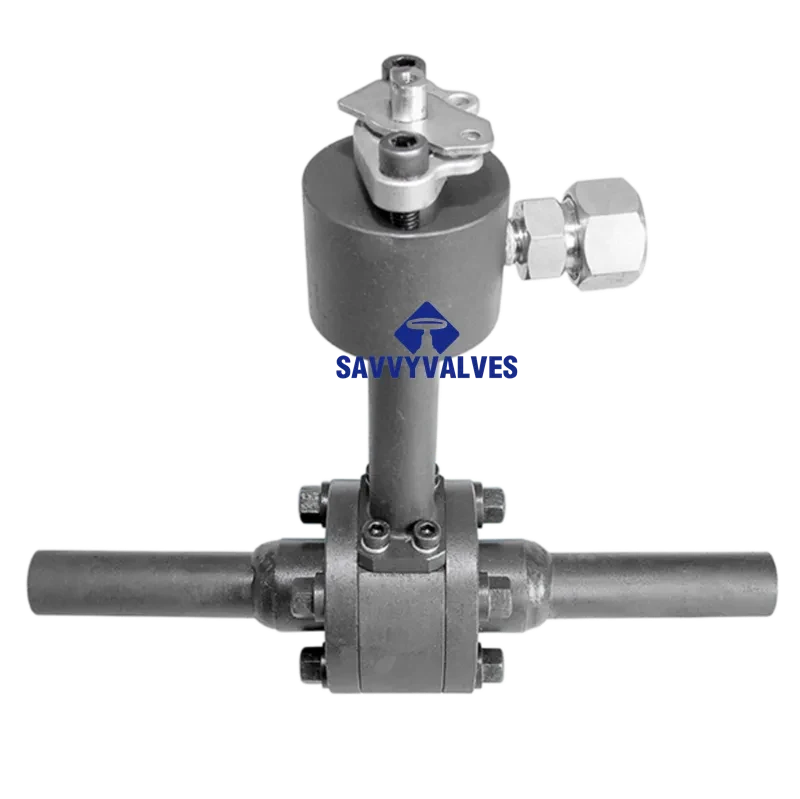
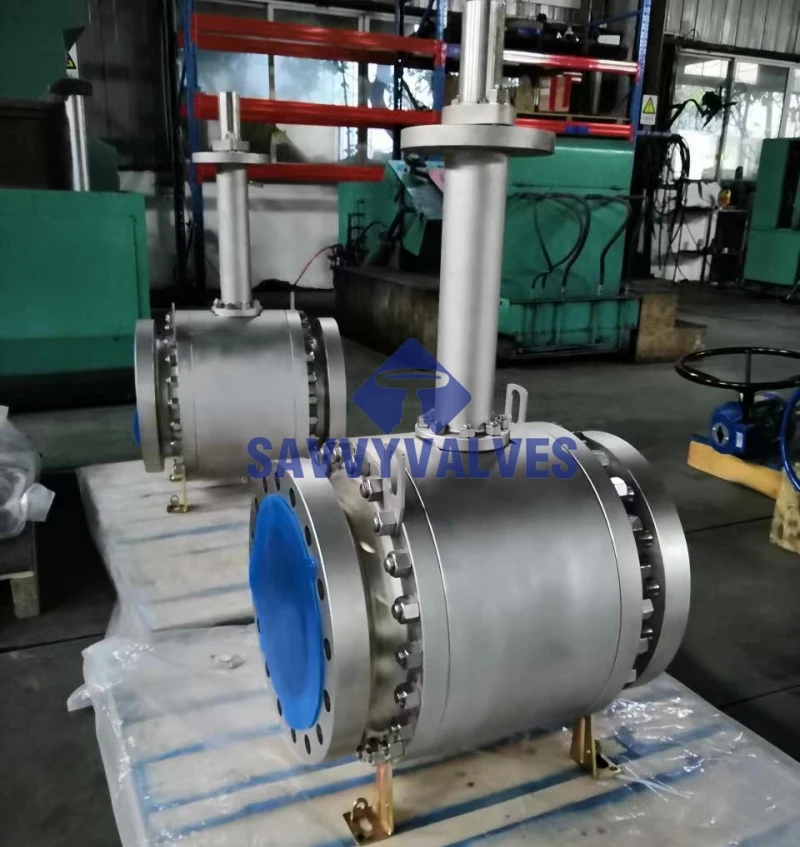
Having spent a good chunk of my career tinkering with valves and fittings in some pretty tough industrial settings, I’ve come to appreciate the wafer flanged ball valve for a number of reasons. Frankly, it’s one of those small heroes that often flies under the radar in piping systems, yet does a great job balancing durability, ease of installation, and tight shutoff.
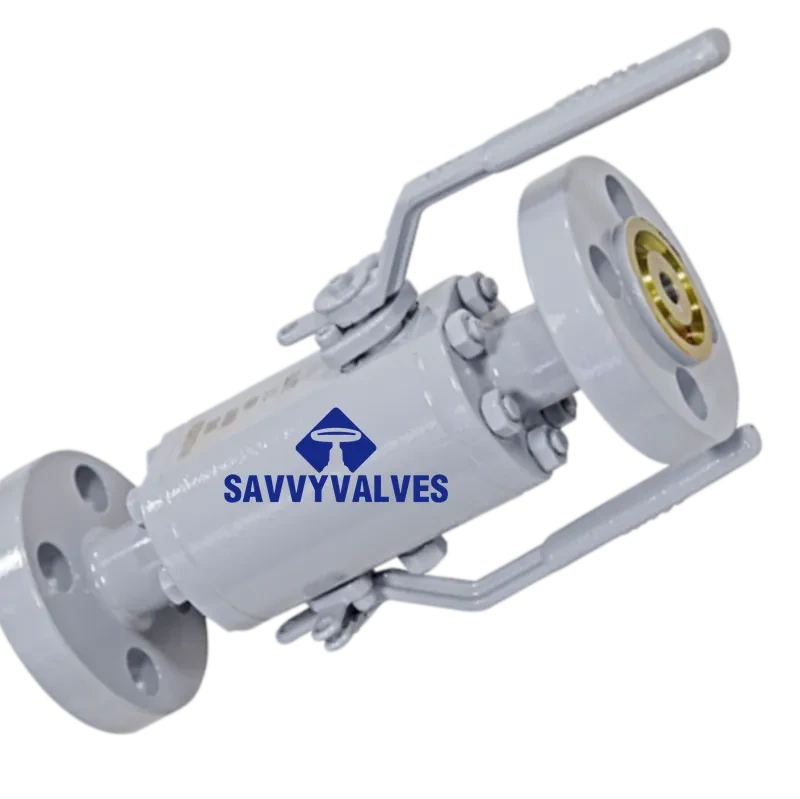
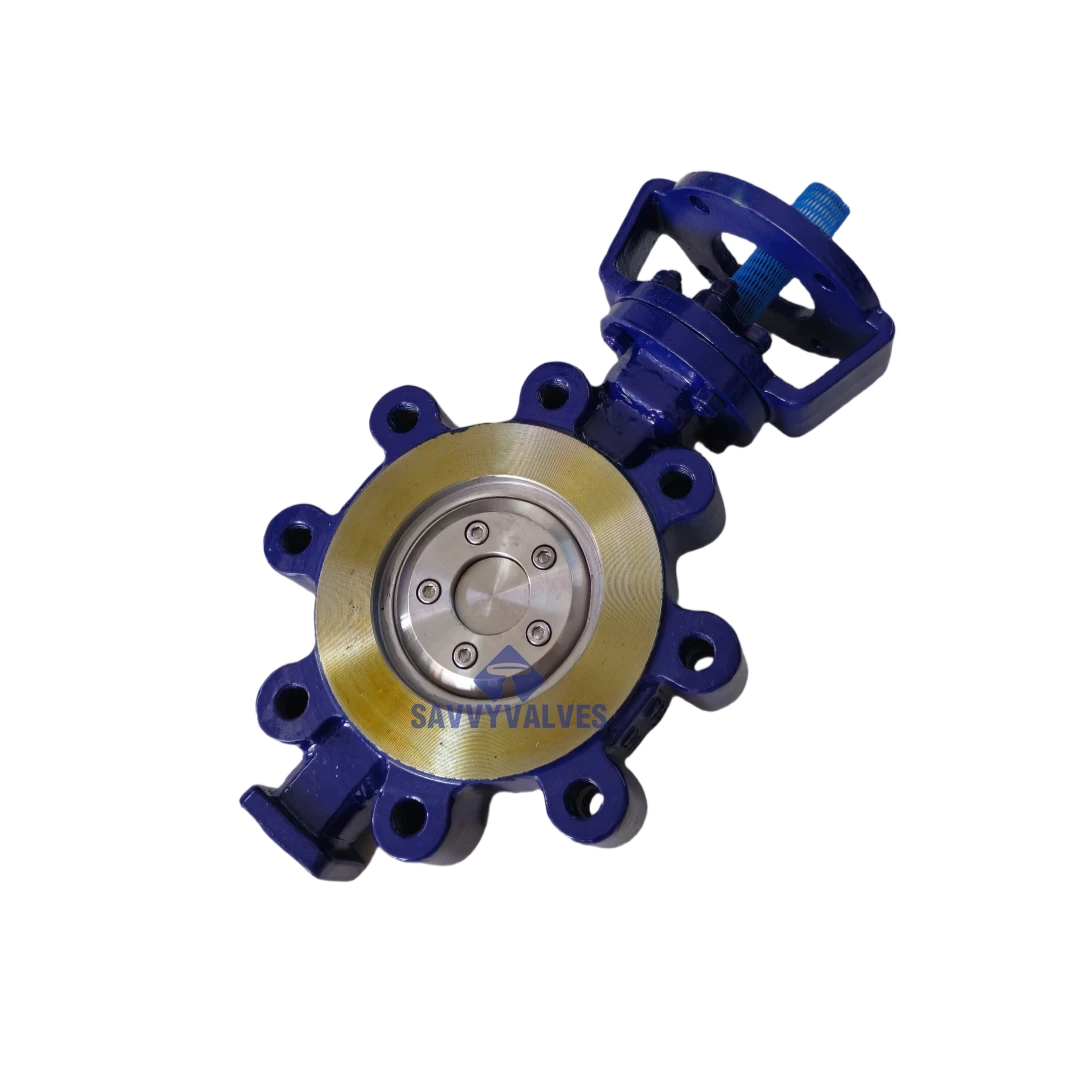
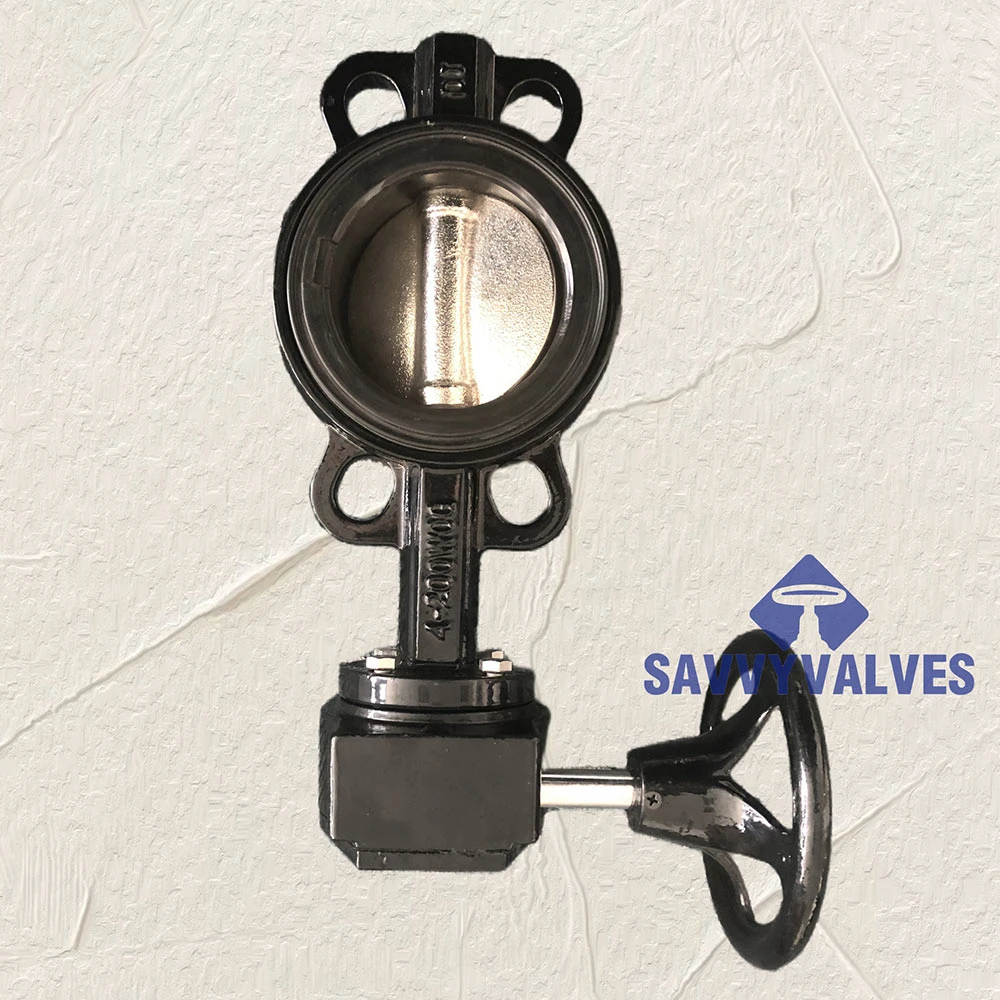
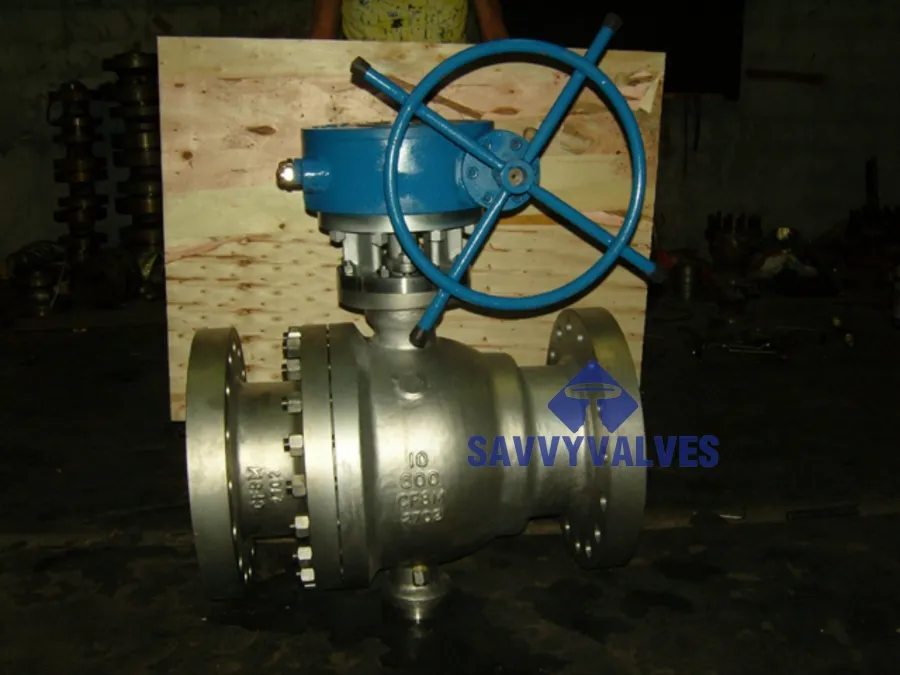
Now, if you’re not a valve guy, here’s a quick primer: a wafer ball valve is designed to fit snugly between two flanges — it’s slimmer than lug-style valves, which makes it lighter and sometimes easier to handle, especially in tight spaces. The “ball” inside rotates to allow or block flow. Combine that wafer design with flanged ends, and you get a valve that’s quite versatile for many industrial applications.
Over the years, I’ve noticed that many engineers prefer wafer flanged ball valves because they simplify alignment and reduce the bolt count compared to traditional flanged valves. Plus, when it comes to maintenance, you don’t have to remove the entire valve body to work on the piping — they’re kind of a lifesaver in that regard.
Materials? These valves commonly come in stainless steel 304 or 316, which, as you probably know, handle corrosive environments pretty well. In fact, I recall one plant near the coast where we swapped out older valves for wafer flanged ball valves in 316 stainless steel, and that decision really extended the system’s lifespan despite the saltwater exposure.
Of course, testing and certifications matter, especially with ball valves since they control critical flow. Look for valves tested to API 598 or ISO standards — it’s reassuring to know that what you’re getting can handle the pressure and doesn’t leak under tough conditions.
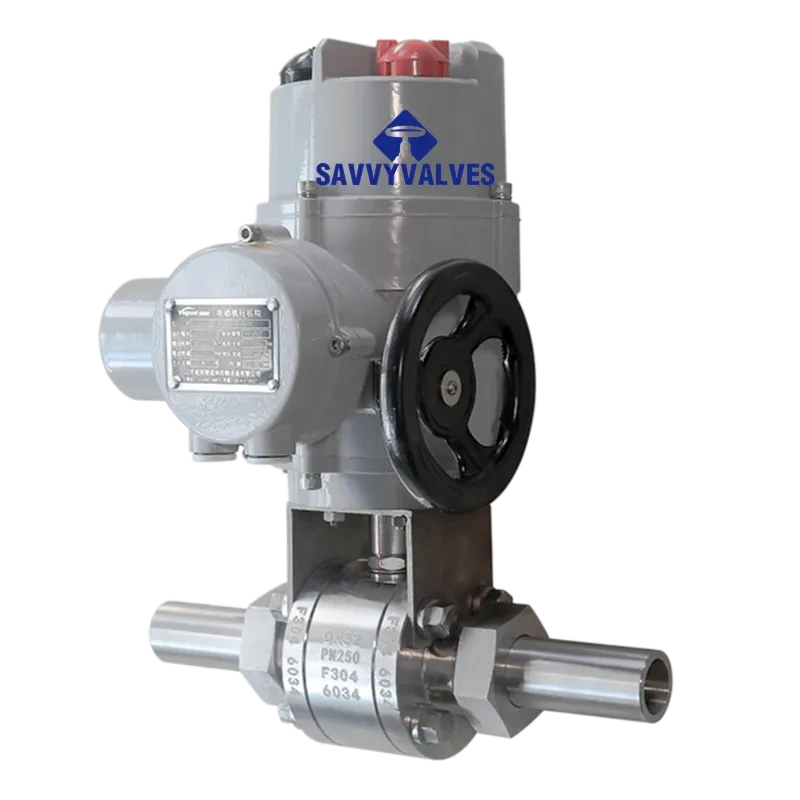
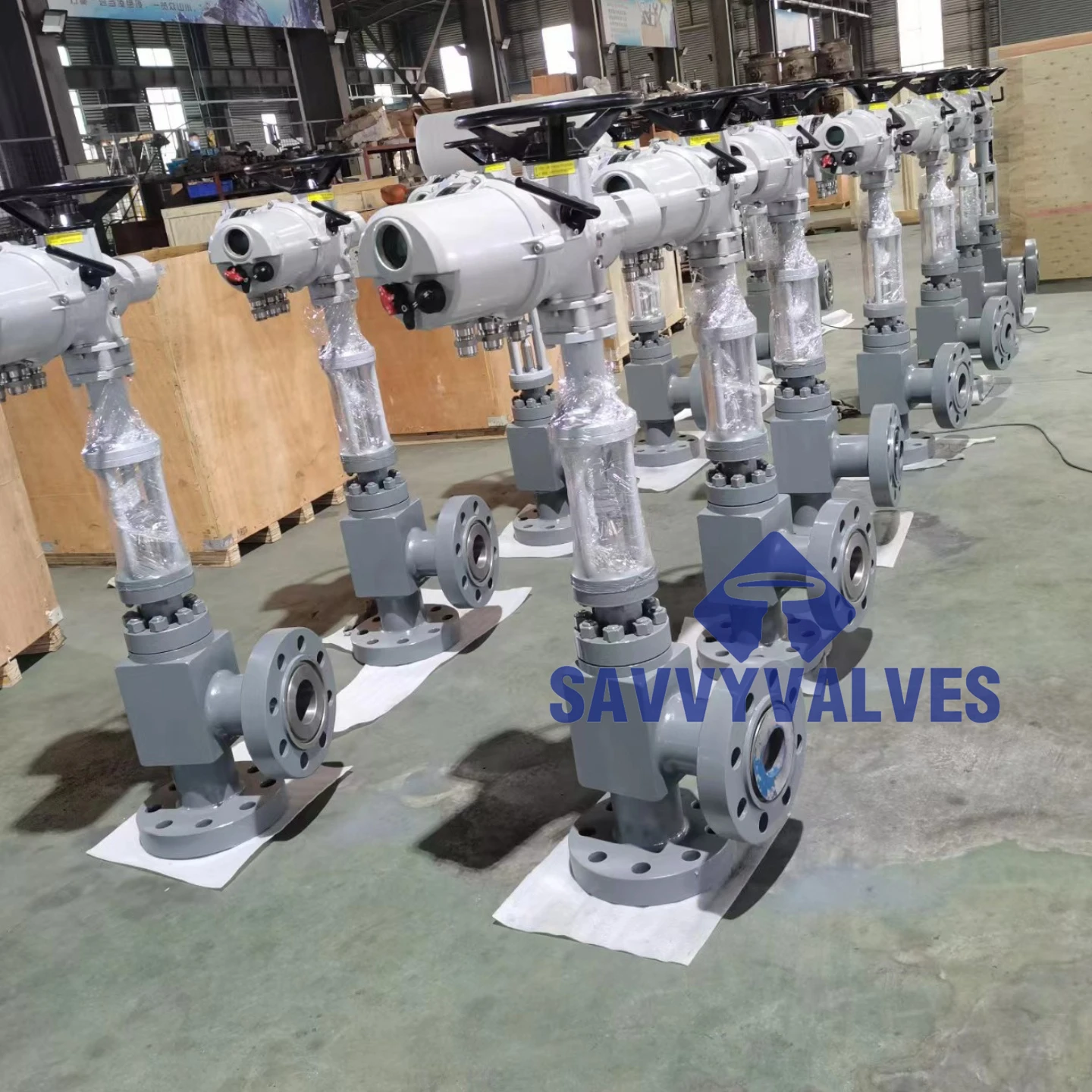
Another angle to consider is customization: some vendors offer options like fire-safe designs, locking handles, or electric actuators, which can be a game-changer depending on your system’s needs.
Typical Wafer Flanged Ball Valve Specifications
| Feature | Specification |
|---|---|
| Valve Type | Wafer Ball Valve |
| Connection | Wafer between flanges |
| Body Material | Stainless Steel 304/316 |
| Pressure Rating | Class 150 / 300 / 600 (varies by model) |
| Temperature Range | -20°C to 200°C (typical) |
| Ball Type | Floating / Trunnion |
| Seat Material | PTFE, RTFE or metal seats |
I’ll admit, not all wafer flanged ball valves are created equal. So, it’s worth looking at several suppliers before committing. Here’s a concise comparison I put together based on what I’ve seen in the market:
Vendor Comparison: Top Wafer Flanged Ball Valve Manufacturers
| Vendor | Material Options | Pressure Ratings | Customization | Lead Time |
|---|---|---|---|---|
| Savvy Valve Tech | SS 304, 316, Duplex | 150 - 600 Class | Actuators, Fire Safe, Locking | 2-4 weeks |
| Generic Industrial Valves | Mostly SS 304 | Up to 300 Class | Limited | 3-6 weeks |
| Premium Valve Co. | SS 316, Alloy 20 | 150 - 600 Class | Extensive, Including Custom Sizes | 4-8 weeks |
One thing I’ve learned is that wafer flanged ball valve offerings can differ substantially in quality and service, so it pays to partner with a vendor that understands your specific industrial demands—not just a seller, but a collaborator.
Oddly enough, the simplicity of these valves is what gives them their edge: no complicated internals, just a solid ball with a handle or actuator, sealed tight with seats that resist wear. If you’re working in a petrochemical plant, water treatment facility, or even a food processing line, you want something that delivers consistent performance and minimal fuss. I’ve had a few jobs where downtime cost thousands per hour; every valve’s reliability counts.
So, to wrap it up—I suppose if you’re in the market for a ball valve that’s easy to install, offers good sealing, and fits your flange-based piping system snugly, the wafer flanged ball valve is a solid pick. Not glamorous, but dependable. And frankly, in this industry, that’s a blessing.
References:
1. API Standard 598 – Valve Inspection and Testing
2. Manufacturer datasheets from Savvy Valve Tech
3. Personal experience in petrochemical plant maintenance


 English
  Arabic
  Azerbaijani
  Czech
Czech  Dutch
Dutch  French
  German
  Indonesian
  Italian
  Japanese
  Korean
  Malay
Malay  Persian
  Polish
  Portuguese
  Russian
  Spanish
  Thai
Thai  Vietnamese