
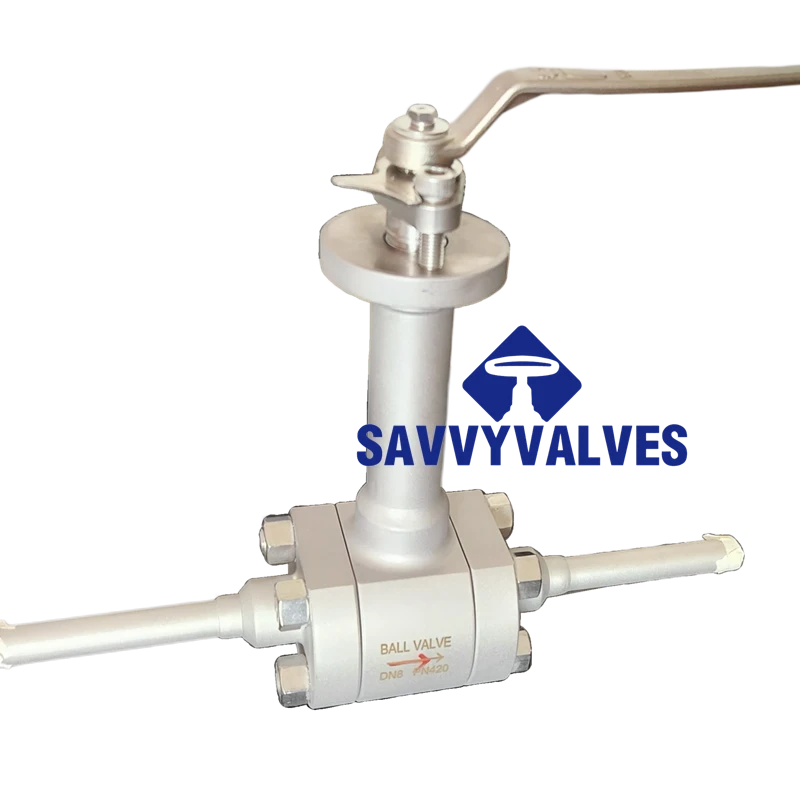
In the vast and intricate networks of pipelines that form the circulatory system of global industry—transporting crude oil across continents, distributing natural gas to cities, and managing critical water supplies—the integrity of every single component is paramount. At the heart of these systems, controlling the flow with absolute reliability, lies a workhorse of engineering: the trunnion mounted ball valve. This valve is not merely a piece of hardware; it is a meticulously engineered solution designed to master the most extreme pressures and most demanding services. Unlike its simpler floating ball counterpart, the trunnion type ball valve incorporates a fundamental design innovation that makes it the preferred choice for high-pressure, large-diameter, and critical application scenarios. This article will explore the engineering brilliance, operational advantages, and diverse applications of this valve, illustrating why it is the unyielding backbone of modern industrial flow control.
Savvy Valves combines decades of engineering expertise with cutting-edge production capabilities to deliver high-performance, reliable valve solutions for the world's most demanding applications. Our deep involvement in major global projects, from Crude Oil Transportation lines to the Seawater Desalination System in the UAE, has cemented our understanding of what it takes to build a valve that performs consistently when failure is not an option. Our trunnion mounted ball valves are engineered from the ground up to meet the most rigorous international standards, including API 6D and ASME B16.34, providing our partners with unwavering confidence in safety and performance.
The Fundamental Engineering Behind the Trunnion Type Ball Valve
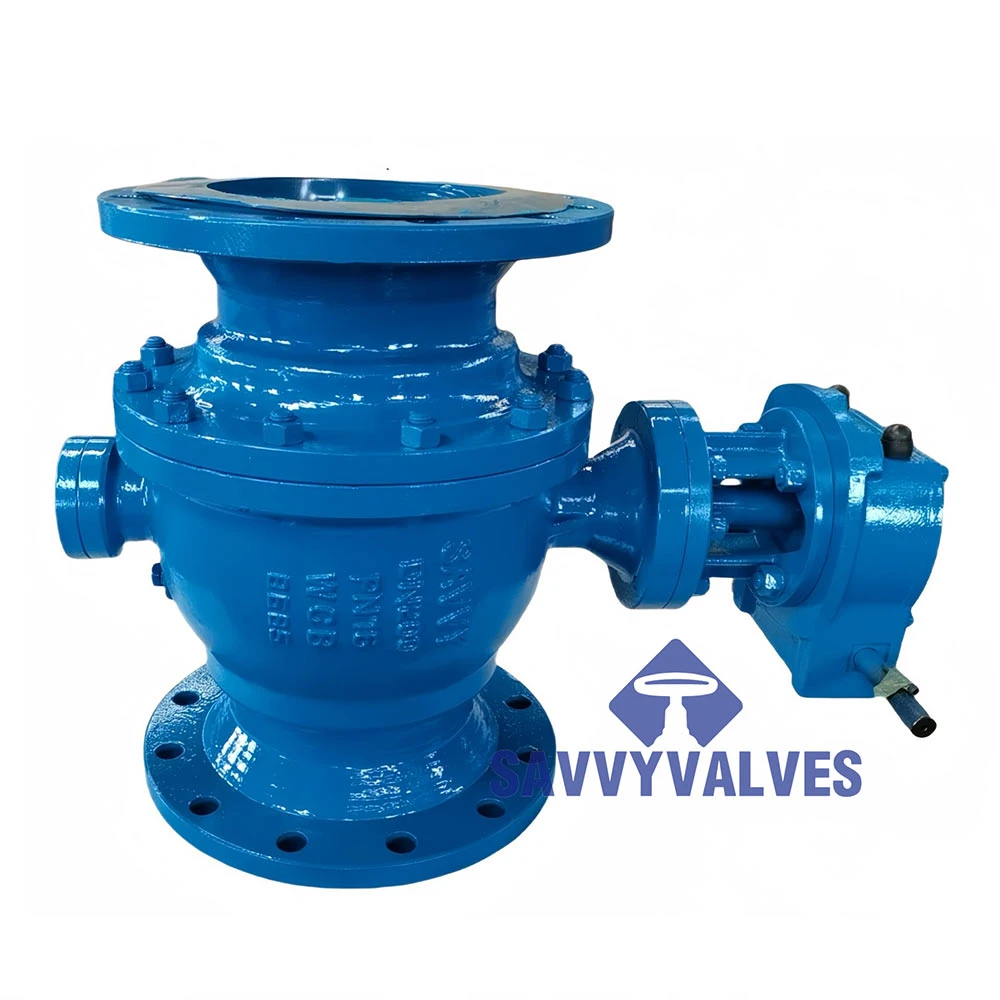
- To truly appreciate the advantages of a trunnion type ball valve , one must first understand its mechanical architecture. The design is a masterclass in managing force and friction. The ball is rigidly supported along its vertical axis by the trunnions, which are housed within bushings or bearings. This support system absorbs the thrust from the line pressure, preventing it from being transferred to the valve seats in a way that would cause excessive friction.
- Furthermore, our valves incorporate critical safety features as standard, including an anti-blow out stem, which ensures the stem cannot be forcibly ejected under pressure, and anti-static devices to prevent the buildup of static electricity, a vital feature for hydrocarbon services.
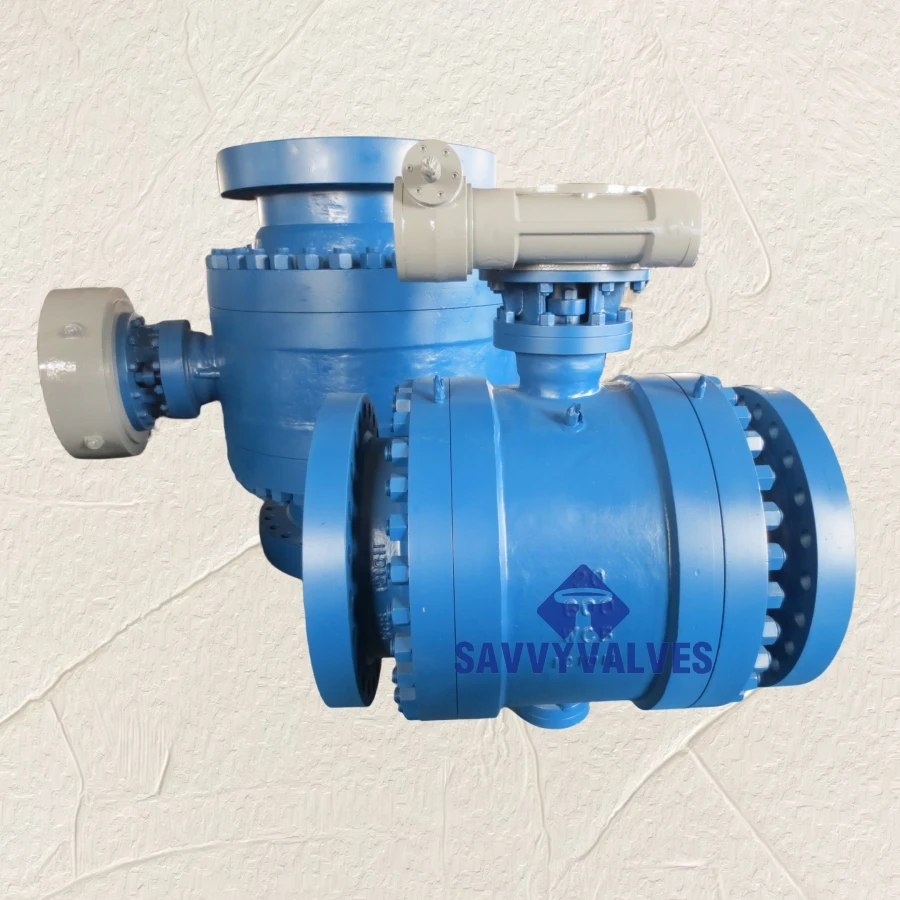
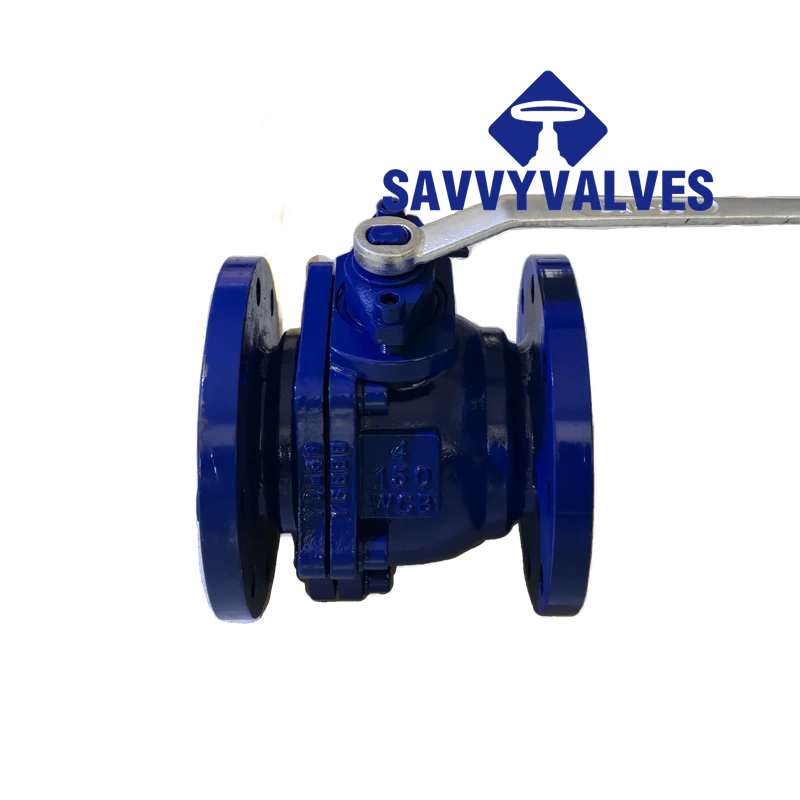
The construction of these valves also varies to suit different maintenance and installation needs. A 2 piece trunnion ball valve is a common and highly effective configuration. This design typically features a main body and a second section (often containing one seat and the end connection) that is bolted together. This construction offers a excellent balance between structural integrity and relative ease of maintenance compared to a single-piece design, as it allows for internal inspection and seat replacement without requiring removal of the entire valve body from the pipeline, though it may need to be moved slightly to create space.
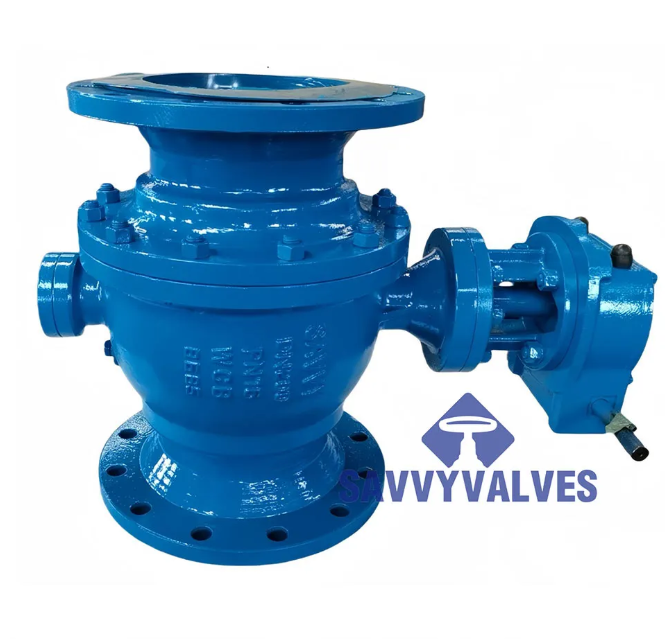
Trunnion Mounted Ball Valve’s Key Operational Advantages Over Floating Ball Valves
The engineered design of the trunnion mounted ball valve translates directly into a suite of powerful operational benefits that justify its specification in critical services. The most significant of these is low operating torque.
- Because the ball is fixed and the seats move, the frictional forces during operation are dramatically lower than in a floating ball design. This is not a minor improvement.
- Another paramount advantage is its superior sealing performance and reliability. The pressure-energized seal ensures that the sealing force is directly proportional to the system pressure. This means that in the event of a pressure surge, the seal actually becomes tighter. This design provides a true double-block-and-bleed (DBB) capability in the closed position, allowing the cavity between the two seats to be safely bled down, which is a critical safety procedure for maintenance and integrity verification.
Durability and extended service life are inherent to the design. With the ball supported by trunnions, the wear and tear on the seats and the ball surface are minimized. The fixed ball does not experience the same deformation or shifting that can occur in large floating balls under high pressure. This robust construction, when combined with advanced materials and precision machining, results in a valve that can endure millions of cycles with minimal maintenance. This focus on durability is a core tenet of Savvy Valves' philosophy, resulting in durable, low-maintenance solutions that reduce the total cost of ownership for our partners.
Diverse Industrial Applications and the Role of the 2 Piece Trunnion Ball Valve
The robust and reliable nature of the trunnion mounted ball valve makes it indispensable in industries where safety, reliability, and performance are paramount. Its design is ideally suited for the most challenging services across the globe.In the Oil and Gas Industry, from upstream production to midstream transmission and downstream refining, these valves are ubiquitous. They are used for mainline isolation, station bypass, pig launching and receiving, and manifold duties. The need for fire-safe design, anti-blowout stems, and reliable DBB functionality is critical here.
The 2 piece trunnion ball valve is particularly valued in these settings for its balance of strength and maintainability, allowing for critical seat maintenance without a full body replacement.The Petrochemical and Chemical Processing industries rely on these valves to handle a wide array of corrosive, abrasive, and hazardous media. The ability to specify specific material combinations for the ball, seats, and seals is crucial.
FAQs About Trunnion Mounted Ball Valves
What is the main functional difference between a floating ball valve and a trunnion mounted ball valve?
The fundamental difference lies in how the sealing force is generated. A floating ball valve relies on line pressure pushing the ball downstream against the seat, which creates high torque and can cause excessive seat wear. A trunnion mounted ball valve has a fixed ball supported by trunnions. The sealing is achieved by line pressure pushing floating seats against the stationary ball. This results in much lower operating torque, reduced seat wear, and more reliable sealing, especially in high-pressure and large-diameter applications.
When should I specify a trunnion type ball valve over a floating ball valve?
A trunnion type ball valve should be specified for applications involving high pressure, large diameters, or critical services where reliable shut-off is essential for safety or process integrity. They are the default choice for mainline pipeline valves, wellhead applications, and any service where low operating torque is desired for actuation. For lower-pressure, smaller-diameter, and less critical applications, a floating ball valve may be a more cost-effective solution.
What is the advantage of a 2-piece trunnion ball valve in cast steel?
The 2 piece trunnion ball valve in cast steel is widely valued for its durability, pressure-handling capability, and ease of maintenance. Designed with a trunnion-mounted ball, the valve offers reduced operating torque and ensures consistent sealing performance, especially under high-pressure conditions. The 2-piece body construction simplifies installation and maintenance while maintaining structural integrity. Cast steel provides excellent strength and corrosion resistance, making it suitable for use in oil and gas, petrochemical, and power industries.
Can trunnion mounted ball valves be used for throttling flow?
While trunnion mounted ball valves can be used for moderate flow modulation in partially open positions, they are primarily designed for on/off isolation service. Using them for fine throttling control, especially with a high pressure drop across the ball, can lead to cavitation, vibration, and premature erosion of the ball and seats.
What does "Double Block and Bleed" (DBB) mean in the context of trunnion mounted ball valves?
Double Block and Bleed (DBB) is a critical safety feature. In a closed trunnion mounted ball valve, each of the two seats acts as an independent barrier, blocking flow from both the upstream and downstream sides. The small cavity between the two seats is equipped with a bleed port (a small valve). This allows technicians to safely drain and vent the cavity between the seals, verifying the integrity of both seals and providing a safe environment for downstream maintenance.
The trunnion mounted ball valve is not just a product; it is the culmination of decades of engineering innovation aimed at solving the fundamental challenges of high-pressure flow control. Its fixed-ball, pressure-energized seat design represents a quantum leap over floating ball technology, providing unmatched benefits in low operating torque, reliable bubble-tight sealing, exceptional durability, and operational safety. Selecting such a critical component, however, requires more than just understanding its technical specifications; it demands a partnership with a manufacturer whose commitment to quality and reliability is as unwavering as the valve itself. Savvy Valves – Engineering Excellence in Valve Solutions for Global Industries – has built its three-decade reputation on this very foundation. Our proven expertise in critical applications, from the Municipal Water Supply System in the UK to Compressor Systems in Italy, is a testament to our ability to deliver uncompromising reliability.


 English
  Arabic
  Azerbaijani
  Czech
Czech  Dutch
Dutch  French
  German
  Indonesian
  Italian
  Japanese
  Korean
  Malay
Malay  Persian
  Polish
  Portuguese
  Russian
  Spanish
  Thai
Thai  Vietnamese