
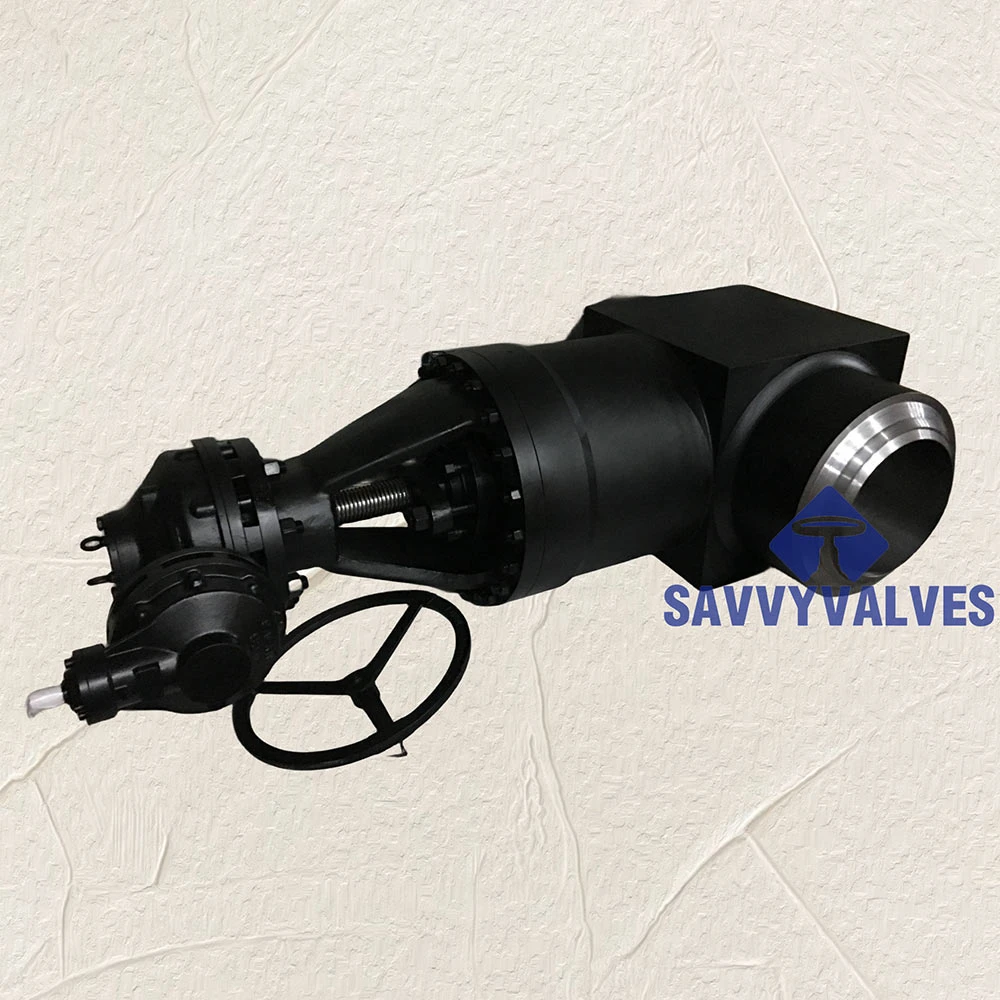
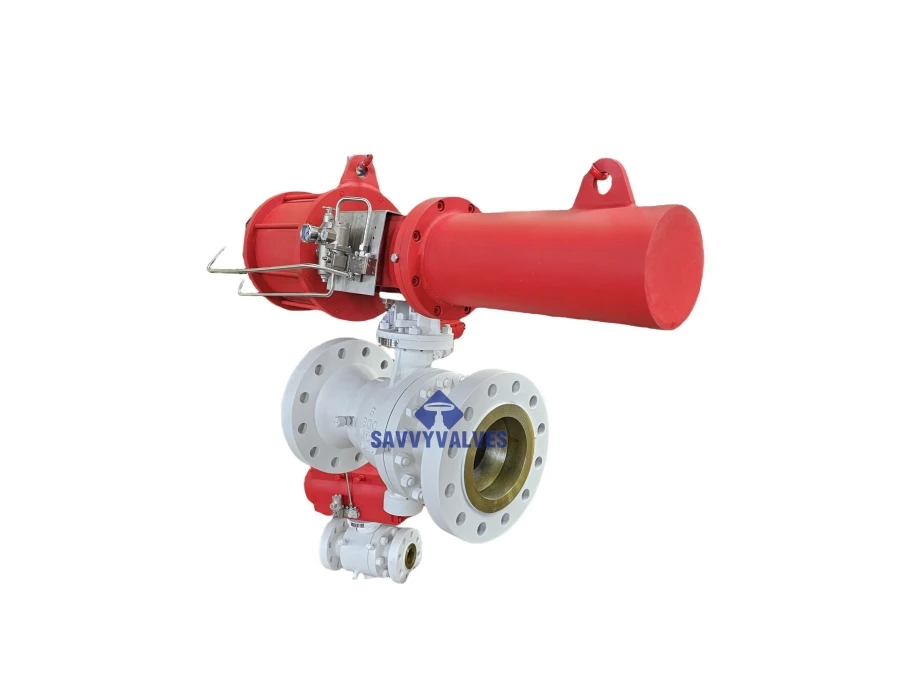
Hydraulic knife gate valve—alongside keystone gate valve and knife gate valve pneumatic models—are critical for industrial flow control in sectors like oil & gas, water treatment, and petrochemicals. To ensure long-term reliability (a non-negotiable in demanding applications), structured maintenance schedules are essential—preventing unexpected downtime that costs businesses thousands. For wholesalers supplying these industries, partnering with a manufacturer that prioritizes durable, low-maintenance valve design is key. Savvy Valves Co., Ltd., a globally recognized leader in industrial valve manufacturing (with expertise in API, ASME, and ISO-compliant solutions), delivers exactly this: their hydraulic knife gate valve, keystone gate valve, and knife gate valve pneumatic lines are engineered for easy maintenance, with precision components that reduce wear. Serving sectors from power generation to petrochemicals, Savvy Valves is a trusted bulk partner for wholesalers seeking valves that align with efficient maintenance workflows.
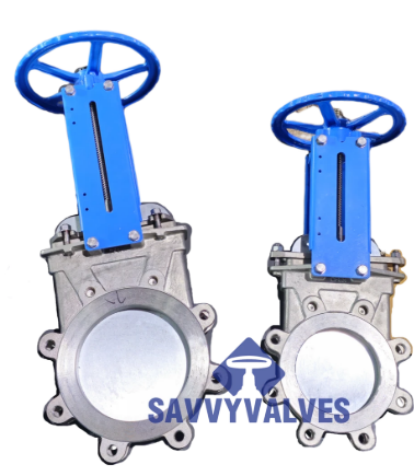
Daily Maintenance Tasks for Hydraulic Knife Gate Valve----H2
- Visual Inspection for Hydraulic Knife Gate Valve: Daily checks of hydraulic knife gate valve focus on visible signs of issues—leaks at connections, corrosion on valve bodies, or unusual noise during operation. Savvy Valves’ hydraulic knife gate valve features a smooth, corrosion-resistant body (meets EN standards) that makes leaks or rust easy to spot. For example, a quick visual scan of a hydraulic knife gate valve in a water treatment plant can identify a loose hydraulic line (a common leak point) before it causes pressure drops. Unlike generic valves with hidden connection points, Savvy’s design ensures all critical areas are visible—saving maintenance teams time. Wholesalers can highlight this to clients, as daily visual checks reduce the risk of small issues escalating into costly failures.
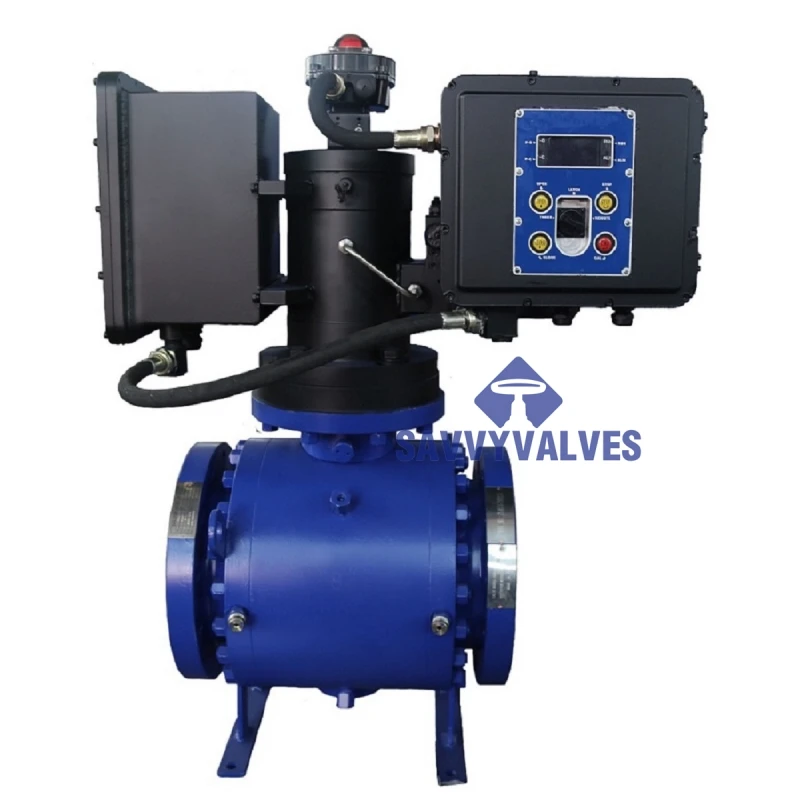
- Pressure & Fluid Level Checks for Knife Gate Valve Pneumatic: While knife gate valve pneumatic uses air pressure (vs. hydraulic fluid), both valve types need daily pressure/fluid checks. For hydraulic knife gate valve, verify hydraulic fluid levels (ensuring they stay within manufacturer ranges) and check for fluid contamination (cloudy or discolored fluid indicates issues). For knife gate valve pneumatic, confirm air pressure matches operational requirements (too low causes slow actuation; too high wears seals). Savvy Valves’ keystone gate valve (a robust variant) includes clear fluid sight glasses and pressure gauges, making daily checks quick—no need for disassembly. This accessibility lets maintenance teams complete tasks in minutes, ideal for high-volume industrial settings. Wholesalers can emphasize this efficiency to clients with 24/7 operations, where downtime is especially costly.
Weekly & Monthly Maintenance for Keystone Gate Valve
|
Maintenance Frequency |
Key Tasks for Keystone Gate Valve/Hydraulic Knife Gate Valve |
Ideal Valve Type |
Savvy Valves Advantage |
Wholesaler Value |
|
Weekly |
Lubricate valve stems/seals; clean external debris from valve body |
All (Hydraulic/Knife Gate Pneumatic) |
Pre-lubricated components; easy-access lubrication points |
Reduces friction; extends seal life |
|
Monthly |
Test valve actuation (open/close fully); check for slow movement |
Hydraulic Knife Gate Valve |
Precision hydraulic actuators; consistent actuation speed |
Ensures valve responds quickly to controls |
|
Monthly |
Inspect electrical connections (for automated valves); tighten loose wires |
Knife Gate Valve Pneumatic |
Color-coded wiring; corrosion-resistant terminals |
Prevents electrical failures |
|
Weekly |
Verify alignment of valve gate; adjust if misaligned |
Keystone Gate Valve |
Rigid gate design; minimal alignment issues |
Avoids flow restriction; maintains seal |
Quarterly & Annual Maintenance for Hydraulic Knife Gate Valve
- Seal Replacement Checks for Hydraulic Knife Gate Valve: Quarterly maintenance of hydraulic knife gate valve includes inspecting seals (packing glands, O-rings) for wear—critical for preventing leaks. Savvy Valves’ hydraulic knife gate valve uses high-temperature, chemical-resistant seals (meets API standards) that last longer than generic alternatives, but quarterly checks ensure early replacement before leaks occur. For example, a hydraulic knife gate valve in a petrochemical plant may show minor seal wear after 3 months—replacing it then avoids fluid loss and environmental risks. Unlike valves with proprietary seals (hard to source), Savvy’s seals are standard, making bulk replacement easy for wholesalers’ clients. This reduces maintenance delays, a key selling point for industrial clients.
- Annual Performance Testing for Knife Gate Valve Pneumatic: Annual maintenance for knife gate valve pneumatic and keystone gate valve involves full performance testing—simulating operational loads to check pressure ratings, leak tightness, and actuation reliability. Savvy Valves’ valves are engineered to pass API 598 leak tests even after years of use, but annual testing ensures compliance with industry standards. For instance, a knife gate valve pneumatic used in power generation can be tested for air pressure retention (must hold 90% of pressure for 10 minutes) to confirm it meets safety requirements. Savvy provides test guidelines for all valves, helping clients document compliance—essential for regulated sectors like oil & gas. Wholesalers can market this compliance support to clients needing to meet audit requirements.
Hydraulic Knife Gate Valve FAQS
How Often Should Seals Be Replaced in Hydraulic Knife Gate Valve?
Seals in hydraulic knife gate valve typically need replacement every 6–12 months, but this depends on usage (e.g., high-pressure or chemical applications may require quarterly replacement). Savvy Valves’ seals (used in their hydraulic knife gate valve) are designed for extended life—some last up to 18 months in mild conditions. For example, a hydraulic knife gate valve in a water treatment plant (mild fluid, low pressure) may only need seal replacement annually, while one in a petrochemical plant (corrosive fluids) needs it every 6 months. Wholesalers can advise clients to stock bulk seals (Savvy offers wholesale seal kits) to avoid emergency delays, ensuring maintenance teams have parts on hand.
Can Knife Gate Valve Pneumatic Be Maintained Without Special Tools?
Yes— most maintenance tasks for knife gate valve pneumatic (e.g., lubrication, filter cleaning, pressure checks) can be done with basic tools (wrenches, screwdrivers). Savvy Valves’ knife gate valve pneumatic is designed for tool accessibility: lubrication points use standard grease fittings, and air filters are easy to twist off for cleaning. Unlike complex valves requiring proprietary tools, this simplicity lets maintenance teams work without specialized training—reducing client costs. For instance, a knife gate valve pneumatic’s air filter can be cleaned with a rag and reinstalled in 5 minutes, no special tools needed. Wholesalers can highlight this to clients with small maintenance teams, as it lowers operational barriers.
What Causes Hydraulic Knife Gate Valve Actuation Slowdown, and How to Fix It?
Slow actuation in hydraulic knife gate valve usually stems from low hydraulic fluid levels, contaminated fluid, or clogged lines. First, check fluid levels (topped up to Savvy’s recommended range) and replace fluid if cloudy. If that doesn’t work, inspect hydraulic lines for clogs—Savvy’s hydraulic knife gate valve has clear lines for easy clog detection. For example, a slow-acting valve in an oil refinery may have a clogged filter (part of the hydraulic system)—replacing the filter restores speed. Unlike valves with hidden hydraulic components, Savvy’s design makes troubleshooting easy, reducing maintenance time. Wholesalers can share this fix with clients, helping them resolve issues in-house without costly service calls.
Is Annual Maintenance Required for Keystone Gate Valve in Low-Usage Applications?
Even low-usage keystone gate valve (e.g., used once a week) needs annual maintenance—infrequent use can cause valve gates to stick (due to debris buildup) or seals to dry out. Savvy’s keystone gate valve has a durable design, but annual testing (opening/closing fully, lubricating moving parts) prevents sticking. For example, a keystone gate valve in a backup water system (rarely used) may stick closed if not maintained—annual cycling keeps it operational. Wholesalers can remind clients that low usage doesn’t eliminate maintenance needs, as neglect leads to sudden failures when the valve is needed most.
Can Maintenance Schedules for Knife Gate Valve Pneumatic Be Customized for Specific Industries?
Absolutely— Savvy Valves works with wholesalers to customize maintenance schedules for knife gate valve pneumatic based on industry needs. For example, a knife gate valve pneumatic in food processing (strict hygiene rules) may need weekly sanitization (added to standard tasks), while one in mining (high debris) needs more frequent filter cleaning. Savvy provides industry-specific guidelines, helping wholesalers tailor schedules for clients in oil & gas, water treatment, or power generation. This customization ensures valves meet sector-specific regulations, enhancing product value. Wholesalers can offer this tailored support to clients, differentiating their service from generic suppliers.


 English
  Arabic
  Azerbaijani
  Czech
Czech  Dutch
Dutch  French
  German
  Indonesian
  Italian
  Japanese
  Korean
  Malay
Malay  Persian
  Polish
  Portuguese
  Russian
  Spanish
  Thai
Thai  Vietnamese