
Understanding the Stainless Steel Flanged Butterfly Valve
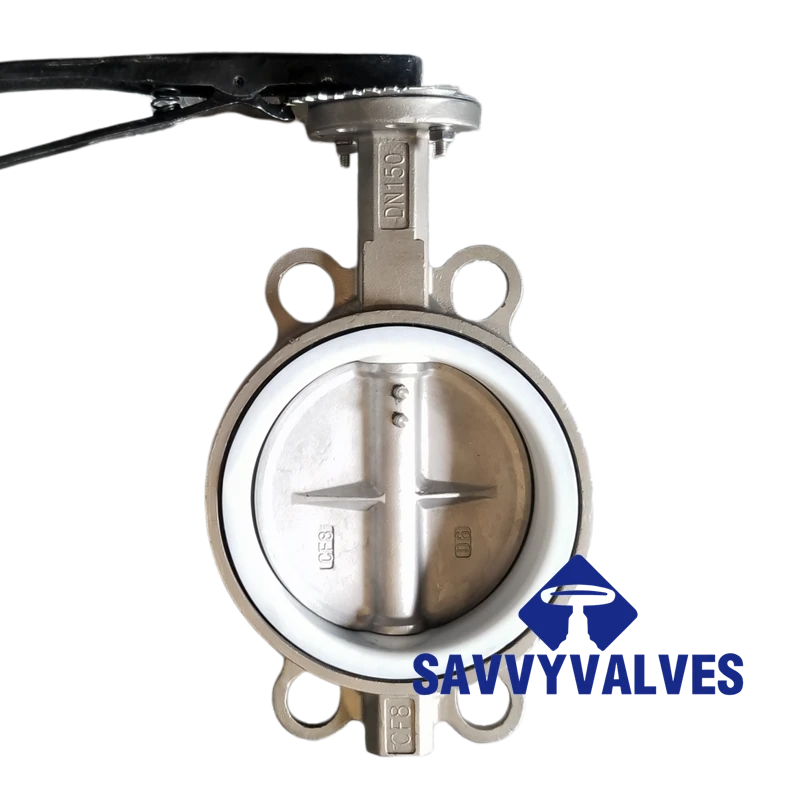
Having spent quite a few years in the industrial equipment sector, I’ve always admired the humble yet incredibly versatile stainless steel flanged butterfly valve. Frankly, it’s one of those products that doesn’t grab headlines but quietly makes a huge difference in a lot of critical systems. You know, in plants handling corrosive fluids or in high-pressure environments, these valves are often the unsung heroes.
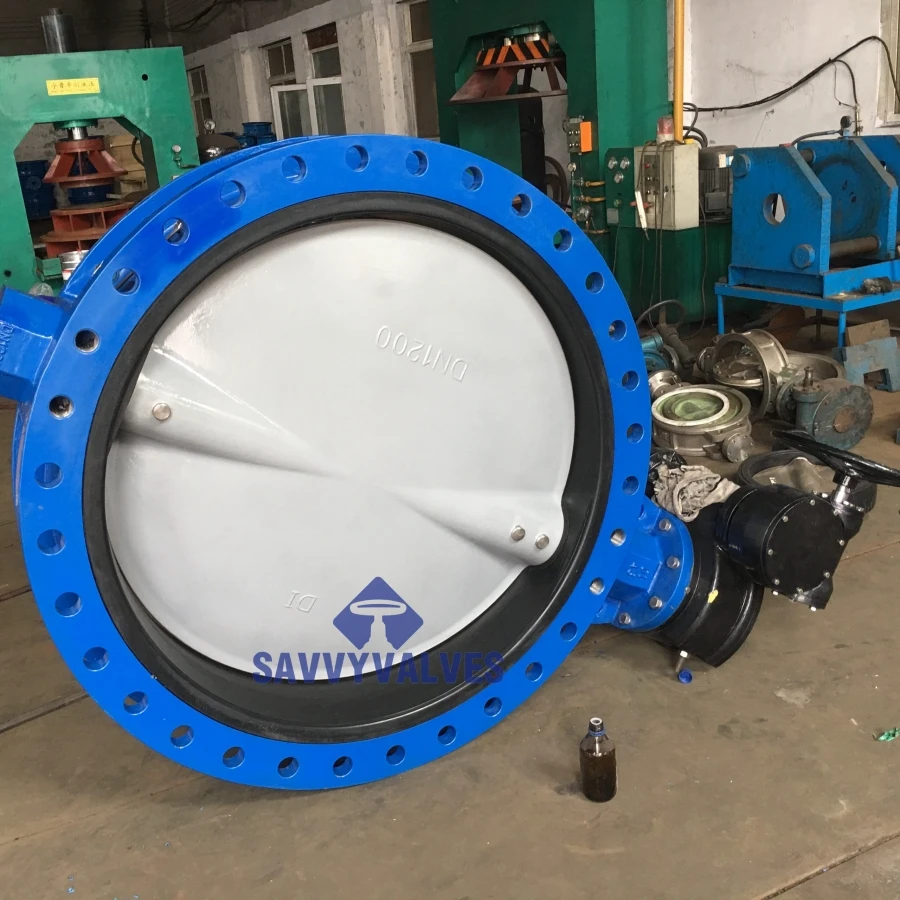
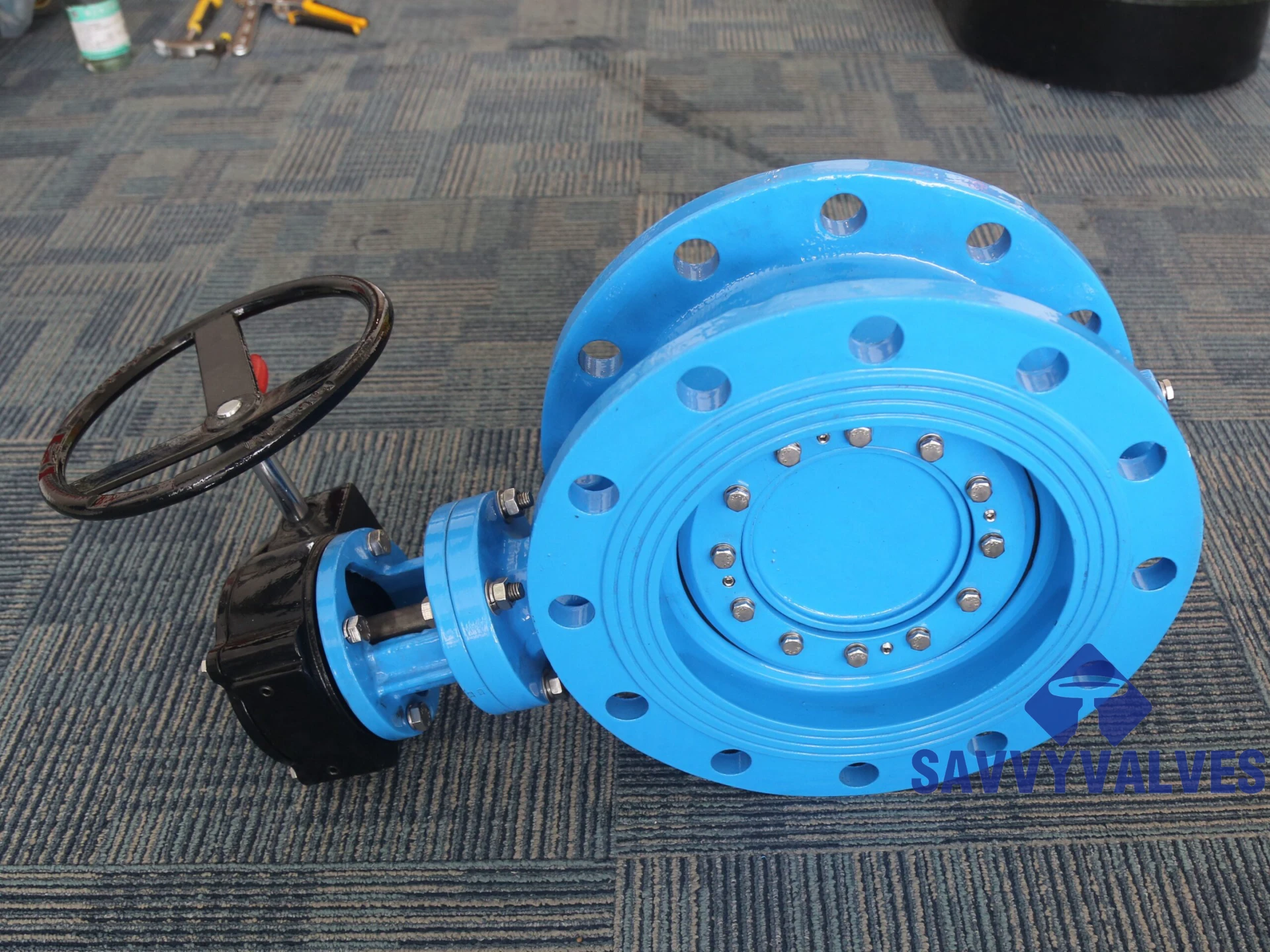
Butterfly valves, in general, are prized for their quick operation and compact size. But when you throw stainless steel and flanged ends into the mix, you get a valve that’s not only robust but also easier to install and maintain, especially in industrial piping networks. I recall once inspecting a petrochemical site where these valves had been running flawlessly for years—despite the harsh conditions. Their corrosion resistance combined with strong flange connections gave the engineers a lot of peace of mind.
What Makes Stainless Steel Flanged Butterfly Valves Stand Out?
At the heart of these valves lies their material and design. Stainless steel is a top choice because of its durability, chemical resistance, and relatively low maintenance demands. It’s especially important in applications involving acids, salts, or steam. The flanged connection, on the other hand, provides a secure fit with pipelines, simplifying installation and offering excellent sealing capabilities—something that pipefitters often swear by.
You might wonder how these valves fare timing-wise. Well, the butterfly mechanism works on a quarter-turn principle, so you get fast open-close cycles. It’s kind of like flipping a light switch on and off, but for fluid flow. That quick action translates into better process control and less wear over time, compared to other valve types.
Specifications That Matter
| Specification | Details |
|---|---|
| Material | 304/316 Stainless Steel |
| Connection Type | Flanged (ANSI/ASME B16.5) |
| Pressure Rating | Class 150, 300, 600 |
| Size Range | 2" to 24" (DN50 to DN600) |
| Temperature Range | -20°C to 200°C |
| Seal Type | EPDM, Viton, or PTFE |
Vendor Comparison at a Glance
Choosing the right supplier for these valves can be tricky. Aside from price, you need to factor in certifications, lead time, and support—which can vary widely. Oddly enough, some vendors focus heavily on customization but lack robust after-sales service, while others are quick but have limited size ranges.
| Vendor | Certification | Lead Time | Customization | Support |
|---|---|---|---|---|
| Savvy Valve Tech | ISO 9001, API 609 | 2-3 weeks | High (custom sizes and trims) | Excellent, 24/7 |
| ValvePro Solutions | API 609 | 4-6 weeks | Medium | Good, business hours |
| FlowTune Inc. | ISO 9001 | 3-4 weeks | Low | Limited |
One thing I’ve noticed is how critical proper testing is for these valves. Factory hydrostatic tests, seat leakage tests, and torque tests are standard, but you want to be sure your chosen valve has the documentation to back it up. Many engineers I know will only accept valves with traceable certificates. It’s that trust factor you can’t overlook.
Oh, and customization—yeah, that’s a biggie. Whether it’s special seat materials for aggressive chemicals or custom sizes for unique piping layouts, your supplier’s flexibility can save days in project schedules. A friend working in wastewater treatment once mentioned how a small change in seal type from EPDM to Viton made all the difference in longevity and maintenance intervals.
In real terms, a great stainless steel flanged butterfly valve is more than just a valve—it’s an investment in reliability. When you’re choosing one, be sure to consider your application’s specifics, from pressure ranges to chemical compatibility. And frankly, don’t underestimate the value of a trusted vendor who stands behind their product.
All things considered, if you want a valve that balances durability, ease of installation, and operational efficiency, stainless steel flanged butterfly valves are certainly worth a look.
Quick takeaway: In the maze of valve options, simplicity combined with durability wins out more often than not.
References:
1. API 609 Standard for Butterfly Valves
2. Materials for Corrosion Resistance, ASM Handbook Vol. 13
3. Experience-based insights from industrial valve field work


 English
  Arabic
  Azerbaijani
  Czech
Czech  Dutch
Dutch  French
  German
  Indonesian
  Italian
  Japanese
  Korean
  Malay
Malay  Persian
  Polish
  Portuguese
  Russian
  Spanish
  Thai
Thai  Vietnamese