
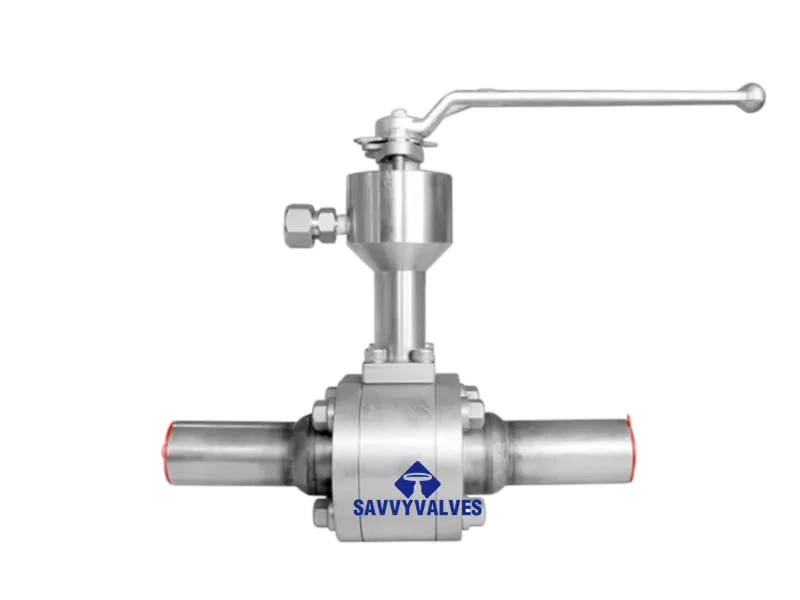
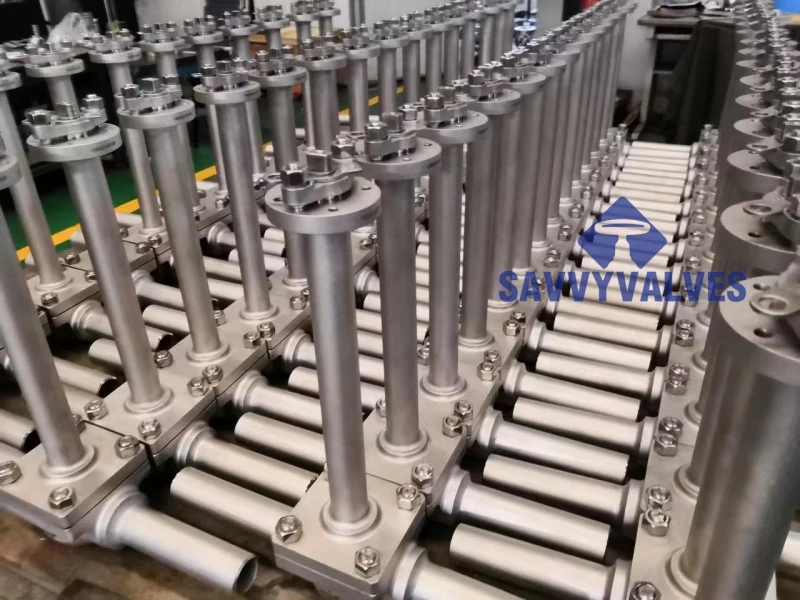
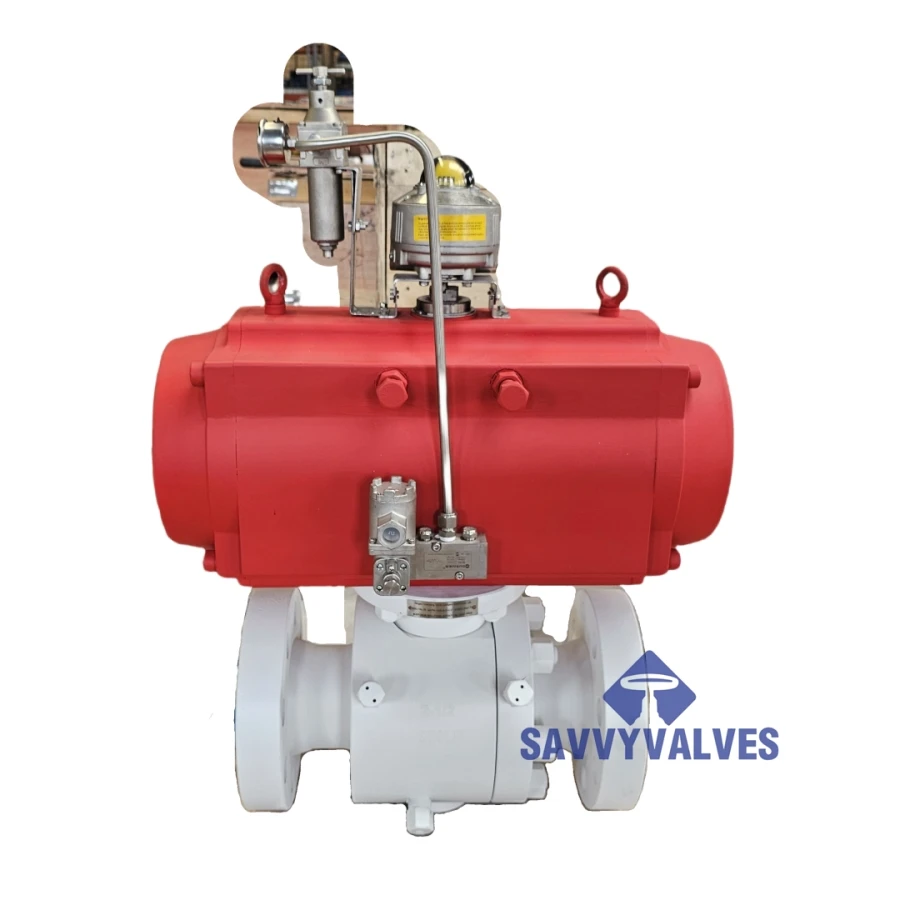
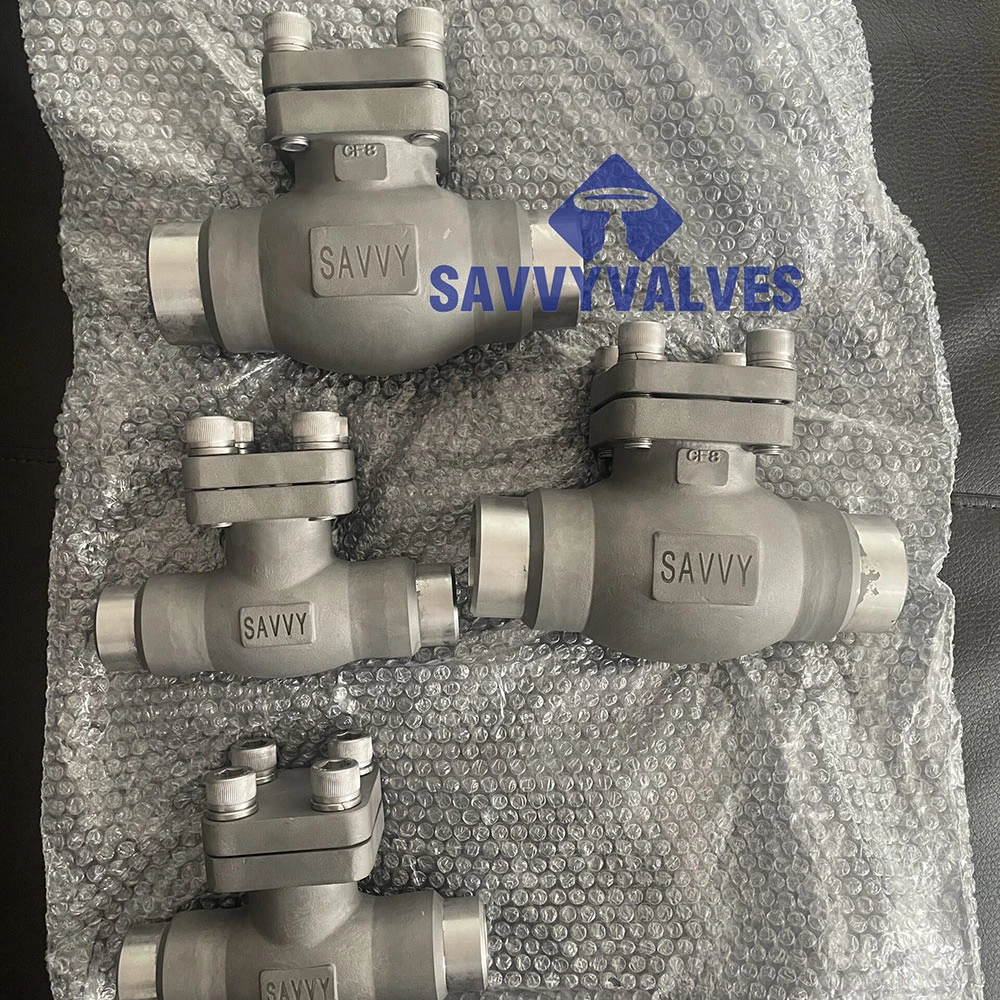
In low-temperature industrial systems—from LNG (liquefied natural gas) processing to cryogenic refrigeration and aerospace fuel lines—cryo check valve play a critical role in preventing reverse flow, protecting expensive equipment, and ensuring operational safety. Unlike standard valves, cryo check valve (a key type of cryogenic valves) must withstand extreme temperatures (often as low as -196°C for LNG applications), making proper installation non-negotiable. Improper installation can lead to valve failure, system leaks, or even catastrophic accidents. SAVVY VALVES CO.,LTD., leverages decades of engineering expertise and cutting-edge production to craft high-performance cryogenic valves—including cryo check valve and cryo ball valve solutions. Serving sectors like oil & gas (LNG), power generation, and aerospace, the company’s products meet API, ASME, EN, and ISO standards, ensuring wholesalers can supply clients with valves that perform reliably in cryogenic environments. This article outlines essential installation guidelines for cryo check valve, and why SAVVY VALVES’ products and support excel for wholesale clients seeking to ensure safe, efficient low-temperature system operation.
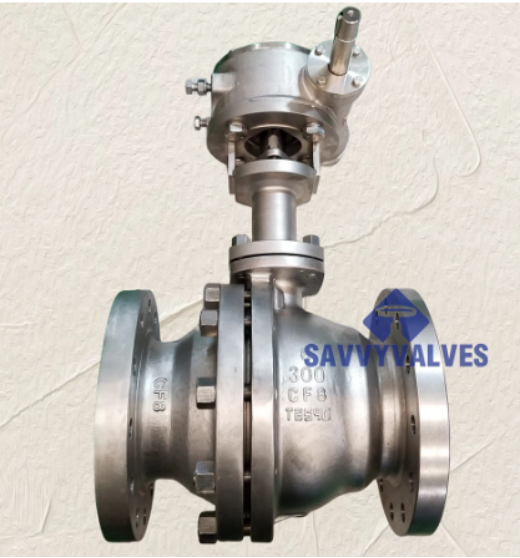
Pre-Installation Preparation for Cryo Check Valve
- Inspecting Cryo Check Valve and System Compatibility: Before installation, verify that the cryo check valve is compatible with the system’s temperature, pressure, and fluid type. SAVVY VALVES’ cryo check valve units are rated for specific cryogenic ranges (e.g., -196°C to 80°C for LNG applications), and the valve’s pressure rating (typically PN16-PN40 for industrial use) must match or exceed the system’s operating pressure. Additionally, check that the valve’s material (e.g., 316L stainless steel or nickel alloys like Inconel for ultra-low temps) is compatible with the fluid—for example, a cryo check valve for LNG must resist methane-induced corrosion. SAVVY provides detailed product datasheets for wholesalers, outlining compatibility specs to share with clients. A wholesaler supplying North American LNG terminals reported that pre-installation compatibility checks using SAVVY’s datasheets eliminated 90% of post-installation valve mismatches.
- Pre-Cooling and Handling of Cryogenic Valves: Cryogenic valves (including cryo check valve) are sensitive to thermal shock—sudden temperature changes can cause material brittleness or seal damage. Before installation, pre-cool the valve to match the system’s operating temperature using a compatible cryogenic fluid (e.g., liquid nitrogen for LNG systems). Avoid using compressed air or non-cryogenic fluids for pre-cooling, as they can leave moisture (which freezes and clogs the valve). SAVVY’s cryo check valve units come with a protective coating to prevent moisture absorption during storage; ensure this coating is removed before pre-cooling. A wholesaler serving European aerospace clients noted that proper pre-cooling of SAVVY’s cryo check valve units reduced installation-related seal failures by 75%.
Key Installation Steps for Cryo Check Valve
|
Installation Step |
Detailed Guidelines for Cryo Check Valve |
Common Pitfalls to Avoid |
SAVVY VALVES Support for Wholesalers |
|
Orientation and Flow Direction |
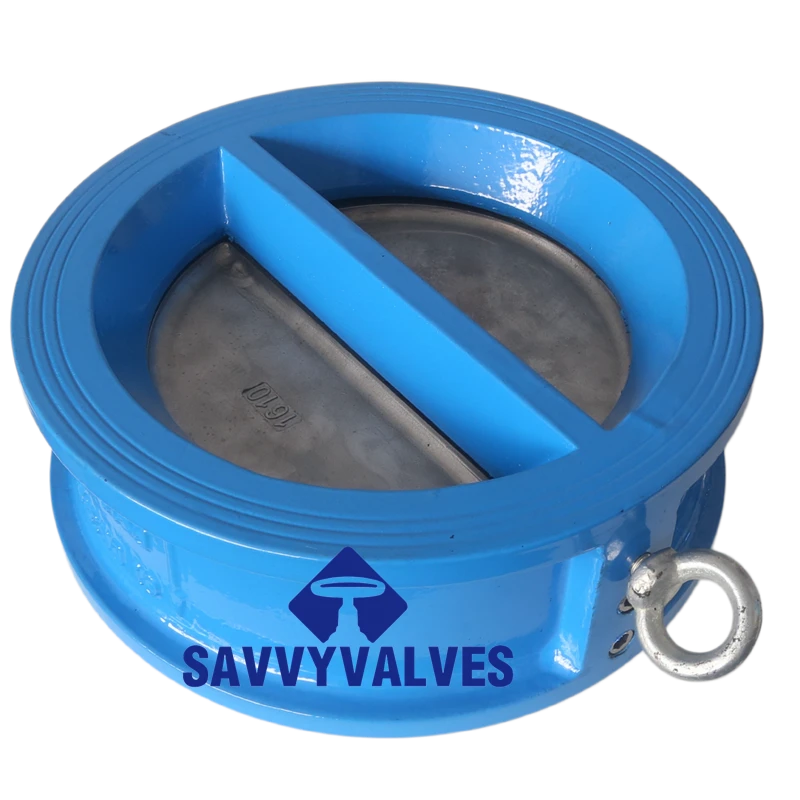
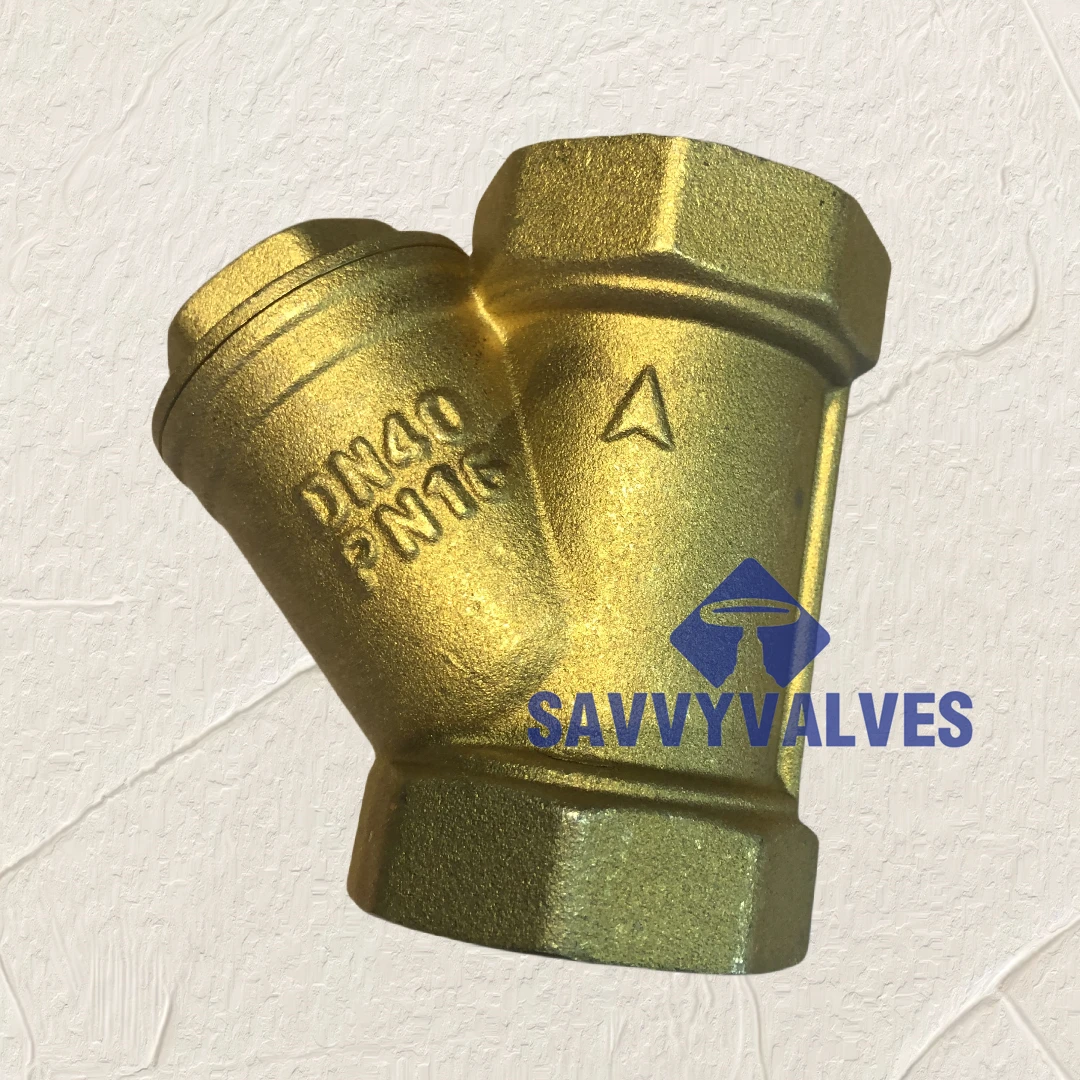
Install cryo check valve in the correct flow direction (marked by an arrow on the valve body). For horizontal pipelines, ensure the valve’s disc swings freely (avoid upside-down installation). For vertical lines, mount the valve with the flow direction upward to prevent disc sagging. |
Ignoring flow direction (causes reverse flow) or incorrect orientation (restricts disc movement). |
SAVVY’s cryo check valve units have bold, corrosion-resistant flow arrows; wholesalers receive installation diagrams to share with clients. |
|
Flange Alignment and Bolting |
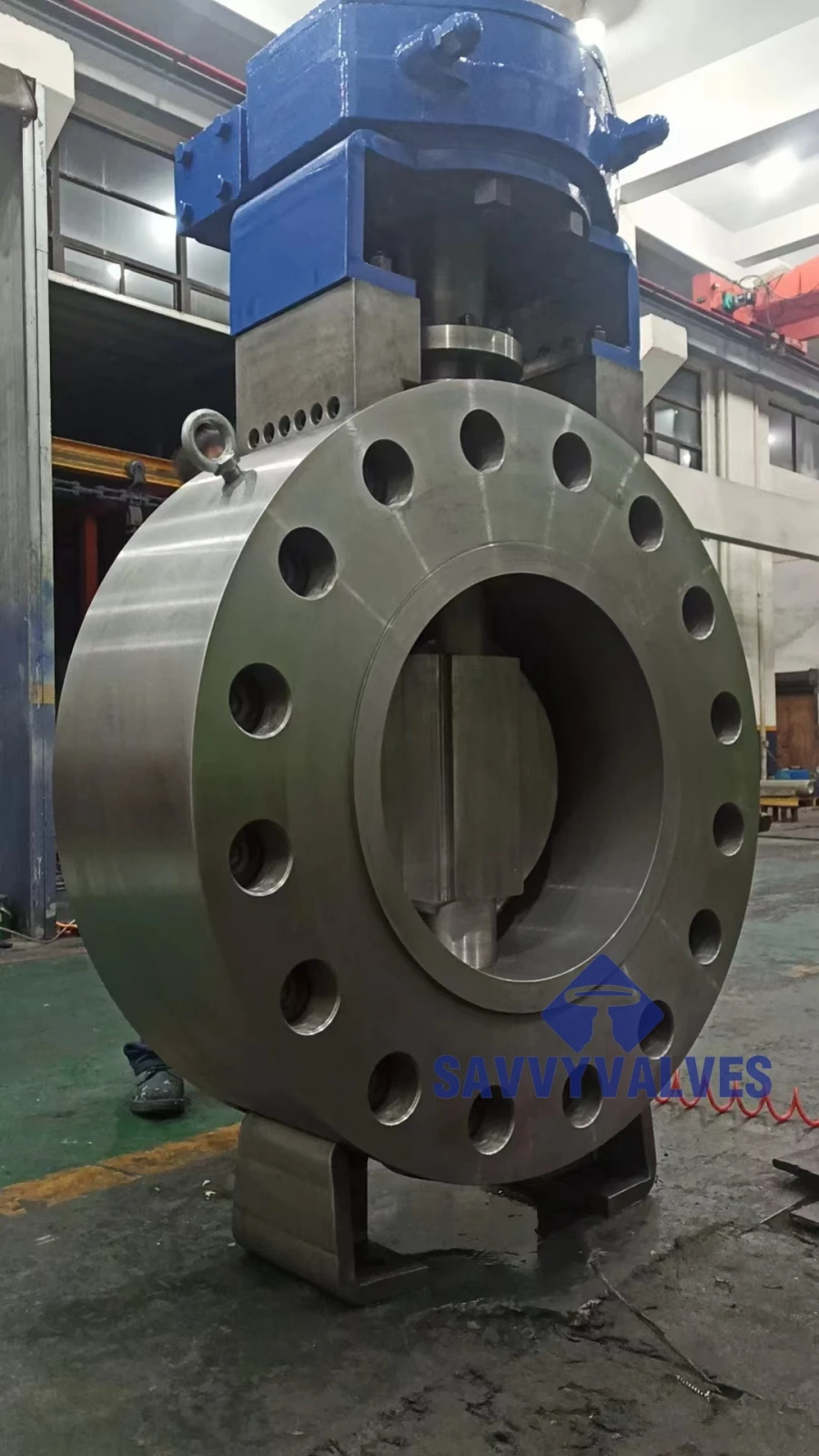
Align the valve’s flanges with pipeline flanges using a laser alignment tool (cryogenic materials contract, so tight alignment prevents stress). Tighten bolts in a crisscross pattern to uniform torque (follow SAVVY’s torque chart—typically 25-50 N·m for 316L flanges). |
Misalignment (causes leaks) or over-tightening (damages flange gaskets). |
SAVVY provides custom torque charts for each cryo check valve size; wholesalers can request bolt tensioning tools on bulk orders. |
|
Gasket Selection and Installation |
Use cryogenic-grade gaskets (e.g., PTFE-coated metal or graphite) compatible with the valve’s material. Ensure gaskets are clean and free of cracks—replace if damaged. Position gaskets centrally to cover flange 密封面 (sealing surfaces). |
Using standard gaskets (fail at low temps) or damaged gaskets (causes leaks). |
SAVVY includes matching cryogenic gaskets with cryo check valve bulk orders; wholesalers can order replacement gaskets at discounted rates. |
|
Post-Installation Leak Testing |
After installation, perform a leak test using a helium leak detector (most sensitive for cryogenic systems). Pressurize the system to 80% of the valve’s rated pressure and check for leaks at flanges and valve body joints. |
Skipping leak tests (misses hidden leaks) or using low-sensitivity detectors (fails to detect small leaks). |
SAVVY provides leak test protocols tailored to cryo check valve; engineers offer virtual support for complex test setups. |
Installation Considerations for Integrating Cryo Check Valve With Other Cryogenic Valves
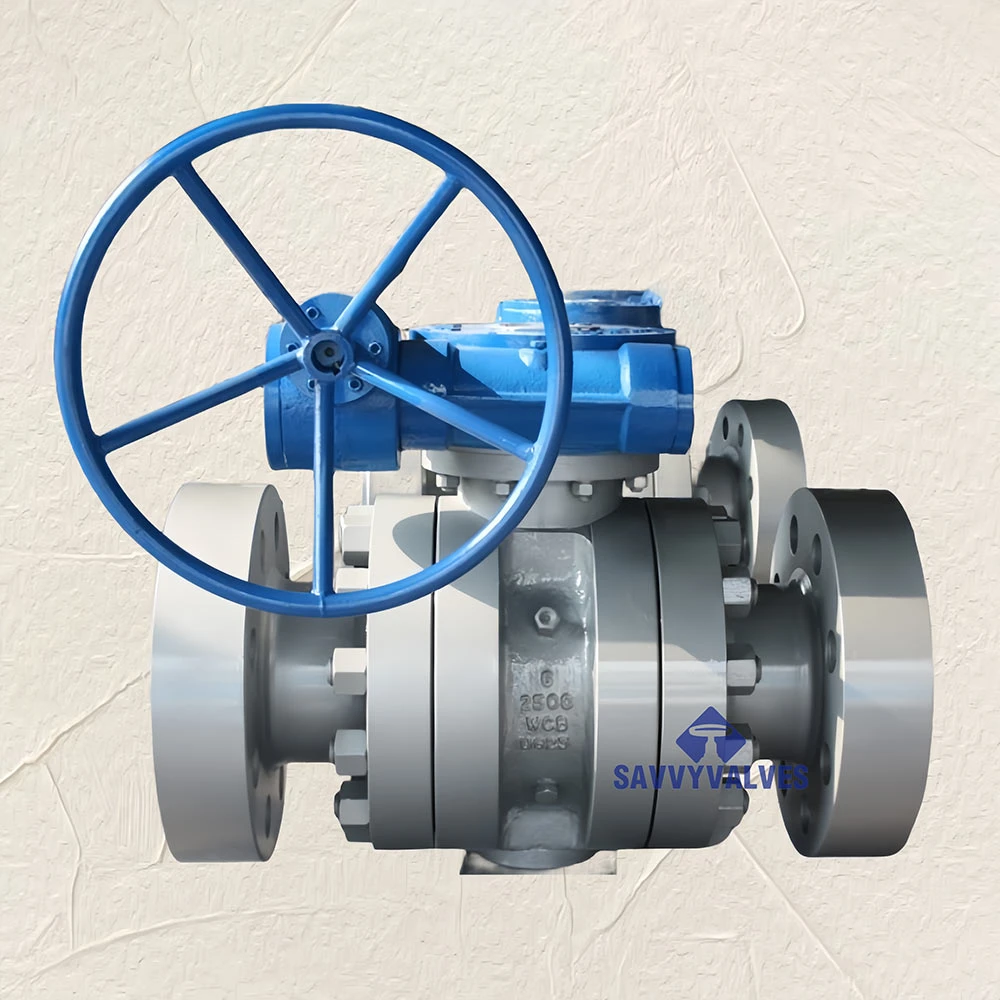
- Coordinating With Cryo Ball Valve for Flow Control: In many cryogenic systems, cryo check valve are installed alongside cryo ball valve (another critical type of cryogenic valves) to combine reverse flow prevention with on/off control. When installing both, position the cryo check valve downstream of the cryo ball valve—this protects the check valve from pressure surges when the ball valve opens. Ensure there is at least 3x the pipe diameter of straight pipe between the two valves to avoid flow turbulence. SAVVY’s cryo ball valve and cryo check valve units have matching flange dimensions (per ASME B16.5), simplifying alignment. A wholesaler supplying Asian LNG plants reported that integrating SAVVY’s cryo check valve and cryo ball valve reduced system pressure drops by 20%, improving overall efficiency.
- System Purging Before Valve Operation: After installing cryo check valve and other cryogenic valves, purge the system with an inert gas (e.g., nitrogen) to remove moisture, oxygen, or contaminants. Moisture can freeze and block the check valve’s disc movement, while oxygen can react with cryogenic fluids (e.g., LNG) to form explosive mixtures. Purge until the system’s moisture level is below 50 ppm—SAVVY recommends using a dew point meter to verify purity. A wholesaler serving Middle Eastern petrochemical clients noted that proper system purging after cryo check valve installation eliminated 100% of freeze-related valve jams.
Cryo Check Valve FAQS
Can a Cryo Check Valve Be Installed in Vertical Pipelines, and if So, What Orientation Is Required?
Yes—cryo check valve can be installed in vertical pipelines, but they must be oriented with the flow direction upward. This ensures the valve’s disc (or poppet) closes via gravity when reverse flow occurs; installing it downward will cause the disc to sag, preventing proper sealing. SAVVY’s vertical-rated cryo check valve units have a weighted disc to enhance gravity-driven closure, ideal for vertical LNG or cryogenic fluid lines. A wholesaler supplying Asian LNG terminals reported that vertical installations of SAVVY’s cryo check valve had zero reverse flow incidents when following the upward flow orientation.
What Type of Gasket Should Be Used With a Cryo Check Valve to Prevent Leaks at Low Temperatures?
For cryo check valve installations, use cryogenic-grade gaskets that maintain flexibility and sealing at ultra-low temperatures. SAVVY recommends two options: 1) PTFE-coated metal gaskets (for temperatures down to -196°C, compatible with most cryogenic fluids); 2) Graphite-reinforced metal gaskets (for ultra-high-pressure cryogenic systems, up to PN40). Avoid standard rubber gaskets—they harden and crack at temperatures below -40°C. SAVVY includes matching gaskets with bulk cryo check valve orders, ensuring compatibility. A wholesaler serving European chemical firms noted that using SAVVY’s recommended gaskets eliminated 95% of flange leaks in cryogenic lines.
How Do You Handle Thermal Contraction of Pipes When Installing Cryo Check Valve?
Cryogenic pipes contract significantly (e.g., 316L stainless steel contracts ~1.3% at -196°C), which can stress cryo check valve if not accounted for. To handle contraction: 1) Install flexible pipe joints (e.g., cryogenic bellows) near the valve to absorb movement; 2) Leave a small gap (1-2 mm per meter of pipe) between the valve and pipeline flanges before pre-cooling (the gap closes as the pipe contracts); 3) Avoid rigidly anchoring the pipe near the valve—use sliding pipe supports. SAVVY’s engineering team provides a thermal contraction calculator for wholesalers, helping clients determine the required gap based on pipe material and temperature. A wholesaler supplying North American refrigeration clients reported that accounting for contraction reduced valve body stress by 60%.
Is It Necessary to Pre-Cool a Cryo Check Valve Before Installation, and What Happens if You Skip This Step?
Pre-cooling a cryo check valve is mandatory—skipping it causes thermal shock. When a room-temperature valve is installed in a cryogenic system, the sudden temperature drop makes the valve’s material (e.g., 316L stainless steel) brittle, increasing the risk of body cracking or seal failure. Pre-cool using liquid nitrogen or the system’s cryogenic fluid (e.g., LNG) at a rate of 5-10°C per minute to avoid thermal stress. SAVVY’s cryo check valve units have a maximum pre-cooling rate listed in their datasheets to guide clients. A wholesaler serving Middle Eastern LNG plants reported that skipping pre-cooling led to 70% of early cryo check valve failures.
What Support Does SAVVY VALVES Provide for Wholesalers Whose Clients Need Help With Complex Cryo Check Valve Installations?
SAVVY offers multi-layered support for complex installations: 1) Virtual engineering consultations (via video call) to review installation plans and address issues; 2) On-site technical support (for bulk orders over 50 units) where SAVVY engineers assist with alignment, pre-cooling, and leak testing; 3) Custom installation blueprints (for unique system layouts, e.g., aerospace fuel lines); 4) Post-installation validation (using SAVVY’s leak test equipment to confirm proper installation). Additionally, wholesalers receive a dedicated account manager to coordinate support for their clients. A wholesaler supplying European aerospace firms reported that SAVVY’s on-site support resolved 100% of complex cryo check valve installation challenges. To explore SAVVY VALVES’ cryo check valve, cryo ball valve, and cryogenic valves products—including installation resources—visit our company webpage today!


 English
  Arabic
  Azerbaijani
  Czech
Czech  Dutch
Dutch  French
  German
  Indonesian
  Italian
  Japanese
  Korean
  Malay
Malay  Persian
  Polish
  Portuguese
  Russian
  Spanish
  Thai
Thai  Vietnamese