
Understanding the Metal to Metal Butterfly Valve
Having spent a good chunk of my career dealing with industrial valves, I can honestly say the metal to metal butterfly valve is one of those unassuming workhorses you occasionally overlook. Yet, in real terms, it’s a staple for countless heavy-duty operations where durability and reliability are non-negotiable.
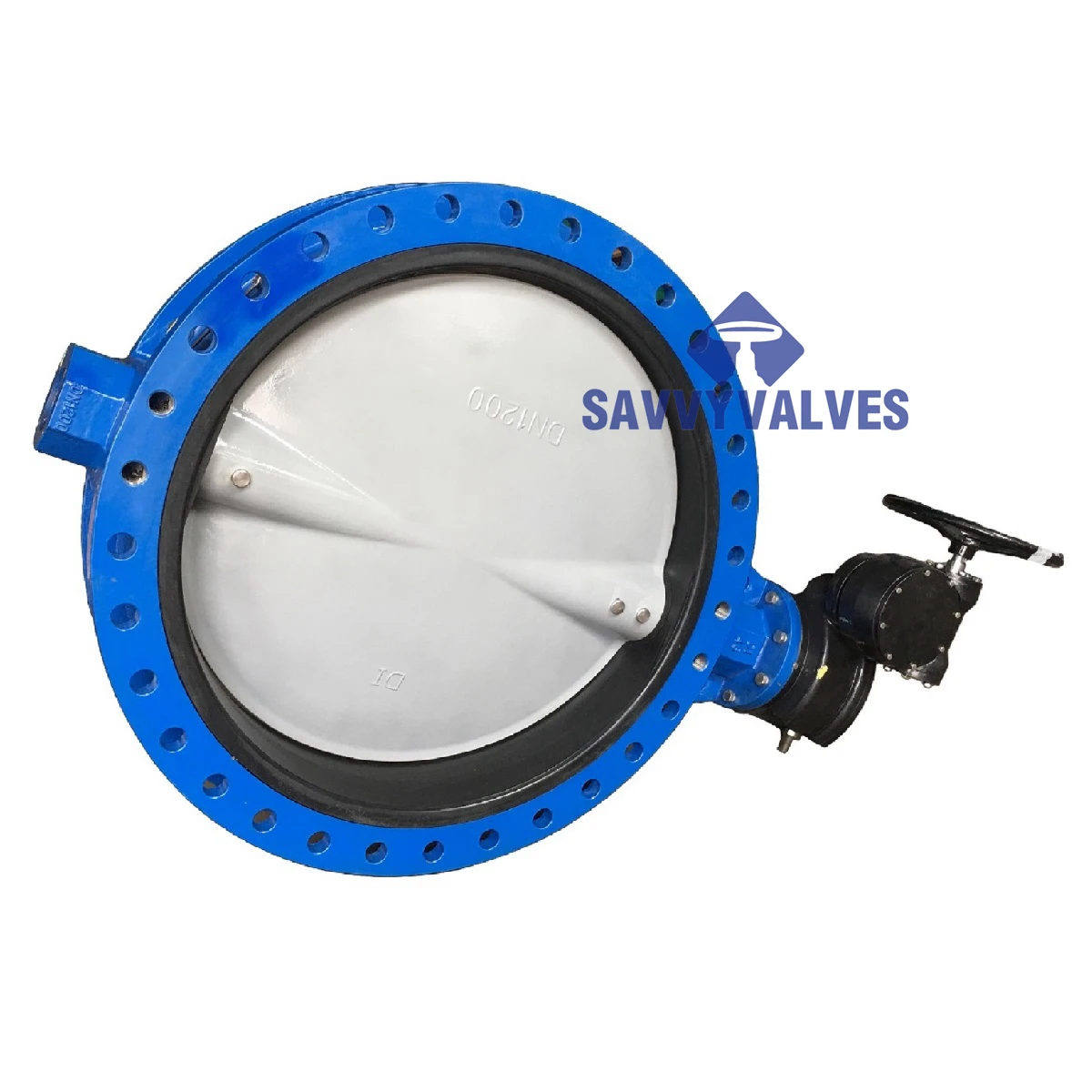
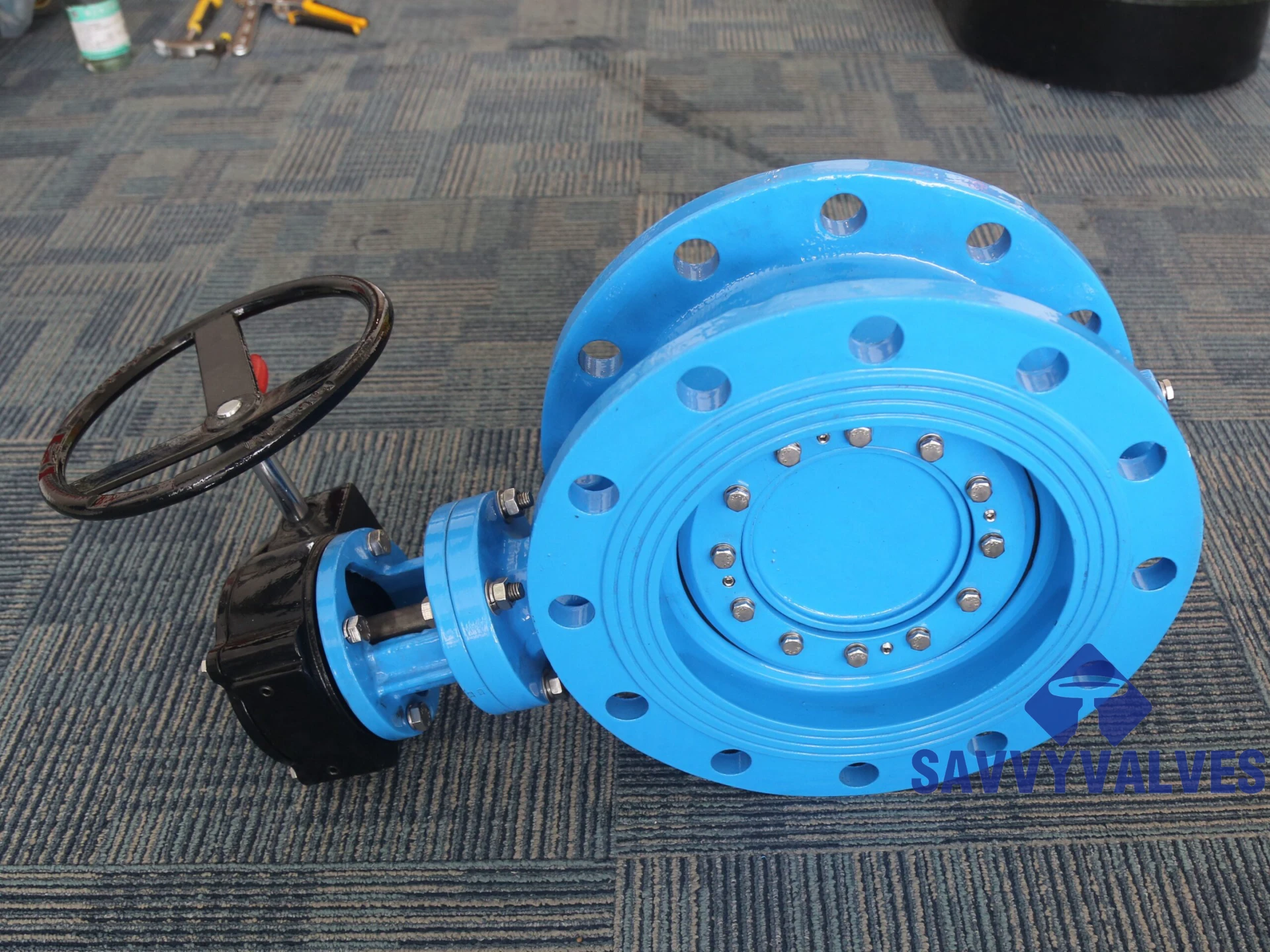
What sets metal to metal butterfly valves apart? Well, they use metal seats and discs that interface directly — no soft seals here. This design choice often raises eyebrows, especially if you’re used to elastomer-seated valves, but oddly enough, it offers some distinct advantages in certain industrial environments.
First off, think about high-temperature applications. Rubber or polymer seats degrade when things get too hot, but metal seats can withstand extreme heat without serious wear. So in furnaces, steam lines, or petrochemical plants, metal to metal valves aren’t just a choice; they’re often the only viable option.
Then there’s the issue of chemical resistance. Metals like stainless steel or special alloys can resist corrosive media better than many elastomers, though this depends heavily on your exact fluid. You’ll want to verify materials carefully — no guessing here. Many engineers I know insist on detailed chemical compatibility checks before finalizing valve specs.
Having worked with vendors in this space, I’ve noticed the customization tends to be quite flexible. You can select disc and seat alloys to suit your process needs, and some manufacturers offer hardened coatings that extend life even further. Honestly, I always recommend trying to match the valve materials with your system’s fluid and temperature profile—no shortcuts.
Product Specifications at a Glance
| Specification | Details |
|---|---|
| Body Material | Carbon Steel / Stainless Steel / Alloy Steel |
| Seat Type | Metal-to-Metal |
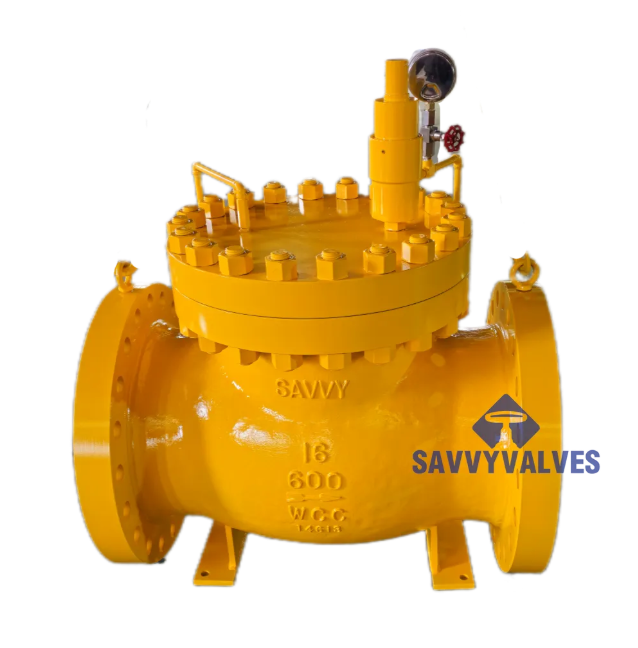
| Pressure Rating | ANSI Class 150 up to Class 600 |
| Temperature Range | -29°C to 540°C (-20°F to 1000°F) |
| End Connections | Flanged, Wafer, Lug |
Comparing Leading Vendors of Metal to Metal Butterfly Valves
| Vendor | Material Options | Pressure Ratings | Special Features |
|---|---|---|---|
| Savvy Valve Tech | Carbon Steel, Alloy 20, Duplex SS | 150 - 600# ANSI | Custom coatings & precision machining |
| Metroflow Valves | Carbon Steel, SS316 | 150 - 300# | Quick lead times, moderate customization |
| Duratech Industries | Alloy Steel, Inconel | 300 - 900# | Extreme environment suitability |
One thing I noticed working through a recent refinery project was how much the valve’s metal-to-metal design reduced downtime. The operator told me, "We used to replace seats every year with soft-seated valves; now it’s been nearly three years, and the valves are still solid." That kind of reliability is priceless when you’re juggling multiple deadlines and ongoing maintenance work.
Of course, these valves aren’t the perfect fit for every scenario. You might sacrifice a bit of sealing tightness compared to resilient seat designs, especially when dealing with gases or low-viscosity fluids that leak easily. But honestly, many engineers consider that a reasonable tradeoff given the durability gains.
In summary, if your application involves high temperature, pressure, or potentially abrasive or corrosive fluids, a metal to metal butterfly valve is worth serious consideration. It feels like a slightly rugged solution, but one with a proven track record — especially if you partner with a knowledgeable vendor who can help tailor specs to your needs.
And hey, if you’re scouting for a solid supplier, Savvy Valve Tech consistently delivers quality metal to metal butterfly valves with customization options that I’ve personally seen work well in industry trials.
So, whether you’re upgrading an existing line or specifying valves for a new plant, keep this type in your toolkit. It might not be flashy, but it’s dependable — and frankly, I can’t say that about too many industrial components these days.
Quick Takeaway: Metal to metal butterfly valves balance toughness with performance when conditions are demanding. A pragmatic choice with a long history.
References:
1. API Standards for Butterfly Valves
2. "Industrial Valve Technology and Applications" – Smith & Co.
3. Savvy Valve Tech Product Datasheets and Case Studies (2023)


 English
  Arabic
  Azerbaijani
  Czech
Czech  Dutch
Dutch  French
  German
  Indonesian
  Italian
  Japanese
  Korean
  Malay
Malay  Persian
  Polish
  Portuguese
  Russian
  Spanish
  Thai
Thai  Vietnamese