
In the intricate, unseen networks of pipelines that power our modern world—from the water mains beneath our cities to the high-pressure steam lines in power plants and the vast hydrocarbon transmission systems spanning continents—maintaining consistent and safe pressure is not just an operational preference; it is an absolute necessity. Uncontrolled pressure can lead to catastrophic consequences: burst pipes, damaged equipment, inefficient processes, and significant safety hazards. Standing as the first line of defense against these dangers is a remarkably sophisticated and autonomous device: the pressure regulating valve. Often referred to in specific contexts as a water pressure regulator or, more precisely, a pressure reducing valve, this device performs a critical function with elegant simplicity and robust reliability.
Savvy Valves combines decades of engineering expertise with cutting-edge production capabilities to deliver high-performance, reliable valve solutions for the world's most demanding applications. Our pressure control valves are engineered to perform under extreme conditions, ensuring uninterrupted operation in mission-critical systems from the Seawater Desalination System in the UAE to the Crude Oil Transportation projects we have supported.
Key Internal Components and Their Roles in a Pressure Regulating Valve
The elegant principle of force balance is brought to life through a series of precision-engineered components. Each part plays a critical role in ensuring the accuracy, responsiveness, and durability of the pressure regulating valve.
- The Body and Bonnet:This is the pressure-containing vessel of the valve.
- The Diaphragm or Piston:This is the "sensing element" and the primary actuator. A diaphragm, typically made of a flexible elastomer, is highly sensitive and is often used in cleaner services. A piston, made of metal and sealed with rings, is more robust and suitable for dirty or high-pressure applications where a diaphragm might be prone to failure.
- The Control Spring:This is the "brain" of the operation, defining the set point. The adjustable spring is calibrated so that turning the adjustment bolt compresses or decompresses the spring, thereby increasing or decreasing the set pressure.
- The Main Plug and Seat (Trim):These are the components that physically create the restriction and pressure drop. The plug moves towards or away from the seat to modulate the flow area. In services with high pressure drops, the velocity of the fluid can cause cavitation and erosion.
- The Sense Line:This is a small internal passage or external tube that communicates the downstream pressure to the chamber above the diaphragm. It is the vital feedback link that closes the control loop, allowing the diaphragm to "feel" the results of its adjustments.
Industrial Applications: Beyond the Basic Water Pressure Regulator
While the residential water pressure regulator is a familiar example, the scope of pressure regulating valve technology extends far into heavy industry, where the scales of pressure, temperature, and flow are immensely larger. In these contexts, the valve is not just a convenience; it is a cornerstone of process safety and efficiency.
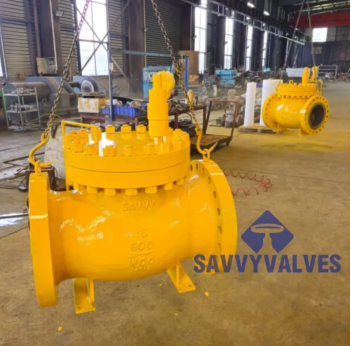
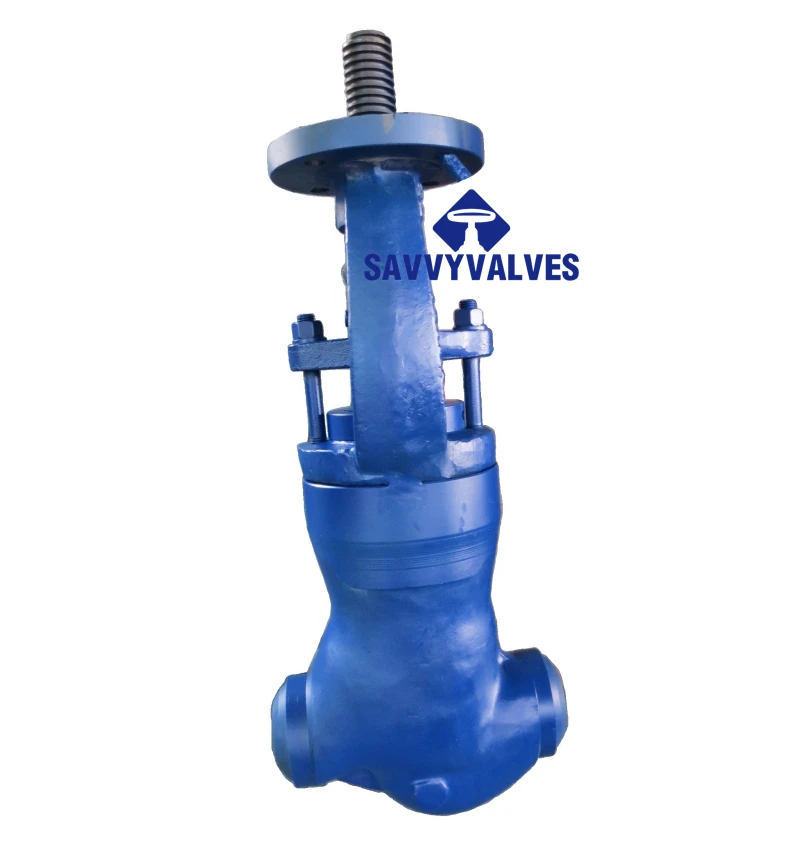
- TheOil and Gas Industry is a major user of sophisticated pressure control solutions. A pressure reducing valve might be used to control the pressure of fuel gas supplied to power plant turbines, ensure stable pressure for burner lines in furnaces, or reduce the pressure from a high-pressure transmission line to a lower-pressure distribution network. The 16" 600lb pressure regulating valve mentioned in our product specifications is a prime example of a valve built for such a high-capacity, high-integrity role, perhaps on a main pipeline supplying a refinery or terminal.
- Power Generationplants, whether conventional thermal or nuclear, use these valves to control feedwater pressure, instrument air pressure, and cooling water pressure. Precise pressure control is essential for the efficiency and safety of turbines and boilers.
Pressure Regulating Valves:Design Variations, Material Science, and Customization
Not all pressure control challenges are the same, and therefore, not all pressure regulating valves are identical. The basic design is adapted and enhanced with specific features to meet a vast range of operational requirements.
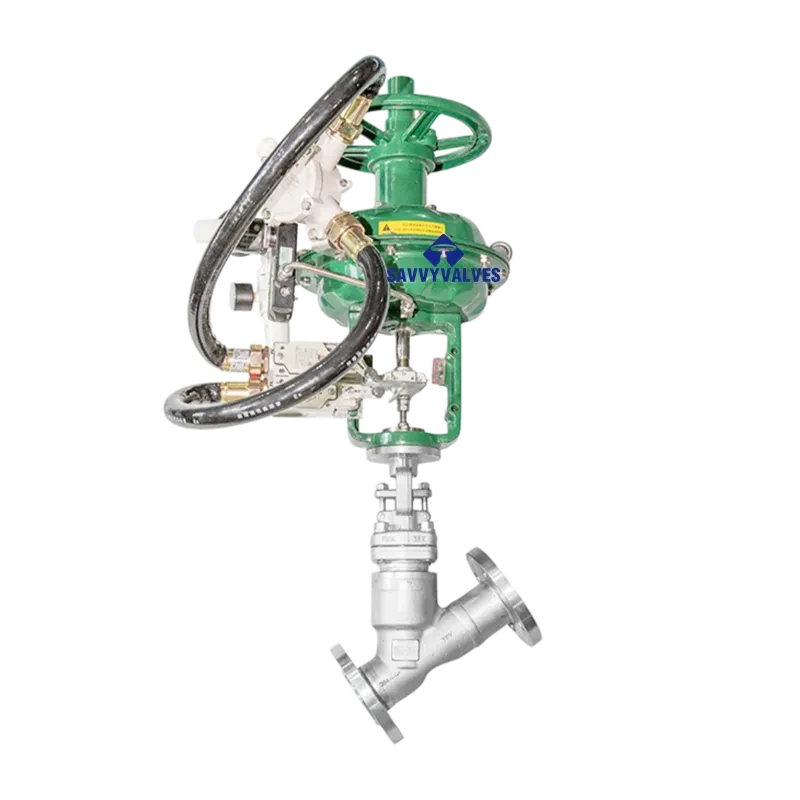
- A key design differentiator is the use of a pilot-operated systemversus the direct-acting design described earlier. In a direct-acting valve, the main spring provides the majority of the force to position the main valve. This design is simple and effective for smaller valves and less variable flows.
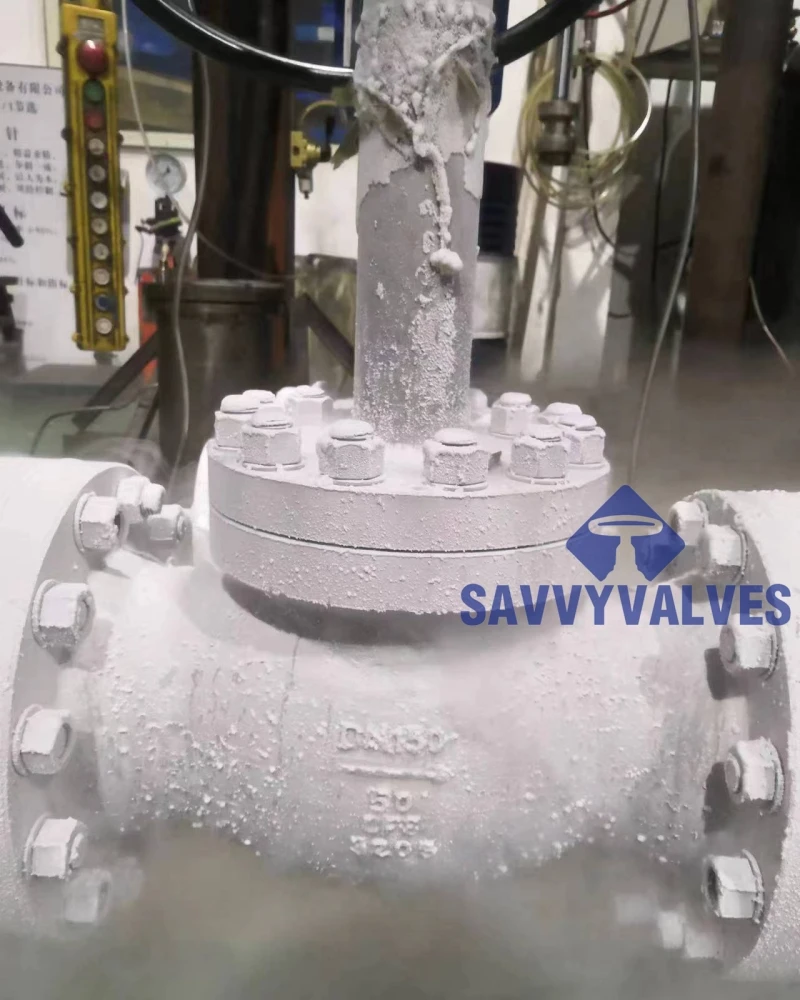
- Material selection is another critical area of customization. The standard body material of ASTM A216 WCC carbon steel is excellent for general water, oil, and gas services.
- Furthermore, valves can be designed for specific safety functions.
FAQs About Pressure Regulating Valves
What is the difference between a pressure reducing valve and a pressure relief valve?
This is a fundamental distinction. A pressure reducing valve is a "regulating" device. It is constantly active, modulating its opening to maintain a steady downstream pressure under varying flow conditions. It works continuously during normal operation. A pressure relief valve (or safety valve), on the other hand, is a "protection" device. It remains closed during normal operation and only opens fully when a preset upstream pressure is exceeded, venting fluid to prevent a dangerous overpressure situation. It acts as a last line of defense.
Where should a water pressure regulator be installed?
A water pressure regulator is typically installed at the point where the water service enters the building, downstream of the main shut-off valve. This ensures that all plumbing and appliances within the entire building are protected by the regulator.
What are the signs that a pressure regulating valve is failing?
Common symptoms of a failing pressure regulating valve include fluctuating water pressure at fixtures, excessively high or low downstream pressure that cannot be corrected by adjustment, a hammering or chattering noise in the pipes, and visible leaking from the valve body or vent port. A failure to reduce pressure from the inlet to the outlet is a clear sign that the internal components, such as the diaphragm, piston, or seat, are worn or damaged.
Can a pressure reducing valve be installed in any orientation?
While some modern valves are more tolerant, it is generally recommended to install a pressure reducing valve in a horizontal pipe with the actuator (the top part containing the spring and diaphragm) in a vertical, upright position. This ensures that the moving parts are not affected by gravity or potential debris settlement in the pipeline, which could hinder their movement and cause inaccurate control or failure.
What Is A 16″ 600lb Pressure Regulating Valve Used For?
A 16″ 600lb pressure regulating valve is designed to control and maintain a consistent downstream pressure in large-scale industrial pipeline systems. It is commonly used in applications such as oil and gas, power plants, chemical processing, and water treatment where high-pressure flow needs to be stabilized for safety and operational efficiency.
Selecting and maintaining the correct pressure reducing valve is a critical decision. It requires a deep understanding of the system's requirements and a trust in the manufacturer's ability to deliver a product that will perform reliably for years. This is where the expertise and commitment of a dedicated partner become invaluable. Savvy Valves – Engineering Excellence in Valve Solutions for Global Industries – has built its three-decade reputation on providing this exact combination of technical expertise and manufacturing excellence. Our proven track record in major global projects, our certified compliance with the highest international standards, and our commitment to extended service life through advanced materials and strict quality control make us more than just a supplier.


 English
  Arabic
  Azerbaijani
  Czech
Czech  Dutch
Dutch  French
  German
  Indonesian
  Italian
  Japanese
  Korean
  Malay
Malay  Persian
  Polish
  Portuguese
  Russian
  Spanish
  Thai
Thai  Vietnamese