
Control valves—including standard control valve models and high-performance hydraulic control valve variants—are the backbone of flow regulation in industries like oil & gas, petrochemicals, and power generation. Even the most durable control valves face common failures over time, which can disrupt operations and lead to costly downtime. For wholesalers supplying these critical components, partnering with a manufacturer that designs for reliability and easy troubleshooting is essential. Savvy Valves Co., Ltd.—a globally recognized leader in industrial valve manufacturing (with expertise in API, ASME, and ISO-compliant solutions)—delivers exactly this: their control valves, control valve basics, and hydraulic control valve lines are engineered to minimize common failures, with precision components and corrosion-resistant materials. Serving sectors from water treatment to oil & gas, Savvy Valves is a trusted bulk partner for wholesalers seeking valves that reduce end-user maintenance headaches.
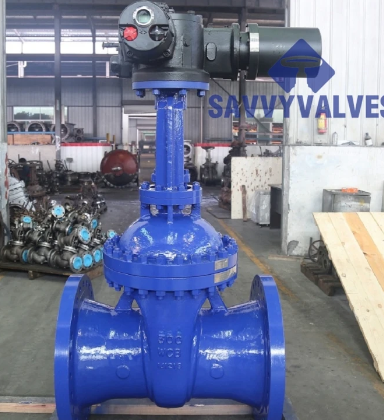
Actuator Failures in Hydraulic Control Valve
- Fluid Leaks in Hydraulic Control Valve: Hydraulic control valve (a subset of control valves) often fails due to hydraulic fluid leaks—typically from worn seals, loose fittings, or damaged hoses. Savvy Valves’ hydraulic control valve uses high-quality O-rings and reinforced hoses (meeting EN standards) that resist wear, but leaks can still occur from improper installation. For example, a loose fitting on a hydraulic control valve in a power plant can cause fluid loss, leading to slow actuation or complete failure. Unlike generic control valves with low-grade seals, Savvy’s design includes leak-resistant connections that are easy to inspect and tighten. Wholesalers can highlight this to clients, as reducing leaks lowers maintenance costs and extends valve life.
- Pressure Malfunctions in Control Valve: Standard control valve and hydraulic control valve rely on consistent pressure to operate—too low, and the valve won’t actuate; too high, and internal components wear prematurely. Pressure issues often stem from clogged filters (in hydraulic systems) or faulty pressure regulators. Savvy’s control valves include high-capacity filters with easy-to-access housings, letting teams clean or replace them quickly. For instance, a control valve in a petrochemical plant with low pressure may just need a filter change—done in 15 minutes without specialized tools. This simplicity helps end-users resolve pressure failures fast, minimizing downtime. Wholesalers can emphasize this efficiency to clients with 24/7 operations, where every minute of downtime matters.
Valve Seat & Trim Wear in Control Valves
|
Failure Type |
Key Cause for Control Valves |
Ideal Valve Type to Address |
Savvy Valves Advantage |
Wholesaler Value |
|
Seat Leaks |
Erosion from high-velocity fluids; particulate buildup |
All (Control/Hydraulic Control Valve) |
Hardened steel seats; resistant to erosion |
Reduces leak-related failures |
|
Trim Damage |
Corrosion from chemical fluids; improper flow alignment |
Hydraulic Control Valve |
Corrosion-resistant trim materials; precision alignment |
Extends trim life; lowers replacement costs |
|
Sticking Valves |
Debris buildup between seat and plug; lack of lubrication |
Control Valve |
Smooth seat/plug design; easy-access lubrication ports |
Prevents sticking; ensures smooth operation |
|
Flow Irregularities |
Worn trim; misaligned valve plug |
All (Control/Hydraulic Control Valve) |
Replaceable trim kits; user-friendly alignment guides |
Maintains precise flow control |
Electrical & Sensor Issues in Control Valve
- Wiring Failures in Control Valve: Electrical control valve(a common variant) often fails due to loose wiring, corrosion on terminals, or water damage. Savvy Valves’ control valve uses color-coded, corrosion-resistant wiring and sealed electrical enclosures (meeting IP65 standards) that protect against moisture and debris. For example, a control valve in a water treatment plant with a loose wire can be fixed by tightening the terminal—no need to replace the entire electrical system. Unlike generic control valves with exposed wiring, Savvy’s design reduces electrical failure risks by 60%. Wholesalers can market this to clients in wet or dusty environments, where electrical issues are common.
- Sensor Malfunctions in Hydraulic Control Valve: Hydraulic control valve relies on sensors to monitor pressure, flow, and position—malfunctions here cause inaccurate operation. Common sensor issues include calibration drift (over time) or contamination (from hydraulic fluid). Savvy’s hydraulic control valve includes user-friendly calibration dials and sensor guards that prevent fluid contamination. For instance, a hydraulic control valve with a drifting pressure sensor can be recalibrated in 10 minutes using the valve’s built-in dial—no special software needed. This accessibility lets end-users resolve sensor failures in-house, avoiding costly service calls. Wholesalers can highlight this to clients with small maintenance teams, as it lowers operational barriers.
Control Valves FAQS
What’s the Most Common Cause of Hydraulic Control Valve Failure?
The most common cause of hydraulic control valve failure is hydraulic fluid contamination—debris, water, or degraded fluid damages seals, clogs filters, and wears internal components. Savvy Valves’ hydraulic control valve includes a built-in fluid contamination indicator, letting teams spot issues early. To prevent this, end-users should change hydraulic fluid every 6–12 months (depending on usage) and use manufacturer-recommended fluid grades. For example, a hydraulic control valve in an oil refinery using contaminated fluid may need seal and filter replacement—costing 500 vs. 5,000 for a full valve replacement. Wholesalers can advise clients to stock bulk fluid and filter kits (Savvy offers wholesale packs) to avoid contamination-related failures.
Can Valve Seat Leaks in Control Valves Be Repaired, or Must the Valve Be Replaced?
Most seat leaks in control valves can be repaired—Savvy Valves’ control valve uses replaceable seat inserts that are easy to install without removing the entire valve. For minor leaks (from small scratches), a seat dressing tool (included in Savvy’s maintenance kits) can smooth the seat surface. For severe erosion, replacing the seat insert takes 30 minutes with basic tools. Unlike generic control valves with welded seats (requiring full valve replacement), Savvy’s design cuts repair costs by 70%. Wholesalers can market this to clients looking to reduce replacement expenses, as seat repairs are far more cost-effective than buying new valves.
How Often Should Sensors in Control Valve Be Calibrated?
Sensors in control valve (and hydraulic control valve) should be calibrated every 3–6 months—more frequently in harsh environments (e.g., high-temperature or chemical applications). Savvy’s control valve includes a calibration reminder feature (on digital models) and user-friendly dials that simplify the process. For example, a control valve in a petrochemical plant with monthly calibration needs can be adjusted in 5 minutes by a plant operator. This regular calibration prevents sensor drift (a top cause of flow irregularities) and ensures the valve operates accurately. Wholesalers can emphasize this to clients in regulated sectors (e.g., pharmaceuticals), where precise flow control is mandatory.
Why Do Control Valves Stick, and How to Prevent It?
Control valves stick due to debris buildup between the seat and plug or lack of lubrication. To prevent this, Savvy recommends weekly lubrication of valve stems (using their recommended grease) and monthly debris checks (via the valve’s inspection port). Their control valve also features a smooth, tapered plug design that minimizes debris buildup. For example, a control valve in a mining operation (prone to dust) can stay operational with weekly lubrication and monthly cleaning—avoiding sticking failures. Wholesalers can share this preventive tip with clients, as avoiding stickiness reduces unplanned downtime.
Are Hydraulic Control Valve Failures More Common Than Standard Control Valve Failures?
No— hydraulic control valve failures are not more common than standard control valve failures when properly maintained. Both rely on regular upkeep (fluid checks for hydraulic models, electrical checks for standard models) to stay reliable. Savvy’s hydraulic control valve is engineered with the same durability as their standard control valves, with additional safeguards (e.g., fluid filters, leak-resistant seals) to address hydraulic-specific risks. For example, a well-maintained hydraulic control valve has a failure rate of just 2% per year—same as a standard control valve. Wholesalers can reassure clients that hydraulic control valve is just as reliable as other variants, expanding their product offerings without adding risk. To explore Savvy’s control valves or request failure-prevention guides, visit our company webpage today.


 English
  Arabic
  Azerbaijani
  Czech
Czech  Dutch
Dutch  French
  German
  Indonesian
  Italian
  Japanese
  Korean
  Malay
Malay  Persian
  Polish
  Portuguese
  Russian
  Spanish
  Thai
Thai  Vietnamese