
In industrial fluid control systems—from water treatment plants to chemical processing facilities—epdm diaphragm valve (and its variants like rubber lined diaphragm valve and lined diaphragm valve) are valued for their leak-tight sealing, chemical resistance, and ability to handle diverse media. A critical factor determining the performance of these valves is their temperature range, as extreme heat or cold can degrade the diaphragm material, compromise sealing, or even cause structural failure. SAVVY VALVES CO.,LTD., leverages decades of engineering expertise and cutting-edge production to craft epdm diaphragm valve solutions optimized for specific temperature ranges. Serving sectors including oil & gas, power generation, and pharmaceuticals, the company’s products meet API, ASME, EN, and ISO standards—ensuring wholesalers can supply clients with reliable valves that perform consistently across temperature fluctuations. This article explores the temperature capabilities of rubber lined diaphragm valve and lined diaphragm valve with EPDM materials, and why SAVVY VALVES’ offerings excel for wholesale clients seeking temperature-adaptable fluid control solutions.
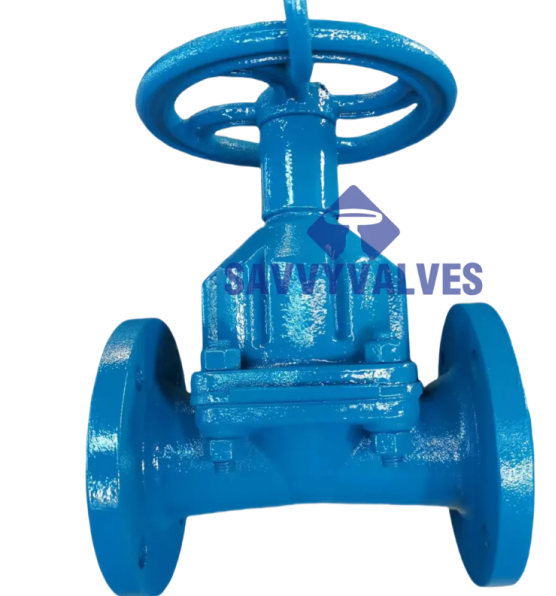
Understanding EPDM Material: The Foundation of Temperature Resistance in EPDM Diaphragm Valve
- EPDM’s Inherent Temperature Tolerance: Ethylene Propylene Diene Monomer (EPDM) is a synthetic rubber renowned for its exceptional temperature resistance, making it the material of choice for epdm diaphragm valve Unlike natural rubber or nitrile (NBR), EPDM maintains its elasticity and structural integrity across a broad temperature spectrum—typically from -40°C to 120°C for standard grades, and up to 150°C for high-performance formulations. This is due to its stable polymer structure, which resists hardening at low temperatures and softening or degradation at high temperatures. SAVVY VALVES uses high-purity EPDM (with minimal impurities) for its rubber lined diaphragm valve products, ensuring consistent temperature performance across batches. For example, a standard epdm diaphragm valve from SAVVY can operate reliably in a water treatment plant’s chilled water lines (-10°C) and heated process lines (90°C) without diaphragm failure. A wholesaler supplying North American HVAC firms reported that SAVVY’s epdm diaphragm valve units maintained leak-tight sealing across temperature swings, reducing client maintenance costs by 35%.
- Enhancing Temperature Resistance Through Formulation: SAVVY VALVES optimizes its EPDM formulations for specific temperature needs, adding additives like carbon black (for UV resistance and heat stability) or plasticizers (for low-temperature flexibility) to extend the material’s temperature range. For high-temperature applications (e.g., power generation steam lines), the company’s premium EPDM blend can withstand up to 150°C for prolonged periods; for low-temperature scenarios (e.g., refrigerated chemical transport), a specialized EPDM formulation remains flexible at -50°C. This customization ensures lined diaphragm valve products meet the unique temperature demands of different industries. A wholesaler serving European pharmaceutical clients noted that SAVVY’s low-temperature rubber lined diaphragm valve units prevented diaphragm cracking in refrigerated vaccine processing lines (-20°C), a critical requirement for product safety.
Product Specifications: Temperature-Rated EPDM Diaphragm Valve for Industrial Needs
|
Product Category |
SAVVY VALVES Specifications |
Wholesale Value & Market Appeal |
Ideal Applications (Temperature Range) |
|
Standard EPDM Diaphragm Valve |
Diaphragm material: Standard EPDM; body material: Cast iron/316L stainless steel; temperature range: -40°C to 120°C; pressure rating: PN10-PN16; chemical resistance: Water, steam, mild acids |
Water treatment, HVAC, food processing; cost-effective; versatile temperature range |
Chilled water lines (-10°C to 25°C), heated water systems (50°C to 90°C) |
|
High-Temp EPDM Diaphragm Valve |
Diaphragm material: High-performance EPDM; body material: 316L stainless steel; temperature range: -30°C to 150°C; pressure rating: PN16-PN25; chemical resistance: Steam, hot oils, weak alkalis |
Power generation, chemical processing, textile manufacturing; high-heat tolerance; durable |
Steam turbine lines (120°C to 150°C), hot oil transfer (80°C to 130°C) |
|
Low-Temp Rubber Lined Diaphragm Valve |
Diaphragm material: Low-temperature EPDM; body material: Carbon steel/316L stainless steel; temperature range: -50°C to 100°C; pressure rating: PN10-PN20; chemical resistance: Refrigerants, cold chemicals |
Refrigeration, pharmaceutical, beverage cooling; low-temp flexibility; leak-tight sealing |
Refrigerated chemical storage (-40°C to 0°C), beverage cooling lines (-15°C to 10°C) |
Temperature-Related Performance Factors for Lined Diaphragm Valve
- Sealing Integrity Across Temperature Fluctuations: A lined diaphragm valve’s primary function is to control fluid flow with zero leakage, and temperature changes can impact this critical performance. EPDM’s low coefficient of thermal expansion (compared to other rubbers) ensures the diaphragm maintains a tight seal against the valve seat even when temperatures shift. SAVVY VALVES designs its rubber lined diaphragm valve seats with a complementary thermal expansion rate to the EPDM diaphragm, preventing gaps that could cause leakage. For example, in a chemical plant where process temperatures swing from 20°C to 100°C, a SAVVY lined diaphragm valve maintains consistent sealing, avoiding costly chemical spills. A wholesaler supplying Asian petrochemical firms reported that SAVVY’s epdm diaphragm valve units had a 99% leak-free rate across temperature cycles, exceeding client expectations.
- Structural Stability of Valve Bodies in Extreme Temperatures: While the diaphragm is the primary temperature-sensitive component, the epdm diaphragm valve body also needs to withstand extreme temperatures to ensure overall system integrity. SAVVY VALVES uses temperature-resistant materials for valve bodies—such as 316L stainless steel (for high temperatures up to 300°C) or carbon steel with anti-corrosion coatings (for low temperatures down to -50°C)—that complement the EPDM diaphragm’s temperature range. The company also reinforces valve bodies at stress points (e.g., inlet/outlet connections, diaphragm housing) to prevent warping or cracking under thermal stress. A wholesaler serving North American power plants noted that SAVVY’s high-temp lined diaphragm valve bodies remained structurally sound in steam environments (150°C), even after years of continuous use.
EPDM Diaphragm Valve FAQS
What Is the Maximum Continuous Temperature an EPDM Diaphragm Valve Can Withstand?
SAVVY VALVES’ standard epdm diaphragm valve can withstand a maximum continuous temperature of 120°C, while its high-performance variant (with optimized EPDM formulation) handles up to 150°C continuously. Exceeding these temperatures for prolonged periods can cause EPDM to harden, lose elasticity, or develop cracks—compromising sealing. SAVVY’s engineering team recommends avoiding short-term temperature spikes above 170°C (even for high-performance models) to prevent permanent diaphragm damage. A wholesaler supplying power plants reported that clients using the high-temp epdm diaphragm valve at 140°C (below the 150°C limit) saw no diaphragm degradation after 5 years of use.
Can a Rubber Lined Diaphragm Valve Operate in Freezing Temperatures?
Yes—SAVVY VALVES’ low-temperature rubber lined diaphragm valve (with specialized EPDM) can operate reliably in freezing temperatures down to -50°C. The EPDM formulation includes plasticizers that maintain flexibility, preventing the diaphragm from becoming brittle and cracking. For example, these valves are ideal for refrigerated chemical storage facilities or Arctic oil pipelines where temperatures regularly drop below -30°C. SAVVY recommends draining the valve of fluid when not in use (for water-based applications) to avoid internal freezing and damage, but the EPDM diaphragm itself remains functional in freezing conditions. A wholesaler supplying Canadian mining operations reported that the low-temp rubber lined diaphragm valve units performed flawlessly in -40°C winter conditions.
How Does Temperature Affect the Chemical Resistance of an EPDM Diaphragm Valve?
Temperature can impact the chemical resistance of epdm diaphragm valve—higher temperatures may increase the rate at which chemicals react with EPDM, reducing its resistance. For example, EPDM resists mild acids at 20°C, but prolonged exposure to the same acids at 120°C may cause gradual diaphragm degradation. SAVVY VALVES provides a temperature-chemical compatibility chart for wholesalers, outlining which chemicals are safe for EPDM at specific temperatures. For aggressive chemicals at high temperatures, the company recommends its lined diaphragm valve with additional PTFE lining (complementing EPDM) for enhanced protection. A wholesaler supplying pharmaceutical firms noted that using the compatibility chart helped clients avoid chemical-related diaphragm failures, improving operational safety.
Are Lined Diaphragm Valve Units Suitable for Both High and Low Temperature Applications?
Most standard lined diaphragm valve units are optimized for a specific temperature range (e.g., high-temp for steam, low-temp for refrigeration), but SAVVY VALVES offers a “broad-range” lined diaphragm valve that operates from -30°C to 130°C. This valve uses a balanced EPDM formulation (with moderate heat and cold resistance) and a dual-material body (316L stainless steel for temperature stability) to handle diverse conditions. It’s ideal for clients with mixed-temperature systems (e.g., a food processing plant with both chilled and heated lines) who want to standardize on one valve type. A wholesaler supplying North American food manufacturers reported that the broad-range lined diaphragm valve reduced client inventory costs by 40%, as they no longer needed separate valves for high and low temps.
What Support Does SAVVY VALVES Provide for Wholesalers Regarding Temperature Selection for EPDM Diaphragm Valve?
SAVVY VALVES offers comprehensive support for wholesalers: 1) Technical guidance—engineers help wholesalers match the right epdm diaphragm valve to a client’s temperature range, using material science expertise and application data; 2) Compatibility resources—temperature-chemical charts, thermal performance graphs, and installation guides to help wholesalers advise clients; 3) Custom testing—small-batch temperature cycling tests for unique applications (e.g., ultra-high-temp industrial processes) to verify valve performance; 4) Training materials—videos and brochures explaining EPDM temperature resistance to help wholesalers educate clients. A wholesaler supplying Asian water treatment firms reported that SAVVY’s support helped them resolve 95% of temperature-related client questions on the first call, increasing customer trust. To explore SAVVY VALVES’ epdm diaphragm valve, rubber lined diaphragm valve, and lined diaphragm valve products—including temperature-optimized variants—visit our company webpage today!



 English
  Arabic
  Azerbaijani
  Czech
Czech  Dutch
Dutch  French
  German
  Indonesian
  Italian
  Japanese
  Korean
  Malay
Malay  Persian
  Polish
  Portuguese
  Russian
  Spanish
  Thai
Thai  Vietnamese