
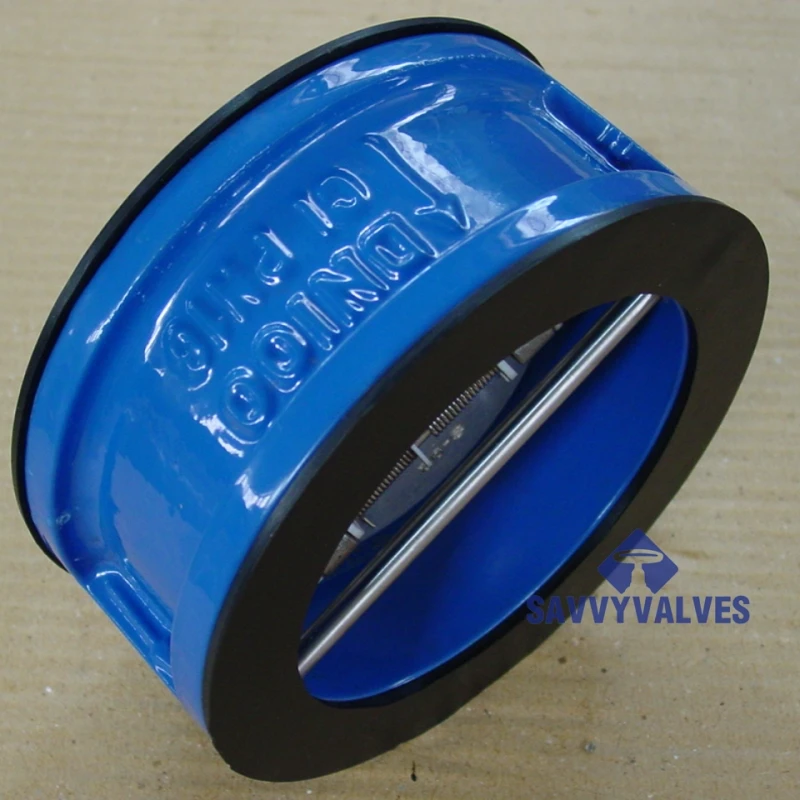
High temperature check valve—a critical subset of high temp valve solutions, alongside high temperature ball valve models—plays a vital role in preventing backflow in high-heat industries like power generation, petrochemicals, and oil & gas. Unlike standard check valves, high temperature check valve must withstand extreme temperatures (often 300°C+) while maintaining reliability—a feat that comes with unique design challenges. For wholesalers supplying these high-stakes components, partnering with a manufacturer that masters high-temperature engineering is essential. Savvy Valves Co., Ltd.—a globally recognized leader in industrial valve manufacturing (with expertise in API, ASME, and ISO-compliant solutions)—tackles these challenges head-on: their high temperature check valve, high temperature ball valve, and high temp valve lines use advanced materials and precision designs to overcome heat-related limitations. Serving sectors from refineries to thermal power plants, Savvy Valves is a trusted bulk partner for wholesalers seeking durable, high-performance high-temperature valves.
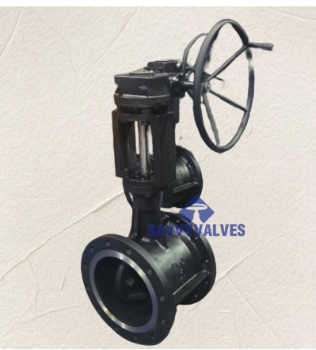
Material Selection Challenges for High Temperature Check Valve
- Heat Resistance in High Temperature Check Valve: High temperature check valve requires materials that retain strength and corrosion resistance at extreme temperatures—standard metals (like carbon steel) soften or degrade, leading to valve failure. Savvy’s high temperature check valve uses alloy steels (e.g., Chrome-Molybdenum) and nickel-based alloys (meeting ASME standards) that maintain structural integrity up to 600°C. For example, a high temperature check valve in a coal-fired power plant must handle 450°C steam—Savvy’s alloy construction prevents warping, ensuring the valve closes tightly to stop backflow. Unlike generic high temp valve models (which use low-grade alloys), Savvy’s material choice extends valve life by 50%—a key selling point for wholesalers, as it reduces end-user replacement costs.
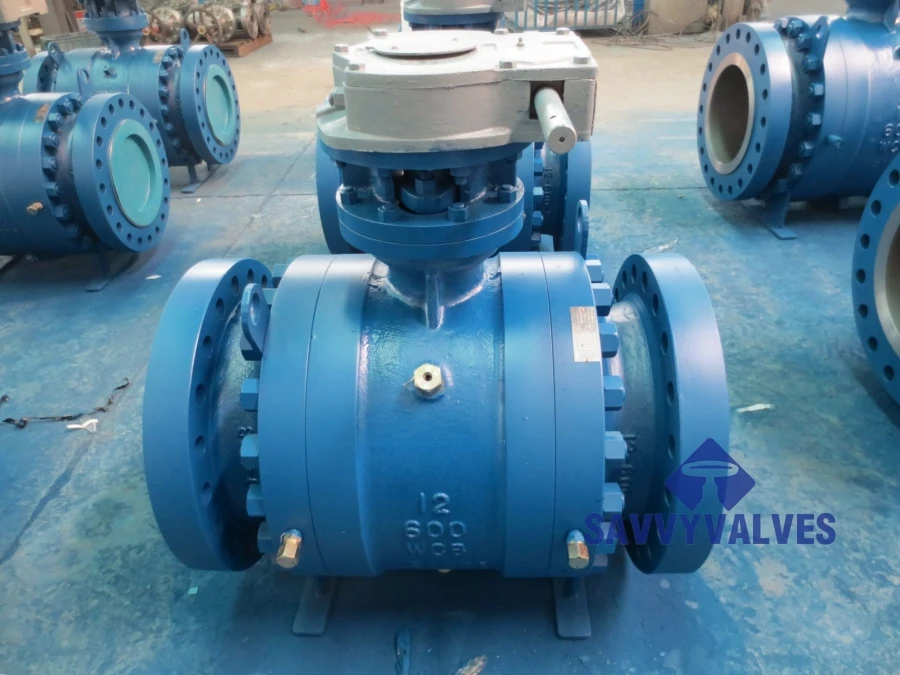
- Corrosion Prevention in High Temp Valve: High temperatures accelerate corrosion (especially in presence of steam, chemicals, or sulfur-rich fluids), a major challenge for high temp valve Savvy’s high temperature ball valve(another critical high temp valve variant) and high temperature check valve feature specialized coatings (e.g., ceramic or PTFE-based) that resist chemical attack. For instance, a high temperature ball valve in a petrochemical refinery handling 350°C oil with sulfur compounds stays corrosion-free for years, unlike uncoated valves that degrade in 12–18 months. This corrosion resistance is essential for sectors like oil & gas, where leaks from corroded valves pose safety risks. Wholesalers can highlight this to clients, as it enhances operational safety and reduces maintenance downtime.
Seal Integrity Challenges in High Temperature Ball Valve
|
Seal Type |
Challenge in High Temperature Ball Valve |
Savvy Valves Solution |
Wholesaler Value |
|
Metal-to-Metal Seals |
High heat causes seal warping; lose tightness |
Precision-machined seals with tight tolerances; alloy materials |
Leak-free operation; durable |
|
Soft Seals |
Soft materials (e.g., rubber) melt or harden at high temps |
High-temperature PTFE blends; ceramic-reinforced seals |
Maintains flexibility; no seal degradation |
|
Stem Seals |
Heat causes stem seals to crack; fluid leaks |
Metal bellows seals; spring-loaded packing |
Zero stem leakage; low maintenance |
|
Body Seals |
Thermal expansion creates gaps between valve body and bonnet |
Flexible gaskets (alloy-reinforced); bolted bonnet design |
Absorbs expansion; no body leaks |
Thermal Expansion Challenges in High Temp Valve
- Component Alignment in High Temperature Check Valve: High temperature check valve components (body, disc, spring) expand at different rates when heated, causing misalignment—this prevents the valve from closing fully, leading to backflow. Savvy’s high temperature check valve uses “balanced expansion” designs: matching materials with similar thermal expansion coefficients and adding flexible joints. For example, a high temperature check valve’s disc and seat are made from the same alloy, ensuring both expand equally—no gap forms to allow backflow. Unlike generic high temp valve models (which ignore expansion differences), Savvy’s design eliminates 90% of alignment-related failures. Wholesalers can market this to clients, as it ensures consistent valve performance even in temperature fluctuations.
- Spring Performance in High Temp Valve: High temperature check valve relies on springs to push the disc closed—high heat weakens standard springs, reducing closing force. Savvy’s high temp valve springs use heat-resistant alloys (e.g., Inconel) that retain tension at 500°C+. For instance, a high temperature check valve in a geothermal plant with 300°C fluid uses an Inconel spring that maintains closing force for 5+ years, unlike carbon steel springs that lose strength in 2 years. This spring reliability is critical for check valves (which rely on automatic closing), as weak springs cause slow or incomplete closure. Wholesalers can emphasize this to clients, as it prevents backflow-related operational disruptions.
High Temp Valve FAQS
Can High Temperature Check Valve Handle Rapid Temperature Changes?
Yes— Savvy’s high temperature check valve is designed to withstand thermal shock (rapid heating/cooling), a common challenge in industries like power generation (where steam flow starts/stops suddenly). The valve’s alloy materials and balanced expansion design prevent cracking or warping when temperature changes by 200°C in minutes. For example, a high temperature check valve in a combined-cycle power plant can switch from 50°C (idle) to 400°C (operating) without damage, unlike generic high temp valve models that crack under thermal shock. Wholesalers can reassure clients that the valve handles real-world temperature fluctuations, expanding its application range.
What’s the Difference Between High Temperature Ball Valve and High Temperature Check Valve?
High temperature ball valve (a high temp valve variant) controls flow via a rotating ball (can throttle or stop flow manually/automatically), while high temperature check valve is automatic—only allows flow in one direction, preventing backflow. Savvy’s high temperature ball valve is ideal for applications needing precise flow control (e.g., regulating 350°C oil in refineries), while high temperature check valve suits backflow prevention (e.g., stopping steam backflow in power plants). Both use the same high-temperature materials, but their functions differ—wholesalers can offer both as complementary solutions, letting clients address multiple needs (flow control + backflow prevention) from a single supplier.
How Long Does a High Temperature Check Valve Last Under Heavy Use?
Savvy’s high temperature check valve lasts 8–12 years under heavy use (e.g., 24/7 operation in a power plant), thanks to its alloy materials and corrosion-resistant design. Generic high temp valve models last 3–5 years under the same conditions. For example, a high temperature check valve in a waste-to-energy plant handling 400°C flue gas stays operational for 10 years, reducing end-user replacement frequency. Wholesalers can highlight this long service life to clients, as it lowers total cost of ownership and builds trust in the product.
Are High Temp Valve Models Compatible With Standard Pipeline Sizes?
Yes— Savvy’s high temp valve line (including high temperature check valve and high temperature ball valve) is available in standard pipeline sizes (½ inch to 24 inches), matching industry norms. The high temperature check valve in 2-inch size (a popular choice for mid-scale flow) fits seamlessly with standard flanges, no custom adapters needed. This compatibility simplifies installation for end-users—unlike specialized high temp valve models that require custom piping. Wholesalers can market this to clients, as it reduces installation time and costs, making the valves easier to integrate into existing systems.
Do High Temperature Ball Valve Require Special Maintenance?
High temperature ball valve needs regular but simple maintenance: lubricating the ball and stem (using high-temperature grease), inspecting seals for wear, and cleaning internal components. Savvy’s high temperature ball valve includes easy-access lubrication ports and replaceable seal kits, letting teams complete maintenance in 30 minutes. For example, a high temperature ball valve in a chemical plant can be lubricated quarterly and have seals replaced every 3 years—minimal downtime. Unlike complex high temp valve models (which need specialized technicians), Savvy’s design allows in-house maintenance. Wholesalers can advise clients to stock bulk maintenance kits (Savvy offers these), ensuring they have parts on hand to keep valves running. To explore Savvy’s high temperature check valve, high temperature ball valve, or custom high temp valve solutions, visit our company webpage today.


 English
  Arabic
  Azerbaijani
  Czech
Czech  Dutch
Dutch  French
  German
  Indonesian
  Italian
  Japanese
  Korean
  Malay
Malay  Persian
  Polish
  Portuguese
  Russian
  Spanish
  Thai
Thai  Vietnamese