
In today's fast-moving industrial landscape, having the right control valve for sale can make a crucial difference in the performance, safety, and energy efficiency of fluid handling systems. Control valves are essential in managing the flow rate, pressure, and temperature of liquids and gases in a pipeline. Whether used in chemical plants, oil refineries, food processing, or water treatment systems, they ensure precise and automated fluid control to match process requirements.
When exploring options for a control valve for sale, buyers must consider their specific application needs. Common considerations include the nature of the fluid, pressure and temperature conditions, response speed, accuracy, and the need for remote automation. Each of these factors influences not only performance but also the long-term reliability of the valve in question.
High-quality control valves offer more than just flow regulation—they help industrial systems maintain stability, reduce wear and tear, minimize downtime, and lower overall operational costs. Today’s market offers a wide range of options from basic globe valves to sophisticated digital smart valves with real-time data feedback and self-diagnosis features. Sourcing the right control valve for sale means achieving process consistency and reducing unexpected production losses.
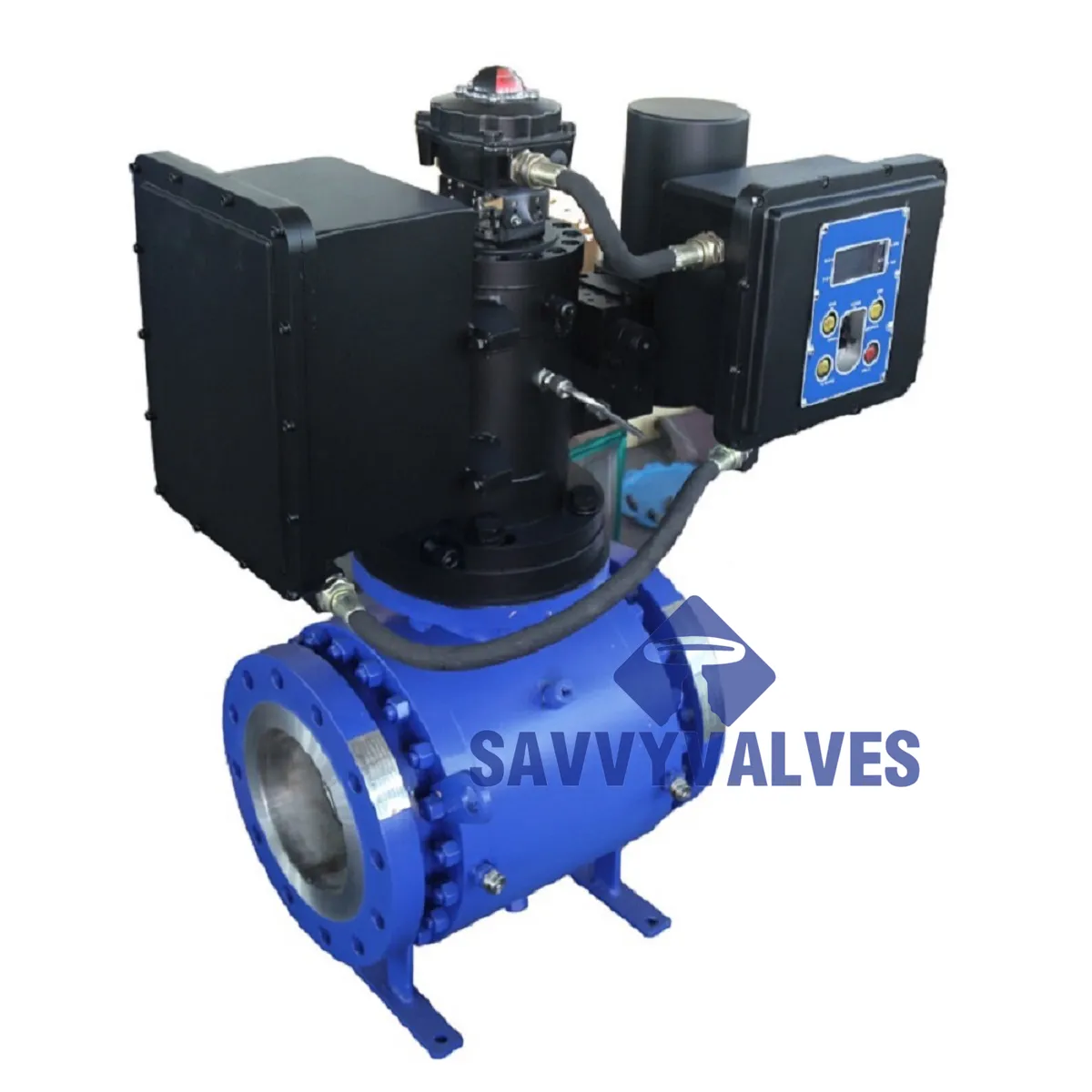
Understanding the Key Role of Control Valves in Industry
Control valves play a foundational role in modern industrial automation. Their function is to regulate fluid flow by varying the size of the flow passage in response to signals from a controller. In many systems, control valves work in conjunction with sensors and actuators to create closed-loop control processes that adjust dynamically to changing conditions. This responsiveness is essential for maintaining quality, safety, and energy efficiency across various sectors.
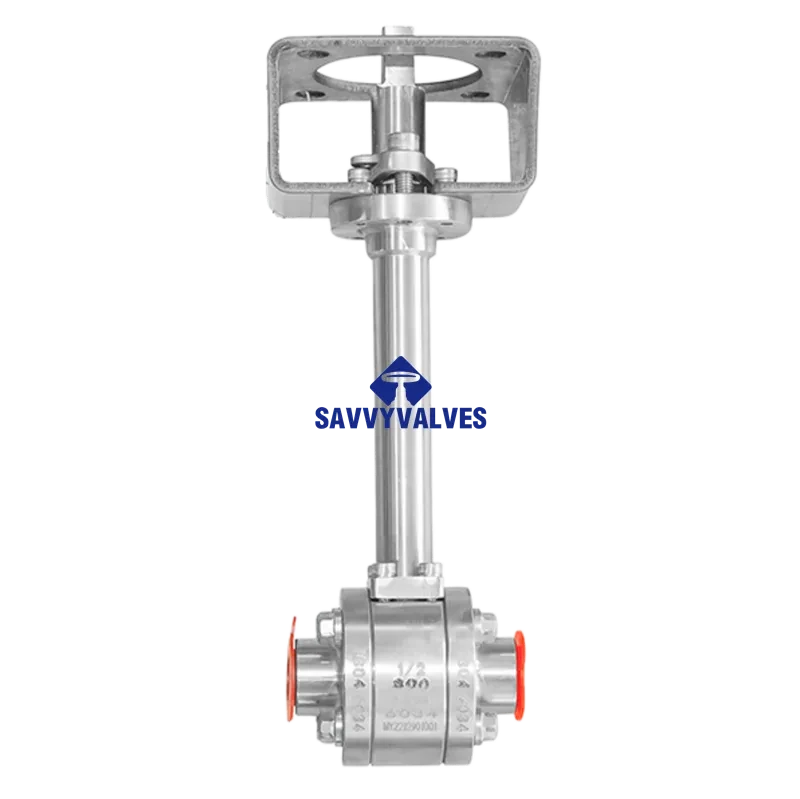
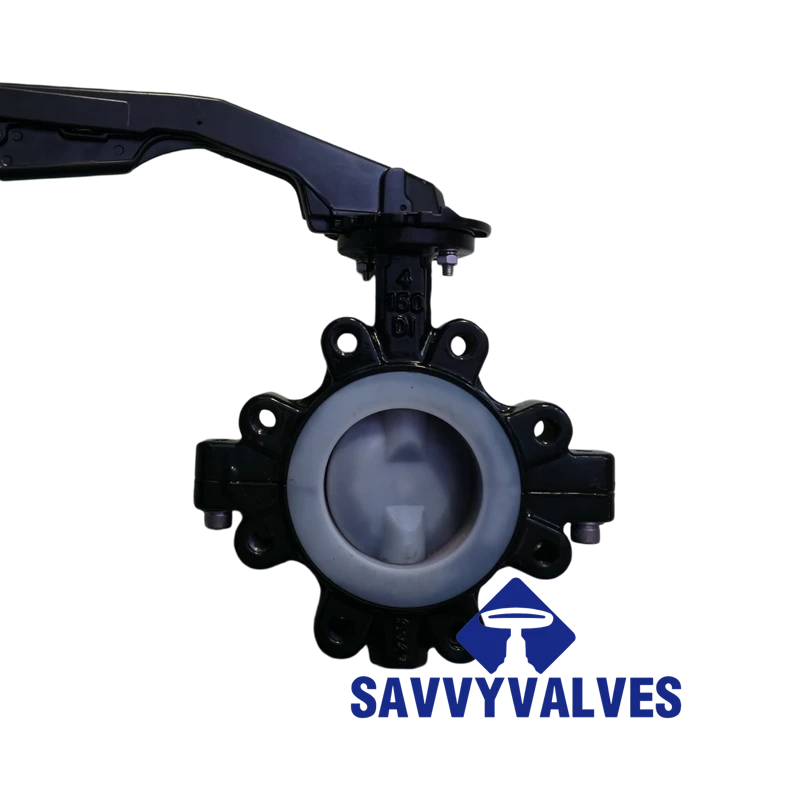
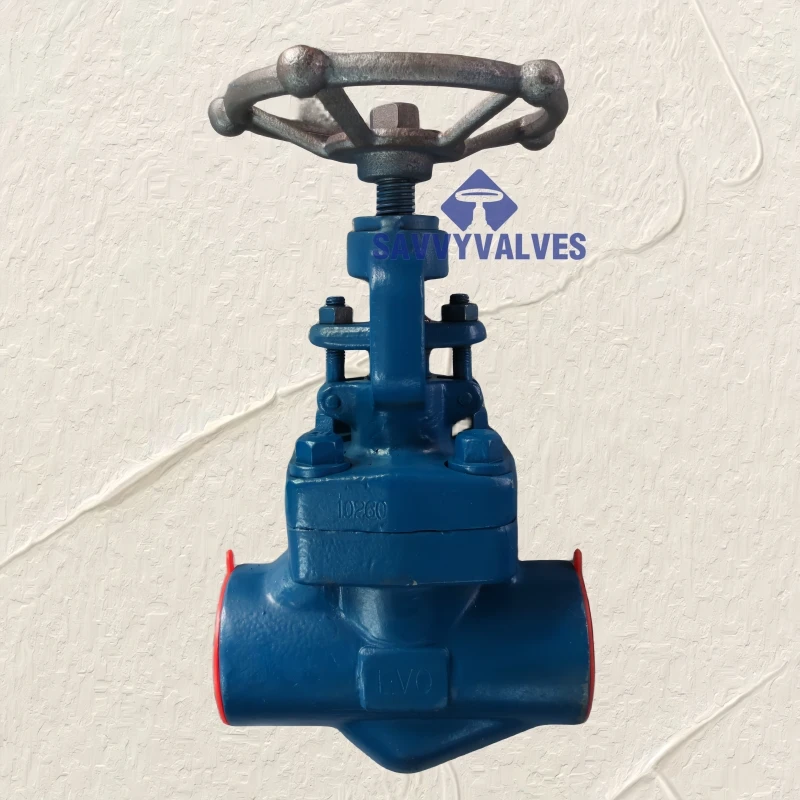
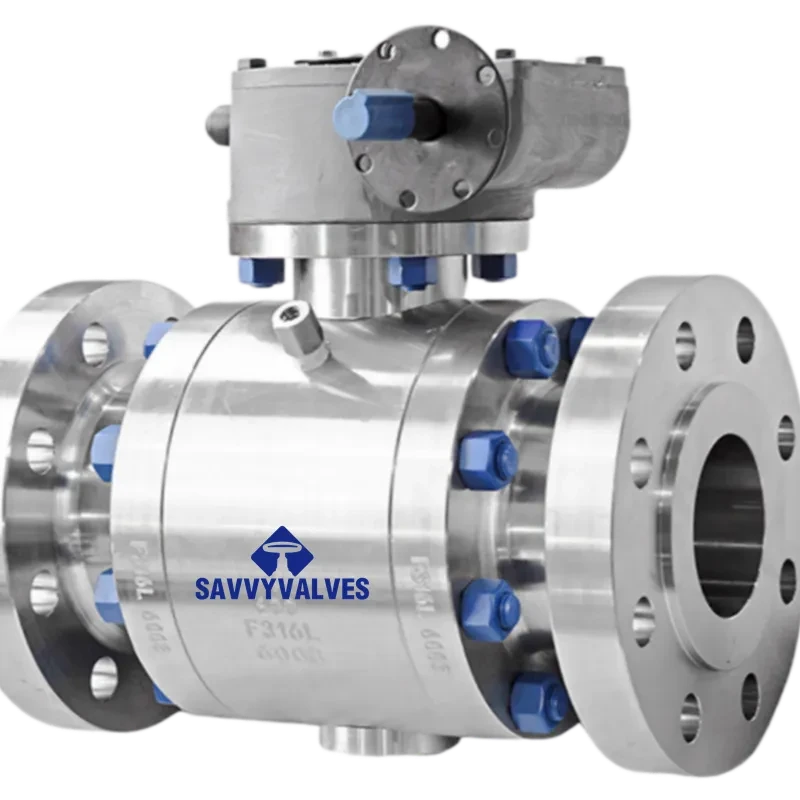
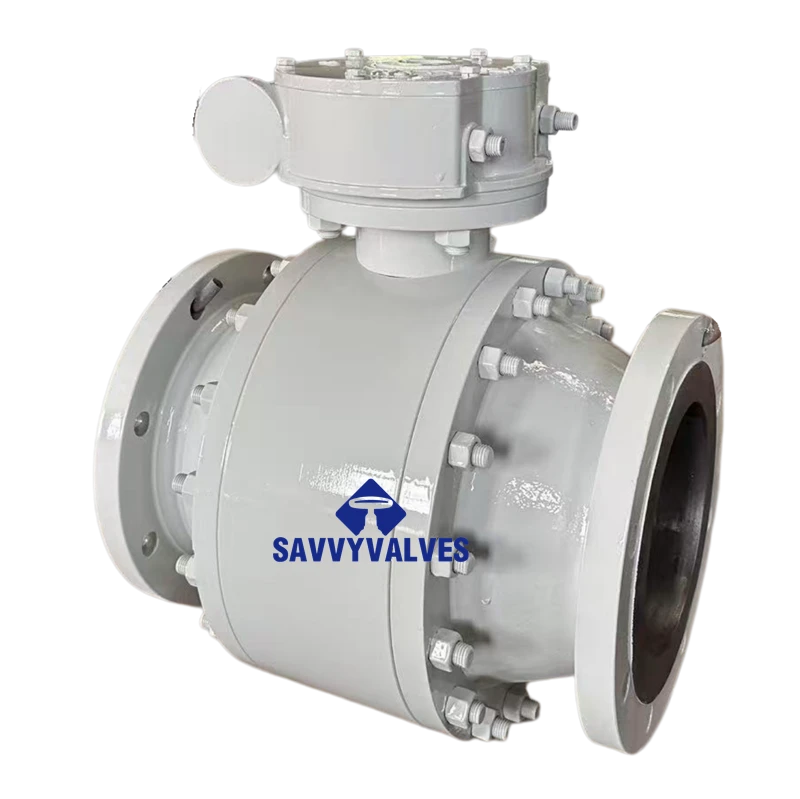
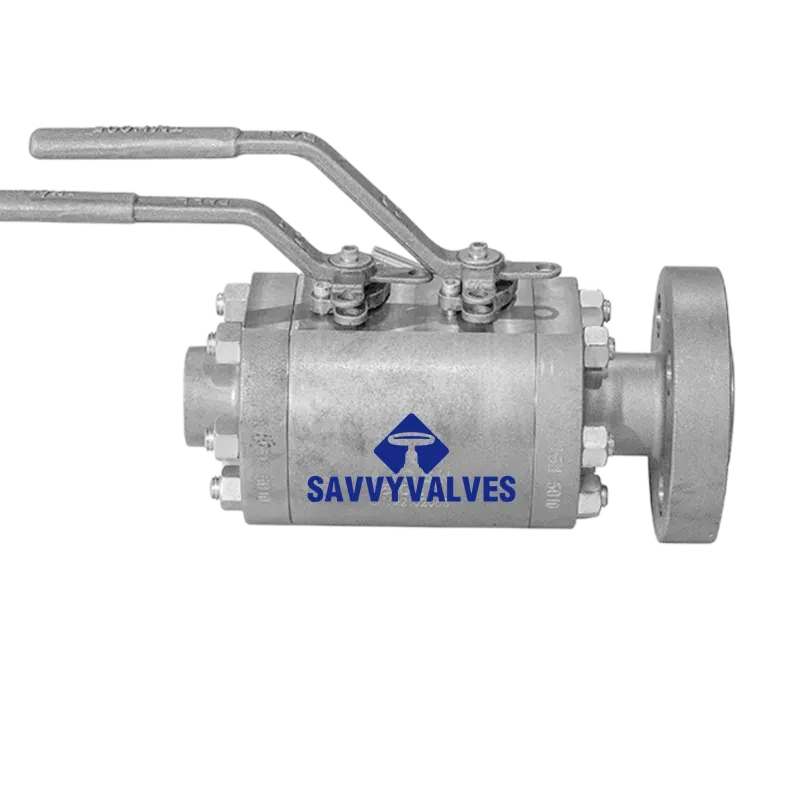
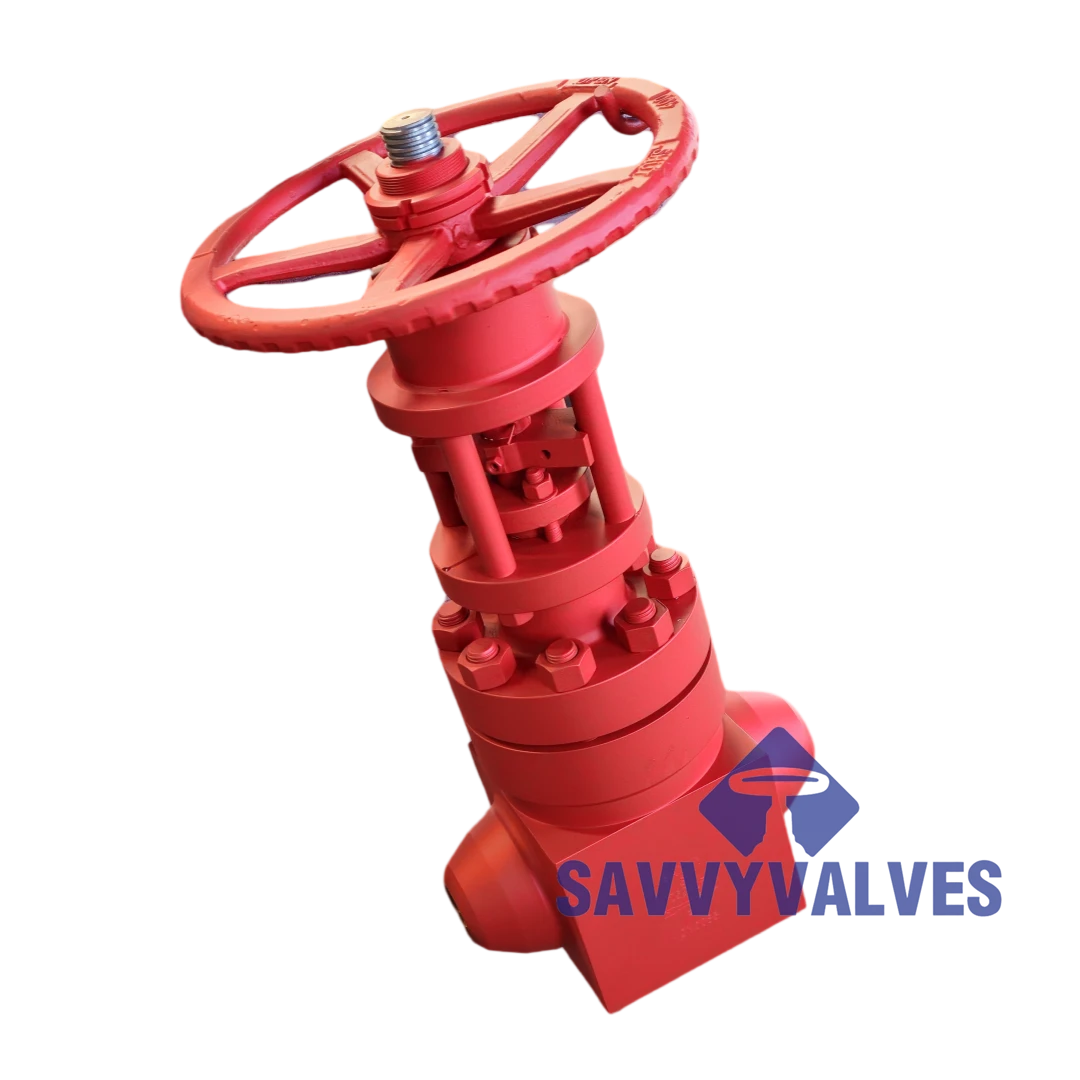
There are several types of control valves in widespread use, including globe valves, butterfly valves, ball valves, and diaphragm valves. Each type is selected based on how they handle pressure drops, their flow characteristics, and their compatibility with specific fluids. For example, globe valves are ideal for throttling and accurate flow control, while ball valves offer quicker shut-off and are preferred for on/off applications.
In more advanced applications, smart control valves come equipped with positioners, sensors, and communication modules. These integrated systems provide real-time feedback on valve position, performance, and even predict maintenance needs. As industries move toward digital transformation, the demand for such intelligent control valves continues to rise.
How to Choose the Right Control Valve Manufacturers
Choosing trustworthy control valve manufacturers is crucial for ensuring that you receive a product that meets rigorous quality, durability, and performance standards. A good manufacturer does more than just produce valves; they offer engineering support, custom solutions, and long-term service. In highly regulated industries like pharmaceuticals, oil & gas, and nuclear power, certified control valve manufacturers are the only viable choice.
Top control valve manufacturers usually offer products that comply with international standards such as API, ANSI, ISO, and CE. They use high-grade materials like stainless steel, bronze, and advanced polymers that withstand corrosion, pressure, and thermal stress. In addition, they invest in research and development to continuously improve valve designs, optimize flow profiles, and integrate the latest digital technologies.
Many control valve manufacturers offer customization services, allowing clients to specify valve size, material, actuation method (pneumatic, electric, or hydraulic), and control interface (analog, digital, or hybrid). They also provide in-depth documentation, from 3D models and material traceability to testing reports and installation manuals.
Whether sourcing from global players or specialized regional producers, selecting experienced and reputable control valve manufacturers ensures long-lasting performance, reduced maintenance costs, and seamless integration into existing systems.
Factors That Influence the Control Valve Price
The control valve price is shaped by a wide range of technical and market factors. While it’s tempting to select valves based on cost alone, understanding what goes into the pricing helps buyers make more informed, value-driven decisions.
Valve size is a primary cost driver—larger valves with wider diameters naturally require more material and precision manufacturing. Another factor is the material of construction; stainless steel, Hastelloy, or other exotic alloys increase the control valve price due to their enhanced corrosion and pressure resistance. The valve’s internal design, such as special flow trims or noise-dampening features, also adds to its cost.
The type of actuation system used affects the price. Manual control valves are relatively inexpensive, whereas motorized, pneumatic, or smart-actuated valves can significantly increase the price due to the inclusion of sensors, electronics, and control interfaces.
Certifications also play a part. Valves certified for use in hazardous or sanitary environments must pass rigorous testing, which raises production costs and consequently the control valve price. Lastly, the price may vary depending on order quantity, lead time, and the level of post-sale technical support provided by the manufacturer.
Innovations in Control Valves for Future-Ready Industries
The future of control valves lies in digitalization, smart automation, and sustainability. Across industries, companies are replacing conventional manual or semi-automated valves with intelligent units capable of remote monitoring and predictive maintenance. Smart control valves come equipped with sensors that detect valve position, pressure fluctuations, or internal wear, and transmit data in real-time to a control system. This level of connectivity helps prevent failures and optimizes process efficiency.
Emerging materials like reinforced composites and ceramic coatings are being integrated into valve components to withstand higher temperatures, abrasives, and corrosives. Modular design trends are making it easier to replace parts or reconfigure valves for different applications, reducing downtime and inventory costs.
Manufacturers are also developing energy-efficient designs that reduce pressure drops and improve flow efficiency. These advancements make modern control valves not only more reliable but also aligned with sustainability goals by reducing energy consumption and emissions.
As industrial systems become more complex and performance-driven, the role of the control valve as a key automation component continues to expand. Whether you are upgrading an existing system or building a new plant, investing in innovative control valves is essential for long-term operational success.
control valve FAQs
What is a control valve used for in industrial applications?
A control valve regulates the flow of fluids in a pipeline or system by varying the flow passage size. It responds to signals from a controller and adjusts the fluid flow to maintain desired levels of pressure, temperature, or flow rate. It is a core component in automated systems used in industries such as oil and gas, power generation, chemical processing, and water treatment.
How much does a typical control valve cost?
The control valve price depends on multiple factors such as size, material, pressure rating, and actuation type. Simple manual valves can cost as little as $50 to $200, while automated or high-pressure valves with advanced features can range from $1,000 to over $10,000. Customization, certifications, and smart features can further affect the pricing.
Who are the top control valve manufacturers globally?
Leading control valve manufacturers include companies like Emerson (Fisher), Flowserve, Samson, IMI, and Metso, among others. In addition, there are several reputable Chinese and Indian manufacturers that provide API and ISO-certified valves at competitive prices. The best choice depends on your project requirements, location, and support needs.
What certifications should a reliable control valve have?
A high-quality control valve should meet relevant industry standards such as API 6D, ASME B16.34, ISO 9001, and CE certification. For specific applications, additional certifications like NACE MR0175 (for sour gas service), ATEX (explosive atmospheres), or FDA (for food-grade systems) may be required. Always verify the manufacturer’s documentation before purchasing.
Can I find a reliable control valve for sale online?
Yes, many trusted industrial suppliers and manufacturers list their control valve for sale through online platforms, official websites, and B2B marketplaces like Alibaba, Made-in-China, or Thomasnet. When purchasing online, it’s important to review product specifications, request detailed quotations, check company credentials, and communicate directly with the manufacturer to ensure you’re getting a quality product.





 English
  Arabic
  Azerbaijani
  Czech
Czech  Dutch
Dutch  French
  German
  Indonesian
  Italian
  Japanese
  Korean
  Malay
Malay  Persian
  Polish
  Portuguese
  Russian
  Spanish
  Thai
Thai  Vietnamese