
Why the SAE Flange Ball Valve is a Game-Changer in Industrial Flow Control
Having clocked years working in industrial equipment, I’ve seen countless valves come and go, but the SAE flange ball valve always stands out. It’s not just another valve on the shelf — it’s a quietly reliable workhorse, especially in hydraulic and pneumatic systems where precision and durability truly matter.
Now, I know what you’re thinking: “A valve is a valve, right?” Well, oddly enough, no. The design specifications under the SAE (Society of Automotive Engineers) standard make these valves uniquely suited for high-pressure environments where vibration and temperature swings can wreck less robust equipment.
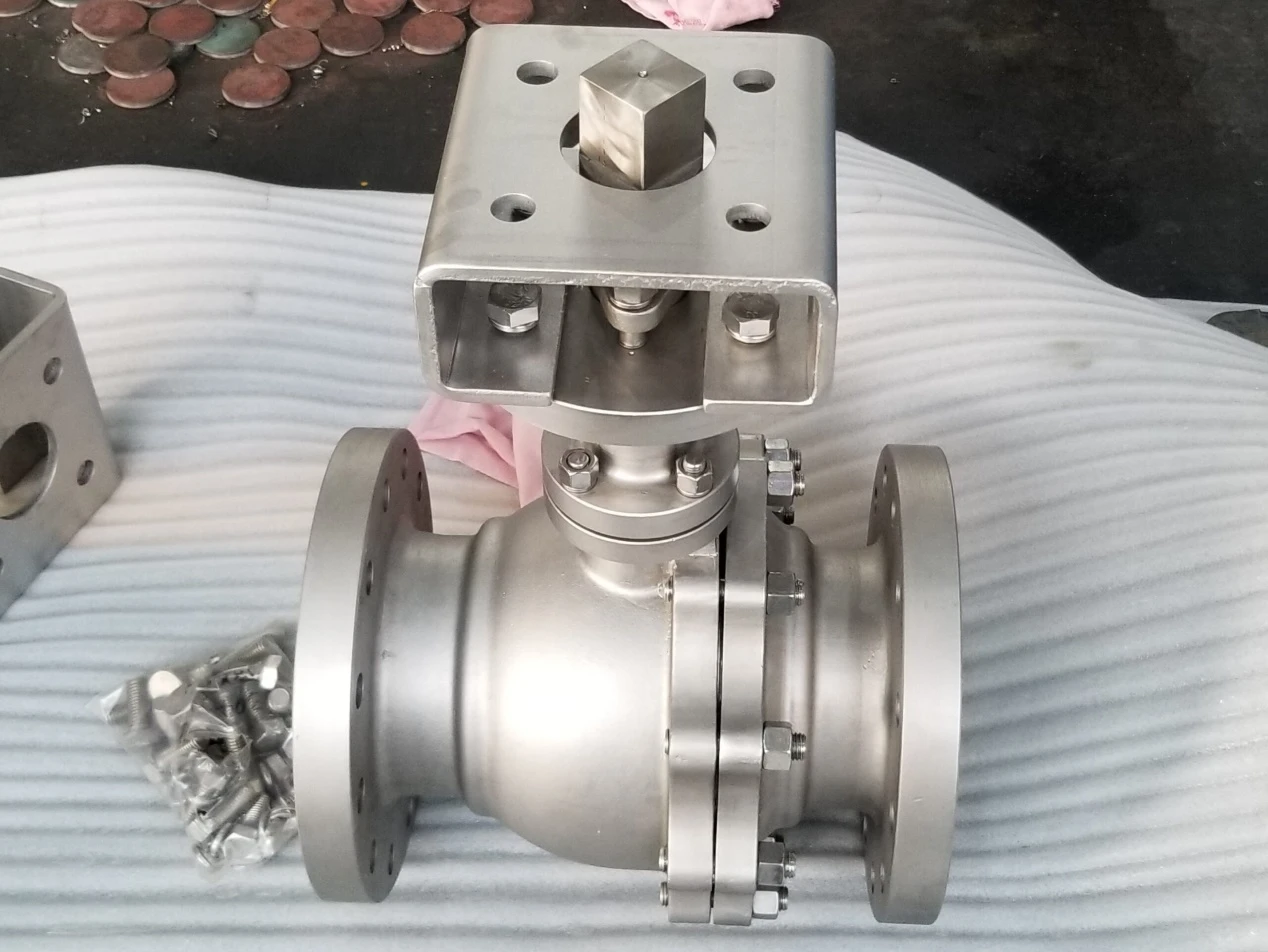
Frankly, it feels like these valves were engineered with the seasoned field technician in mind. They sport a sturdy ball mechanism, backed by high-grade stainless steel and often enhanced with corrosion-resistant coatings. They don’t just stop leaks — they endure years of hard service without fuss.
Key Specs of a Typical SAE Flange Ball Valve
| Specification | Detail |
|---|---|
| Material | 316 Stainless Steel or Carbon Steel |
| Pressure Rating | Up to 6000 PSI (414 bar) |
| Operating Temperature | -40°F to 400°F (-40°C to 204°C) |
| Connection Type | SAE Standard Flange |
| Seal Type | PTFE or Reinforced Graphite |
| Actuation | Manual Lever or Automated |
Something that often gets overlooked is how the SAE flange ball valve responds under real-world conditions. I recall one job at a manufacturing plant where the valve’s reliability kept the system stable despite frequent thermal cycling. The plant engineers noted reduced maintenance downtime — and when you’re operating heavy equipment, every hour counts.
Design-wise, these valves generally feature a full port ball, minimizing pressure drops and flow restrictions. This turns out to be critical for processes needing consistent flow — and it’s a detail that engineers really appreciate after installing the valve.
Comparing Popular SAE Flange Ball Valve Vendors
| Vendor | Material Quality | Pressure Rating | Customization Options | Warranty |
|---|---|---|---|---|
| Savvy Valve Tech | 316 Stainless Steel (High Grade) | Up to 6000 PSI | Full Custom Sizes & Finishes | 3 Years |
| ValvePro Inc. | Standard Carbon Steel | Up to 4500 PSI | Limited Custom Options | 1 Year |
| FlowControl Solutions | 316 Stainless Steel | Up to 5000 PSI | Selective Customization | 2 Years |
One thing I’ve learned over the years is that not all valves are created equal — even if they meet the same SAE specs. Whether you pick Savvy Valve Tech’s robust offering or another brand, make sure to align the valve’s characteristics with your system’s demands. Don’t skimp on material quality or ignore potential servicing challenges — trust me, the small upfront cost difference can save a ton in the long run.
To sum it up, the SAE flange ball valve is a staple in industrial sectors needing resilience and performance. It works quietly, reliably, and efficiently, and you’ll likely notice the difference when system uptime and safety are at stake.
And, honestly, there’s something satisfying about handling equipment that just “does its job” without making a fuss. It’s the kind of quality you grow to appreciate in this line of work.
Takeaway: When choosing a valve, prioritize trusted standards and quality materials — your systems will thank you for it.
References:
- SAE International. “SAE Flange Standards for Hydraulic Systems.” 2022.
- Industrial Valve Handbook, 4th Edition, ValveTech Press, 2021.
- Personal Notes and Experience in Hydraulic Valve Maintenance, 2010-2023.


 English
  Arabic
  Azerbaijani
  Czech
Czech  Dutch
Dutch  French
  German
  Indonesian
  Italian
  Japanese
  Korean
  Malay
Malay  Persian
  Polish
  Portuguese
  Russian
  Spanish
  Thai
Thai  Vietnamese