
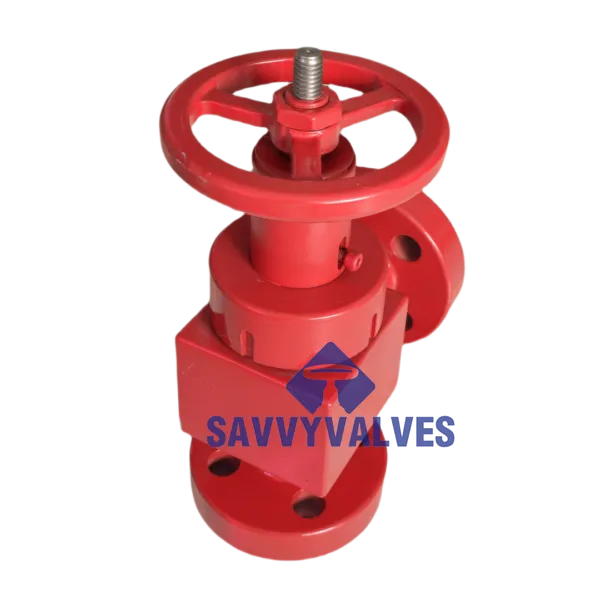
When it comes to regulating the flow and pressure of high-pressure fluids in oil and gas operations, choke valves are critical components. These valves control flow rates from the wellhead, reduce pressure, and protect downstream equipment by managing the velocity and turbulence of flowing media—typically natural gas, oil, or water.
Choke valves are designed for harsh environments where erosion, pressure surges, and corrosive fluids are present. Whether it’s a fixed or adjustable choke valve, these units must handle tremendous wear and stress. This makes material selection, engineering precision, and manufacturing quality essential for long-lasting performance.
With growing demand from upstream production sites and hydraulic fracturing zones, modern choke valves now include smart control features, pressure balancing, and enhanced trim designs that reduce cavitation and extend service life.
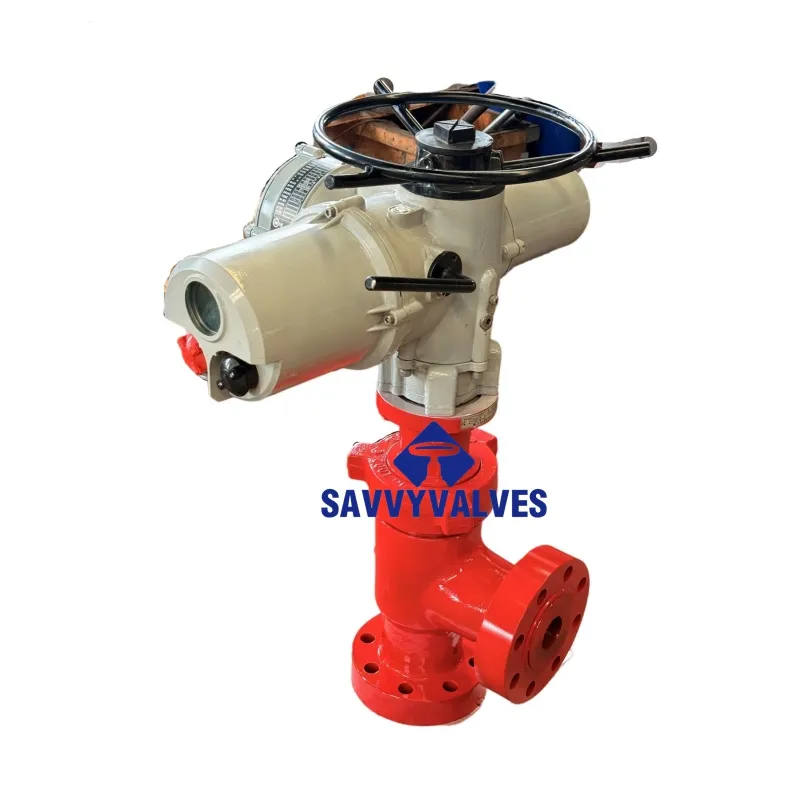
What Influences the Choke Valve Price Across Industrial Applications
Understanding the choke valve price involves considering a range of factors beyond just the valve size. From materials to design features and compliance certifications, each element plays a role in pricing strategy.
Key aspects that affect choke valve price include:
Valve body and trim materials: Options like Inconel, Monel, tungsten carbide, or stainless steel will increase costs due to their resistance to corrosion and erosion.
Pressure rating: High-pressure applications (10,000 psi and above) require more robust engineering, raising the choke valve price.
Control mechanism: Manual choke valves are more affordable, while hydraulic and electric adjustable models demand more investment due to added control systems.
Port and seat design: Advanced trims with multi-stage pressure drops and anti-cavitation features drive up production costs.
Certifications: Meeting API 6A, NACE MR0175, or ISO standards adds to the overall price due to stringent testing and quality assurance.
Despite the high upfront cost, a well-built choke valve can save thousands by minimizing downtime and reducing the need for frequent maintenance or replacements in critical operations.
Technical Insights into Standard Choke Valve Specification for Projects
Whether you're selecting a choke valve for a surface tree, a manifold, or a subsea wellhead, reviewing the choke valve specification is crucial for successful deployment. These specifications determine the valve’s compatibility with your system’s pressure, temperature, and flow conditions.
Standard choke valve specification parameters include:
Size: Typically ranges from 1" to 4", depending on the required flow capacity.
Pressure rating: Common ratings include 2000, 5000, 10000, and even 15000 psi.
End connections: Flanged (API or ANSI), threaded, or hub-type connections to suit piping systems.
Flow control: Available as fixed or adjustable orifice designs.
Material: Body in carbon steel, stainless steel, or alloy steel; trims in tungsten carbide or hardened stainless steel.
Actuation: Manual, pneumatic, hydraulic, or electric actuation, depending on control needs.
Working temperature: Can range from -46°C to +121°C for most oilfield applications.
Modern choke valves also come with optional accessories like position indicators, automated actuators, and SCADA-compatible interfaces for real-time control in smart well environments.
Find Trusted Adjustable Choke Valve Manufacturers for Global Supply
If you are sourcing for a critical oilfield project, it’s important to connect with top-tier adjustable choke valve manufacturers. These manufacturers specialize in engineering choke valves that meet demanding industry standards while offering customization for unique field conditions.
Reputable adjustable choke valve manufacturers typically offer:
In-house engineering teams capable of designing to API 6A and NACE MR0175 standards.
Full quality assurance with NDT, hydrostatic, and high-pressure gas testing.
Fast prototyping and production with CNC machining and precision casting facilities.
Material traceability and full documentation for every batch.
Post-sales support including spare parts, maintenance kits, and technical training.
The best adjustable choke valve manufacturers can offer both standard and tailor-made solutions, covering everything from manual low-pressure valves to automated high-pressure models used in offshore drilling or gas injection wells.
How Choke Valves are Advancing Global Oil and Gas Operations
As the energy sector continues to evolve, choke valves have become more sophisticated. No longer just flow restrictors, today’s valves are engineered for high-performance flow assurance, system efficiency, and digital integration.
In subsea and high-temperature applications, smart choke valves provide real-time data and adjust automatically based on pressure fluctuations. In hydraulic fracturing, they manage flowback operations with greater accuracy, protecting both equipment and personnel. In offshore platforms, they ensure reliable pressure regulation even under extreme conditions.
Global energy operators are now adopting digital twins and predictive maintenance systems—where choke valves play a vital role. Manufacturers are responding with better coatings, smart sensors, and modular valve systems that reduce inventory costs and downtime.
choke valves FAQs
What is the primary function of choke valves in oil and gas systems?
Choke valves are used to regulate flow and reduce pressure from production wells. They maintain safe operational pressure in surface and subsea systems while preventing damage from pressure surges, cavitation, and sand erosion. These valves are especially important in the early production stage of a well.
How much does a typical choke valve cost?
The choke valve price depends on several variables including size, pressure rating, material, and actuation type. Small manual choke valves can cost a few hundred dollars, while large, automated models for offshore use can exceed $10,000. Custom materials or smart features increase the cost accordingly.
What is a common choke valve specification for API 6A projects?
A standard choke valve specification for API 6A applications might include a 2" bore, 5000 psi working pressure, flanged ends, stainless steel body, tungsten carbide trim, and hydraulic actuator. These valves also meet NACE MR0175 for sour service environments and operate effectively in high-pressure and high-temperature (HPHT) conditions.
Who are the top adjustable choke valve manufacturers globally?
Leading adjustable choke valve manufacturers are located in the USA, China, the UK, and the Middle East. Brands like Cameron (Schlumberger), Master Flo, and smaller specialized OEMs offer a wide variety of valves for upstream applications. Some Chinese manufacturers now provide API-certified valves at competitive pricing for global markets.
Are choke valves suitable for automated control systems?
Yes, modern choke valves are often integrated with automated control systems. Electric or hydraulic actuators can be connected to SCADA platforms or DCS systems, allowing for remote operation and real-time flow adjustment. This is especially useful in unmanned platforms, smart wells, and high-pressure injection systems.


 English
  Arabic
  Azerbaijani
  Czech
Czech  Dutch
Dutch  French
  German
  Indonesian
  Italian
  Japanese
  Korean
  Malay
Malay  Persian
  Polish
  Portuguese
  Russian
  Spanish
  Thai
Thai  Vietnamese