
A rubber seated butterfly valve is one of the most widely used flow control devices in industrial and civil applications. Its simple design, compact size, and cost-effective structure make it ideal for regulating water, oil, and gas. The main feature lies in its rubber seat, which provides a tight seal to prevent leakage and ensure smooth operation even under variable pressures. These valves are engineered with precision and are built to last, providing consistent performance over years of use.
This type of valve is mainly used in pipelines where durability and reliability are vital. The rubber seat ensures the valve remains leak-proof, even after thousands of open-close cycles. Many industries such as water treatment, HVAC systems, chemical processing, and power plants rely on this valve for dependable control. What makes the rubber seated butterfly valve especially attractive is its wide range of pressure ratings—PN6, PN10, PN16, PN20, 200WOG, 125LB, 150LB, JIS 5K 10K 20K—which makes it suitable for various fluid systems.
Its temperature range from -29℃ to 150℃ provides great flexibility for hot and cold service. Whether you need it for municipal water distribution or oil and gas transport, this valve can handle it all. Its design follows API 609 as the main standard and ASME B16.34, with the possibility of using other international norms depending on customer needs.
The rubber seated butterfly valve also includes an anti-blow-out stem design and safety enhancements, ensuring operator protection and stability under high stress.
Why Butterfly Valve Rubber Liner Improves Performance
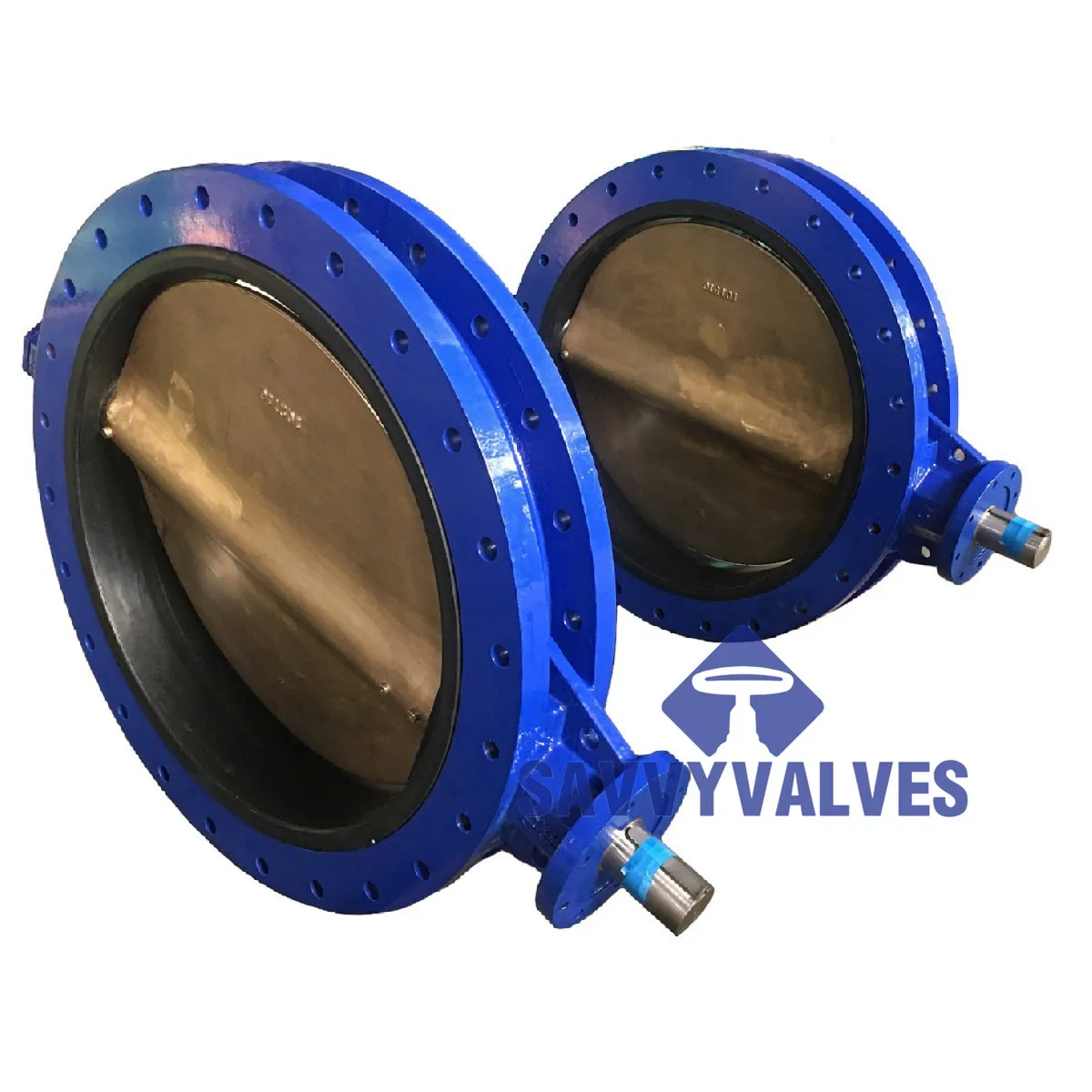
A key component that enhances sealing and extends service life is the butterfly valve rubber liner. The liner serves as both a sealing surface and a protective barrier for the valve body, preventing corrosion and wear caused by the flow media. By isolating the valve body from direct contact with fluids, the rubber liner ensures long-lasting durability and low maintenance.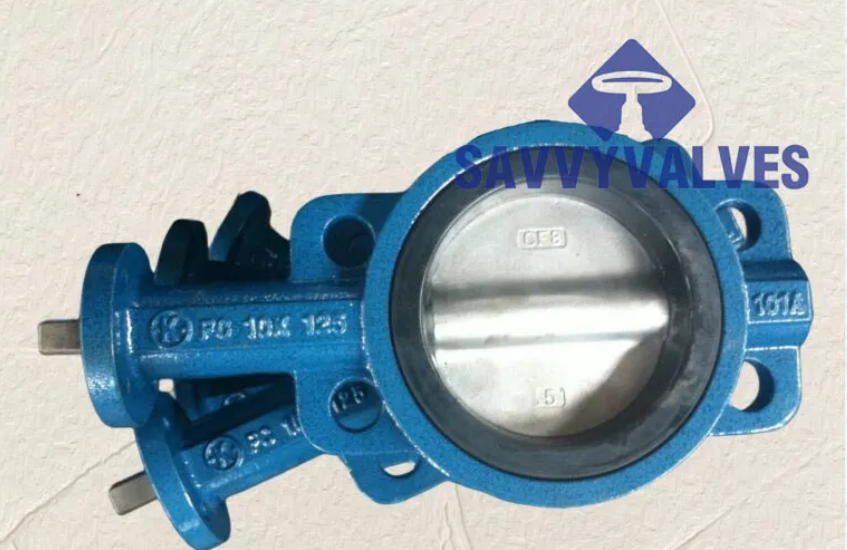
Different rubber materials are used for liners, including EPDM, NBR, and VITON, depending on the working environment and media. EPDM is suitable for water and steam applications, NBR is great for oil service, and VITON works well with chemicals and high temperatures. The butterfly valve rubber liner not only provides excellent sealing performance but also reduces vibration and noise during valve operation, offering smooth and stable control.
Installation and replacement of liners are simple, which reduces downtime and maintenance costs. Additionally, the liner structure helps absorb thermal expansion and mechanical stress, maintaining a tight seal even under fluctuating pressure.
With pressure ratings up to PN20 and 150LB, and compliance with API 609, ASME B16.10, and EN 558 standards, the butterfly valve rubber liner provides a perfect balance between performance, safety, and affordability.
How Butterfly Valve Rubber Ensures Tight Sealing
The butterfly valve rubber is a critical component that determines the valve’s ability to seal under varying operating conditions. High-quality rubber ensures a long-lasting seal without deformation or leakage. The flexibility and resilience of the rubber allow the disc to seat perfectly each time, maintaining consistent shutoff performance.
Rubber materials like EPDM, NBR, and VITON are selected based on temperature, pressure, and media type. EPDM performs well in water and steam environments, while NBR handles oil and gas effectively. VITON offers superior resistance to chemicals and high temperatures, making it ideal for harsh conditions.
The body materials commonly used include ASTM A126, ASTM A536, ASTM A216 WCB, and ASTM A395, while the disc materials are ASTM A395, ASTM A536, ASTM A351 CF8, CF8M, and aluminum bronze (C95400, C95500). These materials ensure structural integrity and resistance to corrosion and wear.
The butterfly valve rubber provides a secure and flexible seal for pressure classes PN6–PN20 and can handle temperatures up to 150℃. Operators can choose between lever or gear units for easy and precise control. Each valve is tested under API598 and API6D standards, guaranteeing quality and safety.
The Benefits Of Rubber Sealed Butterfly Valve In Daily Use
The rubber sealed butterfly valve combines excellent performance with affordability, making it ideal for daily applications. It’s designed to control and isolate flow in pipelines effectively while maintaining low torque operation. With its simple structure and reliable sealing, this valve is perfect for municipal systems, irrigation, oil and gas pipelines, and HVAC systems.
One of the greatest advantages is its ease of maintenance. The seat and disc can be replaced without removing the valve body from the pipeline, minimizing downtime. The anti-blow-out stem design ensures safety, and options like lever and gear operators offer easy manual control.
The rubber sealed butterfly valve is also customizable with different body, disc, and stem materials to suit specific project requirements. Optional configurations such as ASME B16.5, EN 1092, and JIS 5K–20K connections, as well as BW and RTJ ends, make it adaptable to different pipeline standards around the world.
In addition to its technical excellence, each valve undergoes 100% inspection and testing. This includes chemical analysis, mechanical testing, DPT, hydraulic testing, and air testing. Quality control ensures that every valve meets the highest standards for performance and safety.
SAVVY VALVES guarantees a 12-month service life and provides free spare parts and maintenance guidance when needed. Whether you’re working in water treatment, chemical processing, or power generation, this valve is a reliable partner for your system.
Rubber Sealed Butterfly Valve FAQs
What is the working pressure of the rubber seated butterfly valve?
It supports a wide range of pressure ratings including PN6, PN10, PN16, PN20, 200WOG, 125LB, and 150LB, suitable for water, oil, and gas applications.
What temperature range can the valve handle?
The rubber sealed butterfly valve is designed for temperatures from -29℃ to 150℃, covering both cold and hot applications.
Which materials are available for the body and disc?
The body can be made from ASTM A126, ASTM A536, ASTM A216 WCB, or ASTM A395, while the disc materials include ASTM A395, ASTM A351 CF8/CF8M, and aluminum bronze.
What are the seat materials used?
Seat materials include EPDM, NBR, and VITON, allowing customization based on the medium—whether water, oil, or chemicals.
Where can I buy a rubber sealed butterfly valve?
You can explore high-quality products directly from SAVVY VALVES through their official website. They offer expert guidance, customizable designs, and professional after-sales service to meet all your project needs. Visit their site today to discover the most reliable rubber sealed butterfly valve solutions for your system.


 English
  Arabic
  Azerbaijani
  Czech
Czech  Dutch
Dutch  French
  German
  Indonesian
  Italian
  Japanese
  Korean
  Malay
Malay  Persian
  Polish
  Portuguese
  Russian
  Spanish
  Thai
Thai  Vietnamese