
Understanding the Three Piece Flanged Ball Valve
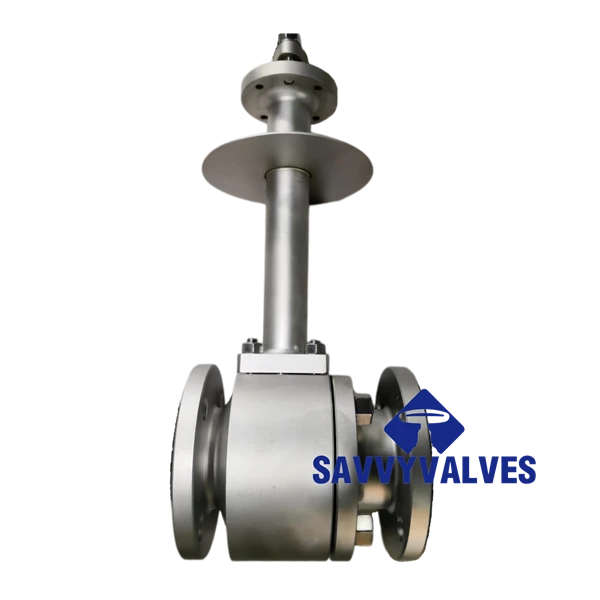
If you’ve spent any time working with industrial piping systems, you’ve probably crossed paths with ball valves – those nifty devices that make or break flow with a simple quarter-turn. But I want to dive specifically into the three piece flanged ball valve. It’s a bit of an unsung hero in fluid control, combining robustness, ease of maintenance, and adaptability in a way that feels almost elegant for such a rugged environment.
Now, I’ve been around industrial valves for more than a decade, often on dusty sites where downtime is a four-letter word. The charm of the three-piece design is that you can disassemble the valve without pulling the entire pipeline apart. Frankly, that saves hours—and often a headache or two.
So, what makes the three piece flanged ball valve special?
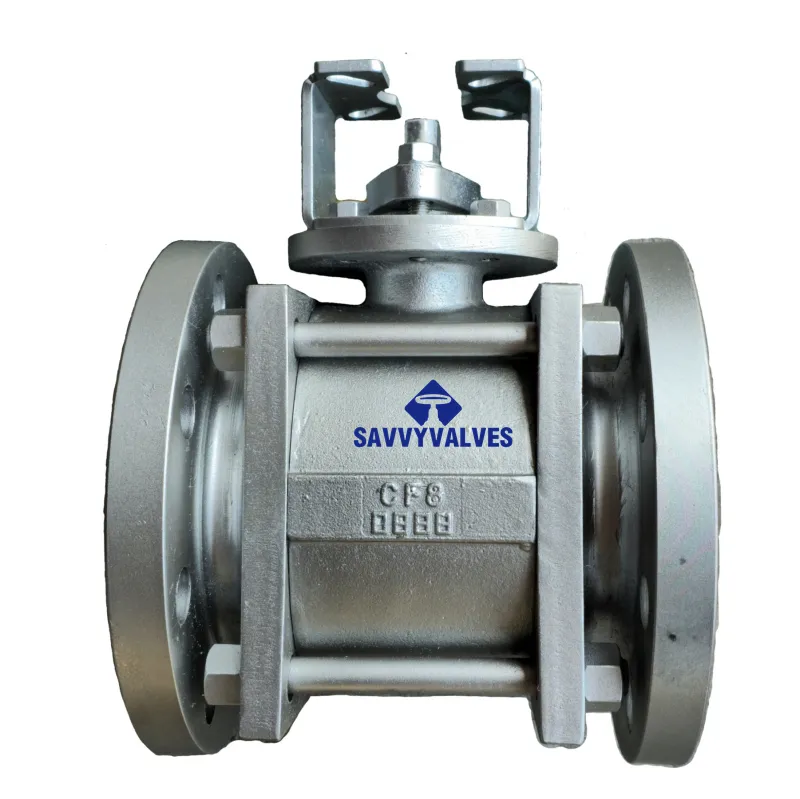
First off, the “three piece” refers to the valve body made up of three sections bolted together – usually two end caps and a central body containing the ball. This setup allows operators or maintenance crews to easily replace seals or service the ball itself without disturbing the adjacent flanged piping. When you’re in a heavy-duty environment, say chemical processing or oil and gas, that ease of maintenance isn’t just preferred — it’s vital.
Oddly enough, despite their prevalence, ball valves sometimes get overlooked in favor of gate or globe valves. But the three piece flanged ball valve often outperforms those alternatives when it comes to tight sealing and quick operation. Many engineers I’ve chatted with swear by these for on/off control in pipelines carrying liquids, gases, or even slurries.
Material choices and construction
The most common materials you’ll find in these valves include carbon steel, stainless steel, and sometimes exotic alloys like Inconel or Monel when corrosion resistance is paramount. The ball itself is often polished and chrome-plated to reduce wear and friction. Seating materials vary too — from PTFE for general chemical compatibility to more robust options like reinforced PTFE or graphite for higher temperature services.
One thing I’ve learned is that despite how standard these valves seem, quality varies significantly between vendors. So, it’s crucial to check if the valve has passed industry standards like API 6D or ISO 17292, which certify their performance under pressure and leakage testing.
A quick glance at product specs
| Specification | Details |
|---|---|
| Valve Type | Three Piece Flanged Ball Valve |
| Sizes | 1/2" to 12" (DN15 to DN300) |
| Pressure Rating | Class 150 to 1500 (PN20 to PN250) |
| Body Material | Carbon Steel, Stainless Steel, Alloy options |
| Seat Material | PTFE, Reinforced PTFE, Graphite |
| Connection | Flanged (ANSI/ASME B16.5) |
Comparing popular vendors (a quick rundown)
Because I’ve seen all sorts of valve brands come and go through various projects, here’s a straightforward comparison based on my own experience and industry reviews. Keep in mind that vendor offerings might update, so always check the latest specs.
| Vendor | Material Range | Certifications | Customization | Typical Lead Time |
|---|---|---|---|---|
| Savvy Valve Tech | Carbon & Stainless Steel, Alloys | API 6D, ISO 17292 | High (seats, sealing, materials) | 4-6 weeks |
| Global Valve Co. | Carbon & Stainless Steel | API 6D | Moderate | 6-8 weeks |
| ValveWorks Inc. | Stainless Steel, Alloy 20 | ISO 17292 | Low | 3-5 weeks |
Personal take and a quick story
One memorable project I was part of involved upgrading a refinery’s outdated valves with three piece flanged ball valves. The operators were thrilled because those valves combined tight shutoff with the ability to service on-site. I recall a technician commenting, “It feels like this valve was built by people who actually use them.” That’s high praise in a world of industrial gear.
It’s always worth remembering that while specs matter, practical experience counts too. If you’re specifying valves, trust vendors that not just sell but truly understand your application.
Wrapping it up
All things considered, a three piece flanged ball valve is a versatile, maintainable, and robust choice, especially if downtime isn’t an option and you need reliable tight sealing. Naturally, tasting the waters with samples or trials before committing is smart, but this valve style deserves serious consideration in nearly any industrial fluid control scenario.
Curious? Give Savvy Valve Tech a look — they’ve earned their reputation for a reason.
Let’s keep these valves turning smoothly, eh?
References:
1. API 6D Specification, American Petroleum Institute
2. ISO 17292 – Ball Valves Standard, International Organization for Standardization
3. Personal field experience, 2012–2023



 English
  Arabic
  Azerbaijani
  Czech
Czech  Dutch
Dutch  French
  German
  Indonesian
  Italian
  Japanese
  Korean
  Malay
Malay  Persian
  Polish
  Portuguese
  Russian
  Spanish
  Thai
Thai  Vietnamese