
Actuated choke valve—including flexible adjustable choke valve and efficient auto choke valve models—are vital for precise flow control in high-stakes industries like oil & gas, petrochemicals, and power generation. These valves regulate fluid pressure and flow rates, so consistent maintenance is non-negotiable to avoid operational disruptions (which can cost businesses tens of thousands in downtime). For wholesalers supplying these sectors, partnering with a manufacturer that prioritizes low-maintenance, durable design is critical. Savvy Valves Co., Ltd.—a globally recognized leader in industrial valve manufacturing (with expertise in API, ASME, and ISO-compliant solutions)—delivers exactly this: their actuated choke valve, adjustable choke valve, and auto choke valve lines are engineered for easy upkeep, with precision actuators and corrosion-resistant components that minimize wear. Serving sectors from water treatment to oil & gas, Savvy Valves is a trusted bulk partner for wholesalers seeking valves that align with efficient maintenance workflows.
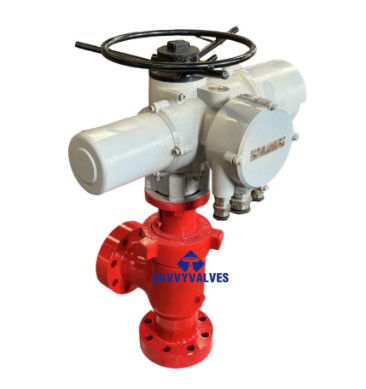
Daily Maintenance Checks for Actuated Choke Valve
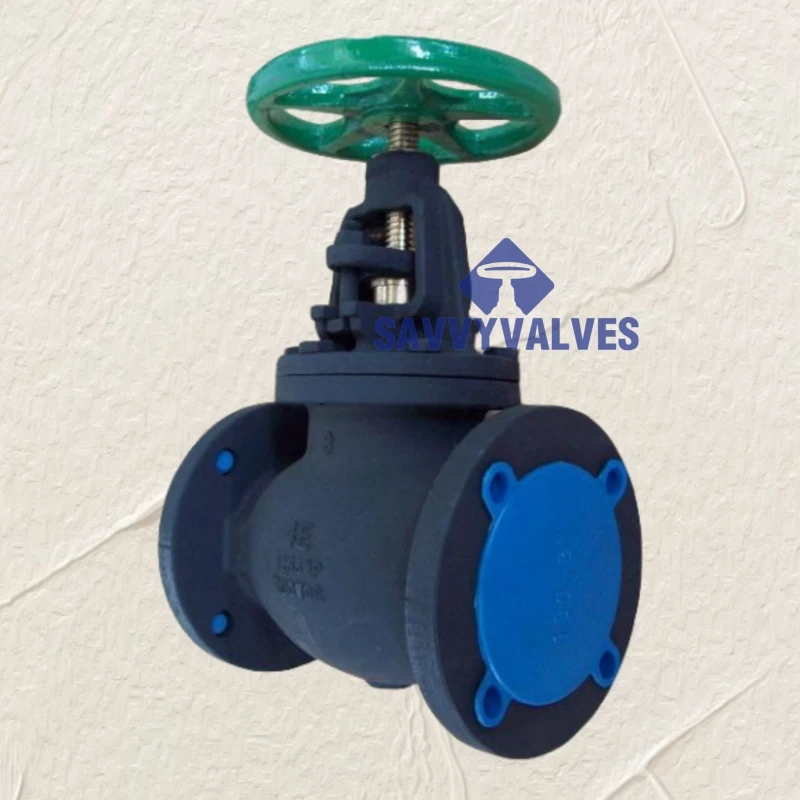
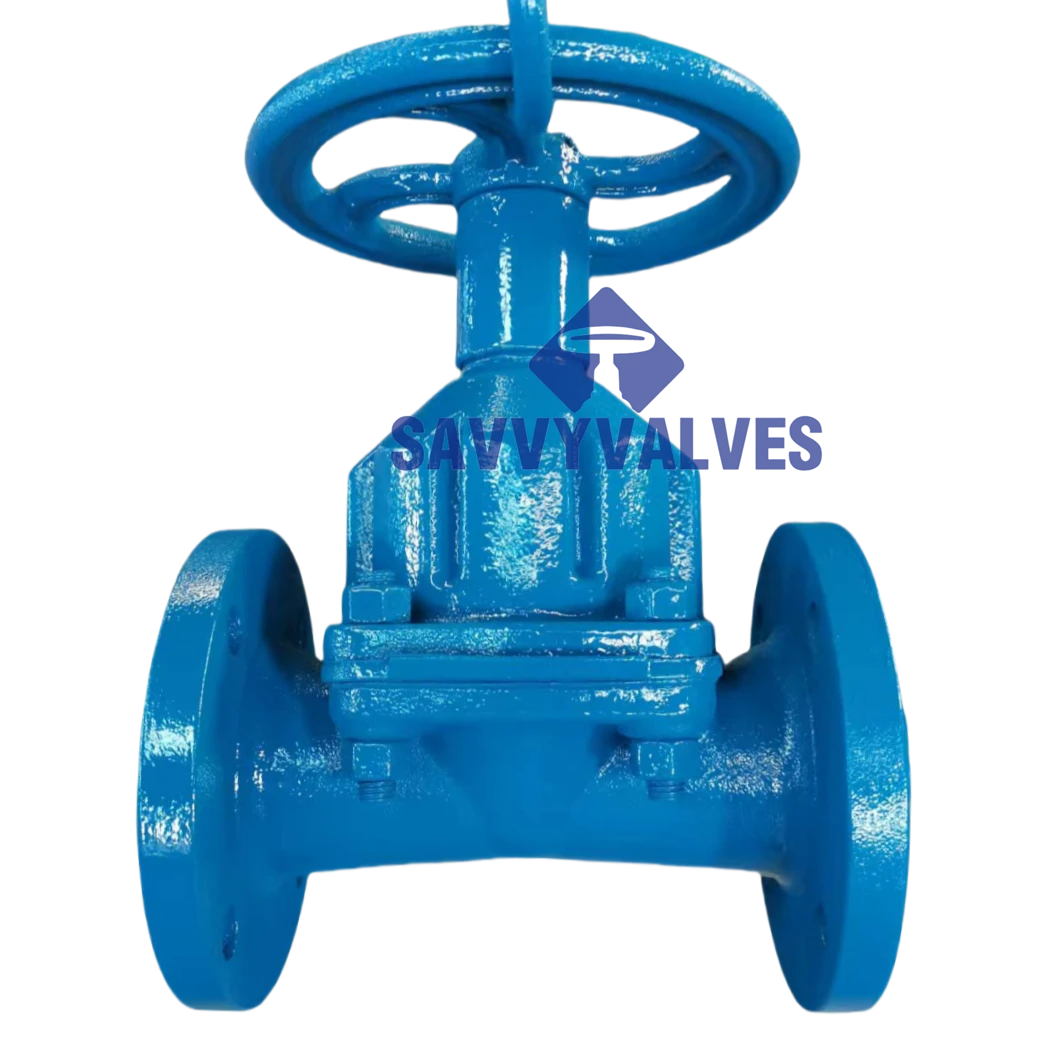
- Visual Inspection for Auto Choke Valve: Daily checks of auto choke valve (and all actuated choke valve models) focus on visible red flags—leaks around valve bodies, corrosion on external components, or loose actuator connections. Savvy Valves’ actuated choke valve features a smooth, stainless-steel body (meeting EN standards) that makes leaks or rust easy to spot, even in harsh industrial environments. For example, a quick visual scan of an auto choke valve in an oil refinery can identify a loose actuator bracket (a common issue) before it causes misalignment. Unlike generic valves with hidden connection points, Savvy’s design ensures all critical areas are accessible—saving maintenance teams time. Wholesalers can highlight this to clients, as daily visual checks prevent small issues from escalating into costly failures.
- Actuation Response Tests for Adjustable Choke Valve: Adjustable choke valve(a key variant of actuated choke valve) requires daily checks of its flow-adjustment functionality. Verify that the valve opens/closes smoothly when triggered and that flow rates match set parameters—slow or jerky actuation indicates potential issues. Savvy’s adjustable choke valve includes a built-in flow indicator, letting teams confirm performance without disassembly. For auto choke valve, test its automatic response to pressure changes (e.g., ensuring it tightens when pressure spikes). This quick daily test ensures the valve responds reliably to operational demands, critical for sectors like power generation where flow consistency is essential. Wholesalers can emphasize this efficiency to clients with 24/7 operations, where unplanned downtime is especially costly.
Weekly & Monthly Maintenance for Adjustable Choke Valve
|
Maintenance Frequency |
Key Tasks for Adjustable Choke Valve/Actuated Choke Valve |
Ideal Valve Type |
Savvy Valves Advantage |
Wholesaler Value |
|
Weekly |
Lubricate valve stems and actuator joints; use manufacturer-recommended grease |
All (Actuated/Auto/Adjustable) |
Pre-lubricated components; easy-access lubrication ports |
Reduces friction; extends component life |
|
Monthly |
Clean actuator filters (for pneumatic/hydraulic models); replace if clogged |
Actuated Choke Valve |
High-capacity filters; simple twist-off design |
Prevents actuator failure |
|
Monthly |
Calibrate flow sensors (for auto choke valve); ensure accuracy |
Auto Choke Valve |
User-friendly calibration dials; no special tools needed |
Maintains precise flow control |
|
Weekly |
Inspect valve seats for wear; check for flow irregularities |
Adjustable Choke Valve |
Hardened steel seats; minimal wear even in high-pressure |
Avoids flow leaks; preserves efficiency |
Quarterly & Annual Maintenance for Actuated Choke Valve
- Seal Replacement for Auto Choke Valve: Quarterly maintenance of auto choke valve(and actuated choke valve) includes inspecting seals (O-rings, packing glands) for cracks or degradation—seal failure is a top cause of leaks. Savvy Valves’ actuated choke valve uses chemical-resistant, high-temperature seals (meeting API standards) that last longer than generic alternatives, but quarterly checks ensure early replacement before leaks occur. For example, an auto choke valve in a petrochemical plant may show minor seal wear after 3 months—replacing it then avoids fluid loss and environmental risks. Unlike valves with proprietary seals (hard to source), Savvy’s seals are standard, making bulk replacement easy for wholesalers’ clients. This reduces maintenance delays, a key selling point for industrial clients.
- Full Performance Testing for Actuated Choke Valve: Annual maintenance requires comprehensive testing of actuated choke valve and adjustable choke valve—simulating operational loads to check pressure ratings, leak tightness, and actuator reliability. Savvy’s valves are engineered to pass API 598 leak tests even after years of use, but annual testing ensures compliance with industry standards. For instance, an actuated choke valve in a water treatment plant can be tested for pressure retention (holding 95% of rated pressure for 15 minutes) to confirm safety. Savvy provides detailed test guidelines for all valves, helping clients document compliance—essential for regulated sectors like oil & gas. Wholesalers can market this compliance support to clients needing to meet audit requirements.
Actuated Choke Valve FAQS
How Often Should Seals Be Replaced in Actuated Choke Valve?
Seals in actuated choke valve typically need replacement every 6–12 months, but this depends on usage: high-pressure or chemical applications (e.g., petrochemicals) may require quarterly replacement, while mild conditions (e.g., water treatment) allow 12-month intervals. Savvy Valves’ seals (used in their actuated choke valve) are designed for extended life—some last up to 18 months in mild settings. For example, an adjustable choke valve in a water plant may only need seal replacement annually, while one in an oil refinery needs it every 6 months. Wholesalers can advise clients to stock bulk seal kits (Savvy offers wholesale packs) to avoid emergency delays, ensuring maintenance teams have parts on hand.
Can Auto Choke Valve Be Maintained Without Specialized Training?
Yes— most maintenance tasks for auto choke valve (e.g., daily visual checks, weekly lubrication, monthly filter cleaning) can be done by on-site teams with basic training. Savvy Valves’ auto choke valve is designed for simplicity: lubrication points use standard fittings, filters twist off easily, and calibration dials have clear markings. Unlike complex valves requiring certified technicians, this accessibility lets clients reduce maintenance costs. For instance, a auto choke valve’s filter can be cleaned by a plant operator in 5 minutes, no special tools needed. Wholesalers can highlight this to clients with small maintenance teams, as it lowers operational barriers.
What Causes Adjustable Choke Valve Flow Irregularities, and How to Fix Them?
Flow irregularities in adjustable choke valve usually stem from seat wear, actuator misalignment, or clogged flow sensors. First, inspect the valve seat—if worn, replace it with Savvy’s hardened steel seat (designed for easy installation). If alignment is off, use the valve’s built-in adjustment screws to realign the actuator (Savvy provides alignment guides). For clogged sensors (common in auto choke valve), clean them with a soft brush and mild solvent. For example, an adjustable choke valve with uneven flow may just need a seat replacement—done in 30 minutes by on-site teams. Unlike generic valves with complex disassembly, Savvy’s design simplifies troubleshooting, reducing downtime.
Is Annual Maintenance Required for Low-Usage Actuated Choke Valve?
Even low-usage actuated choke valve (e.g., used once a week in backup systems) needs annual maintenance—infrequent use can cause valve seats to stick (due to debris buildup) or actuators to seize. Savvy’s actuated choke valve has a durable design, but annual testing (opening/closing fully, lubricating components) prevents sticking. For example, an adjustable choke valve in a backup power plant may stick closed if not maintained—annual cycling keeps it operational. Wholesalers can remind clients that low usage doesn’t eliminate maintenance needs, as neglect leads to sudden failures when the valve is needed most.
Can Maintenance Schedules for Actuated Choke Valve Be Customized for Specific Industries?
Absolutely— Savvy Valves works with wholesalers to tailor maintenance schedules for actuated choke valve based on industry needs. For example, oil & gas clients may need monthly actuator checks (due to high pressure), while water treatment clients can extend checks to quarterly. Savvy provides industry-specific guidelines, helping wholesalers offer customized support to their clients. This flexibility makes Savvy’s actuated choke valve, adjustable choke valve, and auto choke valve lines suitable for diverse sectors—wholesalers can market this adaptability to expand their client base. To explore Savvy’s valve solutions or request customized maintenance guides, visit our company webpage today.


 English
  Arabic
  Azerbaijani
  Czech
Czech  Dutch
Dutch  French
  German
  Indonesian
  Italian
  Japanese
  Korean
  Malay
Malay  Persian
  Polish
  Portuguese
  Russian
  Spanish
  Thai
Thai  Vietnamese