
Butterfly Valve Flange Type: A Practical Look
Having spent over a decade in the industrial valve sector, I’ve seen plenty of valve types come and go, but butterfly valves with flange connections remain a steadfast choice for many engineers and plant operators. There’s something about their simplicity mixed with effectiveness that makes them a reliable workhorse in pipelines — whether for water treatment, chemical processing, or even HVAC systems.
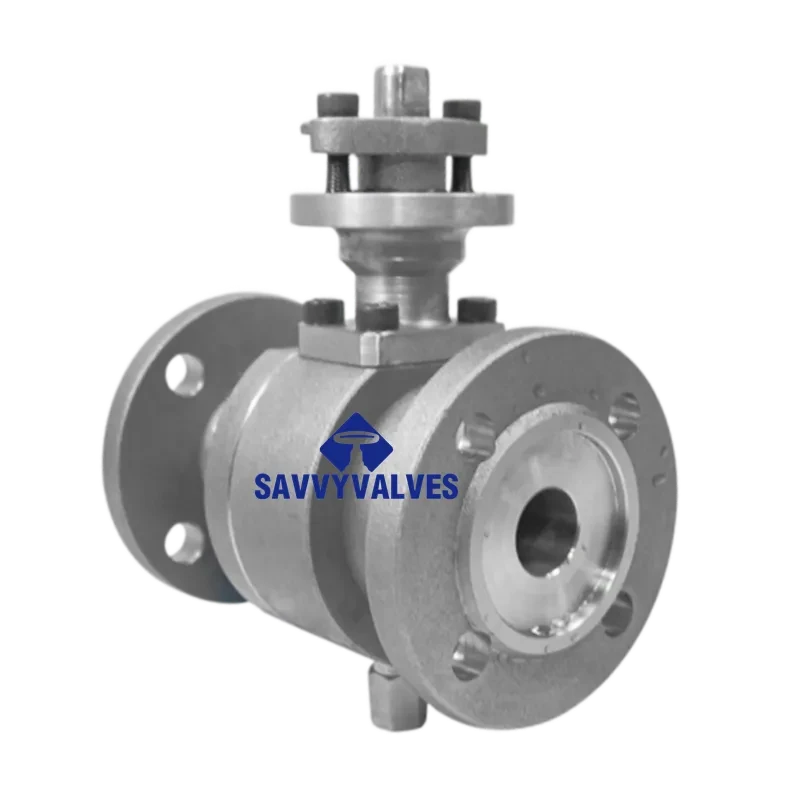
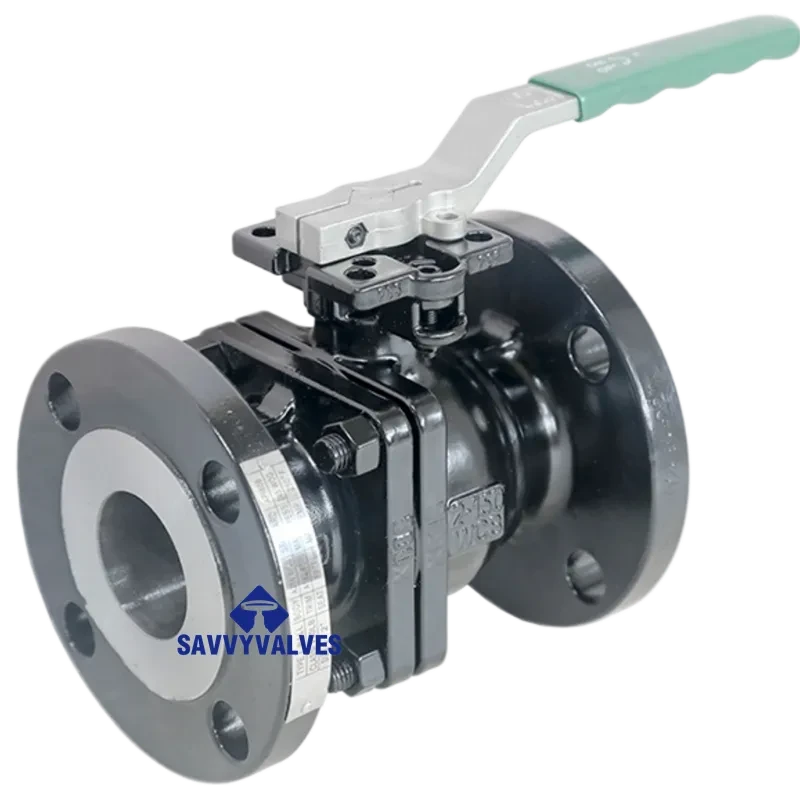
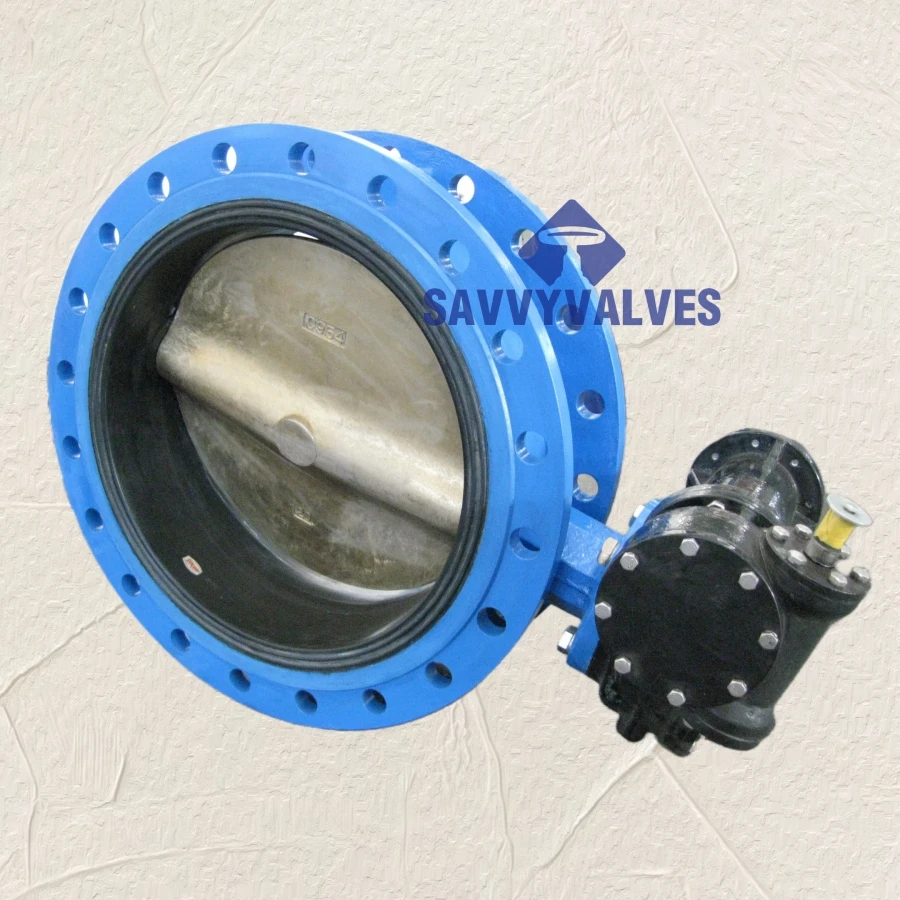
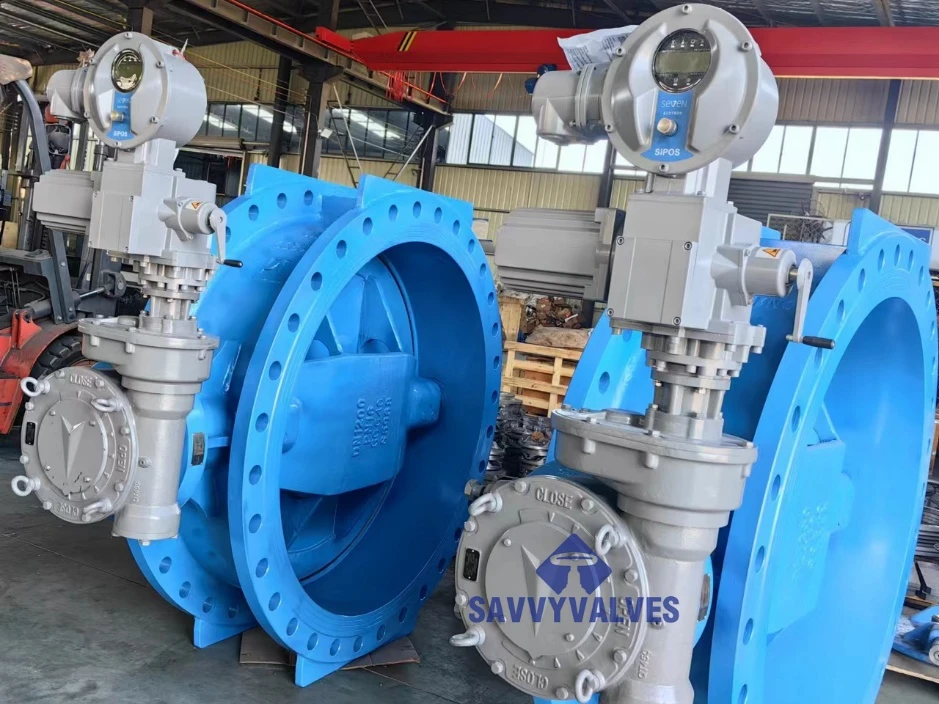
Now, when we talk about a butterfly valve flange type, we’re referring to the style where the valve is bolted directly between two pipe flanges. This method provides not only a sturdy seal but also ease of installation and maintenance, which frankly can’t be overstated on a busy plant floor.
Interestingly, the flange type butterfly valve has evolved somewhat over the years. Materials have improved — think ductile iron bodies with EPDM or PTFE liners — capable of handling everything from mildly corrosive media to high-pressure steam. That said, you often still see the tried-and-true cast iron variants, especially in water services. I noticed in one recent site visit that the plant engineers actually preferred the flange type when quick flange access is needed for inspection and cleaning.
In real terms, flange-type butterfly valves strike a neat balance between performance and cost. They’re more compact than, say, gate valves but provide a tighter shutoff in many situations — especially when matched with quality liners. Many operators I’ve talked to also appreciate that replacing a flange bolt connection rarely requires pipe realignment, which can save hours of downtime.
Here’s a quick rundown of typical product specs you might find on these valves:
| Specification | Details |
|---|---|
| Valve Size Range | 2" to 48" (50 mm to 1200 mm) |
| Body Material | Ductile Iron, Cast Iron, Stainless Steel |
| Seat/Liner | EPDM, NBR, PTFE, Viton |
| Pressure Rating | PN10 to PN25 (150 psi to 360 psi) |
| Flange Standards | ANSI B16.1 / B16.5, DIN, JIS |
| Temperature Range | -20°C to 200°C (-4°F to 392°F) |
Of course, in the industrial valve marketplace, not all flange type butterfly valves are created equal. Different brands offer varied features — from single-piece discs to double offset designs that reduce seat wear. You’ll often hear debates about the merits of wafer vs. lug vs. flange styles, but flange types hold their own because of their robustness in higher-pressure applications.
To help you get a clearer picture, here’s a simple vendor comparison of some commonly known manufacturers I’ve worked with or come across during audits and projects:
| Vendor | Material Options | Pressure Range | Typical Use Case | Warranty |
|---|---|---|---|---|
| Savvy Valve Tech | Ductile Iron, SS, PTFE lined | PN16 - PN25 | Water, Chemical Processing | 1 Year Standard, Extended Available |
| FlowMaster Valves | Cast Iron, EPDM lined | PN10 - PN16 | Municipal Water | 6 Months |
| Ironclad Industrial | Stainless Steel, Viton seat | PN25 - PN40 | Chemical & Food Industry | 2 Years |
I recall one project during a refinery retrofit where we had to switch from older wafer butterfly valves to some flange type models for easier maintenance access. The plant manager was pleasantly surprised how the simple act of switching mounting styles cut down valve replacement time from nearly half a day to under two hours. It’s odd how such “small” equipment decisions can ripple into big operational gains.
To sum up, if you’re evaluating butterfly valves and the choice comes down to flange types, it’s usually a safe bet for reliability, ease of maintenance, and versatility across industries. Just keep in mind your system pressure, fluid types, and temperature ratings when choosing materials – those details can make or break the valve’s lifespan.
And if you want a solid, trusted source for butterfly valve flange type selections, I’ve found Savvy Valve Tech consistently meets both specification and aftermarket support needs.
That's it from my valve bench for now—hopefully, this gives you a clear, grounded perspective. Remember: The right valve isn’t always the flashiest, often it’s the one that quietly does its job, day in and day out.
References:
- API 609 Butterfly Valves Specification
- Valve World Industry Reports, 2022
- Personal Project Experience, Industrial Valve Installations, 2015-2023


 English
  Arabic
  Azerbaijani
  Czech
Czech  Dutch
Dutch  French
  German
  Indonesian
  Italian
  Japanese
  Korean
  Malay
Malay  Persian
  Polish
  Portuguese
  Russian
  Spanish
  Thai
Thai  Vietnamese