
What’s So Special About the Butterfly Valve DN600?
If you’ve ever peeked behind the scenes of massive water treatment plants, oil pipelines, or power facilities, you’ve probably encountered a vast, spinning disc controlling the flow of some vital fluid. That’s often a butterfly valve — DN600 specifically refers to valves with a nominal diameter of 600 millimeters, meaning it’s quite a hefty piece. Globally, with infrastructure growing and industries pushing for efficiency, butterfly valves DN600 are quietly holding the line. Why does this matter? Well, valves are those unsung heroes ensuring everything flows right — too much or too little, and systems either stall or break. Knowing the ins and outs of butterfly valves basically means you’re clued into how industrial lifeblood keeps pumping smoothly. Quick takeaway: The butterfly valve DN600 isn’t just a pipe fitting; it’s a critical player in global infrastructure reliability. ---Butterfly Valve DN600: A Quick Look at Its Global Relevance
Take a moment and consider the sheer volume of water, oil, and gas transported worldwide daily — according to the International Energy Agency, the global oil pipeline network exceeds 3 million kilometers. Valves like the DN600 butterfly type are like massive gatekeepers in that network. And here’s a twist: as the UN pushes for sustainable infrastructure and ISO standards tighten industrial safety, the demand for reliable, standardized valves has zoomed up. The challenge? Industries need valves that are not just robust but flexible, cost-effective, and easy to maintain. Imagine a power plant in Europe and a mining operation in South America — very different environments but similar valve needs. Butterfly valves DN600 step in as a kind of universal tool that handles big volumes and tight regulation compliance with flair. ---Defining the Butterfly Valve DN600
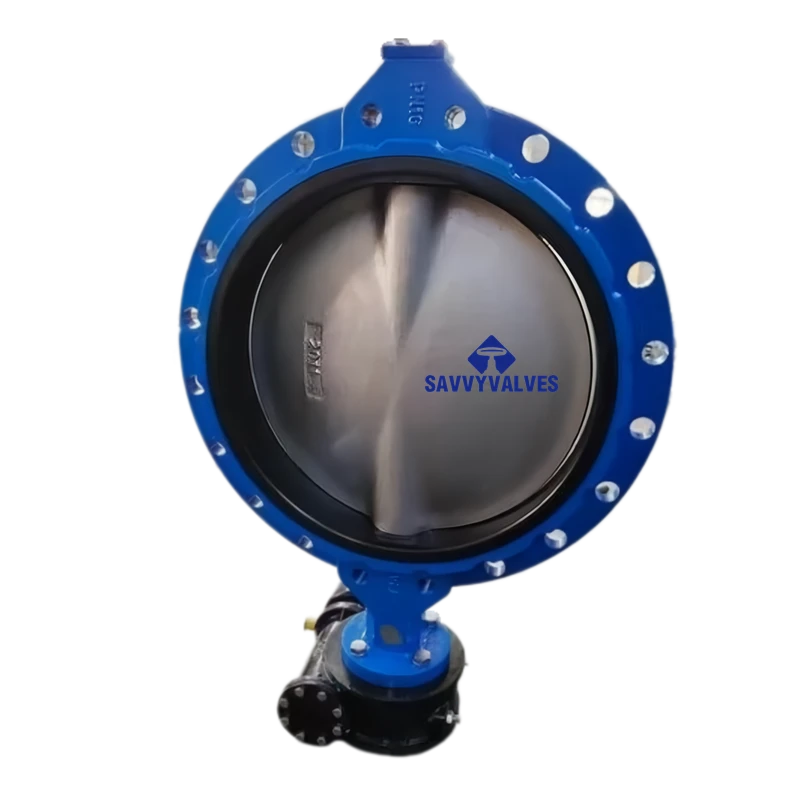
At its core, a butterfly valve is a circular disc mounted on a rotating shaft. When you turn the shaft, the disc either blocks or allows fluid to pass. The “DN600” is just a technical term meaning “nominal diameter 600mm” — so it’s a valve designed for relatively large pipes. It’s kind of like a giant revolving door in an industrial hallway, controlling whether things flow or stop. This mechanism is favored for its compactness compared to, say, gate valves — which can be bulky. Plus, butterfly valves offer quick operation and decent sealing, which are crucial in heavy-duty scenarios. On a humanitarian note, clean water supply systems in fast-growing urban areas often use valves like these to manage distribution without loss, fulfilling essential human needs efficiently. ---Core Components and What Makes Them Tick
1. Disc Material and Design
The disc, usually stainless steel or ductile iron, is the main closing element. I’ve noticed many manufacturers are pushing corrosion-resistant alloys to ramp up durability, especially when dealing with aggressive chemicals or saltwater.2. Shaft and Bearings
These connect the disc to the actuator. Their quality influences how smoothly the valve operates and how long it lasts under fatigue or cyclical flows.3. Sealing System
Rubber or PTFE seals prevent leaks. Many engineers say the seal’s resilience is the valve’s ultimate test—because leaks mean downtime, and downtime costs money.4. Actuator Options
Valves can have manual, electric, pneumatic, or hydraulic actuators. Flexibility here determines how quickly operators can respond to changes.5. Valve Body
Typically cast iron or stainless steel, the valve’s body needs to withstand immense pressure and temperature fluctuations. Oddly enough, this solid chunk often gets overlooked despite being the protective backbone. ---Where Does the Butterfly Valve DN600 Really Shine?
Global industries across the board place their trust in valves DN600 for a reason: - Water Treatment Facilities: From Asia’s megacities to Europe’s eco-friendly plants, these valves regulate flow in massive pipes. - Oil & Gas Pipelines: In harsh desert climates or Arctic cold, robustness and seal integrity are non-negotiable. - Power Generation Plants: Nuclear and conventional plants alike require precise flow management; a butterfly valve DN600 fits the bill. - Chemical Plants: Corrosive fluids call for durable materials and reliable actuators. - Disaster Relief and Infrastructure Rehabilitation: In recently flooded or earthquake-hit regions, temporary or permanent systems depend on scalable valve solutions like DN600 for quick restoration. For example, post-disaster water operations in Southeast Asia utilized butterfly valves DN600 due to their ease of installation and reliable sealing — a small but crucial piece in complex humanitarian logistics. Mini takeaway: Butterfly valves DN600 aren’t just technical gear; they’re practical tools saving time, resources, and sometimes lives worldwide. ---Advantages & Long-Term Value of Using Butterfly Valve DN600
- Cost Efficiency: These valves tend to be lighter and cheaper than other large-diameter valves — fewer parts mean less maintenance. - Sustainability: Materials and tight seals reduce leaks, minimizing waste and environmental hazards. - Durability: High-quality valves withstand tough conditions, thus prolonging system life. - Safety & Reliability: Precise control reduces risks of catastrophic failures — crucial in oil pipelines or nuclear plants. - Emotional Confidence: Operators trust what’s reliable, turning a technical part into peace of mind. ---| Specification | Standard DN600 Butterfly Valve |
|---|---|
| Nominal Diameter | 600 mm |
| Body Material | Ductile Iron / Stainless Steel |
| Disc Material | Stainless Steel 316 |
| Seat Type | EPDM or PTFE |
| Pressure Rating | PN16 (16 bar) |
| Operating Temperature | -20°C to 120°C |
| Operation | Manual / Electric Actuator |
| Weight | ~45 kg |
Comparing Leading Butterfly Valve DN600 Vendors
| Vendor | Material Quality | Price Range | Delivery Time | After-Sales Support |
|---|---|---|---|---|
| ValvePro Inc. | High-grade stainless steel | $$$ (Premium) | 4–5 weeks | Comprehensive warranty & 24/7 support |
| EcoValve Solutions | Ductile iron with eco-friendly coatings | $$ (Mid-tier) | 3–4 weeks | Standard warranty with local support |
| Industrial Innovate | Custom alloys available | $$$ (Custom pricing) | 6+ weeks | Dedicated project management |
Looking Ahead: Innovations in Butterfly Valve DN600 Technology
The future is looking interesting — with sustainability being a top priority, manufacturers are experimenting with bio-based seal materials and lightweight composites for valve bodies. Digitally speaking, smart actuators that communicate with control systems are no longer sci-fi. They can predict failures before they happen, saving big on emergency repairs. Also, green energy projects (like massive hydropower dams) demand stronger, longer-lasting valves able to handle fluctuating pressures — a perfect playground for DN600 valves evolving with new tech. ---Common Challenges and How Experts Are Fixing Them
Butterfly valves DN600, despite their strengths, aren’t flawless. For instance, sealing against high-pressure fluids sometimes stumps them compared to ball valves. Also, large valve sizes increase weight, complicating installation. Solution-wise, engineers are focusing on improved elastomer compounds for seals and modular actuator designs for easier maintenance. Some clients have gone for split body valves to ease transportation and assembly on site. ---FAQ: Common Questions About Butterfly Valve DN600
Q1: How do I choose the right actuator for a DN600 butterfly valve?A: It depends on your operational needs. Manual actuators are simple and cost-effective but slow; electric actuators offer precision and remote control; pneumatic or hydraulic actuators handle fast, frequent cycling. Consider your environment’s power availability and control system integration too.
Q2: What maintenance schedule is typical for butterfly valves DN600?
A: Regular inspection every 6 to 12 months is ideal, focusing on seal integrity and actuator operation. Replace seals upon signs of wear. Harsh environments necessitate closer checks. Following manufacturer guidelines ensures longevity.
Q3: Can the butterfly valve DN600 handle corrosive fluids?
A: Yes, if equipped with corrosion-resistant discs and seals, typically stainless steel and PTFE or specialty coatings. Always confirm chemical compatibility with your vendor.
Q4: Are butterfly valves DN600 compatible with automation systems?
A: Absolutely. Modern versions support electric actuators with communication protocols like Modbus or ProfiBus, integrating smoothly into digital control networks for real-time monitoring and control. ---


 English
  Arabic
  Azerbaijani
  Czech
Czech  Dutch
Dutch  French
  German
  Indonesian
  Italian
  Japanese
  Korean
  Malay
Malay  Persian
  Polish
  Portuguese
  Russian
  Spanish
  Thai
Thai  Vietnamese