
Cryogenic Ball Valve Design: A Comprehensive Guide
Designing ball valves for cryogenic applications presents unique engineering challenges due to the extremely low temperatures involved. These valves are crucial in industries like LNG, industrial gas production, and aerospace, demanding high reliability and safety. Savvy Valve Tech specializes in manufacturing and providing solutions for these complex applications. Understanding the intricacies of cryogenic ball valve design is paramount to ensure operational efficiency and prevent catastrophic failures.
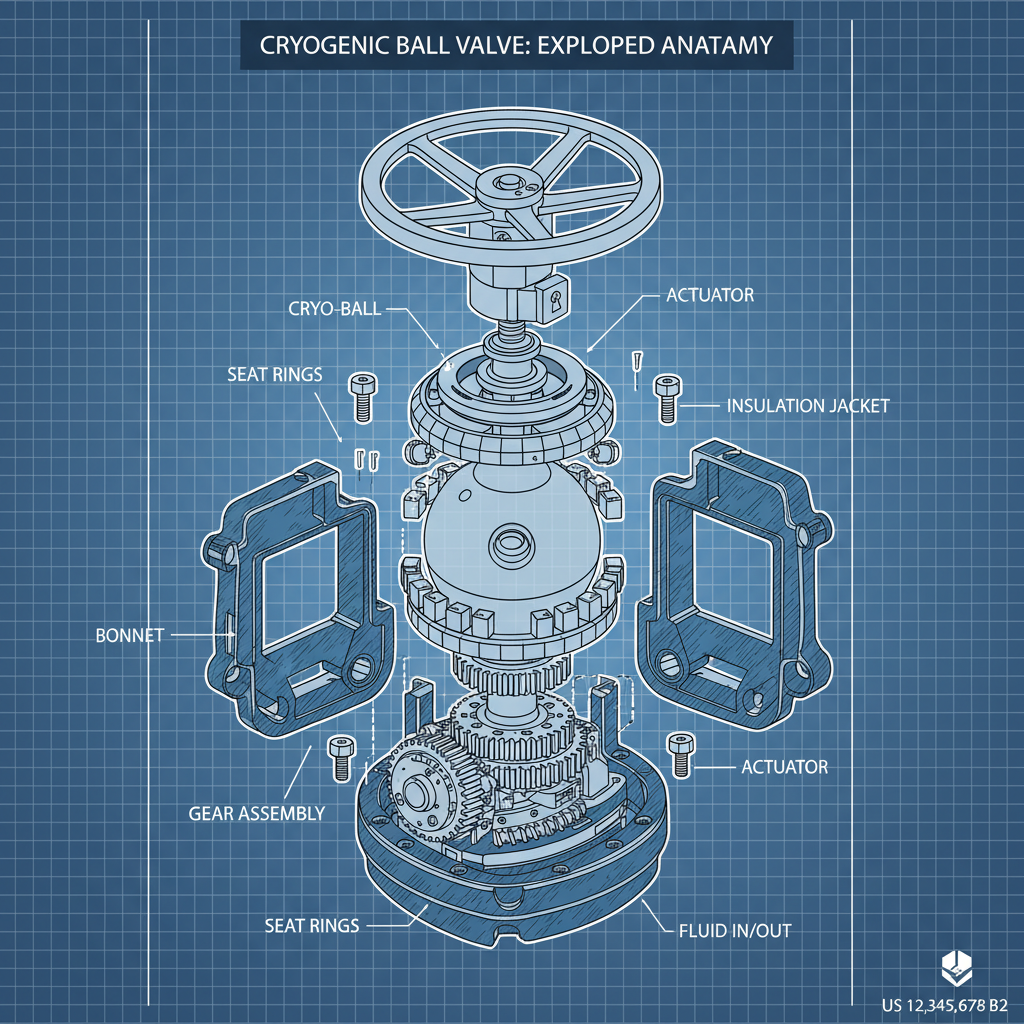
Key Considerations in Cryogenic Ball Valve Design
Several factors differentiate cryogenic ball valve design from standard valve design. Material selection is critical; standard materials become brittle at extremely low temperatures. Thermal contraction and expansion must be carefully accounted for to prevent leakage and valve seizure. Additionally, minimizing heat transfer into the cryogenic fluid is essential to maintain process integrity. Special attention must be given to sealing materials to ensure they remain flexible and effective at cryogenic temperatures. Accurate and robust designs are crucial when handling supercooled liquids.
Key Highlights: Material selection, thermal management, and sealing integrity are the cornerstones of successful cryogenic ball valve design.
Material Selection for Cryogenic Service
The choice of materials significantly impacts the performance and longevity of a cryogenic ball valve. Austenitic stainless steels (304, 316) and certain nickel alloys are commonly used due to their ability to retain ductility at low temperatures. However, even these materials exhibit some degree of embrittlement. Carbon steel is generally avoided due to its susceptibility to fracture at cryogenic temperatures. Seals are typically made from materials like PTFE, which remains flexible and provides a reliable seal even in extremely cold environments. Savvy Valve Tech carefully analyzes the specific fluid and temperature requirements to select the most appropriate materials for each application.
Common Materials in Cryogenic Ball Valves:
• 304/316 Stainless Steel: Excellent low-temperature ductility.
• Nickel Alloys: Superior resistance to embrittlement.
• PTFE: Flexible sealing even at cryogenic temperatures.
Cryogenic Ball Valve Design vs. Standard Ball Valve Design
While the basic operating principle remains the same, significant design differences exist between cryogenic and standard ball valves. Cryogenic valves require extended valve bonnets to provide adequate thermal insulation and prevent cold box-up. Standard valves don't need this because they operate at ambient temperatures. Furthermore, cryogenic valves utilize low-temperature rated seals and carefully calculated expansion joints to accommodate thermal movement. The cavity filling in cryogenic valves is also crucial to prevent liquid buildup and potential ice formation that could impede valve operation.
Applications of Cryogenic Ball Valves
Cryogenic ball valves are indispensable components in various industries. They are widely used in LNG (Liquefied Natural Gas) terminals for controlling the flow of cryogenic liquids. They are also essential in industrial gas facilities producing oxygen, nitrogen, and argon. Furthermore, cryogenic ball valves find applications in aerospace, semiconductor manufacturing, and medical fields requiring precise temperature control. Savvy Valve Tech provides specialized solutions for each application.
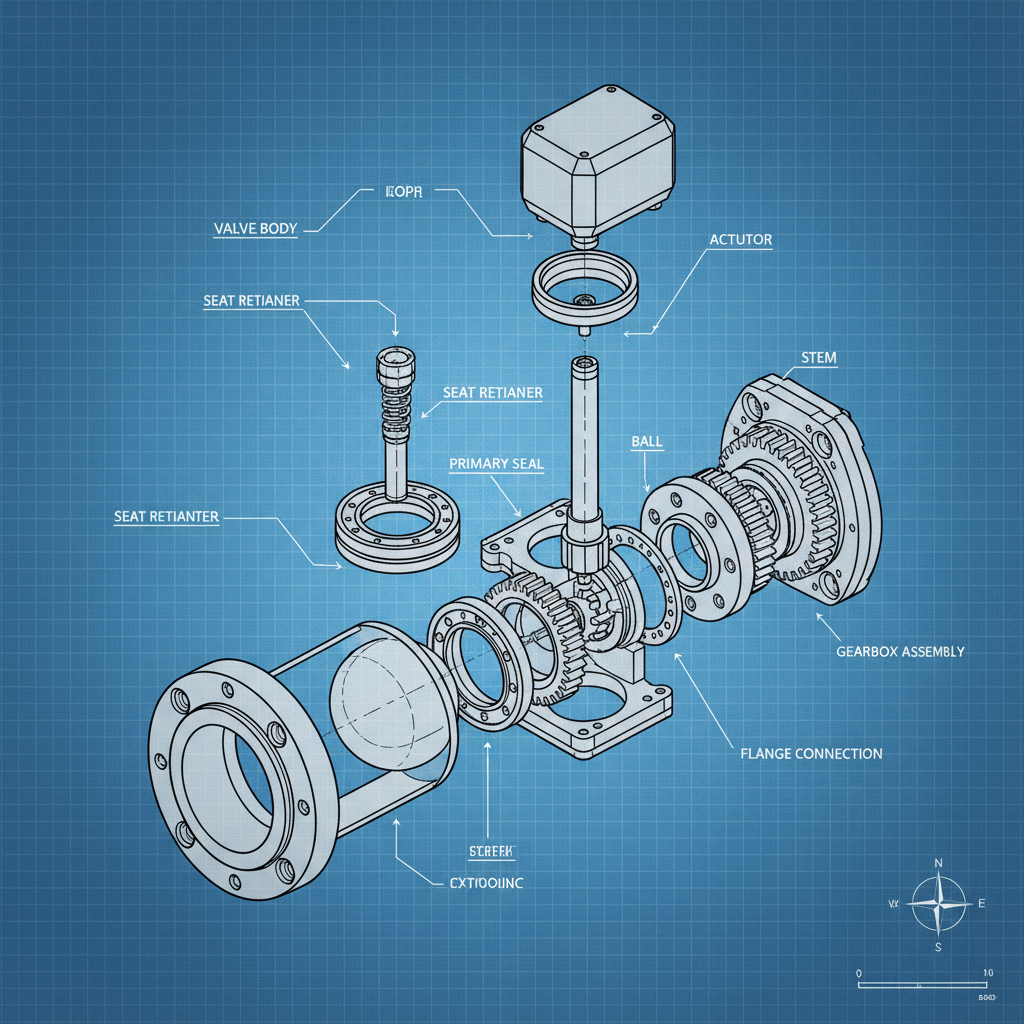
Quality Control and Testing of Cryogenic Valves
Rigorous quality control and testing are paramount in cryogenic ball valve manufacturing. Testing procedures include cryogenic temperature cycling to verify material performance, leak testing at extremely low temperatures, and pressure testing to ensure structural integrity. Non-destructive testing methods like radiography and ultrasonic testing are also employed to detect any internal flaws. Savvy Valve Tech adheres to stringent quality standards and provides comprehensive testing documentation for all its cryogenic ball valves.
Conclusion: Ensuring Reliability in Cryogenic Applications
Selecting the right cryogenic ball valve is crucial for safe and efficient operation in demanding low-temperature environments. Understanding the intricacies of material selection, design considerations, and quality control is essential. Savvy Valve Tech delivers high-performance cryogenic ball valves engineered for reliability and longevity, backed by expert support and comprehensive testing.
Frequently Asked Questions (FAQs)
What are the common failure modes of cryogenic ball valves?
Common failure modes include seat leakage due to thermal contraction, valve seizing caused by ice formation, and material embrittlement leading to fracture. Proper design, material selection, and regular maintenance can mitigate these risks. Proper operation and periodic inspection are crucial to ensure optimal performance and identify potential issues before they escalate. Look for signs of external leakage or unusual valve operation and address them promptly.
How important is the valve bonnet extension in cryogenic applications?
The valve bonnet extension is critical. It provides thermal insulation, preventing the cold fluid from directly contacting the valve stem and actuator, which could cause freezing and operational issues. The extended bonnet creates a thermal break, isolating the warm components from the cryogenic temperatures. Without it, the valve’s operation can be severely compromised, potentially leading to failure.
What is the role of cavity filling in cryogenic ball valves?
Cavity filling involves introducing a thermally insulating material within the valve body to minimize heat transfer and prevent the accumulation of condensed fluids. This prevents ice formation that can impede ball rotation and cause valve seizure. The filling material is chosen for its low thermal conductivity and compatibility with the cryogenic fluid. Maintaining the integrity of the cavity fill is vital for reliable valve operation.
What industries benefit most from specialized cryogenic ball valve design?
Industries such as LNG processing and transportation, industrial gas production (oxygen, nitrogen, argon), aerospace (fuel systems), and medical facilities (cryopreservation) significantly benefit from specialized cryogenic ball valve design. These industries demand high reliability and safety when handling extremely low-temperature fluids, making optimized valve performance essential for operational efficiency and process integrity.



 English
  Arabic
  Azerbaijani
  Czech
Czech  Dutch
Dutch  French
  German
  Indonesian
  Italian
  Japanese
  Korean
  Malay
Malay  Persian
  Polish
  Portuguese
  Russian
  Spanish
  Thai
Thai  Vietnamese