
Understanding Cryogenic Ball Valves: A Comprehensive Guide
In industries dealing with extremely low temperatures – from LNG to industrial gas processing – the reliable operation of valves is paramount. Cryogenic ball valves are specifically engineered to handle these demanding conditions. This article provides an in-depth look at these specialized valves, their applications, key features, materials, and considerations for selection and maintenance. We’ll explore how choosing the right cryogenic ball valve contributes to safety, efficiency, and longevity in your operations.
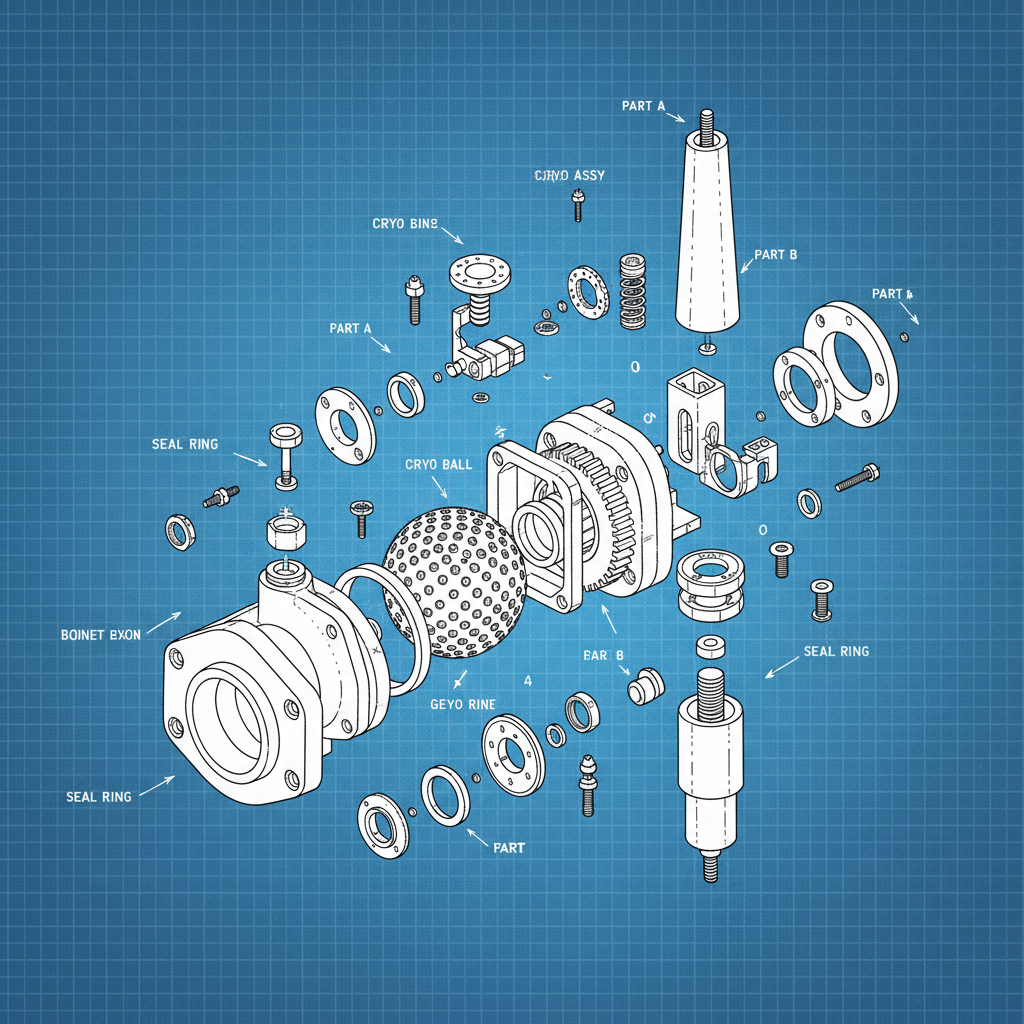
What are Cryogenic Ball Valves?
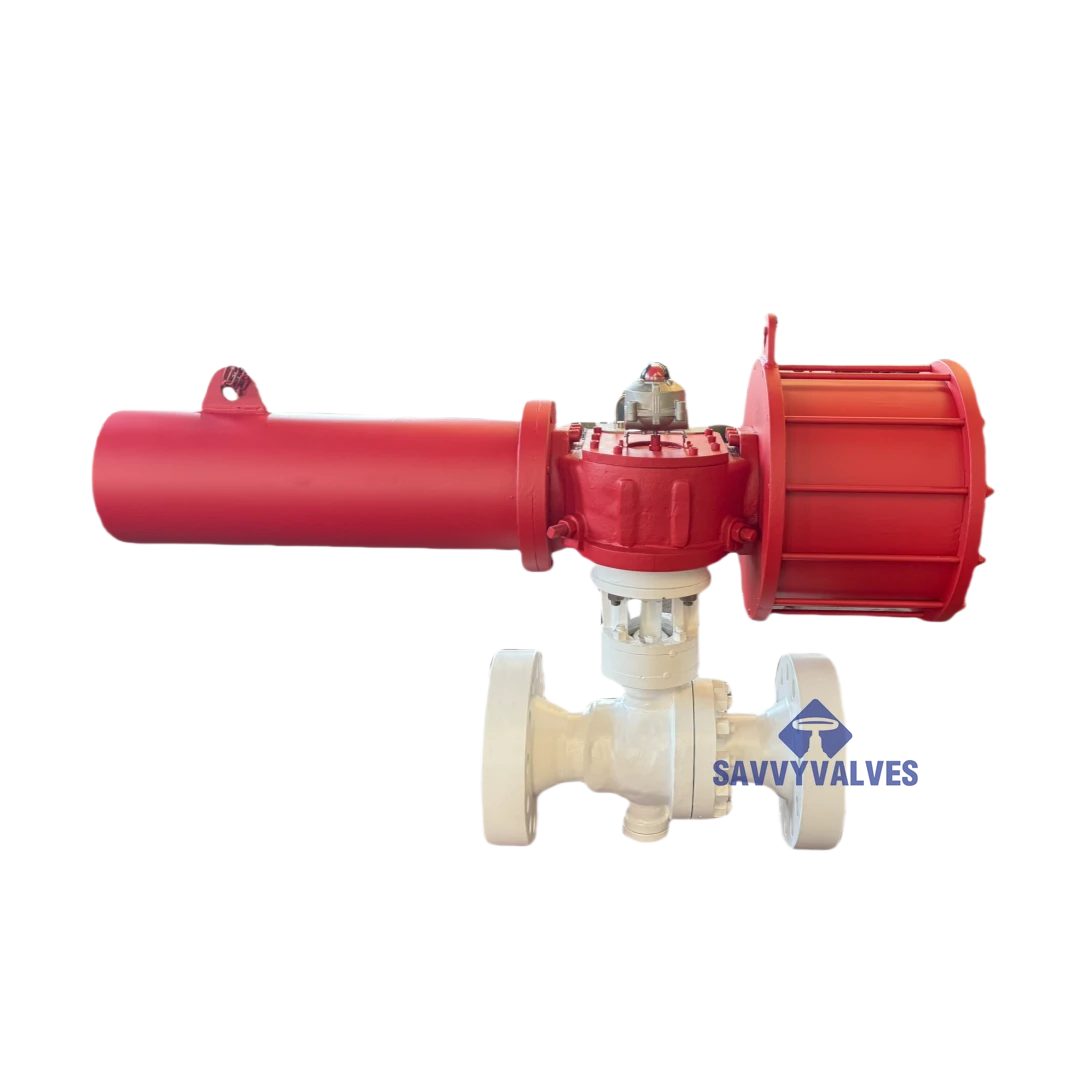
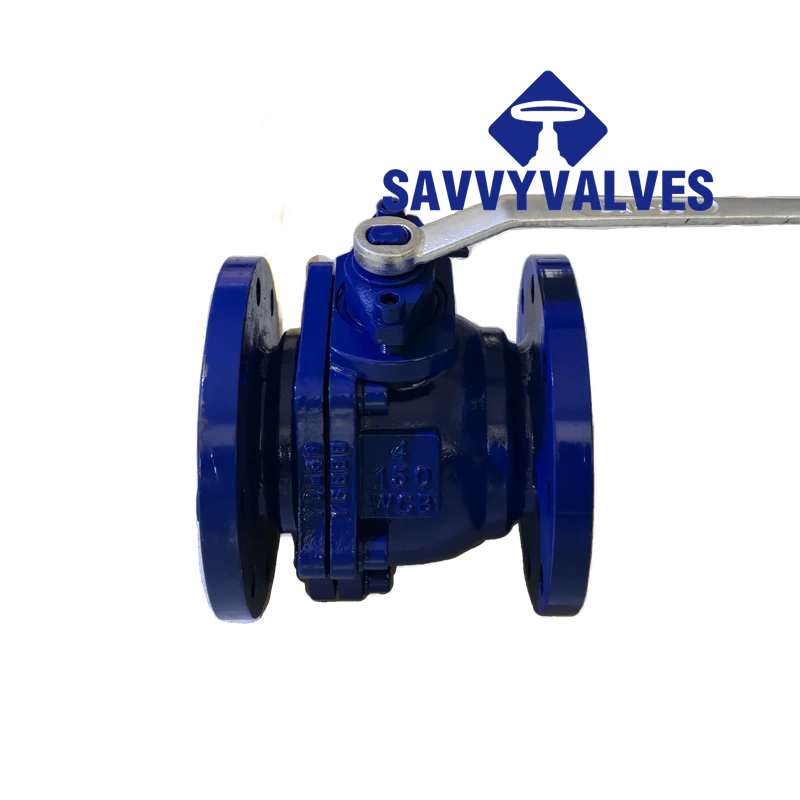
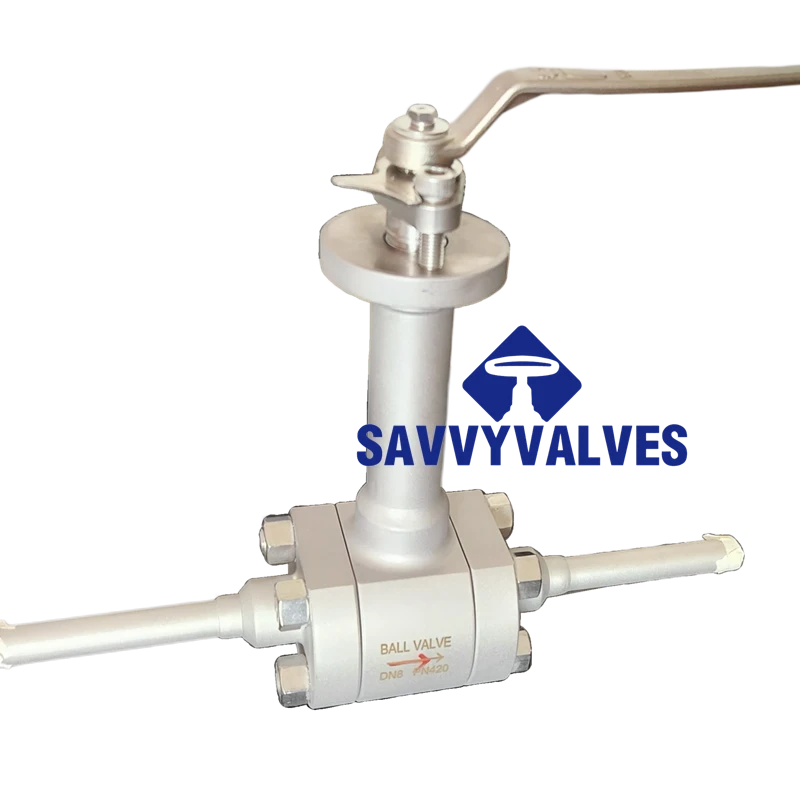
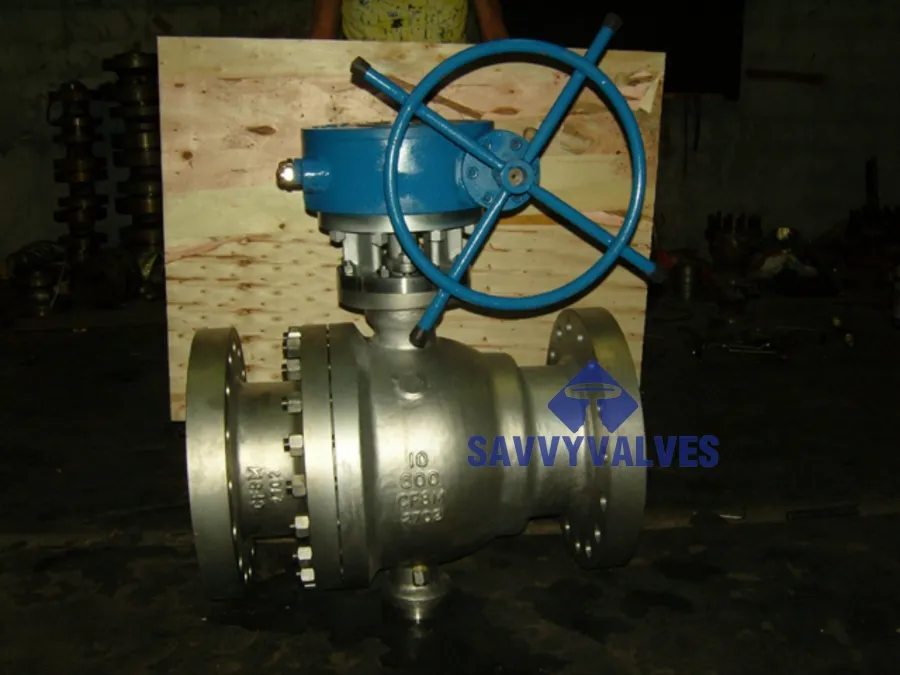
Cryogenic ball valves are a type of quarter-turn valve designed for on/off control of fluids at extremely low temperatures, typically below -150°F (-101°C). Unlike standard ball valves, cryogenic valves are constructed with specialized materials and designs to withstand the thermal stresses and material embrittlement that occur at these temperatures. The internal components, including the ball, seats, and stem, are all meticulously selected to maintain their integrity and sealing capabilities in cryogenic environments. The proper functioning of these valves is crucial in various applications, preventing leaks and ensuring process safety. Savvy Valve Tech offers a range of high-performance cryogenic ball valves tailored to specific industry needs.
Key Characteristics: Specifically designed for extremely low temperature applications. Utilizes specialized materials to prevent embrittlement. Provides reliable on/off control of cryogenic fluids.
Key Applications of Cryogenic Ball Valves
Cryogenic ball valves find application in a diverse range of industries where low-temperature fluid control is essential. These include: Liquid Natural Gas (LNG) terminals, Industrial Gas Plants (nitrogen, oxygen, argon production), Aerospace (fuel storage and handling), Medical (cryopreservation), and Chemical Processing. In LNG terminals, they regulate the flow of liquefied gas during loading, unloading, and storage. Industrial gas plants rely on them for the precise control of cryogenic gases used in various manufacturing processes. The demand for reliable cryogenic ball valves is steadily increasing as the LNG industry expands globally.
Common Applications:
• LNG Terminals
• Industrial Gas Production
• Aerospace Fuel Systems
• Cryopreservation in Medical Facilities
Cryogenic Ball Valve Materials: A Critical Comparison
The selection of materials is paramount in cryogenic ball valve design. Common materials include 304/316 Stainless Steel, Monel, and Inconel. Each material possesses unique properties that make it suitable for specific cryogenic applications. 304/316 stainless steel offer good corrosion resistance and are widely used for general cryogenic service. Monel provides superior resistance to chloride stress corrosion cracking, making it ideal for marine environments. Inconel, a nickel-chromium alloy, exhibits excellent strength and corrosion resistance at extreme temperatures.
Key Design Features of Cryogenic Ball Valves
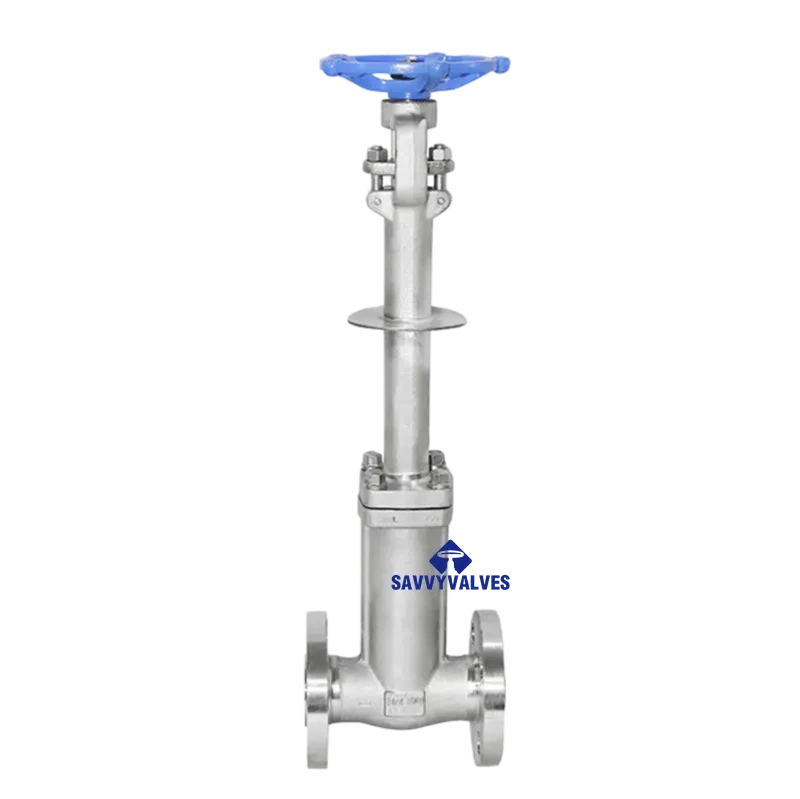
Beyond material selection, specific design features differentiate cryogenic ball valves from standard models. These include extended bonnet extensions to isolate valve trim from ambient temperatures, vent holes to relieve pressure build-up, and special seat materials like PTFE or reinforced PTFE for low-temperature sealing. Low-temperature testing and certification are critical to ensure valve performance. Savvy Valve Tech’s cryogenic ball valves are designed and tested to meet stringent industry standards.
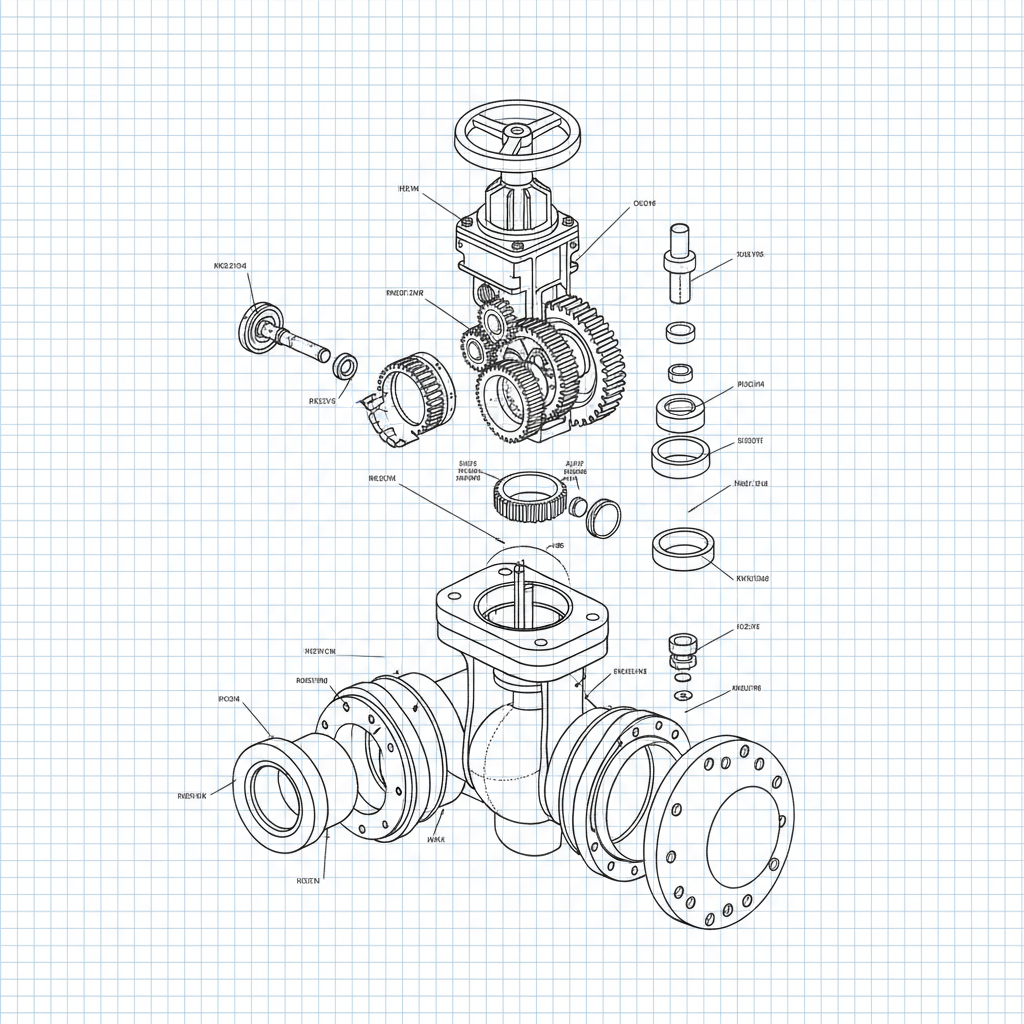
Maintenance and Inspection: Ensuring Longevity
Regular inspection and maintenance are essential for ensuring the reliable operation of cryogenic ball valves. This includes visual inspection for signs of damage or corrosion, leak testing, and periodic actuation checks. Following the manufacturer's recommended maintenance schedule is crucial. Proper storage of spare parts is also important to minimize downtime. A well-maintained cryogenic ball valve will provide years of reliable service, reducing the risk of costly failures. Partnering with a reputable valve supplier like Savvy Valve Tech ensures access to expert support and guidance.
Conclusion: Investing in Reliable Cryogenic Solutions
Choosing the right cryogenic ball valve is a critical decision for industries operating at extremely low temperatures. By understanding the key materials, design features, and maintenance requirements, you can ensure reliable, safe, and efficient operation. Investing in quality valves from a trusted supplier like Savvy Valve Tech is an investment in the long-term success of your operations.
Frequently Asked Questions (FAQs)
What is the importance of a vent hole in a cryogenic ball valve?
Vent holes are crucial in cryogenic ball valves to relieve pressure build-up within the valve body. As cryogenic fluids warm up, they can generate significant pressure due to vaporization. Without a vent, this pressure could damage the valve or cause it to malfunction. Vent holes allow for controlled release of this pressure, ensuring safe and reliable operation. They are especially important in applications where the valve may be subject to temperature fluctuations.
What are the common seat materials used in cryogenic ball valves?
Common seat materials for cryogenic ball valves include PTFE (polytetrafluoroethylene) and reinforced PTFE. These materials maintain their flexibility and sealing properties at extremely low temperatures, unlike many other elastomers. Reinforced PTFE often contains fillers like carbon fiber or graphite to enhance its strength and wear resistance. The choice of seat material depends on the specific cryogenic fluid and operating conditions.
How often should cryogenic ball valves be inspected?
Cryogenic ball valves should be inspected regularly, typically every six months to a year, depending on the severity of the service conditions. Inspections should include visual checks for signs of corrosion, leakage, or damage to the valve body, bonnet, and actuator. Leak tests should be performed to verify the integrity of the seals. Records of inspections and maintenance should be maintained for traceability.
What certifications should I look for in a cryogenic ball valve?
When selecting a cryogenic ball valve, look for certifications such as ISO 9001 (quality management system) and relevant industry standards like API 6D (ball valves) and specific cryogenic testing standards. These certifications demonstrate that the valve has been manufactured and tested to meet rigorous quality and safety requirements. Verification of compliance with these standards is crucial for ensuring reliable performance.


 English
  Arabic
  Azerbaijani
  Czech
Czech  Dutch
Dutch  French
  German
  Indonesian
  Italian
  Japanese
  Korean
  Malay
Malay  Persian
  Polish
  Portuguese
  Russian
  Spanish
  Thai
Thai  Vietnamese