
Understanding the Critical Role of the Cryogenic Ball Valve
It's funny, you don't think about valves much until something goes wrong. But in industries dealing with extremely low temperatures – LNG, industrial gases, even some specialized chemical processing – the valve isn't just a component, it's a critical safeguard. And a standard ball valve? Well, it just won’t cut it. The materials become brittle, seals fail… it’s a whole cascade of potential issues. Frankly, a failure can be incredibly costly, and potentially dangerous. That’s where the cryogenic ball valve steps in. It’s specifically engineered to handle those stresses, and Savvy Valve Tech has been making some really solid ones, consistently improving material science I’ve noticed over the years.
Cryogenic Ball Valve: The Core Technology
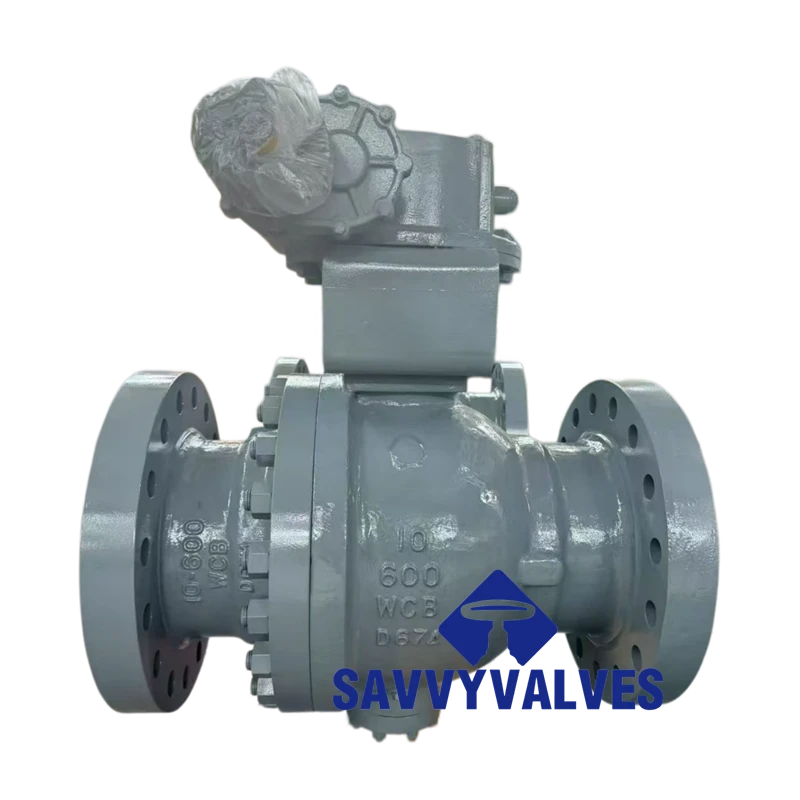
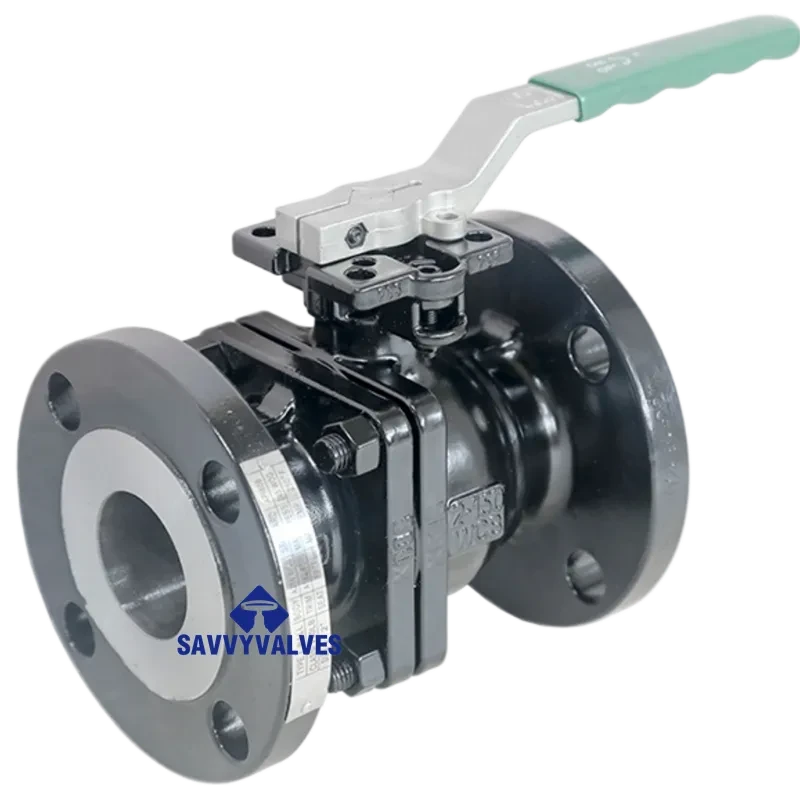
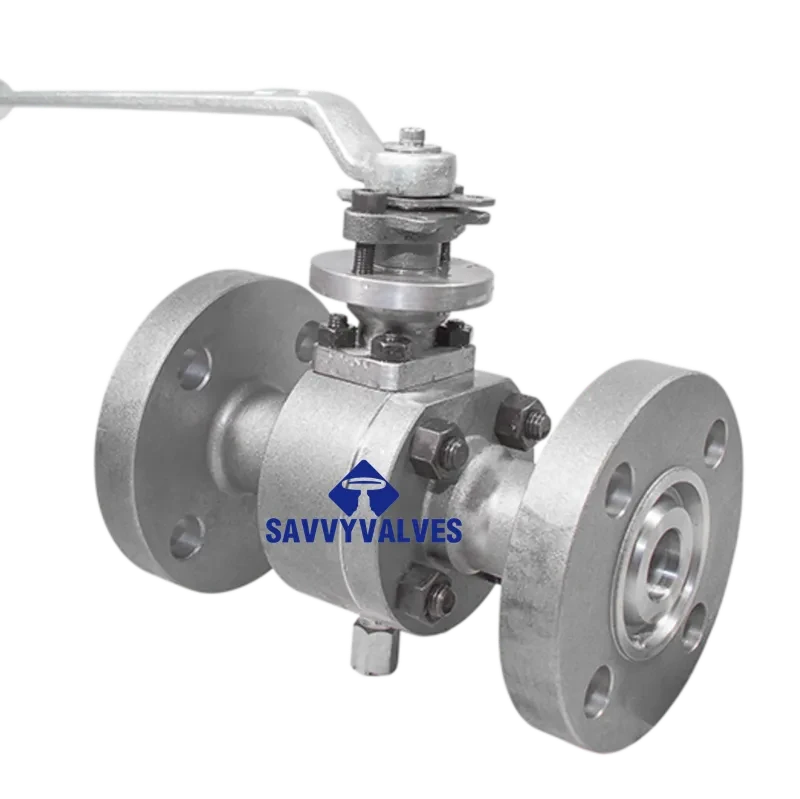
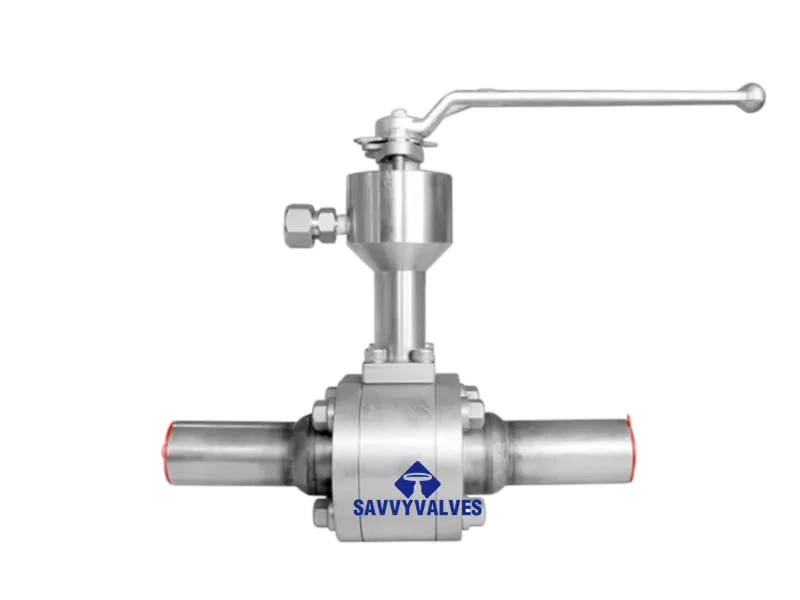
So, what makes a ball valve cryogenic? It's not just a label. It starts with the materials. Typically, you’re looking at 304 or 316 stainless steel, specifically chosen for its low-temperature toughness. But even then, it’s the processing – the heat treatment, the specific alloy composition – that really matters. The seats, that's crucial too. They need to maintain a tight seal even as the metal contracts. PTFE is common, but reinforced PTFE is often preferred for added resilience. I suppose the design focuses on minimizing thermal contraction and expansion, and ensuring that the ball itself doesn’t seize within the valve body. A lot of engineers I've spoken with emphasize the importance of a properly designed spring-loaded mechanism to maintain consistent sealing pressure. Here’s a quick rundown of typical specs:
| Parameter | Specification | Notes |
|---|---|---|
| Body Material | 316 Stainless Steel | ASTM A351 Grade CF8M |
| Seat Material | Reinforced PTFE | Low friction, excellent sealing |
| Temperature Range | -196°C to +60°C | Depending on material selection |
| Pressure Rating | Up to 2500 PSI | Class 600 standard |
Where are Cryogenic Ball Valves Used?
LNG facilities, obviously, are huge consumers. But it's much broader than that. Industrial gas suppliers – companies producing oxygen, nitrogen, argon – rely on them heavily. Chemical plants, pharmaceutical manufacturers… anywhere you're dealing with liquefied gases, you'll find these valves. I suppose a lot of the demand is driven by the growing LNG export market, and the ongoing push for cleaner energy sources. They're also being used increasingly in carbon capture and storage (CCS) technologies, which, well, that's a big area right now. A lot of customisation comes into play too, you know, specific port connections, actuator types, and even specialised coatings for extra corrosion resistance.
Vendor Landscape & Cost Considerations
The cryogenic ball valve market isn’t enormous, but it's certainly specialized. You’ve got the established players – like Savvy Valve Tech, obviously – and then a number of Chinese manufacturers entering the scene. The price difference can be significant, but you have to be careful about quality control. A cheap valve that fails isn’t a bargain; it’s a liability. I’ve heard reports of some imported valves having issues with material certification and consistent performance. This table shows a quick comparison:
| Vendor | Price (Typical) | Quality Control | Lead Time |
|---|---|---|---|
| Savvy Valve Tech | $800 - $2500 | Rigorous, full material traceability | 4-6 weeks |
| Vendor A (China) | $400 - $1200 | Variable, potential concerns | 2-4 weeks |
| Vendor B (Europe) | $1200 - $3000 | High, ISO 9001 certified | 6-8 weeks |
Looking Ahead
I was talking to a process engineer at a major LNG export terminal recently, and he was telling me about the increasing demand for valves with integrated digital monitoring. Being able to remotely track valve performance and predict potential failures is huge for operational efficiency. It feels like that’s where the industry is headed. I think the focus will be less on just the valve itself, and more on the data it can provide. It's not enough to prevent failure, it's about predicting it.
Frequently Asked Questions about Cryogenic Ball Valve
- What is a Cryogenic Ball Valve and how does it work?
- A cryogenic ball valve is designed to regulate the flow of fluids at extremely low temperatures. It uses a ball with a bore through it to control the flow. Specialized materials and design features ensure reliable operation in cryogenic conditions.
- What are the main benefits of using Cryogenic Ball Valve in industrial applications?
- The key benefits include durability in extreme temperatures, leak-tight sealing, reduced maintenance costs, and improved operational safety compared to standard valves.
- How does a Cryogenic Ball Valve compare to traditional alternatives?
- Traditional valves often fail in cryogenic applications due to material brittleness and seal failure. Cryogenic ball valves are specifically engineered with materials and designs to withstand these conditions, providing significantly higher reliability.
- What industries can benefit most from Cryogenic Ball Valve implementation?
- Industries like LNG, industrial gas production, petrochemicals, aerospace, and pharmaceutical manufacturing, where cryogenic fluids are handled, benefit the most from using these valves.
Final Thoughts
Ultimately, investing in a quality cryogenic ball valve – and, honestly, working with a reliable supplier like Savvy Valve Tech – is about mitigating risk and ensuring the long-term integrity of your operations.
- - "Visit our website: https://www.savvyvalvetech.com"


 English
  Arabic
  Azerbaijani
  Czech
Czech  Dutch
Dutch  French
  German
  Indonesian
  Italian
  Japanese
  Korean
  Malay
Malay  Persian
  Polish
  Portuguese
  Russian
  Spanish
  Thai
Thai  Vietnamese