
Why the Centric Butterfly Valve Is Shaping Modern Industry
When you dive into plumbing, process control, or water management systems worldwide, the centric butterfly valve quietly plays a starring role. It's not just some mundane part on a machine; rather, it’s a part that carries real weight in industries ranging from chemical processing to wastewater treatment. With rising global demands on infrastructure efficiency and sustainability, knowing how a centric butterfly valve works — and what makes it special — is more important than ever.
Global Context: Why Centric Butterfly Valves Matter Today
Across continents, water scarcity, aging infrastructure, and industrial expansion create major headaches. According to the UN Water statistics, nearly 2 billion people lack access to safely managed drinking water; meanwhile, industries push harder for reliable, efficient flow control solutions. Butterfly valves, especially centric designs, stand out for their compactness and cost-effectiveness, making them critical in new plant setups and retrofitting projects alike.
But there’s a subtle challenge here: how to balance durability with operational ease in valves used extensively worldwide? The answer often points to centric butterfly valves — their design reduces wear and ensures consistent sealing, which is vital in harsh environments.
Defining the Centric Butterfly Valve Made Simple
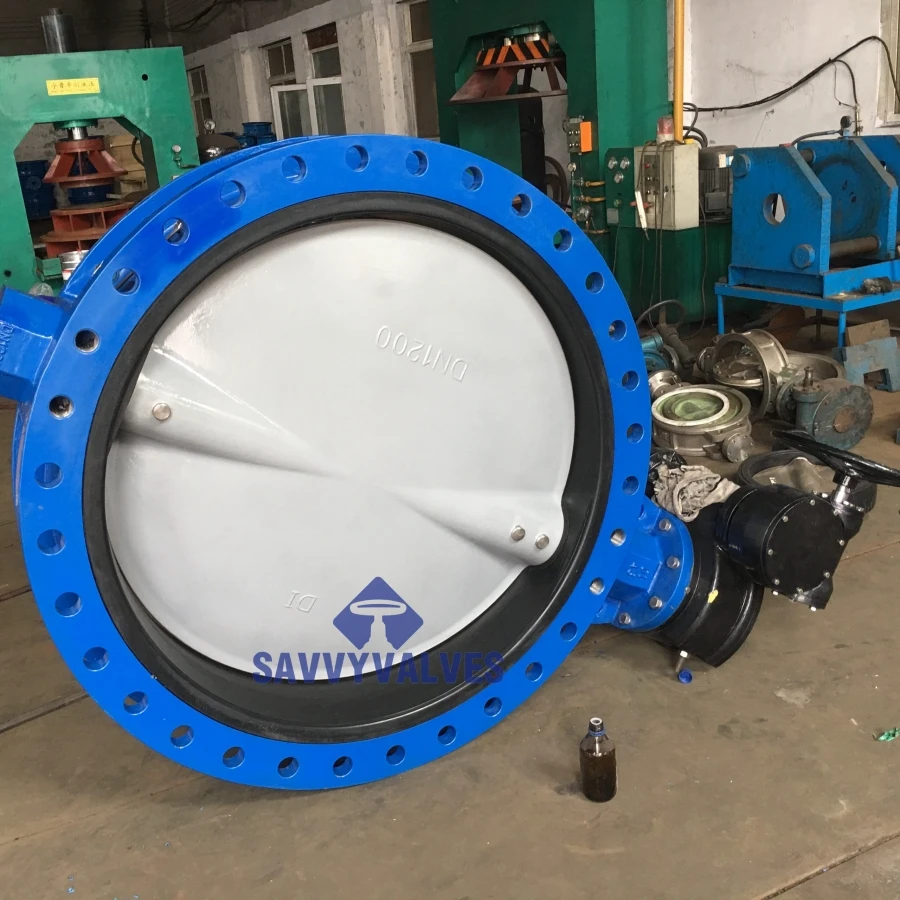
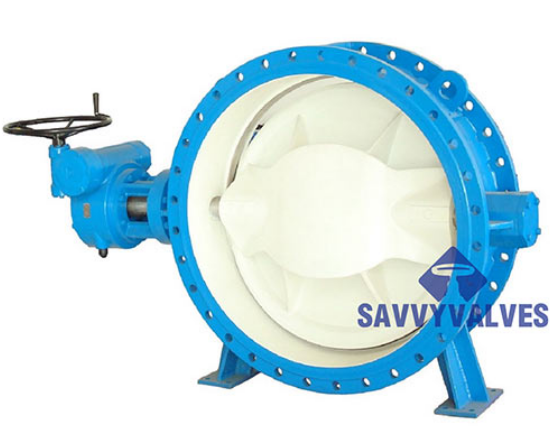
At its core, a centric butterfly valve is a quarter-turn valve that uses a circular disc to start, regulate, or stop fluid flow inside a pipe. The “centric” bit means the disc’s rotation axis is exactly at the center of the valve body and pipe bore. This contrasts with double-offset or triple-offset designs where the disc is shifted to improve sealing further but often at higher cost or complexity.
This design means the disc stays completely within the pipe flow, streamlining fluid dynamics and reducing stress on the valve’s seat and seal components. You can think of it as a traffic cop quietly yet firmly directing the flow inside industrial or municipal systems.
Core Characteristics of Centric Butterfly Valves
Durability
Most centric valves are built for many years of use, often in corrosive or abrasive environments. Materials range from stainless steel to resilient rubber-lined discs. This durability keeps downtime and maintenance costs low — a major win for operational budgets.
Cost Efficiency
The simplicity of the centric design means less machining and fewer moving parts. This often translates to lower upfront costs compared to more complex butterfly valves — something smaller plants and developing markets especially appreciate.
Compactness
Because the valve disc rotates on its centerline, centric butterfly valves are often slimmer than alternatives like globe valves or gate valves. This saves space in piping systems, which is a practical advantage when retrofitting old plants or tight urban utility lines.
Ease of Operation
With only a quarter turn needed to open or close, these valves enable quick action and are often used with simple manual or automated actuators.
Sealing Performance
Although centric valves aren’t always perfect for high-pressure or critical sealing applications, advances in elastomeric seals provide respectable leak prevention in many water and low-pressure gas systems.
Industries and Global Use Cases
From water purification plants in Southeast Asia to chemical manufacturing hubs in Europe, centric butterfly valves are everywhere. For example:
- Municipal Water Systems: Used to control flow efficiently in large pipelines supplying cities.
- Food and Beverage: The compact design suits hygienic setups where space is limited.
- HVAC Systems: Applied for air and water flow control in large buildings worldwide.
- Emergency Relief Efforts: In post-disaster water distribution setups, lightweight and easily installed centric valves enable swift restoration of critical services.
Oddly enough, remote industrial zones in Africa and South America also rely on these valves, primarily because they’re simple enough for local technicians to maintain without frequent expert visits.
Typical Centric Butterfly Valve Specification Sheet
| Specification | Typical Range | Notes |
|---|---|---|
| Pressure Rating | Up to 16 bar (232 psi) | Standard for water & light gas uses |
| Valve Size | 2” to 48” (50mm - 1200mm) | Common pipe diameters in industry |
| Material | Stainless Steel, Cast Iron, Ductile Iron | Materials chosen per application and fluid |
| Seal Type | EPDM, NBR, Viton | Elastomer options for resistance and tightness |
| Operation | Manual, Electric/Pneumatic Actuator | Flexible operation methods |
Leading Centric Butterfly Valve Vendors Compared
| Vendor | Price Range | Material Options | Typical Delivery | Special Features |
|---|---|---|---|---|
| ValveCo | $150 - $1,500 | Cast Iron, Stainless Steel | 2-4 weeks | Custom coatings, ISO 9001 certified |
| FlowTech | $180 - $1,700 | Ductile Iron, Stainless Steel | 3-5 weeks | Actuator ready, extended warranties |
| AquaValve | $200 - $2,000 | Stainless Steel, Rubber-lined | 2 weeks | Eco-friendly seals, NSF certified |
Advantages and The Long-Term Value of Centric Butterfly Valves
When I chat with engineers, a few benefits always come up:
- Cost-effectiveness: upfront and over lifecycle.
- Maintenance simplicity: few moving parts mean fewer breakdowns.
- Sustainability: many valves now use eco-conscious materials.
- Safety and reliability: precise control of flow affects outcomes like water safety and chemical process integrity.
The bottom line: these valves bring peace of mind and tangible savings. They’re the trusty gatekeepers for fluids everywhere.
Future Trends: What’s Next for Centric Butterfly Valves?
Smart valves are no longer science fiction. Integration with IoT sensors for remote monitoring, improved sealing materials for harsher chemicals, and automation tailored to energy grids are all bubbling under the surface. Also, green energy projects benefit from valves that withstand variable flow without excessive wear. Lighter composite materials and digital diagnostics will only push the boundaries.
Common Challenges and How to Overcome Them
One issue is that centric butterfly valves aren’t always ideal for high-pressure or very abrasive flows. Seal wear can accelerate under some conditions, and leakage, while minimal, isn’t zero. Many users now adopt hybrid versions or employ automation combined with predictive maintenance to catch wear early. So, while they’re not perfect, they continue evolving.
FAQ: Frequently Asked Questions About Centric Butterfly Valves
- What differentiates a centric butterfly valve from other butterfly valves?
- The centric valve’s disc rotation axis aligns exactly with the pipe centerline, making it simpler and often less expensive. Other butterfly valves have offset discs to improve sealing, suited for higher pressures.
- Can centric butterfly valves be automated?
- Absolutely. They can be fitted with electric or pneumatic actuators, allowing remote operation in critical systems.
- Are centric butterfly valves suitable for wastewater applications?
- Yes, especially for systems with moderate pressures and corrosive fluids. Their compact size and resilience make maintenance easier in such environments.
- What materials are best if I need a valve for chemical processing?
- Stainless steel and specially lined rubber seals (like Viton) often handle chemicals better, resisting corrosion and ensuring longer valve life.
- How often should these valves be inspected or maintained?
- Routine inspections every 6–12 months are common, but the schedule depends on operational conditions. Many operators track valve performance to predict service needs.
Wrapping Up: Why You Can Count On the Centric Butterfly Valve
Whether for municipal water, industrial processes, or emergency deployments, the centric butterfly valve offers a balance of simplicity, durability, and cost-effectiveness that few competitors match. Like an unsung hero in fluid control, it quietly supports critical systems daily worldwide.
Curious to see how a well-engineered centric butterfly valve can upgrade your system? Visit our website for detailed specs, expert advice, and tailored solutions to match your needs.


 English
  Arabic
  Azerbaijani
  Czech
Czech  Dutch
Dutch  French
  German
  Indonesian
  Italian
  Japanese
  Korean
  Malay
Malay  Persian
  Polish
  Portuguese
  Russian
  Spanish
  Thai
Thai  Vietnamese