
Understanding the 6 Flanged Ball Valve: Industry Insights & Practical Uses
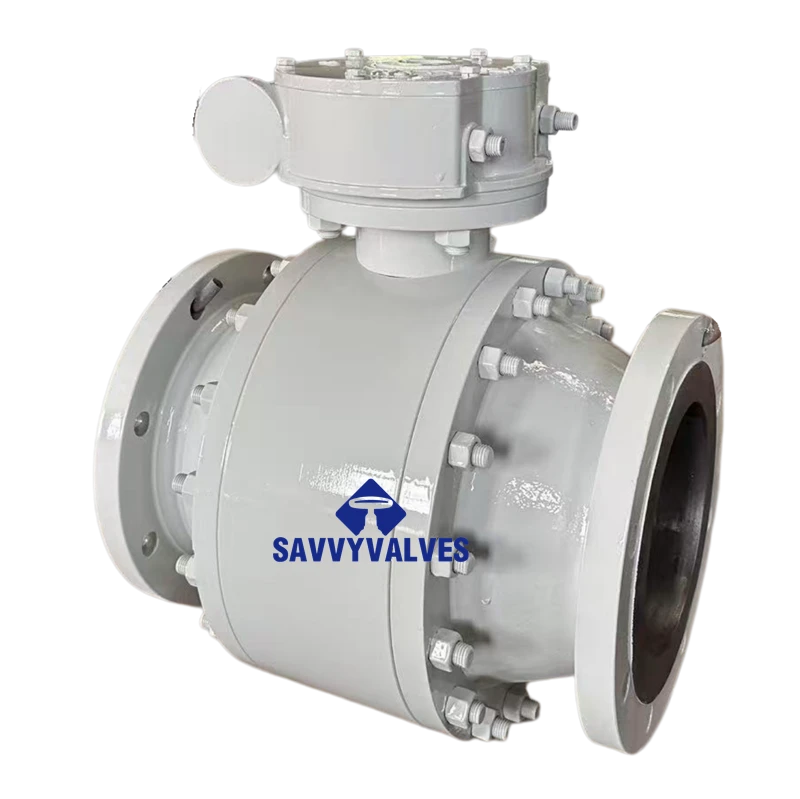
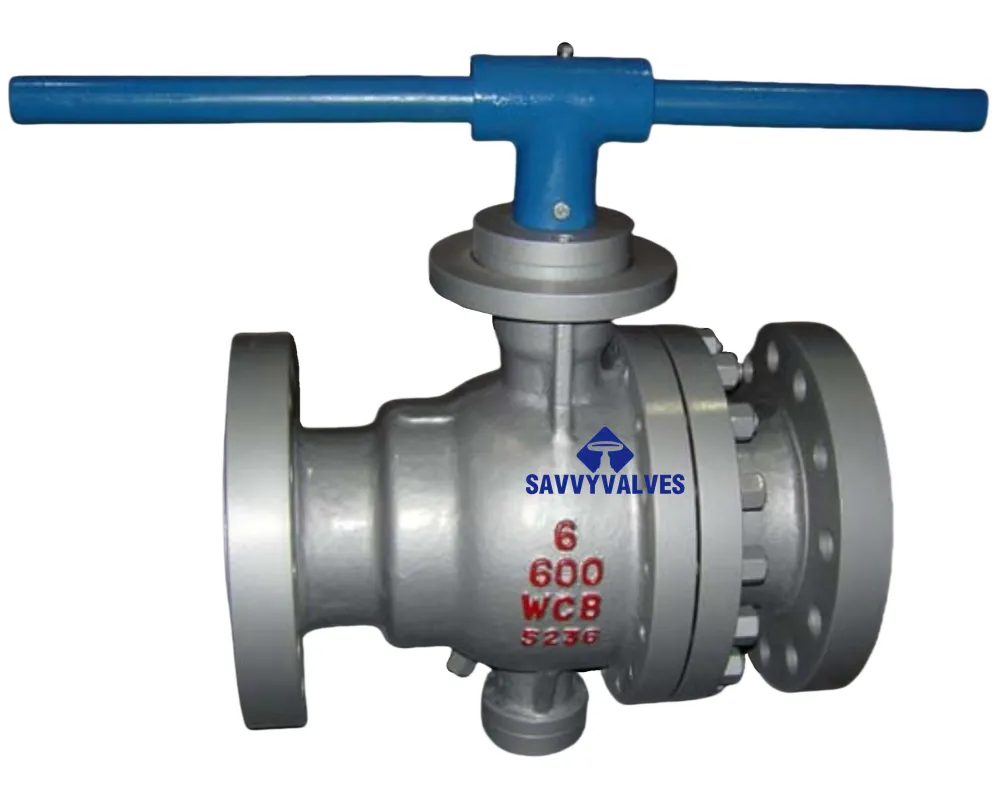
Having spent over a decade working hands-on in the industrial valve sector, I’ve come to appreciate the subtle merits of certain valve designs— and the 6 flanged ball valve is definitely one that stands out. For starters, its robust construction and ease of maintenance made it a frequent sight on the shop floor for many projects I was involved with, especially where full bore flow and tight shutoff were must-haves.
Oddly enough, these valves are often underestimated by newcomers, who might overlook the importance of the flange design. Yet, in real terms, these flanges make installation straightforward and secure, especially in piping systems exposed to vibration or high-pressure conditions. It feels like the perfect marriage of simplicity and strength.
Let’s dive into the nuts and bolts, or rather, the specs and comparisons you might find useful whether you’re specifying, purchasing, or just looking to understand why so many engineers endorse this valve type.
| Feature | Specification | Details |
|---|---|---|
| Size Range | 2" to 12" | Commonly used sizes in industrial lines |
| Pressure Rating | 150 PSI to 600 PSI | Suitable for medium to high pressure |
| Material | Stainless Steel 316 / Carbon Steel ASTM A216 WCB | Corrosion resistance and strength |
| End Connection | 6 Flanged | For secure, bolted pipe connections |
| Seat Type | PTFE / RPTFE | Ensures bubble-tight shutoff |
| Operation | Manual Lever or Pneumatic Actuator | Easy to automate or handle manually |
One thing I noticed over the years is that while many valve models advertise “flanged connections,” the 6 flanged variant often employs standard drilling patterns that line up with ASME B16.5 — which frankly makes life easier during service or system redesigns.
Another point is material selection. Engineers I worked with consistently favored Stainless Steel 316 for its excellent resistance to corrosive media — salty water, acids, you name it. And if your system demands more strength than corrosive resistance, carbon steel models are widely used — often with protective coatings or lined seats.
When it comes to testing, you might find it reassuring that these valves generally undergo shell and seat tests to international standards like API 598 or ISO 5208, so they don’t just look sturdy but actually perform reliably under pressure. Testing procedures aren't just checkbox exercises — from my experience, they weed out the duds that could cause costly downtime.
| Brand | Material Options | Pressure Classes | Customization | Typical Applications |
|---|---|---|---|---|
| Savvy Valve Tech | SS 316, Carbon Steel | 150-600 PSI | Custom flange drilling patterns, actuator-ready | Chemical, Petrochemical, HVAC |
| ValveCorp | Carbon Steel, Bronze | 150-400 PSI | Limited custom options | Water treatment, general industry |
| Industrial Flow | Stainless Steel 304, Carbon Steel | 150-500 PSI | Standard off-the-shelf range | Food & beverage, pharma |
I recall one particular project where a refinery retrofit called for a valve that could handle aggressive solvents with zero leakage tendency; our supplier recommended a 6 flanged ball valve with RPTFE seats and custom pneumatic actuators pre-installed. It worked flawlessly for years without a hiccup — proof positive that matching valve specs to application needs really pays off.
It’s worth adding that these valves’ modular nature means you can often swap the ball or seats on-site without dismantling the whole piping section. That’s a practical feature I came to rely on more often than I expected — because downtime anywhere in a plant can mean big losses.
In a nutshell: the 6 flanged ball valve quietly gets the job done where ruggedness, reliability, and ease of maintenance count. If you’re sourcing valves, don’t overlook the importance of knowing your exact pressure classes, chemical exposure, and installation preferences. And of course, linking up with a trusted factory like Savvy Valve Tech can smooth the whole process.
At the end of the day, these valves aren’t flashy — they’re dependable, and that counts more than you might think.
References:
1. API 598 – Valve Inspection and Testing Standards
2. ASME B16.5 – Pipe Flanges and Flanged Fittings
3. Manufacturer technical datasheets from Savvy Valve Tech


 English
  Arabic
  Azerbaijani
  Czech
Czech  Dutch
Dutch  French
  German
  Indonesian
  Italian
  Japanese
  Korean
  Malay
Malay  Persian
  Polish
  Portuguese
  Russian
  Spanish
  Thai
Thai  Vietnamese