
Industry Trends in Flow Control and Backflow Prevention
The landscape of B2B plumbing and fluid management is continually evolving, driven by stringent regulatory requirements, advancements in material science, and the imperative for enhanced system efficiency and safety. A critical component in this ecosystem is the humble yet indispensable check valve, particularly the plumbing one way check valve. These valves are pivotal in preventing backflow, protecting pumps, and maintaining system integrity across a myriad of applications, from residential water supply to complex industrial processes.
Current trends highlight a growing demand for more durable, corrosion-resistant materials, smart monitoring capabilities, and valves capable of operating efficiently under diverse pressure and temperature conditions. Furthermore, the focus on sustainable practices and energy conservation is pushing manufacturers to innovate designs that minimize head loss and maximize service life. The integration of IoT for predictive maintenance and remote monitoring is also emerging, promising a future of smarter, more responsive fluid control systems. The reliability of a properly selected and installed plumbing one way check valve is paramount in achieving these objectives, safeguarding infrastructure and ensuring public health.
Understanding the Plumbing One Way Check Valve: Technical Specifications and Functionality
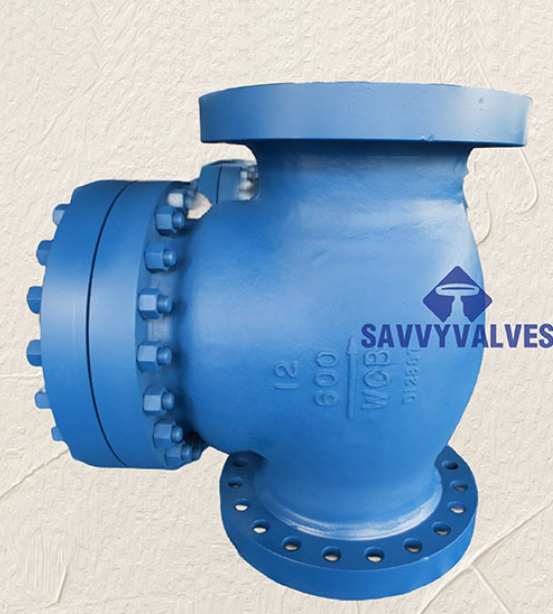
A plumbing one way check valve is a mechanical device that permits fluid (liquid or gas) to flow in only one direction, effectively preventing reverse flow. This functionality is crucial in preventing contamination, protecting sensitive equipment from pressure surges or vacuum, and ensuring the unidirectional flow required in many hydraulic and pneumatic systems. Key types include swing check valves, lift check valves, and spring-loaded check valves, each offering distinct operational characteristics suited to specific applications.
- Swing Check Valves: Feature a disc that swings on a hinge or pivots onto the flow path to block backflow. Ideal for low-velocity flow and large pipe diameters.
- Lift Check Valves: Utilize a disc that lifts off a seat by the pressure of the forward flow and falls back onto the seat to block reverse flow. Suited for high-velocity, small-diameter lines and systems with pulsing flow.
- Spring-Loaded Check Valves: Employ a spring to assist in closing the disc, making them effective in both horizontal and vertical installations, and providing rapid closure to prevent water hammer.
Typical Product Specifications: Plumbing Brass Check Valve
| Parameter | Specification |
|---|---|
| Material | Forged Brass (e.g., CW617N, C37700) |
| Nominal Size Range | DN15 - DN100 (1/2" - 4") |
| Connection Type | Threaded (NPT, BSP, BSPT) |
| Working Pressure | PN16, PN25, PN40 (Up to 40 bar / 600 PSI) |
| Working Temperature | -20°C to +120°C (-4°F to +248°F) |
| Sealing Material | NBR, EPDM, PTFE, Metal-to-Metal |
| Applicable Mediums | Water, Oil, Gas, Non-corrosive fluids |
| Testing Standards | EN 12266-1, API 598 |
Selecting the correct plumbing check valve involves a careful consideration of material compatibility, pressure and temperature ratings, flow characteristics, and installation orientation to ensure optimal performance and longevity.
Manufacturing Process of High-Quality Plumbing One Way Check Valves
The production of a reliable plumbing one way check valve is a complex process demanding precision engineering and rigorous quality control. Our manufacturing process ensures that each valve meets the highest industry standards for durability and performance.
Process Flow:
- Raw Material Sourcing & Inspection: We begin with selecting premium-grade brass alloys (e.g., CW617N lead-free brass for potable water applications, or C37700) known for their excellent corrosion resistance and mechanical properties. Each batch undergoes spectral analysis to confirm material composition, adhering to standards like ASTM B124 or EN 12165.
-
Casting or Forging:
- Casting: Molten brass is poured into molds to form the valve body and cap. This method allows for intricate designs.
- Forging: Brass billets are heated and pressed into shape under immense pressure. Forging results in a denser, non-porous material structure, significantly enhancing strength, fatigue resistance, and overall durability – a preferred method for high-pressure plumbing check valve applications.
- CNC Machining: Precision Computer Numerical Control (CNC) machines meticulously shape the forged or cast components. This stage ensures exact dimensions, smooth seating surfaces, and accurate thread profiles, critical for leak-free performance and optimal flow characteristics. Tolerances are typically held to within ISO 2768-mK.
- Assembly: Skilled technicians assemble the valve components, including the disc, spring (if applicable), O-rings, and seals. Specialized tools ensure correct torque application for critical connections.
-
Rigorous Testing & Quality Assurance: Every plumbing check valve undergoes a multi-stage testing protocol:
- Hydrostatic Pressure Test: Valves are subjected to pressures exceeding their nominal rating (e.g., 1.5 times PN rating) to detect body leaks, per EN 12266-1 or API 598.
- Low-Pressure Air Seat Test: Ensures perfect sealing under low differential pressure.
- Cycle Testing: Random samples undergo thousands of open/close cycles to simulate real-world service life and verify long-term reliability. Our valves are designed for a service life exceeding 15 years under typical operating conditions.
- Dimensional Inspection: Verification of all critical dimensions against design specifications.
- Surface Treatment & Packaging: Valves may receive surface treatments (e.g., nickel plating) for enhanced corrosion resistance. Finally, they are carefully packaged to prevent damage during transit.
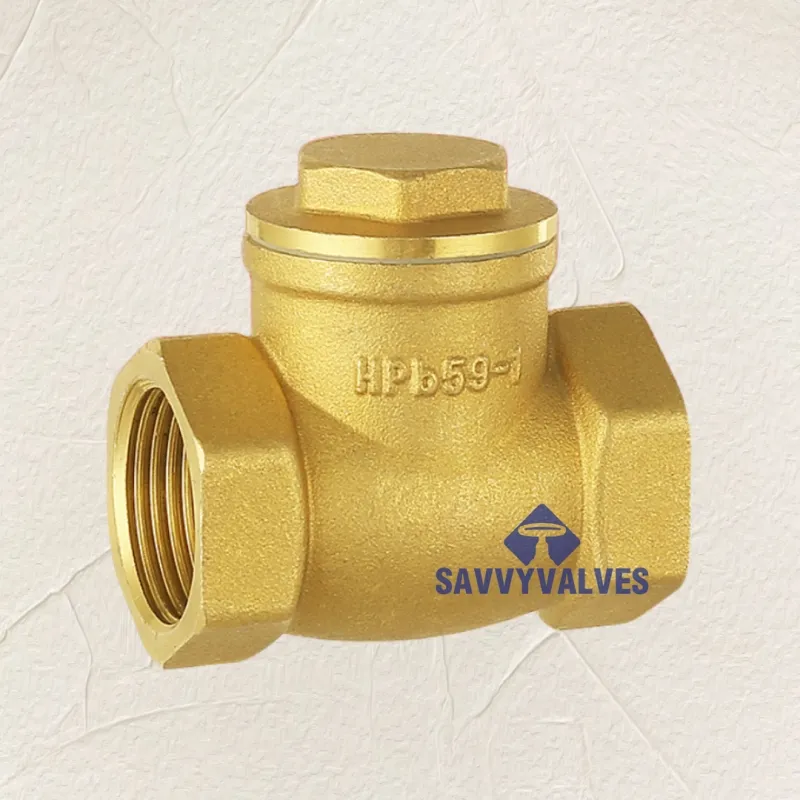
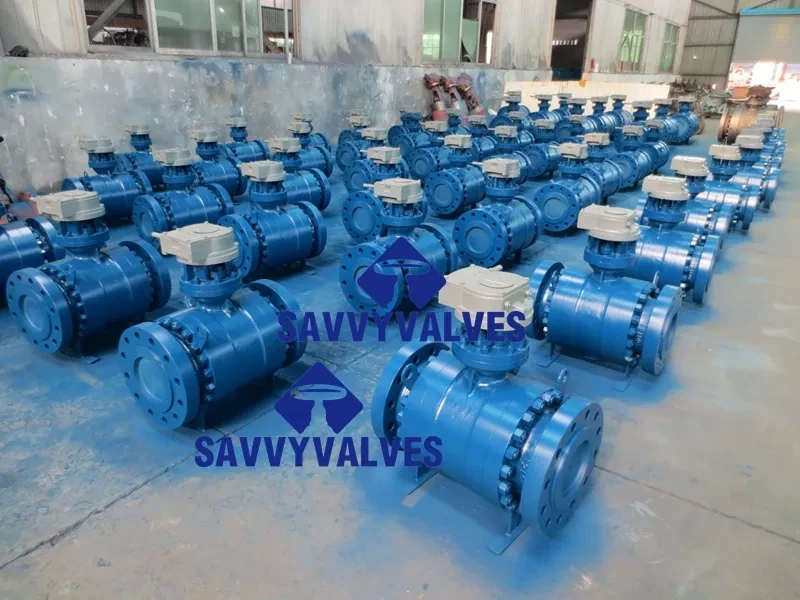
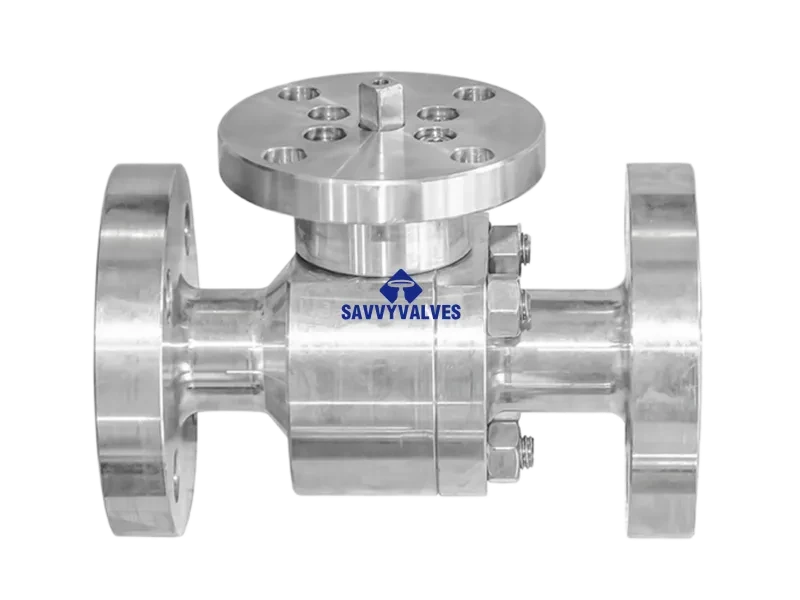
Precision engineering for robust plumbing one way check valves.
Target industries benefiting from our rigorously manufactured valves include petrochemical, metallurgy, water supply & drainage, HVAC, and fire protection systems. Advantages demonstrated include significant energy saving by preventing backflow in pump systems (reducing cavitation and surge), and superior corrosion resistance due to high-quality brass construction, ensuring extended operational lifespan in demanding environments.
Key Application Scenarios for Plumbing Check Valves
The versatility of the plumbing check valve makes it an indispensable component across various sectors. Its primary function, preventing reverse flow, translates into critical benefits for system integrity, safety, and efficiency.
- Potable Water Supply Systems: Essential for preventing the backflow of contaminated water into the clean water supply. This protects public health and complies with strict regulations like those from ASSE and IAPMO. A reliable plumbing one way check valve is often installed immediately downstream of water meters or at connection points to private systems.
- HVAC Systems: Used extensively in heating and cooling circuits to prevent reverse flow of chilled or hot water, ensuring efficient circulation and protecting pumps from dry running or cavitation. They are critical in maintaining system balance and reducing energy consumption.
- Boiler Feed Lines: Check valves are critical in boiler feed applications to prevent boiler water from flowing back into the feed pump, which could damage the pump and disrupt boiler operation.
- Pump Discharge Lines: Installed on the discharge side of pumps to protect them from surge pressures when the pump stops, and to maintain prime in the suction line, thus improving pump efficiency and lifespan.
- Sewage and Waste Management: Crucial for preventing the backflow of sewage or storm water, particularly in basements or low-lying areas, where a plumbing vent check valve might be deployed to prevent sewer gas egress while allowing one-way air movement.
- Industrial Process Lines: In chemical processing, pharmaceuticals, and food & beverage industries, check valves ensure unidirectional flow of specific media, preventing cross-contamination and maintaining process integrity.
The proper selection and placement of a plumbing check valve can significantly mitigate risks, reduce maintenance costs, and enhance the overall operational efficiency of fluid systems.
Technical Advantages and Performance Benefits
Leveraging advanced design and manufacturing, our plumbing brass check valve offers distinct technical advantages that translate into significant operational benefits for our B2B clients.
- Superior Backflow Prevention: Engineered for swift and reliable closure, effectively preventing reverse flow and eliminating water hammer, thus protecting piping systems and equipment from pressure spikes and potential damage.
- Enhanced Durability & Corrosion Resistance: Constructed from high-quality forged brass, our valves exhibit exceptional resistance to corrosion, dezincification, and erosion. This robust material choice ensures a prolonged service life, even in aggressive water conditions or industrial environments, significantly reducing replacement frequency and maintenance costs.
- Optimized Flow Characteristics: Our designs minimize pressure drop across the valve, ensuring efficient fluid transfer and contributing to overall energy savings in pumping systems. For instance, a well-designed check valve can reduce pump energy consumption by up to 5% by preventing unnecessary back-cycling and maintaining optimal flow.
- Wide Range of Operating Conditions: Capable of performing reliably across broad temperature and pressure spectra, making them suitable for diverse applications, from cold-water systems to high-temperature heating circuits.
- Reduced Maintenance: The robust construction and precision engineering result in a highly reliable component with minimal wear and tear, reducing the need for frequent inspection or repair. This translates into lower operational expenditures and increased uptime for critical systems.
- Compliance & Safety: Adherence to international standards (e.g., ISO, ANSI, NSF/ANSI 61 for potable water) ensures that our valves meet stringent safety and performance requirements, providing peace of mind and simplifying regulatory compliance for our clients.
These advantages underscore our commitment to delivering components that not only meet but exceed the demanding requirements of modern B2B plumbing and industrial applications.
Vendor Comparison: Selecting the Right Plumbing Check Valve Partner
Choosing the right supplier for a plumbing check valve is crucial for ensuring the long-term reliability and cost-effectiveness of your fluid systems. While many vendors offer check valves, significant differences exist in material quality, manufacturing precision, certification, and after-sales support.
Comparative Analysis: Key Differentiators
| Feature/Attribute | Savvy Valve Tech (Our Offerings) | Standard Market Offering |
|---|---|---|
| Material Quality | Forged Lead-Free Brass (CW617N, C37700), high-grade stainless steel options, verified by spectral analysis. | Cast Brass (may contain higher lead content), less stringent material verification. |
| Manufacturing Process | Precision CNC machining from forged bodies, resulting in superior strength and leak resistance. | Basic machining on cast bodies, potentially leading to porosity issues. |
| Pressure Rating & Endurance | Consistently meets/exceeds PN25/PN40 with advanced cycle testing for extended service life. | Typically PN16-PN20, with standard cycle testing, may show premature wear. |
| Certifications | ISO 9001, CE, ACS, NSF/ANSI 61, WRAS, TUV, assuring global compliance and potable water safety. | Basic CE, sometimes no specific potable water certifications. |
| Customization Options | Extensive, including specialized materials, connection types, spring settings, and coatings for specific project requirements. | Limited, primarily off-the-shelf products. |
| Warranty & Support | Comprehensive 5-year warranty, dedicated technical support, and responsive after-sales service. | Standard 1-year warranty, often with delayed or limited technical assistance. |
This comparison underscores the value proposition of investing in a high-quality plumbing one way check valve from a reputable manufacturer. The initial cost difference is often outweighed by the long-term savings in maintenance, energy efficiency, and avoided system failures.
Customized Solutions for Specific Project Needs
Recognizing that standard off-the-shelf solutions may not always meet the unique demands of every industrial or commercial project, we offer extensive customization options for our plumbing check valve range. Our engineering team collaborates closely with clients to design and manufacture valves perfectly tailored to specific operational requirements.
Customization Capabilities Include:
- Material Selection: Beyond standard brass, we can produce valves from specialized alloys such as DZR (dezincification resistant) brass, bronze, stainless steel (304, 316), or even engineered plastics for highly corrosive or aggressive media. This ensures optimal chemical compatibility and extended service life.
- Connection Types: While threaded connections (NPT, BSP) are common, we can accommodate flanged ends (ANSI, DIN), soldered ends, or press-fit connections to integrate seamlessly with existing piping infrastructure.
- Spring Settings & Opening Pressure: For spring-loaded check valves, the spring tension can be calibrated to achieve a specific cracking pressure (the minimum upstream pressure required to open the valve), optimizing performance for low-flow or critical applications.
- Sealing Materials: Depending on temperature, chemical compatibility, and required hygiene standards, we can utilize a range of elastomers (EPDM, Viton, NBR) or PTFE for the disc and seat seals, ensuring leak-tight performance.
- Special Coatings & Surface Treatments: For enhanced protection against extreme corrosion, wear, or for aesthetic purposes, specialized coatings (e.g., nickel plating, epoxy coatings) can be applied.
- Custom Dimensions & Configurations: Manufacturing valves with non-standard lengths, end-to-end dimensions, or unique internal configurations to fit constrained spaces or specific flow dynamics.
Our agile production capabilities and in-house engineering expertise enable us to deliver tailored plumbing one way check valve solutions that precisely match client specifications, ensuring optimal system performance and cost-efficiency.
Real-world Application Case Studies and Customer Success
Our commitment to quality and engineering excellence is reflected in the successful deployment of our plumbing one way check valve solutions across various challenging applications. Here are a few examples demonstrating the practical benefits and client satisfaction.
Case Study 1: Large-Scale Commercial HVAC System
A prominent commercial building complex in downtown Shanghai faced persistent issues with water hammer and pump wear in its chilled water circulation system. Generic check valves were failing frequently, leading to unscheduled downtime and costly repairs. Upon consulting with our engineers, the client opted for our heavy-duty forged brass spring-loaded plumbing check valve (DN80). The rapid-closure mechanism significantly mitigated water hammer, and the superior brass construction resisted corrosion from the treated water. After 18 months of operation, the client reported zero valve-related failures, a 15% reduction in pump maintenance, and an estimated 3% improvement in overall HVAC system energy efficiency due to optimized flow and reduced back-cycling. Customer feedback highlighted the valve's robust design and consistent performance as key factors in their success.
Case Study 2: Industrial Water Treatment Plant
An industrial facility processing wastewater required reliable backflow prevention in several lines carrying mildly corrosive industrial effluent. Their existing PVC valves were showing signs of chemical degradation and mechanical fatigue. We provided a customized solution utilizing our DZR brass plumbing one way check valve with EPDM seals, specifically engineered for enhanced chemical resistance. The valves were also subjected to a specialized nickel-plating process for additional external protection. Over two years, these valves have withstood continuous operation under challenging conditions, demonstrating no signs of corrosion or material degradation. The client praised the customization flexibility and the valve's unwavering integrity, stating it "provided a robust and long-lasting solution where others failed."
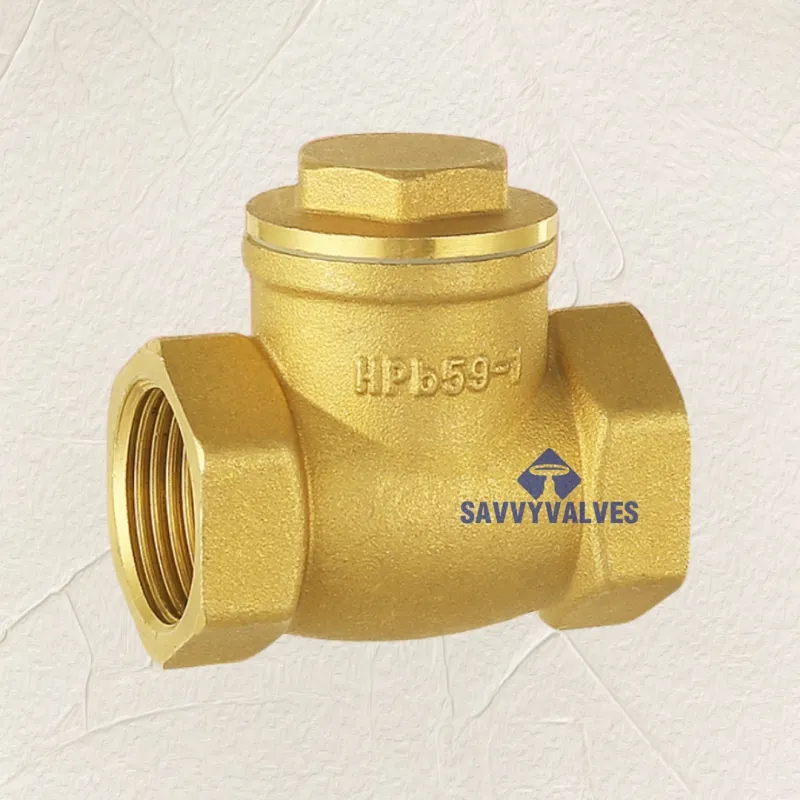
Reliable plumbing check valve performance in diverse industrial settings.
These case studies exemplify how our precision-engineered check valves deliver tangible value, enhancing system reliability, reducing operational costs, and ensuring regulatory compliance for our discerning clients.
Ensuring Trustworthiness and Authoritativeness (Google Compliance)
Our commitment to excellence extends beyond product design and manufacturing; it encompasses a holistic approach to ensuring the highest standards of Expertise, Experience, Authoritativeness, and Trustworthiness () in all our dealings. This dedication underpins every plumbing check valve we produce and every solution we provide.
Authoritative Credentials:
- Certifications: We proudly hold ISO 9001:2015 certification for quality management, ensuring consistent adherence to international best practices. Our products also carry essential certifications such as CE marking, ACS (Attestation de Conformité Sanitaire), NSF/ANSI 61 for potable water applications, WRAS (Water Regulations Advisory Scheme) approval, and TUV SUD product safety certification, validating their suitability for global markets and critical applications.
- Industry Experience & Partnerships: With over 15 years in the valve manufacturing industry, we have cultivated extensive expertise and established robust partnerships with leading engineering firms, distributors, and contractors worldwide. Our collaborative R&D initiatives ensure that our plumbing one way check valve designs remain at the forefront of technological innovation and market demand.
- Rigorous Testing & Data-Driven Assurance: All our valves undergo comprehensive testing regimes, including hydrostatic, pneumatic, and long-term cycle tests, far exceeding minimum industry requirements. We maintain detailed test data logs for batch traceability, providing transparent proof of performance and adherence to standards like EN 12266-1 and API 598.
Trustworthiness through Transparency:
We believe in complete transparency and proactive customer support to build lasting trust.
Frequently Asked Questions (FAQ):
-
Q: What is the primary purpose of a plumbing check valve?
A: Its primary purpose is to permit fluid flow in one direction only and prevent backflow, protecting pumps and preventing contamination. -
Q: How do I select the right size of check valve?
A: Selection depends on pipe diameter, flow rate, and pressure. Consult our technical team or product datasheets for sizing guidelines, ensuring optimal performance and minimal head loss. -
Q: Can your check valves be installed vertically?
A: Yes, most of our spring-loaded plumbing brass check valve models are designed for both horizontal and vertical installation. Swing check valves are typically recommended for horizontal lines. -
Q: What maintenance do check valves require?
A: Our valves are designed for minimal maintenance. Regular inspection for leaks and ensuring proper opening/closing is generally sufficient. For critical applications, periodic internal inspection may be advised.
Lead Time & Fulfillment:
Standard orders typically have a lead time of 3-4 weeks. For urgent or customized solutions, we offer expedited production options. Our robust supply chain and efficient logistics ensure timely delivery worldwide. Detailed lead times are provided upon quotation.
Warranty Commitments:
We stand behind the quality of our products with a comprehensive 5-year warranty against manufacturing defects and material failures under normal operating conditions. This commitment reflects our confidence in the durability and reliability of our valves.
Customer Support:
Our dedicated customer support team and technical engineers are available to assist with product selection, installation guidance, troubleshooting, and custom inquiries. Reach us via email at info@savvyvalvetech.com or through our website contact form for prompt and expert assistance.
Conclusion
The selection of a high-performance plumbing one way check valve is a critical decision that impacts the efficiency, safety, and longevity of any fluid system. By prioritizing superior materials, precision engineering, rigorous testing, and comprehensive support, we deliver check valve solutions that consistently exceed industry expectations. Our unwavering focus on quality and customer satisfaction ensures that our valves are not just components, but long-term assets that contribute significantly to operational excellence and peace of mind for our B2B partners.
References
- ISO (International Organization for Standardization). ISO 9001:2015 Quality management systems — Requirements.
- ANSI/AWWA C508-17. Resilient-Seated Swing Check Valves for Waterworks Service. American Water Works Association.
- EN 12266-1:2003. Industrial valves - Testing of valves - Part 1: Pressure tests, test procedures and acceptance criteria - Mandatory requirements. European Committee for Standardization.
- NSF/ANSI 61: Drinking Water System Components – Health Effects. NSF International.
- API 598. Valve Inspection and Testing. American Petroleum Institute.


 English
  Arabic
  Azerbaijani
  Czech
Czech  Dutch
Dutch  French
  German
  Indonesian
  Italian
  Japanese
  Korean
  Malay
Malay  Persian
  Polish
  Portuguese
  Russian
  Spanish
  Thai
Thai  Vietnamese