
The dn150 Butterfly Valve: Small Component, Large Impact
At first glance, a dn150 butterfly valve might seem just a tiny piece tucked inside vast pipelines and industrial installations. Yet, this seemingly modest device plays a critical role in process control across countless industries worldwide. From water treatment plants serving millions to oil refineries processing millions of barrels daily, the butterfly valve is a silent hero ensuring flow control, safety, and efficiency.
Understanding what this valve does, why it matters, and how its variations impact global systems makes a surprising difference in appreciating modern infrastructure and sustainable development efforts. So let’s dive into the essence and significance of the dn150 butterfly valve.
Why the dn150 Butterfly Valve Matters Globally
The global industrial valve market is projected to reach over $90 billion by 2027, driven heavily by developing infrastructure and energy demands (source: Statista). Butterfly valves, including the popular dn150 size, make up a substantial portion due to their compact design, versatility, and cost-effectiveness.
Worldwide, water scarcity and ageing pipeline infrastructure create complex challenges. The dn150 butterfly valve helps operators manage water flow with precision — crucial in places like South Asia and Sub-Saharan Africa where efficient resource use is a matter of life. Similarly, in petrochemical industries in the Middle East or Europe, these valves contribute to maintaining safety and operational uptime.
Yet, controlling large volumes with minimal disruption remains tricky: valves need to balance tight sealing with prompt response times. Choosing the right valve size and type isn’t just a technical decision. It becomes an economic and environmental one, tying deeply into global efforts to reduce waste and enhance system reliability.
What Exactly Is a dn150 Butterfly Valve?
Simply put, a butterfly valve regulates fluid flow by rotating a disc inside a pipe. “DN150” specifically refers to the nominal diameter of 150 millimeters, or roughly 6 inches — a common size for medium-scale piping.
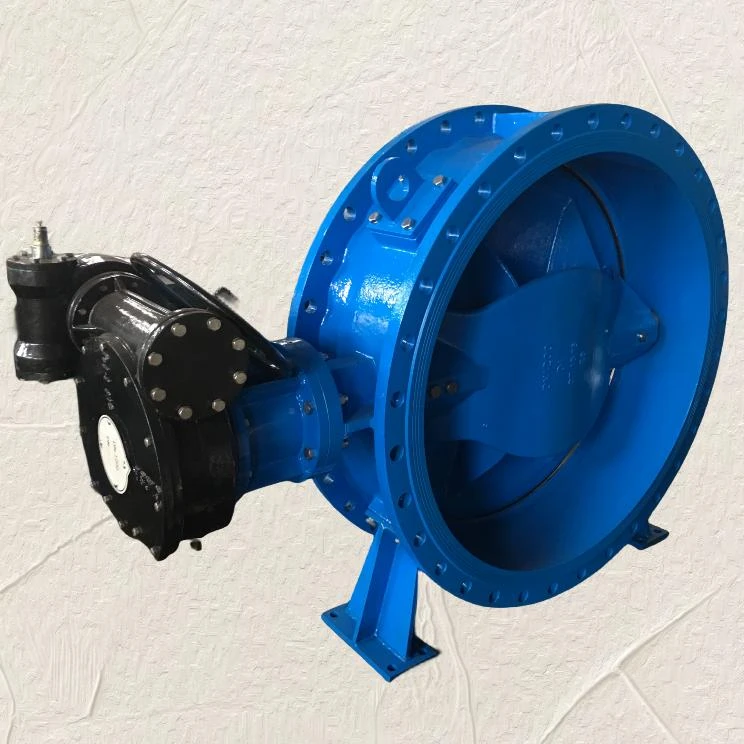
The "butterfly" analogy comes from the disc shape, which pivots around a central shaft to open or close off flow. When fully open, fluid passes nearly unobstructed. When closed, it provides a tight seal against the pipe walls, effectively stopping flow. The design is prized for its light weight, simple operation, and relatively fast actuation compared to other valve types like gate or globe valves.
In modern industry, the dn150 butterfly valve integrates into everything from HVAC systems in office buildings to massive irrigation projects supporting agriculture. Its ease of automation suits the digital age — motorized actuators and remote monitoring now complement manual levers and local control stations.
Mini Takeaway:
DN150 butterfly valves are a practical, efficient means to control fluid flow in pipes roughly 6" across, blending simplicity with critical industrial functionality.
Key Features and Components of dn150 Butterfly Valves
1. Durable Disc and Seat
The valve disc, often stainless steel or ductile iron coated with resilient materials like PTFE, bears the brunt of fluid pressure and wear. How well it holds up affects everything from leakage to maintenance schedules.
2. Shaft and Bearings
The shaft connects the actuator or handle to the disc. Bearings ensure smooth rotation but also must resist corrosion and sediment buildup, especially in harsh environments.
3. Valve Body Construction
Typically made from cast iron, steel, or PVC, the valve body must not only endure mechanical stress but chemical exposure — a common concern in wastewater or chemical processing plants.
4. Sealing Technology
Tight sealing is critical. Many valves use elastomeric seats or metallic seals depending on pressure and temperature requirements, helping prevent leakage and ensuring safety compliance.
5. Actuation Options
From simple manual levers to electric or pneumatic actuators, the way the valve is opened or closed affects its suitability for automated process control or emergency shutdown systems.
Mini Takeaway:
Behind its modest size, the dn150 butterfly valve’s materials and design intricacies tailor it for rugged, reliable operation across varied industries and conditions.
Global Applications: Where the dn150 Butterfly Valve Shines
One place where these valves have become indispensable? Water distribution networks in urban centers. Cities rely on dn150 valves to manage flows between treatment facilities and residential zones efficiently — cutting down on leaks that waste millions of liters daily.
Similarly, petrochemical plants leverage the compact design to regulate flow in pipelines running hazardous materials, where safety is absolutely paramount.
Beyond that, the valves find home in HVAC for large commercial buildings, agriculture irrigation channels in Australia, and even marine installations on ships or offshore rigs.
In specific scenarios such as disaster relief — when emergency water supply lines must be deployed fast — the lightweight and rapid operation of the dn150 butterfly valve is a lifesaver.
Mini Takeaway:
Whether controlling water in megacities or hazardous fluids in refineries, the dn150 butterfly valve plays versatile roles worldwide.
Advantages and Long-Term Value of Choosing dn150 Butterfly Valves
- Cost Efficiency: Lower manufacturing and maintenance costs compared to other valve types.
- Sustainability: Leak-tight sealing reduces waste and environmental contamination.
- Reliability: Proven in demanding conditions with decades of field data backing performance.
- Safety: Fast-acting closures critical for emergency shutdowns.
- Compact Design: Saves space and weight in pipelines — crucial for marine and remote-site applications.
Emotionally, many engineers I know feel confident specifying this valve because it “just works” — no complex mechanisms to worry about, just straightforward engineering blending longevity and easy maintenance.
Product Specification Table
| Feature | Specification |
|---|---|
| Nominal Diameter (DN) | 150 mm (6 inches) |
| Body Material | Ductile Iron / Stainless Steel |
| Disc Material | Stainless Steel with PTFE Coating |
| Pressure Rating | PN16 to PN40 (ISO Standards) |
| Sealing Type | Elastomeric seat or Metal-Seated |
| Actuation | Manual lever, Electric, Pneumatic |
| Operating Temp | -20°C to 150°C (variable by material) |
Vendor Comparison: Choosing the Right dn150 Butterfly Valve Supplier
| Vendor | Material Options | Lead Time | Custom Engineering | Warranty & Support |
|---|---|---|---|---|
| Savvy Valve Tech | Ductile Iron, SS, Alloy Steel | 2-3 weeks | Yes, tailored solutions | 5-year warranty, 24/7 support |
| Global Valve Corp | Cast Iron, Stainless Steel | 4-6 weeks | Limited customization | 3-year warranty, business hours |
| Pacific Valves Ltd. | PVC, Ductile Iron | 1-2 weeks | Focus on standard models | 2-year warranty, email support |
Emerging Trends and Innovations in dn150 Butterfly Valves
Looking ahead, dn150 butterfly valves are evolving alongside the industry’s big pushes — sustainability and automation. Newer composite materials are reducing valve weight while increasing corrosion resistance. Integration with IoT sensors is allowing real-time condition monitoring — vital for predictive maintenance and avoiding costly downtime.
Some vendors are pioneering “smart” actuator systems that adjust flow automatically based on AI algorithms analyzing plant needs in real-time. Green energy and water conservation efforts also push the development of valves designed specifically for renewable energy plants or desalination facilities.
Frequently Asked Questions about dn150 Butterfly Valves
- What industries most commonly use dn150 butterfly valves?
- These valves are widely used in water treatment, HVAC, petrochemical, food processing, and agricultural irrigation — basically anywhere medium-sized pipes need flow control with reliability.
- How do I choose between manual and automated actuators for a dn150 butterfly valve?
- If your system demands frequent, precise, or remote operation, automated actuators (electric or pneumatic) are best. For simpler, occasional flow control, manual levers keep maintenance low.
- Are dn150 butterfly valves suitable for high-temperature applications?
- Yes, depending on materials—stainless steel and special seals allow usage up to around 150°C. For higher temps, look for specifically rated valves or consult the manufacturer.
- How often should dn150 butterfly valves be inspected or maintained?
- Maintenance schedules vary by application, but a common practice is annual inspection for wear, seal integrity, and actuator functionality, supplemented by predictive monitoring where possible.
- Can these valves be custom designed for specific industrial needs?
- Absolutely. Vendors like Savvy Valve Tech offer tailored solutions in terms of materials, actuation, and certifications to meet specialized uses or regulatory requirements.
Conclusion: The Silent Backbone of Efficient Flow Control
It’s easy to overlook a dn150 butterfly valve because it’s not flashy or complex. But its contribution to global industry, environmental management, and safe operations is immense. The blend of simplicity, adaptability, and evolving innovation ensures it will remain vital in pipelines both urban and remote for decades to come.
If you’re sourcing valves or upgrading infrastructure, understanding these small components can save you headaches, enhance system reliability, and even support sustainability goals.
To learn more or explore cutting-edge butterfly valve options, visit Savvy Valve Tech today.


 English
  Arabic
  Azerbaijani
  Czech
Czech  Dutch
Dutch  French
  German
  Indonesian
  Italian
  Japanese
  Korean
  Malay
Malay  Persian
  Polish
  Portuguese
  Russian
  Spanish
  Thai
Thai  Vietnamese