
Flanged Floating Ball Valves: What I’ve Learned Over the Years
When I first started in the industrial equipment sector, I didn’t pay much attention to something as “mundane” as flanged floating ball valves. Yet, oddly enough, these little workhorses have shaped a lot of my understanding about valve reliability and process control. Flanged floating ball valves remain among the most versatile, widely used valves in industries from oil and gas to water treatment. And frankly, it’s not just about turning flow on and off — it’s how they do it, and how well.
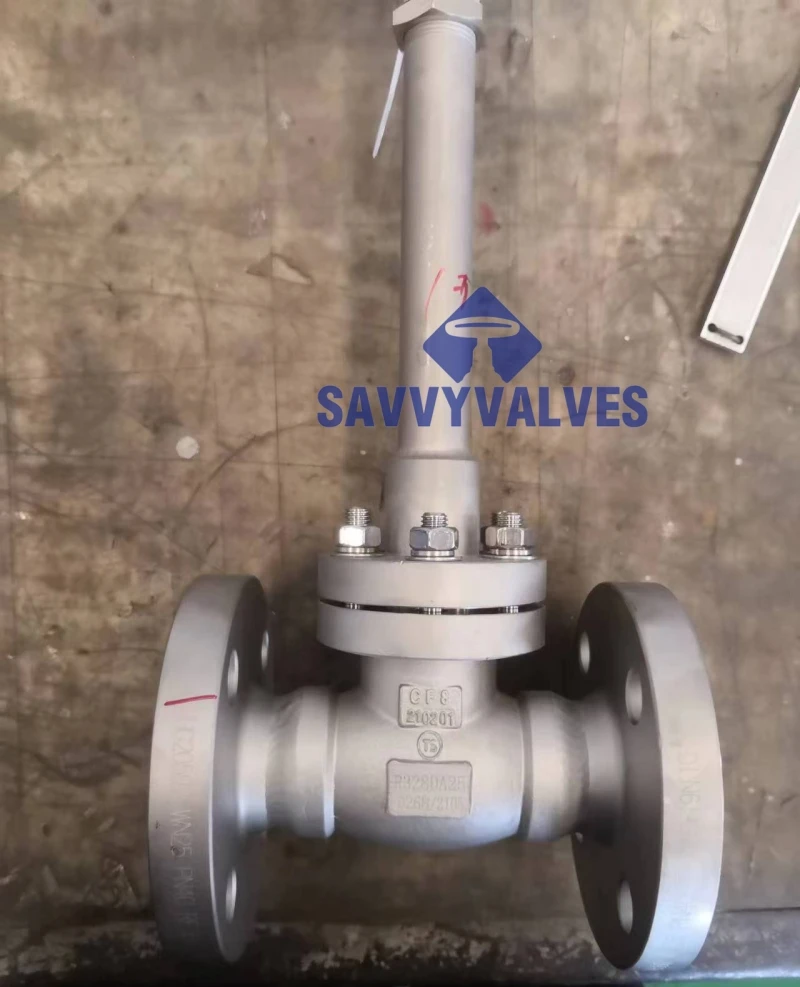
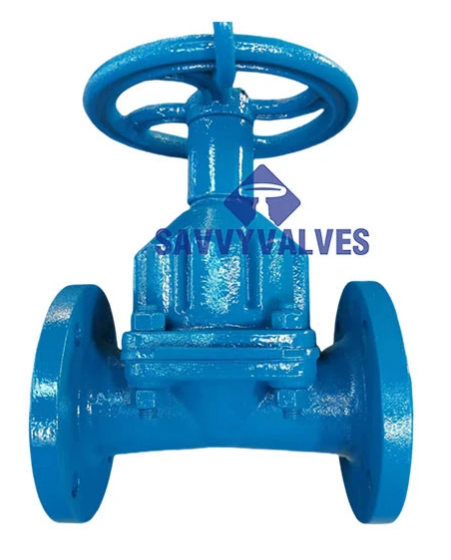
Let’s start with a quick refresher: a floating ball valve works by a spherical ball that "floats" between the valve seats, held in place by line pressure. The “flanged” part means the valve ends have flanges for bolting directly onto pipeline flanges, making installation and maintenance straightforward. This feature is why you’ll find them sprinkled throughout industrial plants with demanding process conditions.
Why Choose Flanged Floating Ball Valves?
One thing I noticed early on is their excellent sealing performance at a relatively low cost. The floating design keeps the ball pressed against the downstream seat, providing a tight seal that improves under pressure. Many engineers appreciate this “self-energizing” effect which means fewer leaks — and leaks in industrial plants are a headache, to say the least.
Material-wise, these valves commonly come in stainless steel or carbon steel, sometimes brass or bronze in less demanding environments. The choice often boils down to the fluid handled and operating temperature. I remember a project where a client swapped to stainless steel flanged floating ball valves to handle corrosive fluids at elevated temperatures, and the difference was night and day — longevity improved with almost no downtime.
Specifications at a Glance
| Specification | Typical Range |
|---|---|
| Body Materials | Carbon Steel, Stainless Steel, Bronze |
| Size Range | ½" to 12" |
| Pressure Rating | 150 to 1500 PSI |
| Temperature Range | -20°F to 400°F (-29°C to 204°C) |
| Connection Type | Flanged |
| Seal Material | PTFE (Teflon), RPTFE, Graphite |
Testing and Reliability — It’s Not All Cut and Dry
In industrial settings, reliability isn’t optional. I recall many occasions when valves undergo rigorous testing—pressure tests, seat leakage checks, and cycling endurance tests. For floating ball valves, seat leakage class III or even IV is expected if you want tight shutoff. It’s reassuring that vendors almost always provide certifications for API 598 testing, which is an industry standard. I often advise clients to ask specifically for these test reports during procurement.
Comparing Vendors: A Quick Look
| Feature | Vendor A | Vendor B | Vendor C |
|---|---|---|---|
| Customization Options | High (materials, trims) | Moderate | Low |
| Lead Time | 4-6 weeks | 6-8 weeks | 2-3 weeks (stock models) |
| API Certification | Yes | Yes | No |
| Price Level | $$$ | $$ | $ |
Real Talk: Installation and Maintenance
Installing flanged floating ball valves is pretty straightforward, but don’t underestimate the importance of torque specs on flange bolts. Over-tightening can warp the flange or damage the valve seats, while under-tightening invites leaks. I always tell teams to treat flange connections like a delicate handshake — firm, but not crushing.
Maintenance-wise, these valves generally require minimal intervention unless they’re operating under extreme conditions. The floating ball design means fewer moving parts compared to, say, trunnion ball valves, which can be a bonus in dirty or slurry-filled pipelines.
Quick anecdote: A plant I consulted for was struggling with frequent valve leaks and replacements. Switching to high-quality flanged floating ball valves with upgraded seats and diligent bolt torque checks drastically reduced downtime. It felt like someone finally tuned a piano that had been slightly off-key for years — smooth and reliable.
Final Thoughts
In real terms, flanged floating ball valves are a practical, reliable choice for many industrial applications. Whether you’re balancing cost, durability, or ease of installation, they offer a nice middle ground. And with trusted suppliers providing plenty of options, you’re unlikely to go wrong — as long as you’re mindful about material compatibility and maintenance.
Hopefully, this little primer helps you see these valves not just as components, but as quietly dependable partners in your operations.
Until next time, keep your valves tight and your flows steady.
References:
1. API 598 – Valve Inspection and Testing Standards
2. Savvy Valve Tech Product Catalog
3. “Industrial Valves: Types, Applications and Selection,” Engineering Journal, 2023



 English
  Arabic
  Azerbaijani
  Czech
Czech  Dutch
Dutch  French
  German
  Indonesian
  Italian
  Japanese
  Korean
  Malay
Malay  Persian
  Polish
  Portuguese
  Russian
  Spanish
  Thai
Thai  Vietnamese