
Flange End Ball Valve is a key solution in the industry, specifically within oil and gas, chemical processing, and water treatment sectors. This article explores how https://www.savvyvalvetech.com supports professionals with durable, high-performance products, and explains why this product is an ideal choice for businesses in these sectors.
Table of Contents
- Flange End Ball Valve Overview
- Benefits & Use Cases of Flange End Ball Valve
- Cost, Maintenance & User Experience
- Sustainability & Market Trends
Flange End Ball Valve Overview
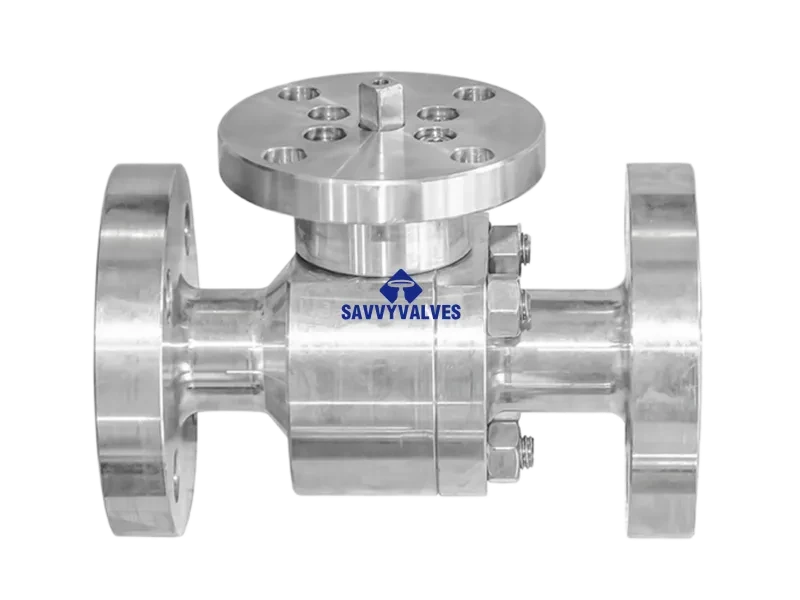
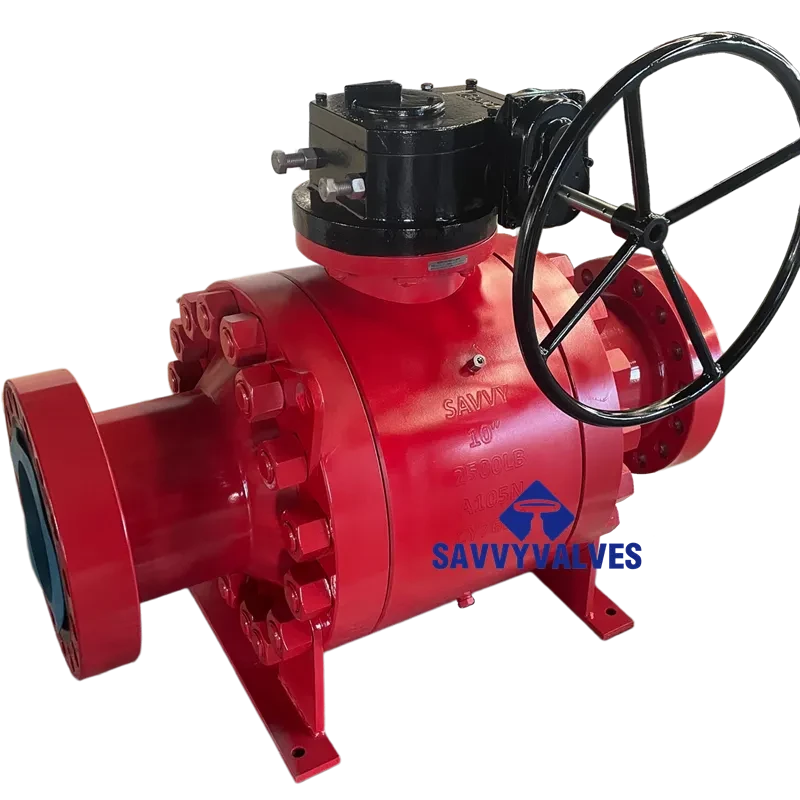
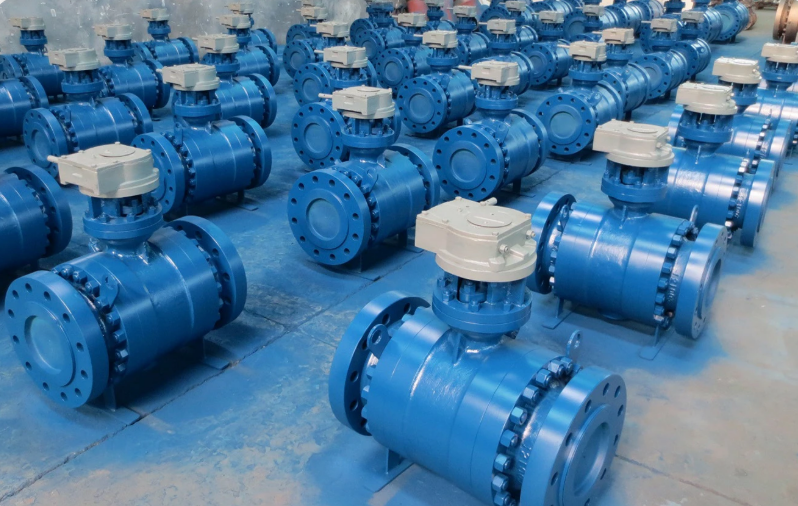
In essence, a Flange End Ball Valve is a type of valve that controls flow via a ball with a hole through it, pivoting inside the valve body. The 'flange end' means it connects to pipes with flanged joints, ensuring a secure and tight fit — crucial for high-pressure or hazardous environments.
Technically, these valves are favored for their quick on/off capability and minimal pressure drop when fully open. They’re usually made from carbon steel or stainless steel, sometimes with specialized coatings for corrosion resistance. Oddly enough, despite their straightforward design, the manufacturing tolerances are tight — you want near-perfect sealing to avoid leaks in industrial processes.
Take for example a petrochemical facility where the plant engineers replaced older gate valves with Flange End Ball Valves from Savvy Valve Tech. They noticed far less downtime, partly because ball valves require less maintenance and are less prone to wear — something that, frankly, makes a huge difference when you’re running 24/7 operations.
| Specification | Details |
|---|---|
| Material | Stainless Steel 316 / Carbon Steel |
| Pressure Rating | ANSI Class 150 - 600 |
| Size Range | 1/2" to 12" |
| End Connection | Flanged (RF, FF) |
| Operation | Manual, Electric, Pneumatic |
| Temperature Range | -20°C to 200°C |
Benefits & Use Cases of Flange End Ball Valve
The advantages of flange end ball valves jump out once you start thinking about flow control challenges in demanding sectors. For starters, the robust flange connection provides a solid seal that can withstand vibrations and thermal expansions — something pipeline engineers say is a game changer in refinery and chemical plants.
Use cases vary widely but tend to concentrate in industries where leakage prevention and quick shutoff are mandatory. These valves are perfect for water treatment plants, where they control the flow of treated or raw water; in oil rigs, managing complex piping networks; and in food processing, where hygiene and precision matter.
Compared to wafer or threaded ball valves, the flange end variety often has better strength and gives more straightforward installation and maintenance. Plus, they handle higher pressures and temperatures — which, in real terms, means less worry about valve failure during crucial operations.
Vendor Comparison: Flange End Ball Valves
| Feature | Savvy Valve Tech | Competitor A | Competitor B |
|---|---|---|---|
| Material Options | SS316, Carbon Steel, Inconel | SS304, Carbon Steel | Carbon Steel Only |
| Pressure Class | 150-600 ANSI | 150-300 ANSI | 150 ANSI Max |
| Lead Time | 4-6 weeks | 6-8 weeks | 8+ weeks |
| Customization | High (Material, Finish, Actuation) | Moderate | Low |
| Warranty | 2 Years | 1 Year | 1 Year |
Cost, Maintenance & User Experience
When weighing investments, total cost of ownership often surprises decision makers. Flange end ball valves might carry a higher upfront cost compared to simpler valves, but their longevity and low maintenance turn that initial figure on its head. Frankly, you pay a bit more at the start but see savings down the line in fewer service stoppages and less frequent replacements.
Customers report that valves from https://www.savvyvalvetech.com demonstrate remarkable resistance to wear, with seat materials that withstand abrasive fluids and steady performance under cycling conditions. One client in heavy industry mentioned how annual maintenance costs dropped nearly 30% after switching to flange end ball valves.
And honestly, from a user experience standpoint, the ease of operation can’t be overstated. Manual actuators with ergonomic handles and optional automation fit well in tight spaces — making both installation and operation less fiddly than some traditional gate valves. It feels like the kind of smart engineering you want on your team.
Sustainability & Market Trends
More than just reliability, sustainability is creeping steadily into valve specs and purchasing decisions. Industry regulations now push for reduced emissions and leak-tight components — areas where quality Flange End Ball Valves excel. Compliance with ISO and API standards is almost table stakes, and savvy vendors like Savvy Valve Tech align their designs accordingly.
Market trends also reveal growing demand for valves with smart sensors and remote monitoring capabilities. While flange end ball valves might seem traditional, increasingly you see them integrated with IoT solutions — a kind of “old meets new” synergy that helps predictive maintenance and saves serious costs.
Upscaling production in Asia and China, in particular, has brought competitive pricing without sacrificing quality, making these valves an accessible choice worldwide. The market looks set to expand, especially as infrastructure upgrades demand reliable flow control that’s both green and efficient.
Frequently Asked Questions about Flange End Ball Valve
- What is Flange End Ball Valve and how does it work?
- A Flange End Ball Valve uses a spherical ball with a hole through its center that rotates inside the valve body to start or stop flow. The flanged ends allow easy connection between pipe sections, making the valve ideal for high-pressure or critical sealing applications.
- What are the main benefits of using Flange End Ball Valve in industrial applications?
- Key benefits include tight sealing to prevent leaks, quick operation for flow control, durability under harsh conditions, and simplified maintenance compared to other valve types.
- How does Flange End Ball Valve compare to traditional alternatives?
- Compared to gate or globe valves, flange end ball valves offer faster on/off operation, better sealing reliability, and often longer lifespan with lower maintenance requirements.
- What industries can benefit most from Flange End Ball Valve implementation?
- Industries such as oil and gas, chemical processing, water treatment, power generation, and food & beverage manufacturing commonly use these valves for their dependable flow control.
Conclusion on Flange End Ball Valve from china
To sum things up, the Flange End Ball Valve serves as a reliable, efficient, and cost-effective solution for demanding industrial flow control needs. Its sturdy flange design, combined with advanced materials and thoughtful engineering, ensures longevity and safety — attributes any B2B decision maker can appreciate.
- Robust build tailored for high-pressure and corrosive environments.
- Reduced maintenance costs and enhanced operational efficiency.
- Visit our website: https://www.savvyvalvetech.com
Oddly enough, sometimes the simplest valve designs — like the flange end ball valve — make the biggest difference in industrial workflows. For those who trust their pipelines, this valve is kind of the quiet hero behind the scenes.


 English
  Arabic
  Azerbaijani
  Czech
Czech  Dutch
Dutch  French
  German
  Indonesian
  Italian
  Japanese
  Korean
  Malay
Malay  Persian
  Polish
  Portuguese
  Russian
  Spanish
  Thai
Thai  Vietnamese