
The industrial valve market is evolving rapidly with the rise of energy innovation and automation. Valves play a vital role in controlling and regulating fluids, gases, and vapors under different pressures and temperatures. Among them, cryogenic valve materials and diaphragm valves have become essential for industries dealing with extreme temperature environments and precision fluid control. This article explores the latest developments in cryogenic valve materials, cryogenic valve specification, diaphragm valve price, diaphragm valve types, and the application of diaphragm valve in modern industries.
Cryogenic Valve Materials Ensure Safety and Reliability
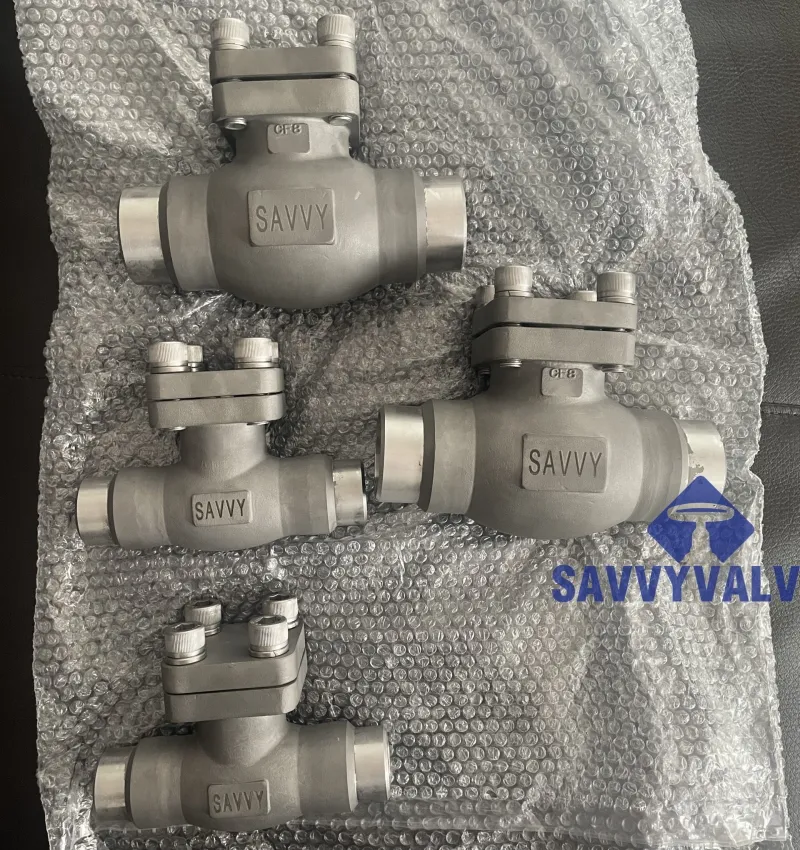
Choosing the right cryogenic valve materials is crucial for ensuring safety and performance in extremely low-temperature applications. Cryogenic valves are designed for conditions as low as –196°C, often used in liquefied natural gas (LNG), liquid nitrogen, oxygen, and hydrogen systems. These materials must maintain structural integrity and sealing performance even under thermal contraction.
The most commonly used cryogenic valve materials include austenitic stainless steels such as 304, 316, and 321, which offer excellent resistance to brittleness at low temperatures. In addition, nickel alloys and bronze are favored for their superior strength and corrosion resistance. Special surface treatments and welding techniques are applied to prevent leakage caused by material shrinkage.
Modern advancements have introduced composite materials that enhance valve performance while reducing weight. Manufacturers now focus on precision casting and machining to guarantee the dimensional stability of valve components. The selection of cryogenic valve materials directly determines the reliability and service life of the valve, making it one of the most critical aspects in valve engineering.
Cryogenic Valve Specification Defines Performance Standards
Every industrial system requires precise cryogenic valve specification to ensure optimal performance. These specifications cover design pressure, temperature range, connection type, flow coefficient, sealing materials, and test requirements. In industries like LNG, petrochemical, and aerospace, any deviation in cryogenic valve specification can lead to safety risks and operational failures.
A typical cryogenic valve specification includes details about valve size (DN), pressure class (PN), face-to-face dimensions, and body material. It also defines cryogenic testing procedures, usually performed with liquid nitrogen, to verify the valve’s ability to operate under subzero conditions. Stem extension design is another critical element, ensuring that the operator remains at a safe distance from cold zones.
Global standards such as API 598, BS 6364, and ISO 28921 guide the manufacturing and testing of cryogenic valves. Manufacturers adhere to these standards to guarantee consistency, quality, and performance. Advanced design software is used to simulate pressure and thermal stress, helping engineers optimize valve configuration according to the cryogenic valve specification. With clear specifications, industries can achieve higher efficiency, longer service life, and lower maintenance costs.
Diaphragm Valve Price and Market Trends
Understanding the diaphragm valve price is essential for industries planning system upgrades or new installations. The price of diaphragm valves varies depending on size, material, design, pressure rating, and manufacturing technology. Stainless steel and PTFE-lined models are more expensive but offer longer lifespan and higher chemical resistance, while cast iron or PVC versions provide cost-effective solutions for general use.
The global diaphragm valve price has shown moderate fluctuations due to raw material costs and increased demand in pharmaceutical, food, and water treatment industries. In particular, hygienic diaphragm valves used in clean processing systems command higher prices due to precision requirements. Automated diaphragm valves equipped with pneumatic or electric actuators also add to the cost but significantly improve efficiency and control.
When considering diaphragm valve price, buyers should look beyond the initial purchase cost and focus on long-term operational savings. High-quality valves reduce downtime, maintenance expenses, and energy consumption. Many reputable manufacturers offer competitive pricing with customization options to meet unique industrial needs. With proper supplier selection and material choice, companies can optimize both performance and budget.
Diaphragm Valve Types for Different Industrial Needs
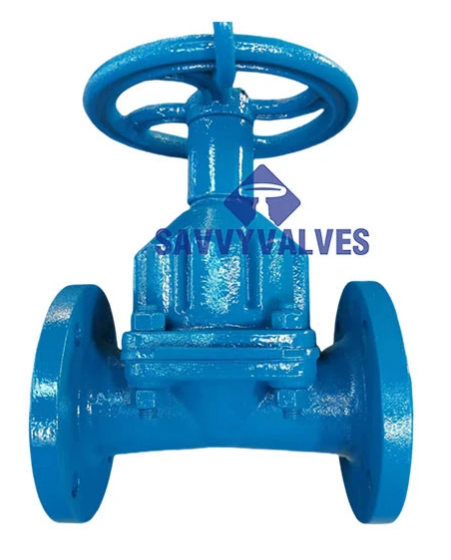
There are several diaphragm valve types, each designed for specific applications. The two main designs are the weir (saddle) type and the straight-through type. The weir type is suitable for general fluid control and throttling applications, while the straight-through type is preferred for slurry and viscous fluids because it provides minimal flow resistance.
In addition to design variations, diaphragm valve types are classified based on materials and actuation methods. Rubber-lined and PTFE-lined diaphragm valves are commonly used for corrosive media, while plastic models are ideal for water treatment and laboratory use. Metal-body diaphragm valves are chosen for high-pressure and high-temperature applications.
Manual, pneumatic, and electric actuation systems are available across different diaphragm valve types, offering flexibility depending on system requirements. In recent years, smart control systems have been integrated into diaphragm valves for automated monitoring and remote operation. This enhances accuracy, safety, and energy efficiency. Selecting the right diaphragm valve type ensures smooth flow control and prolongs system life, making it an important factor for engineers and plant designers.
Application of Diaphragm Valve in Modern Industries
The application of diaphragm valve extends across multiple sectors, including pharmaceuticals, chemical processing, water treatment, food and beverage, and mining. These valves are known for their contamination-free operation, making them ideal for sterile environments. The flexible diaphragm separates the process medium from moving parts, preventing leakage and ensuring hygiene.
In water treatment plants, the application of diaphragm valve ensures accurate dosing and flow regulation of chemicals. In the pharmaceutical industry, these valves maintain sterile conditions during drug manufacturing. In chemical industries, they handle corrosive and abrasive fluids without compromising performance. Moreover, their low maintenance requirement makes them cost-effective over long-term use.
With automation and environmental protection becoming industrial priorities, diaphragm valves are increasingly adopted in smart control systems. Their compatibility with various actuation mechanisms and sensors makes them suitable for advanced process control. The wide application of diaphragm valve highlights its versatility and reliability, making it a top choice for industries aiming for safety and precision.
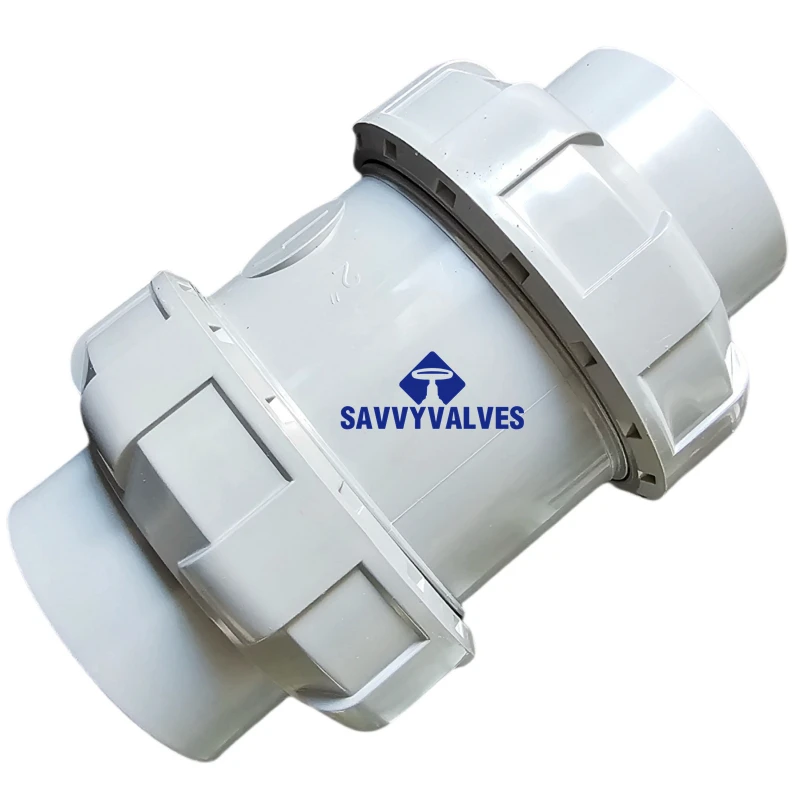
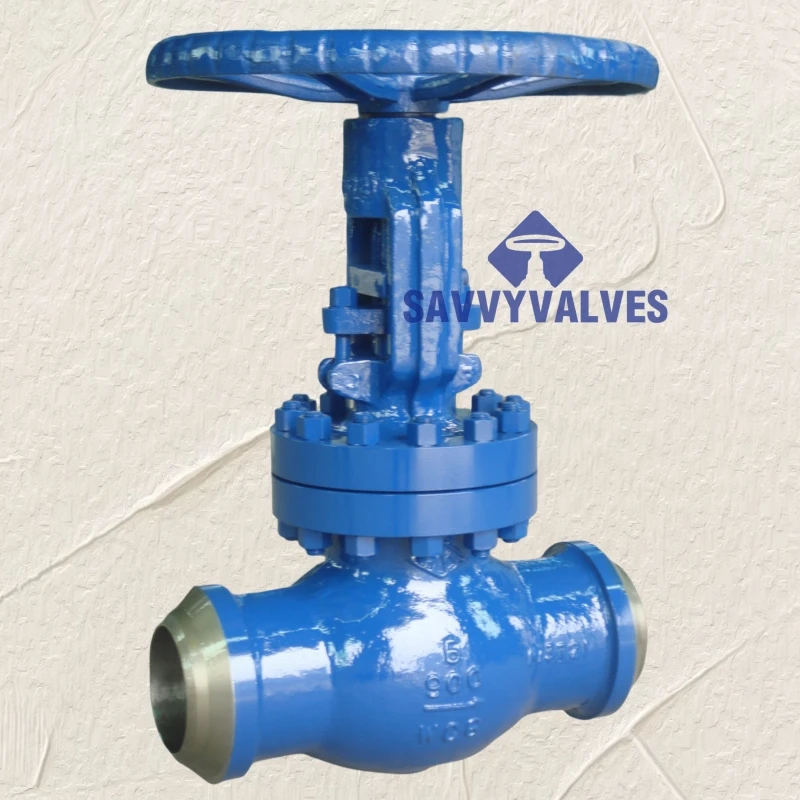
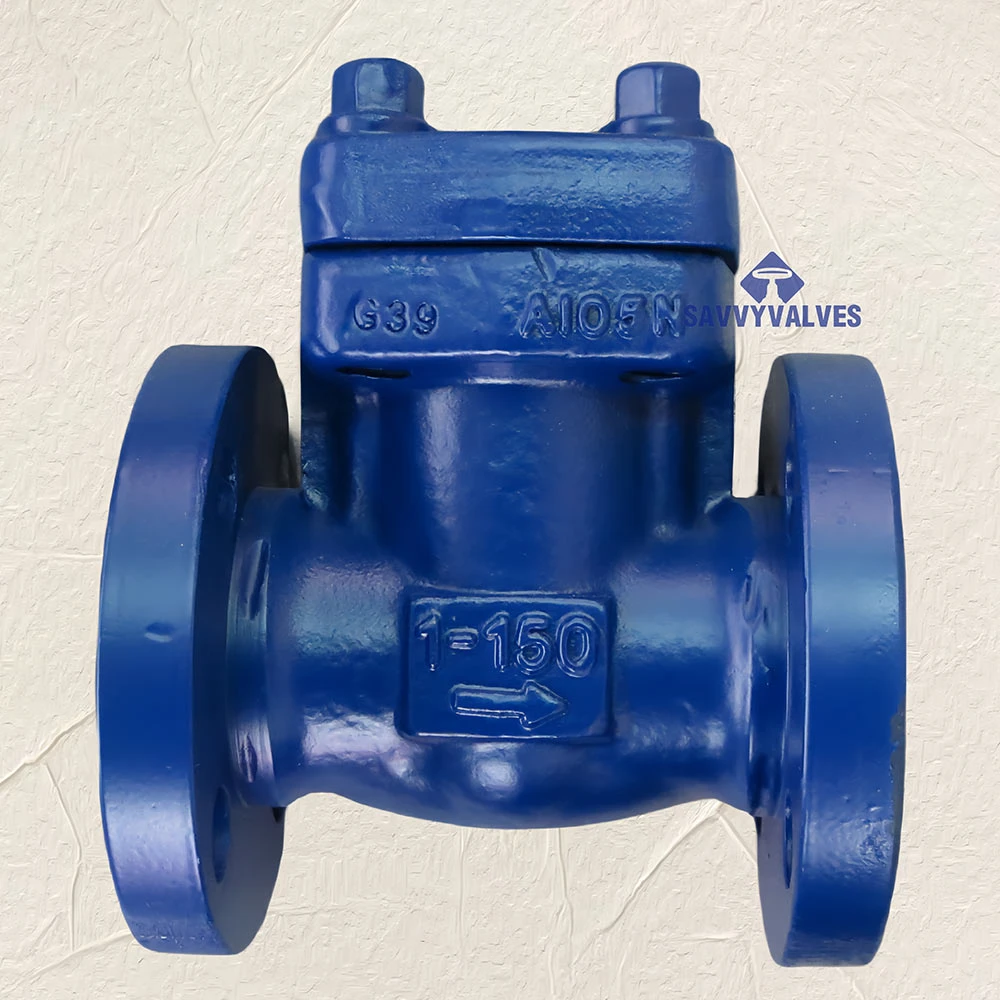
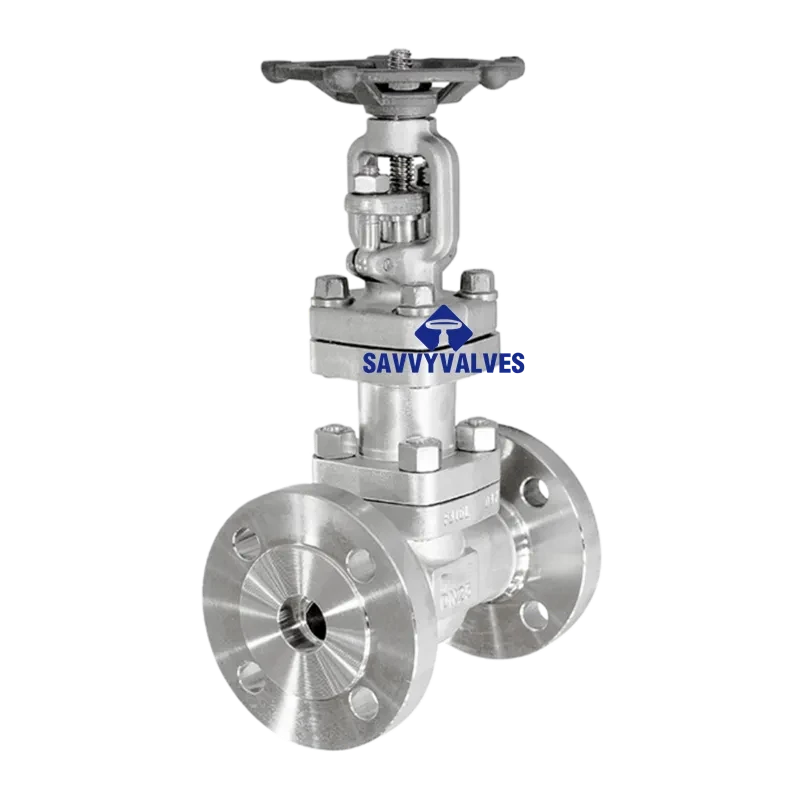
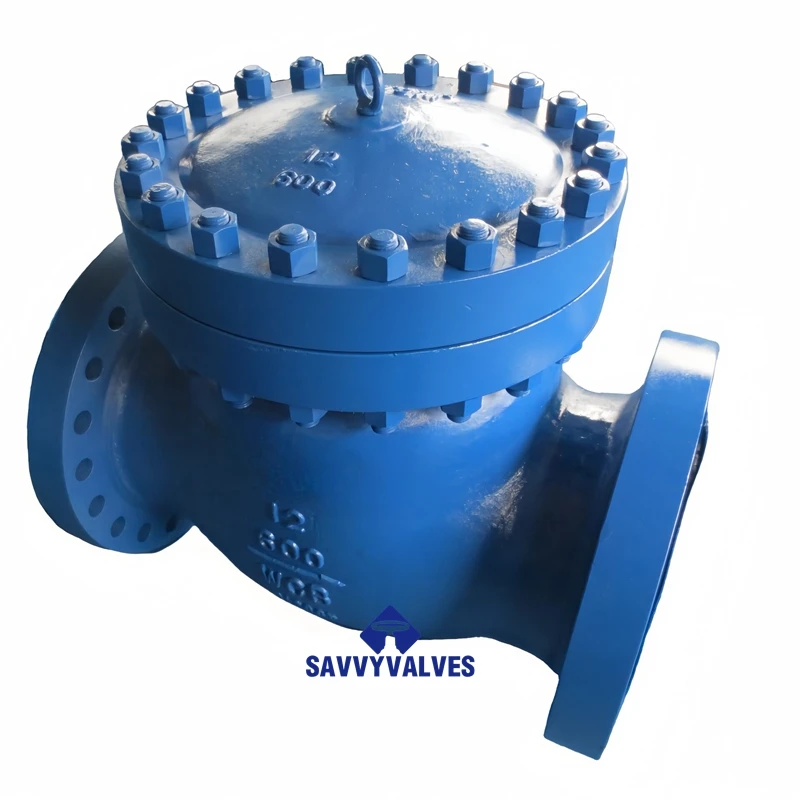
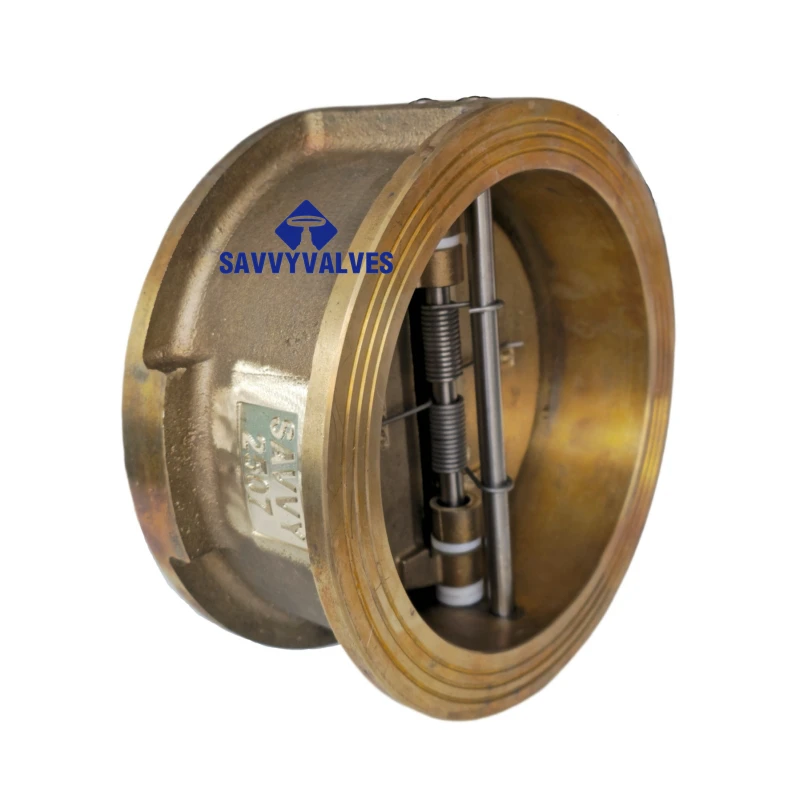
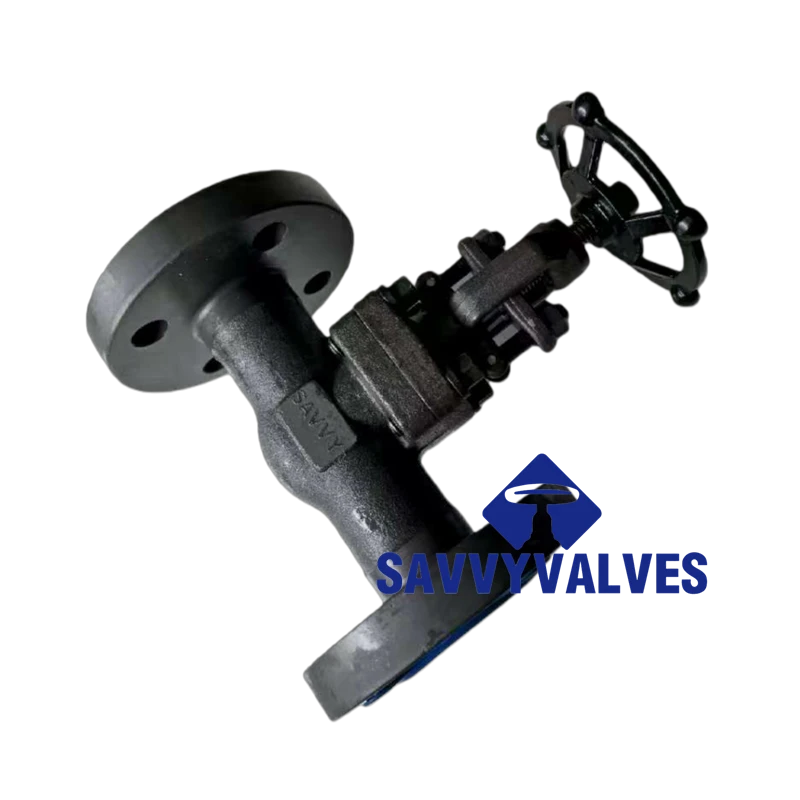
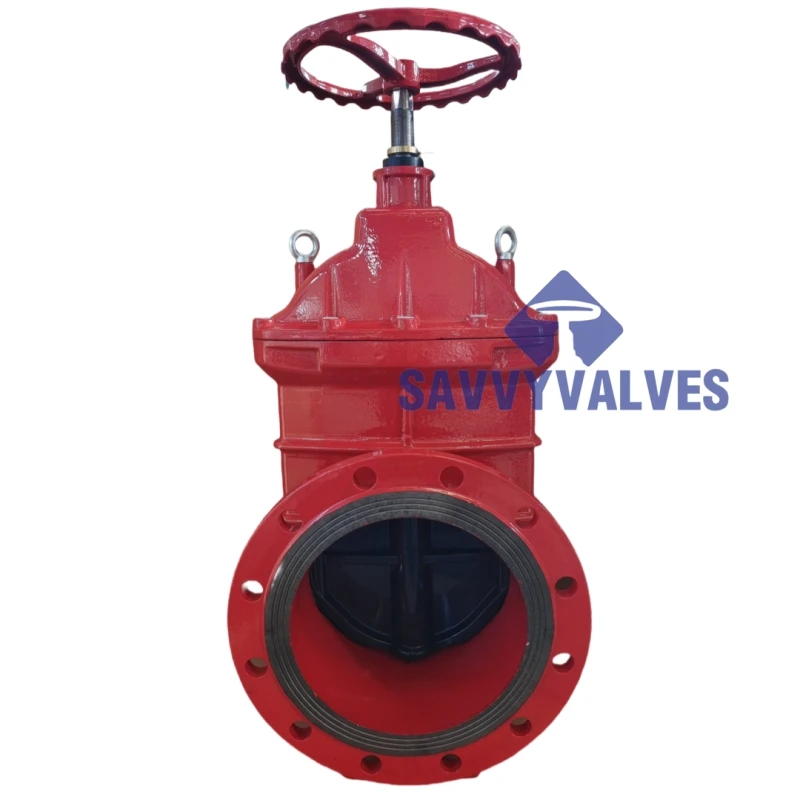
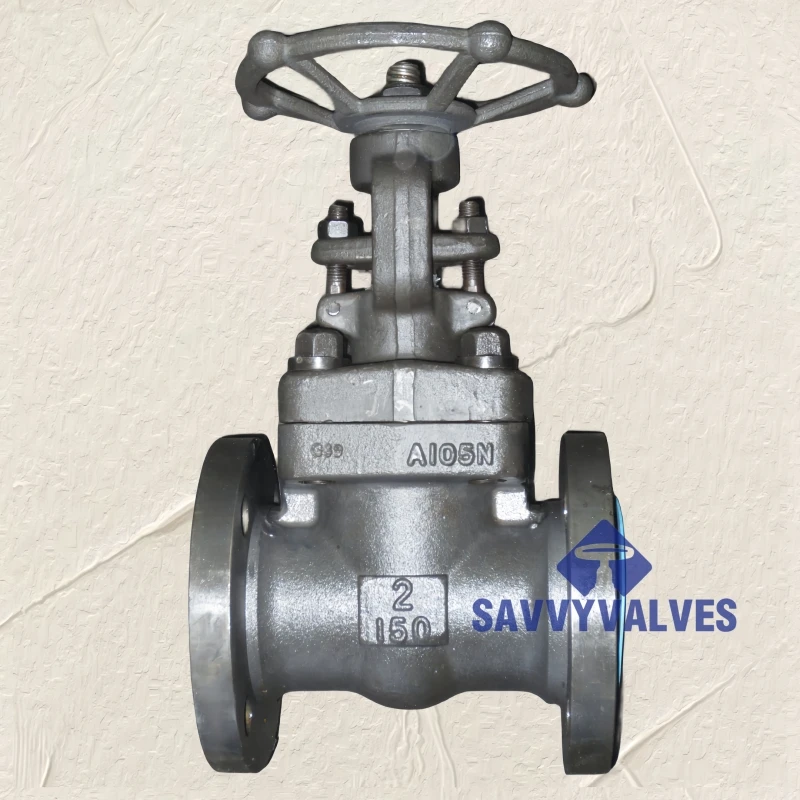
We specialize in providing a comprehensive range of industrial valves, including Butterfly Valves, Ball Valves, Check Valves, Gate Valves, Knife Gate Valves, and Choke Valves. Designed for high performance, durability, and reliability, our valves are engineered to meet the demands of various industries such as oil & gas, petrochemical, water treatment, mining, and power generation. Each valve type serves a specific purpose in controlling or isolating fluid flow, with designs optimized for different pressures, temperatures, and mediums. With strict quality control and international standards compliance, we ensure that our valves deliver consistent, safe, and efficient performance even in the most challenging working conditions.
Our team invites global customers to explore our product portfolio, consult with our technical experts, and find the best valve solutions for your projects. Whether you require cryogenic, diaphragm, or control valves, we provide custom-engineered products to suit your operational needs. Visit our website today to learn more and request a quotation — we are ready to support your success with top-quality industrial valves and professional service.
FAQs About Application of Diaphragm Valve
What are the main industries using diaphragm valves?
Diaphragm valves are widely used in pharmaceuticals, food processing, chemical industries, and water treatment plants due to their hygienic and leak-proof design.
What factors affect diaphragm valve price?
The price depends on the valve size, body material, lining material, pressure rating, and type of actuator (manual, pneumatic, or electric).
What are the common diaphragm valve types?
The main types include weir (saddle) type and straight-through type, with variations in materials and actuation systems based on application requirements.
How do cryogenic valve materials differ from standard valve materials?
Cryogenic valve materials are designed to resist brittleness and maintain sealing integrity at temperatures below –196°C, unlike standard materials that can crack or deform.
Where can I buy high-quality diaphragm and cryogenic valves?
You can visit our official website to explore detailed product information, request quotations, and get expert guidance on selecting the right valve for your application.


 English
  Arabic
  Azerbaijani
  Czech
Czech  Dutch
Dutch  French
  German
  Indonesian
  Italian
  Japanese
  Korean
  Malay
Malay  Persian
  Polish
  Portuguese
  Russian
  Spanish
  Thai
Thai  Vietnamese