
Understanding the Contromatics Butterfly Valve: Why It Matters
At first glance, valves might not sound like industry superheroes. But in the world of fluid control, the contromatics butterfly valve plays a crucial role. These seemingly simple devices regulate flow in pipelines, and they’re everywhere—from water treatment plants to renewable energy setups. Globally, the market for high-performance butterfly valves is expanding rapidly, driven by the need for efficient and reliable infrastructure.
Why should that excite you? Because understanding these valves means appreciating how modern industries safeguard resources, optimize processes, and even support humanitarian efforts where fluid control is essential. In short, it’s a small component with a big impact.
Mini takeaway: Butterfly valves, especially the Contromatics line, are more than parts—they're linchpins in global industry efficiency and sustainability.
Global Context: The Rising Demand for Smart Valve Solutions
According to the International Organization for Standardization (ISO), fluid control components like butterfly valves are integral to systems that manage about 30% of global water and industrial flow operations (ISO 5208). With growing concerns over water scarcity, energy efficiency, and industrial safety, companies across continents are prioritizing valves that are durable and responsive.
However, many facilities wrestle with balancing cost, maintenance needs, and performance. Enter the contromatics butterfly valve, known for responding well to these challenges. For industries in Asia, Europe, and North America—where infrastructure upgrades are constant—these valves offer a blend of reliability and innovation.
Global stats show butterfly valves will grow at an estimated compound annual growth rate (CAGR) of over 6% through 2030 (Global Markets Insights). This reflects a pressing need: as industries automate and digitize, their valves must keep up. Contromatics valves are a solid fit here.
Mini takeaway: The need for resilient, smart valves like Contromatics is growing worldwide due to infrastructure demands and sustainability goals.
What Is a Contromatics Butterfly Valve (In Plain Terms)?
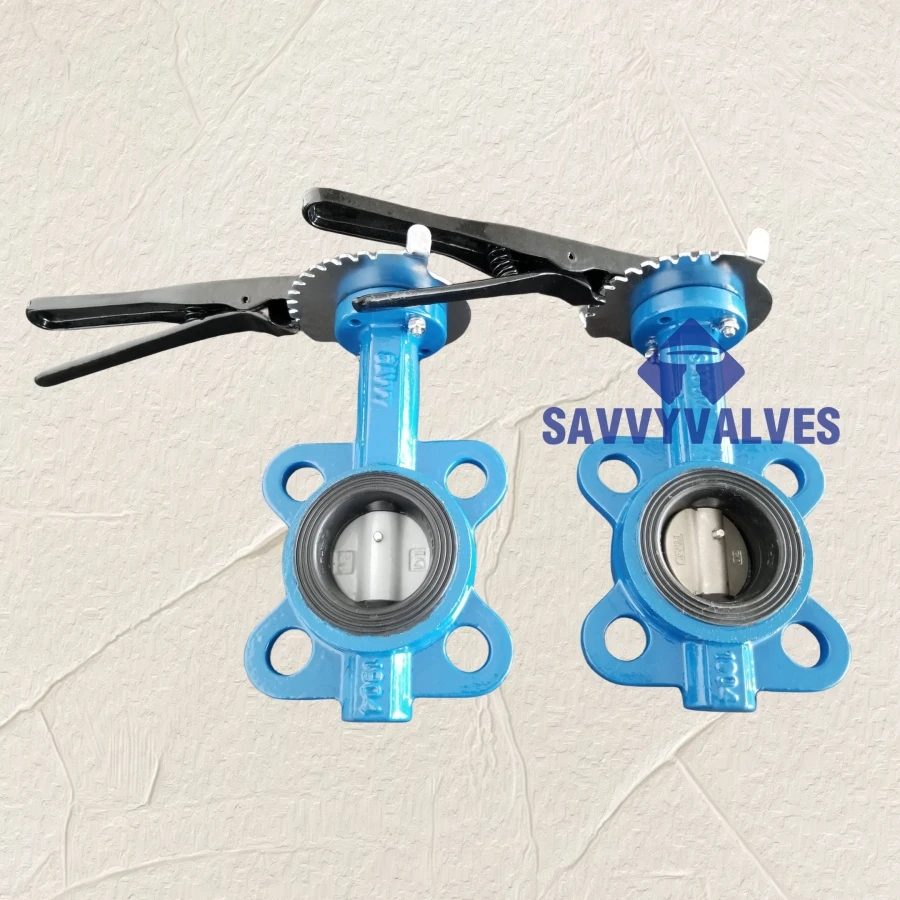
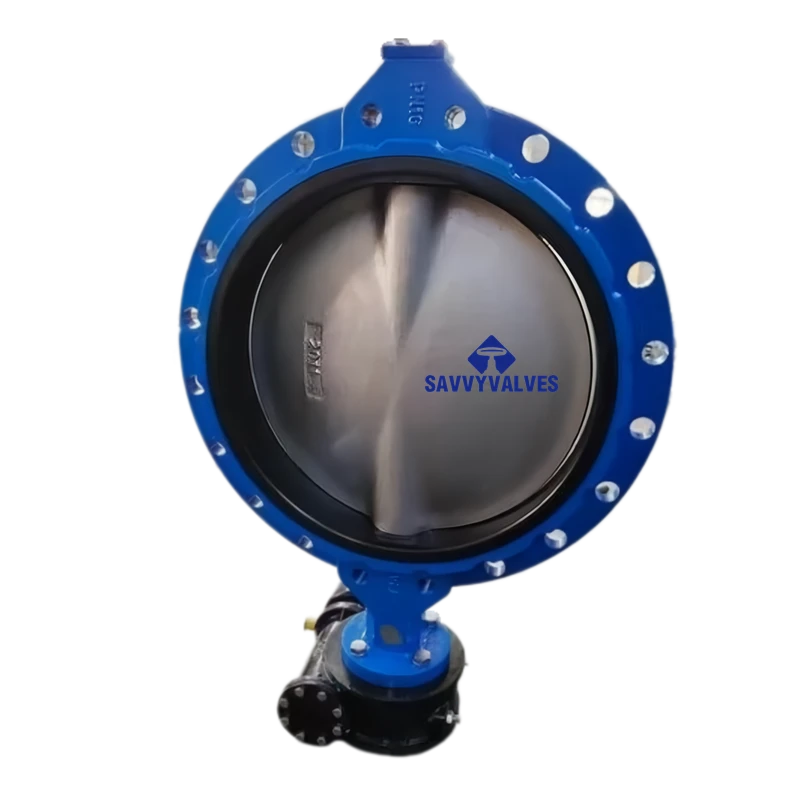
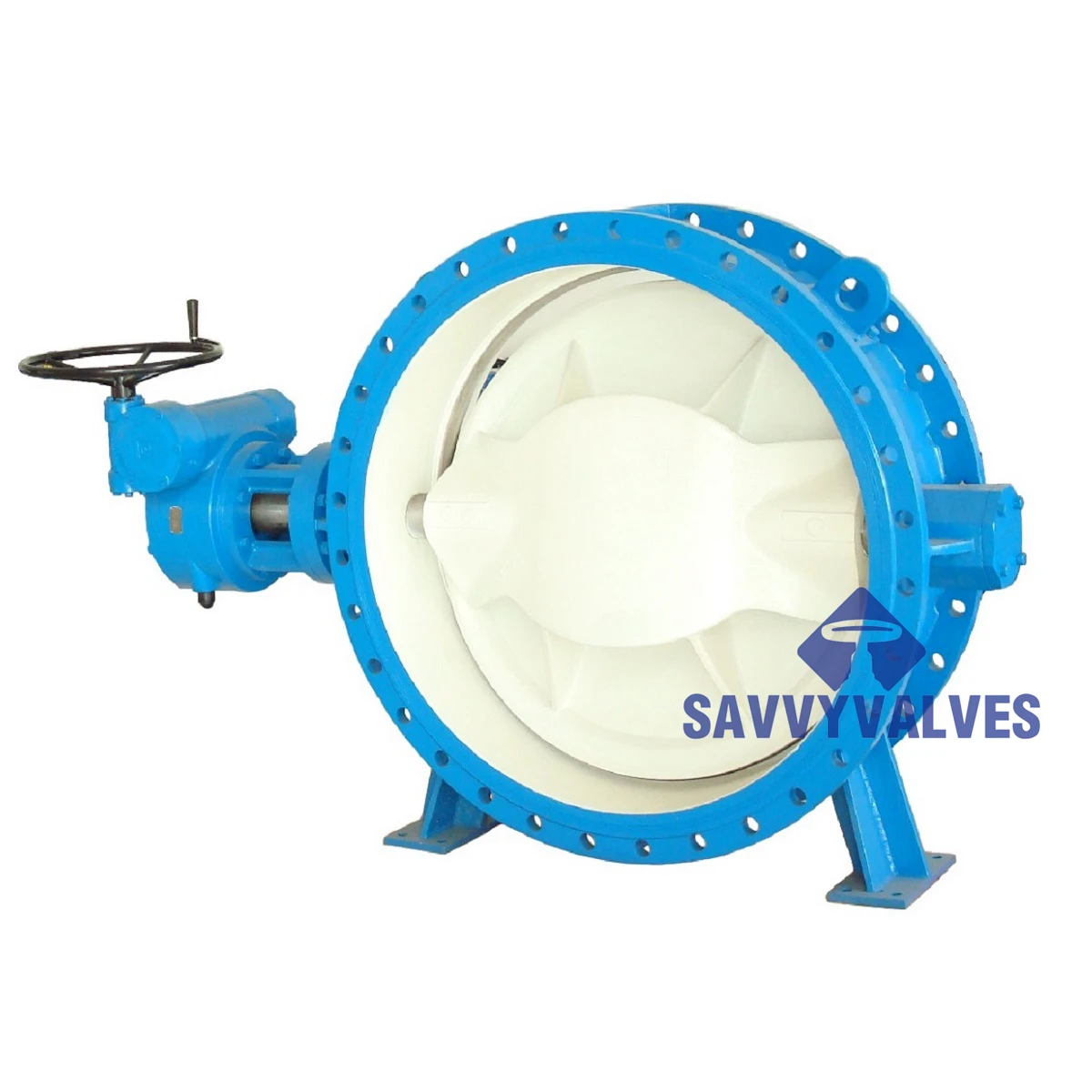
Put simply, a butterfly valve is a disk mounted on a rotating shaft. When the valve is closed, the disk blocks the flow; when open, the disk turns to allow flow. The contromatics butterfly valve is a branded type designed with advanced sealing and materials to improve longevity and performance.
It's like the gatekeeper of pipelines, making sure fluid—water, gas, or chemicals—moves exactly as intended. Their modern design often lends itself well to automation, meaning fewer manual interventions and more precise control.
Interestingly, such valves are essential not just for industry but also for projects supporting humanitarian aid—where reliable water flow control can mean the difference between order and chaos.
Mini takeaway: In essence, the contromatics butterfly valve is a robust, precision device controlling fluid flow in many critical applications.
Key Features of Contromatics Butterfly Valves
Durability and Material Quality
The core of any valve's lifespan is its materials. Contromatics butterfly valves are often made from stainless steel or ductile iron with corrosion-resistant coatings, ensuring they stand up tough even in harsh environments — think salty coastal plants or chemical factories.
Sealing Technology
One challenge valves face is leakage. Contromatics addresses this with advanced elastomer seals (like EPDM or Viton), reducing wear and maintaining tight seals over long periods. This makes their valves trustworthy partners for systems where leaks can cause expensive downtime.
Scalability and Size Range
From small bore pipes to massive industrial conduits, contromatics butterfly valves come in many sizes, ensuring a fit for virtually any project size. For industries scaling up rapidly, this flexibility saves time and effort in sourcing.
Cost Efficiency
Compared to ball valves or gate valves, butterfly valves are usually lighter, simpler, and cheaper to maintain. Contromatics has struck a balance between upfront investment and operational costs, which many engineers appreciate.
Automation Capability
Many Contromatics valves are compatible with electric or pneumatic actuators, letting operators monitor and control flow remotely—critical for advancing automation in utilities and factories.
| Specification | Contromatics Butterfly Valve | Industry Average |
|---|---|---|
| Material | Stainless Steel 316 | Ductile Iron / Carbon Steel |
| Seal Type | EPDM / Viton Elastomer | Basic Rubber Seals |
| Operating Temp. | -20°C to 180°C | -10°C to 150°C |
| Pressure Rating | 10 bar (ANSI Class 150) | 6 to 8 bar |
| Automation | Electric & Pneumatic Actuator Ready | Manual/Basic Electric |
Mini takeaway: The design choices behind Contromatics butterfly valves prioritize longevity, adaptability, and cost-effectiveness—qualities that engineers keep coming back for.
Where Are Contromatics Butterfly Valves Making an Impact?
Real-world applications span a broad spectrum. In water treatment facilities in Europe, their durability helps prevent costly shutdowns. In Asia's rapidly growing power plants, automation-friendly butterfly valves become critical for precise flow management. North American oil and gas firms use them to handle harsh chemicals without worrying about early corrosion.
Humanitarian efforts benefit too—during disaster relief, teams deploy portable water systems featuring butterfly valves for quick and reliable flow regulation. The valves’ straightforward design makes setups in remote zones easier and more dependable.
Mini takeaway: Contromatics valves offer practical, trusted use in diverse global industries, from energy to emergency response.
Why Choose Contromatics Butterfly Valves? A Look at the Benefits
- Cost-Effective Reliability: Lower maintenance means less downtime and fewer surprises.
- Environmental Sustainability: Better sealing and durability reduce leakages—good for nature and budgets.
- Safety and Control: Automation readiness improves operational safety; fewer manual interventions reduce human error.
- Emotional Peace of Mind: When you’re relying on water or gas systems, trusting your valves gives a sort of quiet confidence.
Mini takeaway: Besides measurable savings, Contromatics butterfly valves contribute to safer, greener, and smarter industrial environments.
Innovations on the Horizon
Valve technology itself is evolving fast. Smart sensors embedded in next-gen butterfly valves measure flow rates, temperature variations, and even early signs of wear — reporting back to control rooms in real-time. For Contromatics, this means not just selling valves but offering integrated solutions for predictive maintenance.
Materials research is also pushing the envelope. Lightweight composites and advanced coatings may soon replace traditional metals, trimming weight without sacrificing strength. And as the green energy sector expands, valves adapting to variable flows in hydroelectric and bioenergy plants will be increasingly vital.
Mini takeaway: The butterfly valve is no longer just a mechanical part—it’s becoming part of the digital and sustainable future.
Challenges Faced & How the Industry Responds
No product is perfect. Butterfly valves can face sealing wear, actuator compatibility issues, or limitations under extreme pressure. Yet innovative designs like Contromatics’ push solutions: modular seals, multi-stage actuation options, and rigorous testing protocols.
Industry best practices—from ISO certifications to enhanced quality control—ensure these valves meet tough demands. Operators also report increased uptime after switching to Contromatics, thanks to improved reliability.
Mini takeaway: While challenges exist, continual innovation and thorough testing help mitigate most butterfly valve shortcomings.
Frequently Asked Questions About Contromatics Butterfly Valve
- 1. What makes Contromatics butterfly valves better than generic models?
- They offer superior material choices, advanced sealing technology, and automation compatibility, leading to longer life spans and less downtime.
- 2. Can Contromatics valves handle corrosive fluids?
- Yes, their stainless steel bodies combined with EPDM or Viton seals make them suitable for many corrosive environments.
- 3. How easy is it to integrate Contromatics valves into existing remote control systems?
- Pretty straightforward—many models are actuator ready and support common communication protocols for industrial automation.
- 4. Are these valves suitable for high-temperature applications?
- They operate well between -20°C and 180°C, covering most standard industrial processes.
- 5. Where can I learn more or purchase Contromatics butterfly valves?
- Visit the official Contromatics product page for specifications, customization options, and vendor contacts.
Comparing the Top Butterfly Valve Vendors
| Vendor | Material Quality | Pricing | Automation Support | Warranty (Years) |
|---|---|---|---|---|
| Contromatics | High-grade stainless steel + superior seals | Mid-range; great value | Full electric & pneumatic actuator ready | 5 |
| ValveCo | Carbon steel; standard seals | Lower-end pricing | Limited; manual preferred | 2 |
| FlowMasters | Ductile iron, rubber sealing | Premium pricing | Yes, advanced digital integration | 7 |
Wrapping It Up: Why Contromatics Butterfly Valves Are Worth Your Attention
Whether you’re managing a water treatment plant, developing renewable energy, or supporting emergency clean water access—contromatics butterfly valves offer a blend of reliability, innovation, and cost-conscious design that feels hard to beat. Their reputation for durability paired with forward-looking automation capability makes them a smart choice in today’s rapidly shifting industrial landscape.
If you want to explore how these valves can fit with your projects or simply dig deeper into their specs, visit their site. It’s fascinating to see how something as small as a valve can make such a big difference.
Sometimes, it’s these unsung components that quietly keep the world moving—literally.


 English
  Arabic
  Azerbaijani
  Czech
Czech  Dutch
Dutch  French
  German
  Indonesian
  Italian
  Japanese
  Korean
  Malay
Malay  Persian
  Polish
  Portuguese
  Russian
  Spanish
  Thai
Thai  Vietnamese