
Understanding the Gear Type Gate Valve: A Vital Component in Industrial Fluid Control
At first glance, a gear type gate valve might not strike you as the most glamorous piece of industrial equipment. Yet, this specialized valve plays a quietly powerful role across countless industries worldwide, from oil and gas pipelines to water treatment plants and power generation. It’s a key player in reliable fluid control — ensuring flows stop and start smoothly, safely, and efficiently. Globally, the demand for precise valve mechanisms is growing steadily, reflecting increased infrastructure development and stricter environmental regulations. Understanding the mechanical finesse and practical benefits of gear type gate valves is crucial for engineers, procurement managers, and anyone interested in industrial innovation.
Global Context: Why the Gear Type Gate Valve Matters
Manufacturing and infrastructure sectors are facing consistent pressure from both environmental standards like ISO 14001 and economic demands for cost-efficient durability. According to the International Energy Agency, fluid management is a big contributor to global emissions if leaks or failures occur. The gear type gate valve addresses this by providing tight sealing with minimal manual effort, inherently reducing risks associated with leaks or operation failures.
Moreover, because they are commonly used in pipelines carrying water, oil, gas, and chemicals, their reliability directly impacts safety and efficiency. Especially in developing regions, robust valves are part of broader efforts to upgrade water distribution or energy systems, making access more sustainable and affordable on a grassroots level.
Defining the Gear Type Gate Valve
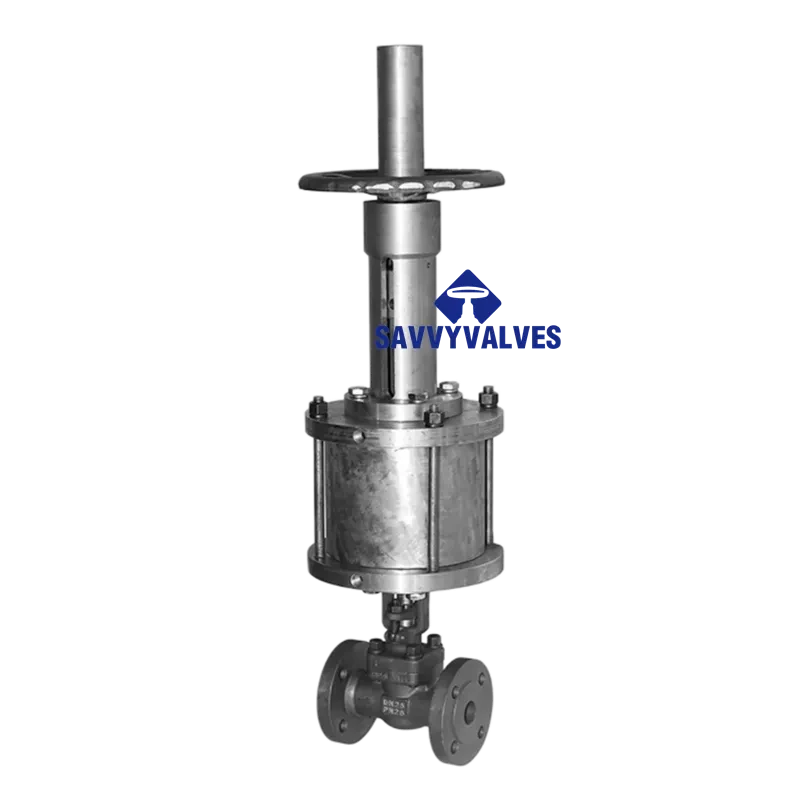
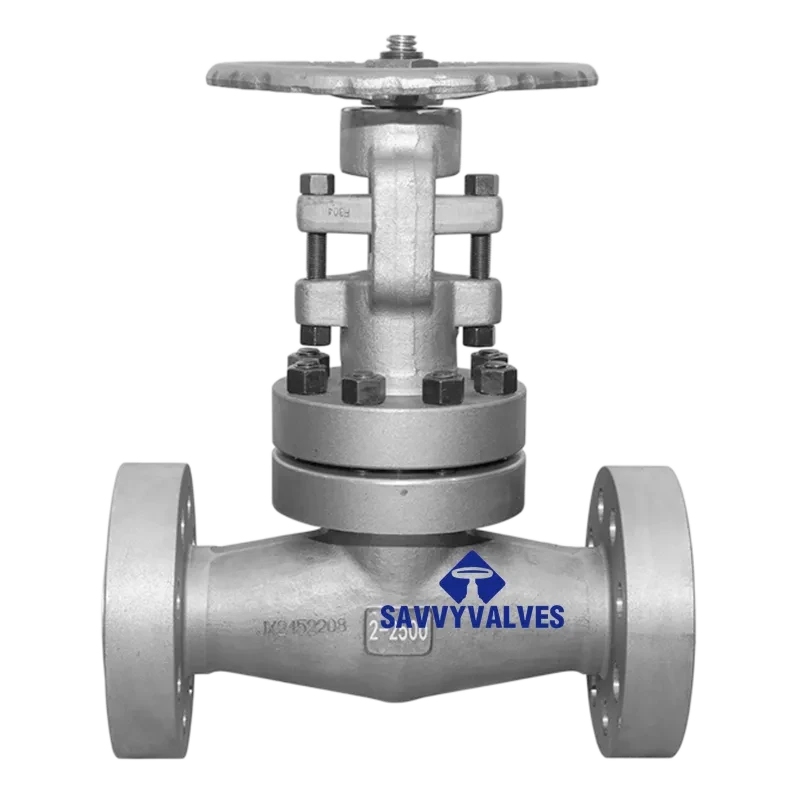
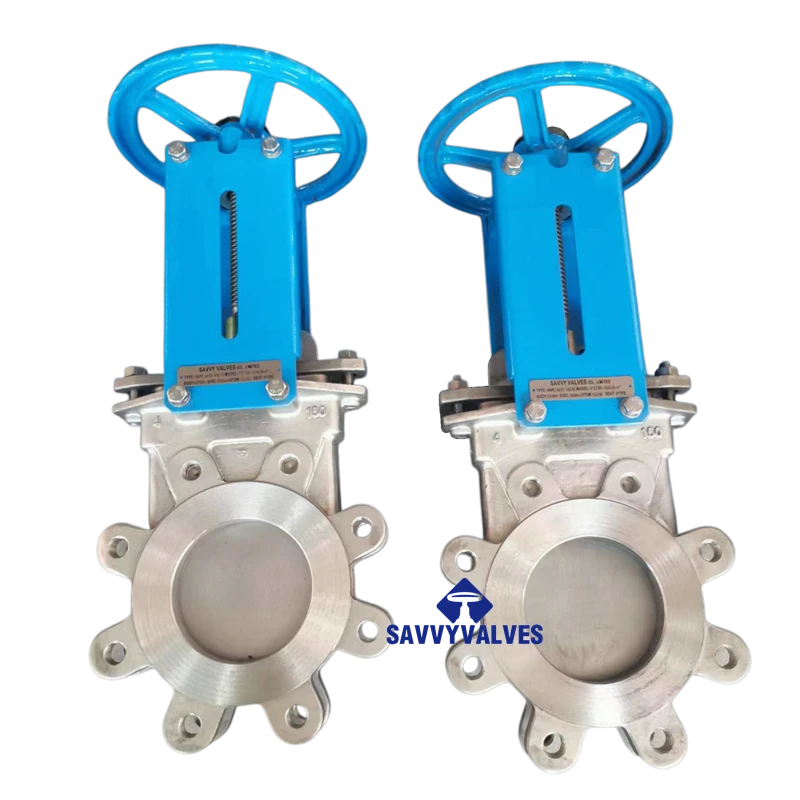
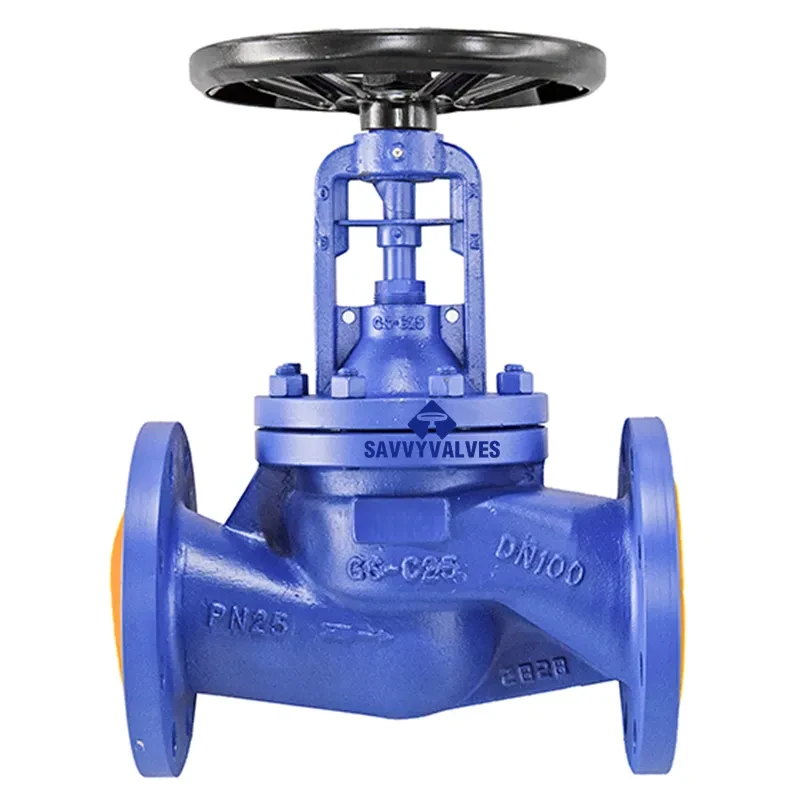
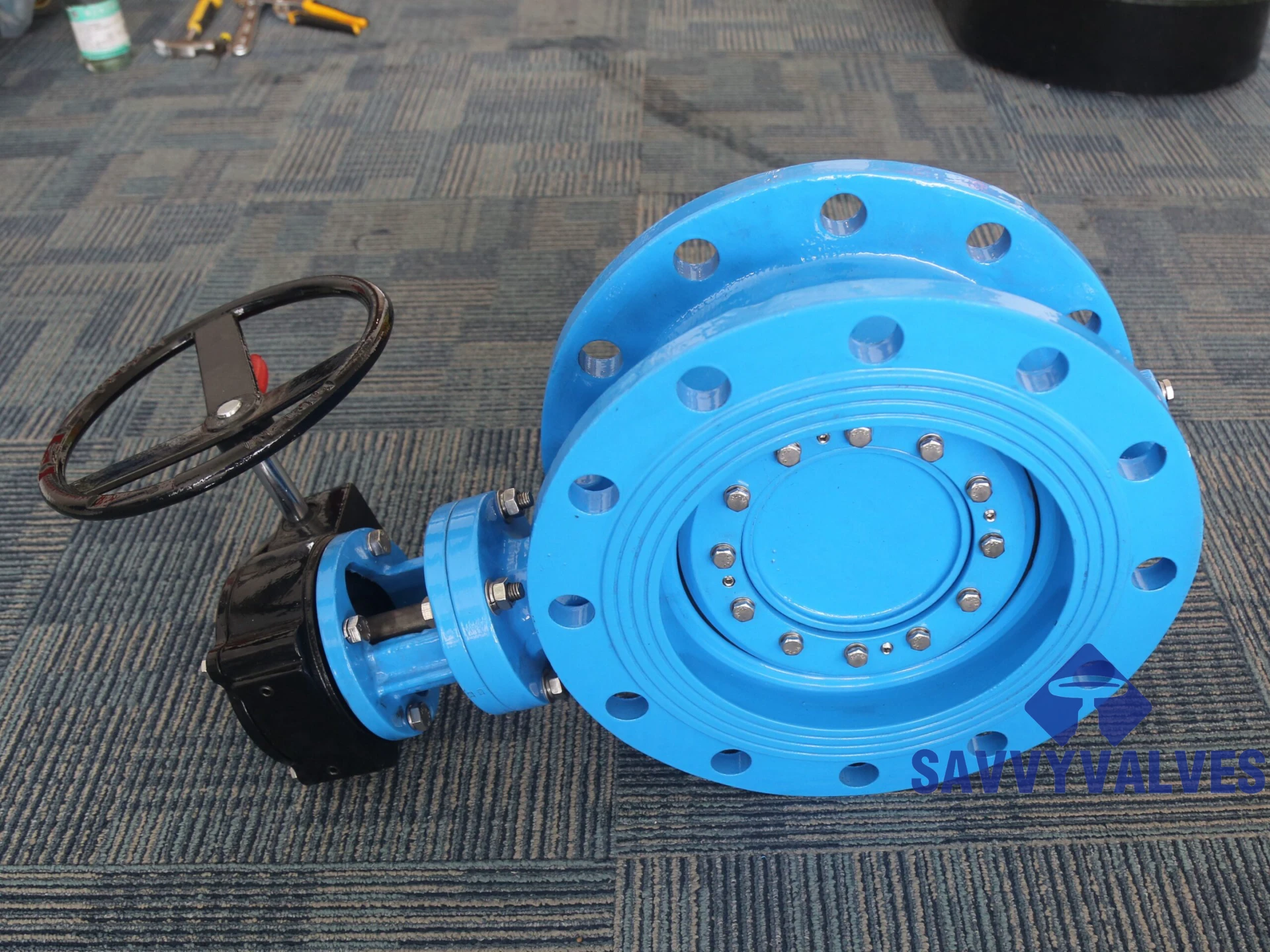
Simply put, a gear type gate valve controls the flow of liquid or gas by lifting or lowering a sliding gate inside the valve body. What makes this valve unique is the “gear” mechanism attached to the stem. This gear set multiplies the turning force exerted at the valve handle, enabling smoother operation especially when dealing with large valves or high-pressure systems where manual turning would be too demanding.
Think of it this way: without the gear, opening a large industrial gate valve might require extreme effort or even mechanical assistance. The gear mechanism makes valve operation more manageable, safer, and more precise.
Key Components & Practical Features
Durability and Material Strength
Usually crafted from cast iron, ductile iron, or carbon steel, the gear type gate valve is engineered to withstand corrosive environments and extreme temperatures. The use of hardened stainless steel for internal components ensures prolonged lifespan despite repetitive mechanical action.
Operational Efficiency
The gearing removes much of the "hand strain" on the operator, which is especially helpful in remote or industrial zones where manpower is limited. It translates to faster, more reliable opening/closing cycles and reduces maintenance downtime.
Sealing Performance
Modern variants use metal-to-metal or resilient seat designs to ensure leak-free shutoff. This is vital in applications involving hazardous fluids where containment cannot be compromised.
Ease of Maintenance
Many gear type gate valves sport modular construction, making disassembly and component replacement easier, an important factor for onsite teams managing operations without complete spare inventories.
Global Applications & Real-World Use Cases
- Water & Wastewater Treatment: In East Asia, expanding cities rely on these valves for pressure management & isolation during pipeline repairs.
- Oil & Gas Industry: Refineries in the Middle East prefer gear type gate valves for their consistent sealing under high pressure.
- Power Generation Plants: European nuclear facilities specify these valves due to their reliable manual operation during emergency shutdowns.
- Post-Disaster Relief: After a flood in South America, local engineers deployed gear type gate valves in makeshift water distribution rigs to restore safe access.
Mini takeaway:
Whether in industrial giants or humanitarian projects, gear type gate valves reliably regulate fluid flow in settings where safety and precision are non-negotiable.
Advantages & Long-Term Value of Gear Type Gate Valves
Cost wise, despite higher upfront prices compared to some simple valve types, the longevity and reduced maintenance result in a lower total cost of ownership. Sustainability is enhanced by reliable sealing, which minimizes environmental contamination risks and wastage of precious resources.
The emotional factor here is often overlooked but real: operators feel more confident and less fatigued handling these valves — a subtle but important influencer on workplace safety and morale. There’s also the trust that an equipment which “just works” inspires in a critical infrastructure setting.
Product Specifications of a Standard Gear Type Gate Valve
| Specification | Details |
|---|---|
| Materials | Cast Iron, Stainless Steel, Ductile Iron |
| Pressure Rating | PN10 - PN40 (equivalent to 10-40 bar) |
| Sizes Available | DN50 to DN600 (2” to 24”) |
| Temperature Range | -20°C to 250°C |
| Operation | Manual Gearbox With Handwheel |
Comparing Top Vendors of Gear Type Gate Valve
| Vendor | Material Options | Price Range | Lead Time | Warranty |
|---|---|---|---|---|
| ValveTech Inc. | Cast Iron, Stainless Steel | $$$ | 4-6 weeks | 2 years |
| Global Valves LLC | Ductile Iron, Carbon Steel | $$ | 3-5 weeks | 18 months |
| Eastern Valve Works | Carbon Steel, Stainless Steel | $$$ | 6-8 weeks | 3 years |
Future Trends & Innovations in Gear Type Gate Valves
Strides in material science are driving development of more corrosion-resistant alloys and coatings that extend valve life even in aggressive chemical environments. Automation is another frontier — integrating sensors within valves to monitor position and sealing integrity remotely is gaining traction, especially in digital oilfields or smart water grids.
Green energy projects demand valves compatible with hydrogen or biofuel pipelines, pushing design tweaks that ensure leak proof performance under newer operating conditions. Oddly enough, the modest gear type gate valve is quietly adapting to the era of Industry 4.0 and environmental stewardship.
Challenges & Expert Solutions
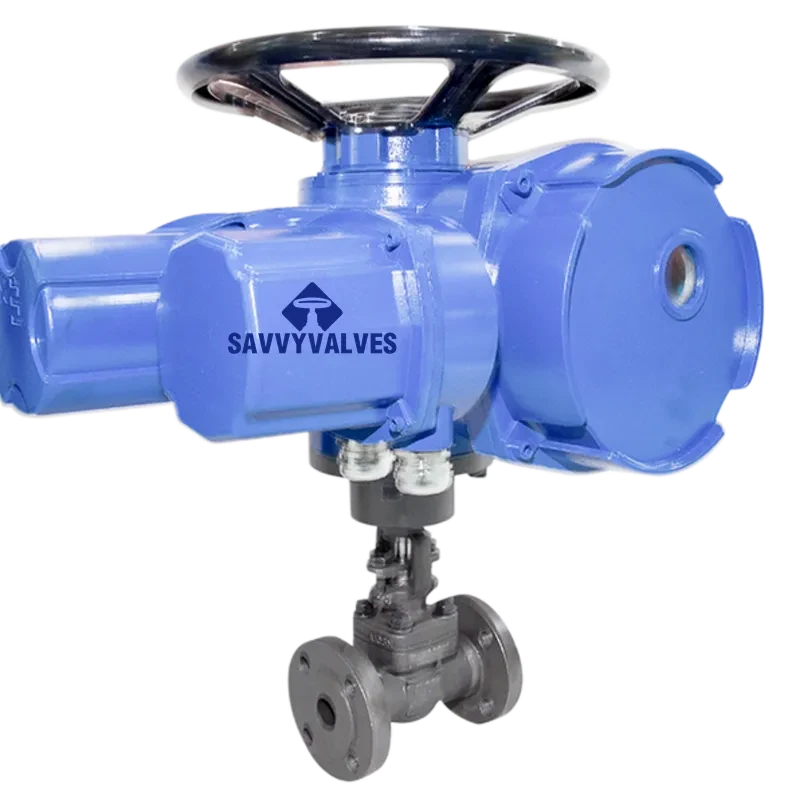
One common challenge is manual operation fatigue in very large valves, despite gearing. Solutions include power-assist or fully actuated gearboxes that combine simplicity with modern control. Another sticking point is heavy valve weight, which complicates installation and maintenance in tight spaces; modular valve designs and lightweight materials are addressing that.
Quality assurance is critical — industry leaders implement stringent testing protocols according to standards like API 600 or ISO 5208, ensuring valves won’t fail when stakes are high.
FAQ: Common Questions on Gear Type Gate Valves
- Q: How does the gear mechanism improve valve operation?
A: The gear increases torque applied to the valve stem, making it easier to open or close valves, especially those that are large or under high pressure. This reduces manual effort and improves precision. - Q: Can gear type gate valves be automated?
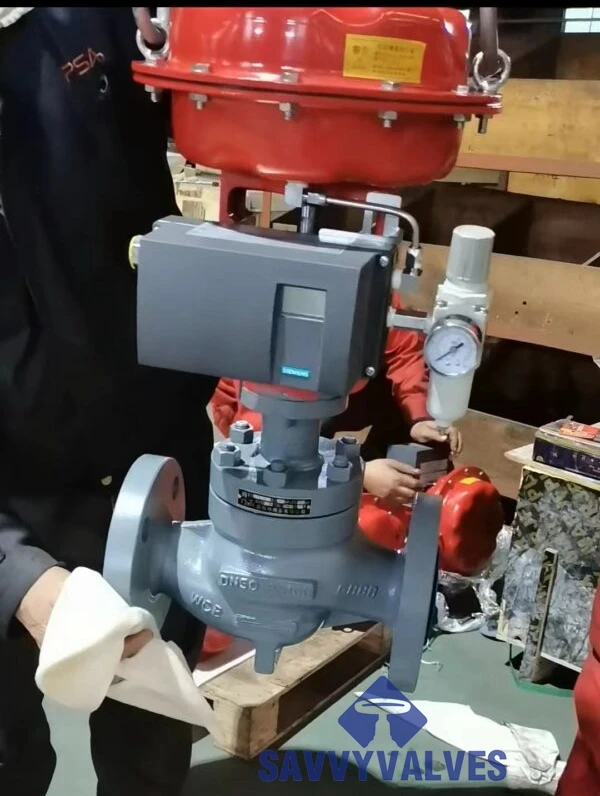
A: Yes. Many vendors offer motorized gear operators or retrofitting options to automate the valve operation, which is useful for remote or hazardous locations. - Q: What maintenance is typically required for these valves?
A: Routine checks include lubrication of gear teeth, inspection of seals, and cleaning. Thanks to modular design, replacing worn parts is usually straightforward without full valve removal. - Q: Are gear type gate valves suitable for toxic or corrosive fluids?
A: Yes, when specified with appropriate materials and coatings designed to resist the specific fluid's properties, they perform reliably in such conditions. - Q: What sizes do these valves typically come in?
A: They are commonly available from 2 inches (DN50) up to 24 inches (DN600) or more, depending on the manufacturer and application needs.
Conclusion: Why Invest in a Gear Type Gate Valve Today?
To sum up, the gear type gate valve offers a blend of durability, efficiency, and usability that few other valves can match. It meets the growing demands of global industries aiming at sustainability, safety, and cost-effectiveness. If you’re looking to upgrade or specify valves for your project, seriously consider how this type could bring long-term operational value — plus, it just feels right to have a valve that operates smoothly and reliably.
Discover wide selections, detailed specs, and expert advice at Savvy Valve Tech — your go-to resource for all things valves.
Final thought: Sometimes the simplest mechanical innovations quietly underpin the toughest industrial challenges.
References:
1. International Energy Agency, “Energy Technology Perspectives,” 2023.
2. ISO 5208:2015 - Industrial valves - Pressure testing of metallic valves.
3. Wikipedia contributors, “Gate valve,” Wikipedia, The Free Encyclopedia.


 English
  Arabic
  Azerbaijani
  Czech
Czech  Dutch
Dutch  French
  German
  Indonesian
  Italian
  Japanese
  Korean
  Malay
Malay  Persian
  Polish
  Portuguese
  Russian
  Spanish
  Thai
Thai  Vietnamese