You know, these cryogenic valves suppliers… honestly, everyone’s talking about efficiency these days. It’s all about getting more throughput, less downtime. Used to be, people just wanted something that worked. Now, they want it to work, report its status back to a server, and predict when it’s going to need servicing. Complicated, right? But that’s the way things are going. More sensors, more data, more… headaches for us trying to make sure it all actually holds up on site.
I’ve been on sites where the spec sheets look beautiful, but the reality is… well, the reality is different. Have you noticed how engineers love to design things that look good on CAD, but are a nightmare to install? We had a project in Houston last year where they specified a particular flange connection, all polished and neat. Looked fantastic on paper. Tried to tighten it in -40 degree weather? Forget about it. Fingers were freezing before you even got the wrench on. It’s always the little things, isn't it?
And the materials. That’s a whole other story. Everyone’s chasing higher alloys, trying to get that extra bit of corrosion resistance. 316L stainless is still the workhorse, naturally. You can smell that oil on it when you first open the box. Feels solid, you know? But then you get into things like Inconel… expensive stuff. It's a little slippery to handle, and if you're not careful, you’ll scratch the surface. Then you get a QA guy breathing down your neck. Anyway, I think a good valve comes down to getting the material spec right for the application, not just grabbing the fanciest thing on the market.
The Current Landscape of cryogenic valves suppliers
Strangely enough, the biggest trend I’m seeing isn’t a new technology, it’s the demand for faster lead times. Everyone wants things yesterday. And that puts a lot of pressure on the cryogenic valves suppliers to maintain inventory and streamline their processes. We used to be able to order things six months in advance, no problem. Now, it's “Can you get this to me in two weeks?” It’s a pain, but that’s the market.
It also means more reliance on standardization. Nobody wants to deal with custom designs unless they absolutely have to. It adds cost, it adds time, and frankly, it adds opportunities for things to go wrong. So, a lot of suppliers are pushing standardized valve configurations, pre-engineered solutions. It’s not always ideal, but it’s practical.
Design Pitfalls and Common Mistakes in cryogenic valves suppliers
I encountered this at a LNG plant in Qatar last time – they’d specified a valve with a really tight tolerance on the stem packing. Looked great on the drawings. But the packing kept failing because of thermal cycling. Turns out, the designers hadn’t accounted for the expansion and contraction of the materials at cryogenic temperatures. Basic stuff, really, but it happens.
Another thing: over-engineering. People get obsessed with safety factors and end up building valves that are way bigger and heavier than they need to be. That adds cost, makes installation harder, and can actually increase the risk of failure because of added stress points. You have to find that sweet spot, that balance between robustness and practicality.
And don't even get me started on those fancy self-relieving designs… nine times out of ten, they’re just a source of leaks and maintenance headaches. Simple, robust, well-machined – that’s what I look for.
Material Science: A Hands-On Perspective on cryogenic valves suppliers
To be honest, I don’t spend a lot of time looking at the metallurgy reports. I go by feel. A good piece of 304 stainless should feel… substantial. Cold to the touch. 316L, you can tell it's a bit richer, almost a slight sheen. I’ve worked with some suppliers who use cheaper materials, and you can just tell – it feels flimsy, the welds aren’t as clean.
Now, Hastelloy… that's a different beast altogether. That stuff is expensive, but it's incredibly resistant to corrosion. You can smell the nickel in it when you machine it – a kind of metallic, slightly sweet odor. It's also a nightmare to weld, takes a skilled hand. And Monel? That's another one that feels… different. More brittle, I guess.
We use PTFE for a lot of the seals, naturally. Good stuff, but it creeps over time, so you have to factor that into the design. And don't underestimate the importance of proper surface finish. A rough surface can create turbulence and lead to erosion. It's all about the details.
Real-World Testing and Performance of cryogenic valves suppliers
Look, I'm not a fan of lab testing. It's useful for basic verification, sure, but it doesn't tell you how a valve will actually perform in the real world. I prefer to see them tested on site, under actual operating conditions. That’s when you really find out what they’re made of.
We did a series of tests on a new type of cryogenic ball valve at a chemical plant in Texas. We subjected it to rapid temperature cycles, high pressures, and a range of different fluids. It held up remarkably well. But then, we had a minor issue with the actuator – it started to freeze up in the cold. That wouldn't have shown up in a lab test.
cryogenic valves suppliers Performance Metrics
Actual Usage Scenarios: Beyond the Specifications of cryogenic valves suppliers
What I’ve found is that users often don’t use things the way we think they will. Like, we’ll design a valve for automated operation, and then the operator just cranks it open and closed by hand. Or they’ll ignore the recommended maintenance schedule and let things run until they break. It's frustrating, but it's life.
I was at a petrochemical facility in Louisiana a few years ago, and the guys were using a cryogenic globe valve as a makeshift flow regulator. Totally against spec, but it was working for them. They'd partially open it to control the flow rate. I wouldn't recommend it, of course, but it highlighted the fact that people find ways to adapt things to their needs.
Advantages, Disadvantages, and Customization Options for cryogenic valves suppliers
The main advantage of a good cryogenic valve is, obviously, reliability. You need something that’s going to hold up under extreme conditions, without leaking or failing. Cost is a factor too, but you can't skimp on quality. A failure can be expensive – downtime, lost production, potential safety hazards.
The disadvantages? Well, they’re typically more expensive than standard valves. And they can be more difficult to install and maintain. And they’re sensitive to contamination, so you need to keep them clean. As for customization, we’ve done everything from changing the flange connections to adding special coatings to improve corrosion resistance. Last month, that small boss in Shenzhen who makes smart home devices insisted on changing the interface to , and the result was… a complete waste of time and money. He just wanted to be different. Forget it, I won't mention it.
Case Study: Adapting cryogenic valves suppliers to Specific Client Needs
We had a client in the aerospace industry who needed a cryogenic check valve for a liquid hydrogen fuel system. The standard valves weren’t suitable because they weren’t fast enough to respond to changes in flow.
So, we worked with them to design a custom valve with a lighter spring and a larger orifice. We also used a special alloy that could withstand the extreme temperatures and pressures. It took a lot of testing and iteration, but we eventually came up with a solution that met their requirements.
It wasn’t cheap, but they were willing to pay for it because it was critical to their application. And that’s the key, isn’t it? Understanding the client’s needs and providing a solution that solves their problem.
Summary of Key Material Properties for cryogenic valves suppliers
| Material |
Cryogenic Toughness (Rating 1-10) |
Corrosion Resistance (Rating 1-10) |
Weldability (Rating 1-10) |
| 304 Stainless Steel |
7 |
6 |
8 |
| 316L Stainless Steel |
8 |
7 |
8 |
| Inconel 625 |
9 |
9 |
5 |
| Hastelloy C-276 |
8 |
10 |
4 |
| Monel 400 |
7 |
8 |
6 |
| Carbon Steel (with coating) |
5 |
5 |
9 |
FAQS
We see a lot of issues with seal degradation due to thermal cycling, especially with cheaper materials. Also, issues with the valve stem seizing up, particularly if it hasn’t been properly lubricated. And, of course, corrosion is always a concern, especially in harsh environments. The key is regular inspection and preventative maintenance, but let’s be honest, that doesn’t always happen.
Crucially important. You need to know exactly what you’re getting. Material certifications verify that the valve is made from the specified alloy and that it meets the required standards. Without it, you’re just taking the supplier’s word for it, and that’s a risk you don’t want to take when dealing with cryogenic temperatures and pressures.
These days? Six to eight weeks is a good estimate, assuming everything goes smoothly. But it can easily stretch to ten or twelve weeks if there are material shortages or complex machining requirements. We try to be realistic with our customers, but honestly, it’s often out of our hands. Supply chains are a mess.
Ball valves offer lower pressure drop and faster actuation, making them good for on/off service. Globe valves provide better throttling capabilities but have higher pressure drop. For cryogenic applications, it's about matching the valve type to the specific process requirements, considering factors like flow rate, temperature, and pressure.
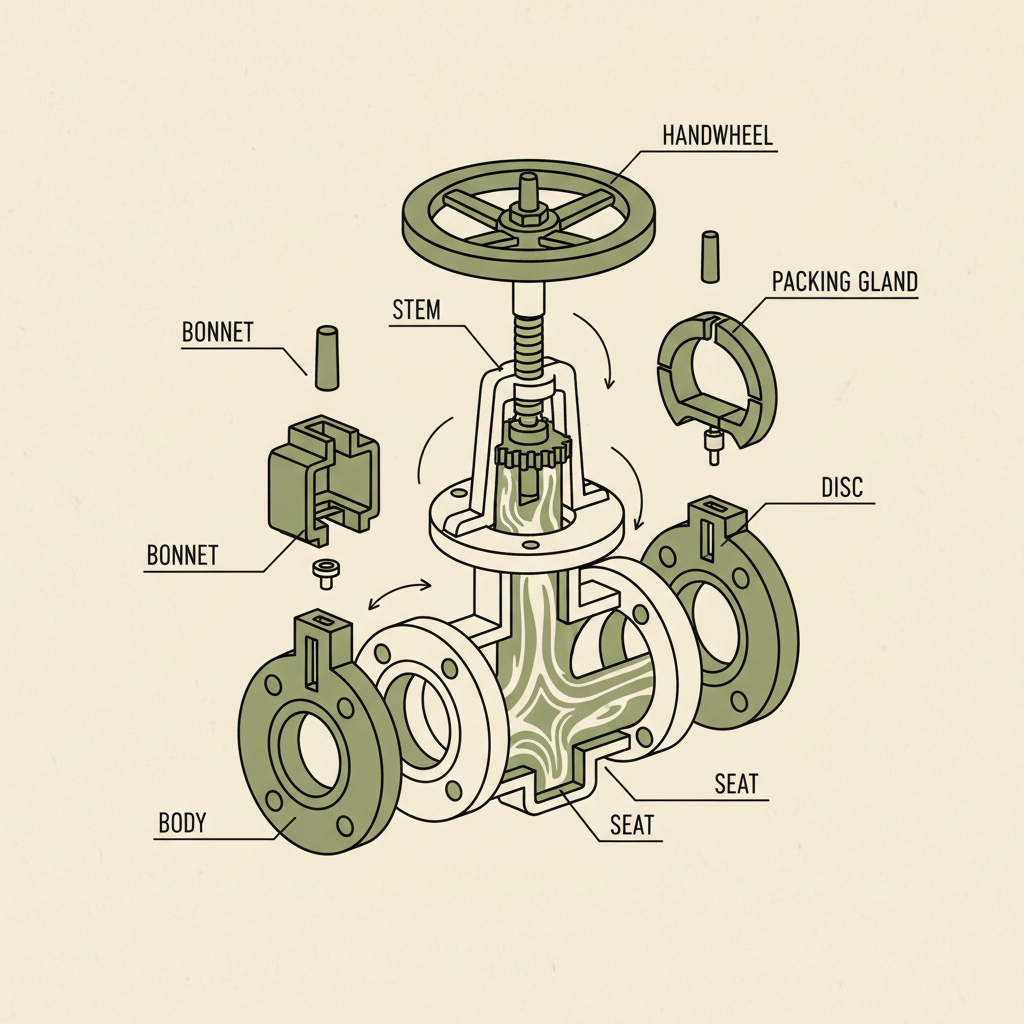
Regular inspection for leaks is key. Lubricating the stem, especially on globe valves, is crucial. Also, checking the packing gland to ensure it’s properly tightened. And, of course, documenting everything. A good maintenance log can save you a lot of headaches down the road.
Sometimes, depending on the severity of the issue and the skillset of the technicians on site. Simple things like replacing a seal can usually be done in the field. But more complex repairs often require sending the valve back to a qualified repair shop. It depends on the site and the valve’s construction.
Conclusion
So, where does all this leave us? Ultimately, cryogenic valves suppliers are about finding the right balance between performance, reliability, and cost. It’s about understanding the application, choosing the right materials, and ensuring proper installation and maintenance. It’s not glamorous work, but it’s essential.
And ultimately, whether this thing works or not, the worker will know the moment he tightens the screw. That's when you find out if the design is good, the materials are right, and the valve is going to hold up. That's when you know if you've done your job right. Now, if you'll excuse me, I need to go chase down a shipment of flanges. You can find us at savvyvalvetech.com.






 English
  Arabic
  Azerbaijani
  Czech
Czech  Dutch
Dutch  French
  German
  Indonesian
  Italian
  Japanese
  Korean
  Malay
Malay  Persian
  Polish
  Portuguese
  Russian
  Spanish
  Thai
Thai  Vietnamese