You know, lately everyone's talking about miniaturization, right? Everything's gotta be smaller, lighter, more efficient. Honestly, I’ve seen it before, these trends come and go. But this one seems to have some staying power. Everyone wants to pack more punch into a smaller package. It's driving a lot of innovation in materials science, that’s for sure. And, strangely, it's bringing back some older techniques too. Like, people are revisiting things their grandfathers used, just tweaking them with modern technology. It's…interesting.
One thing I've noticed, and this is a big one, is that designers often get hung up on the specs on paper. They look amazing – perfect tolerances, ideal materials – but forget what it's like to actually use the thing on a dusty construction site. You’ve got to think about the guy who’s gonna be wrestling with it in the rain, not just the engineer in a clean room. That's where things fall apart, usually. Like, I encountered this at a factory in Ningbo last time, they designed a valve with this super-smooth finish, looked fantastic. But it turned out to be a nightmare for grip with gloves on. Just…completely unusable.
We use a lot of 316L stainless steel, naturally. Good stuff. It's not as flashy as some of the exotic alloys, but it's reliable. Smells kinda…metallic when you're cutting it, if that makes sense. And the surface can get a little rough, but that's good, gives you something to hold onto. We also use a lot of PEEK – polyether ether ketone. Tough plastic, surprisingly tough. It feels…waxy almost. And it handles heat really well. You can smell it burning, a sort of chemical smell, if you push it too hard, but that’s rare. Anyway, I think those two are the workhorses.

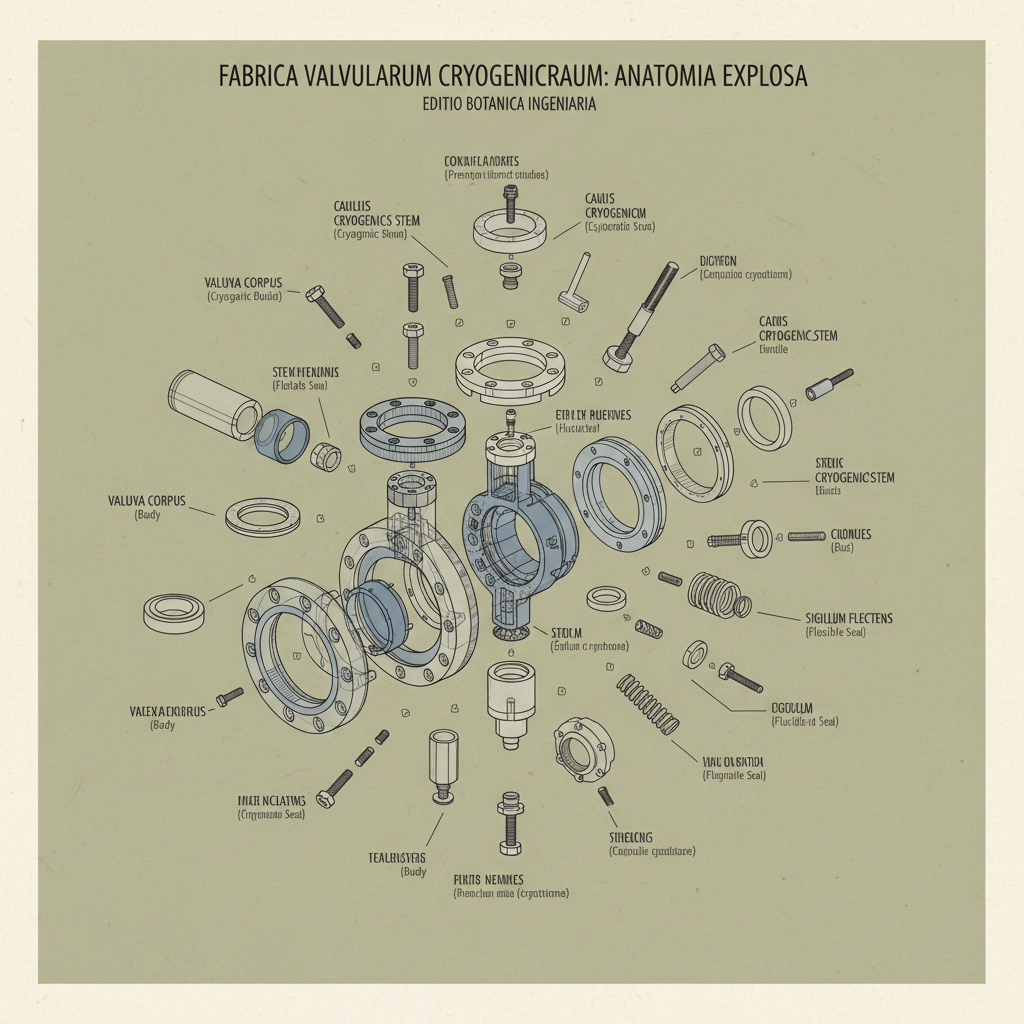
To be honest, the biggest trend right now is remote monitoring. Everyone wants to know what’s happening with their valves, their systems, everything, in real-time. It’s a good idea, don’t get me wrong. But it adds complexity. More sensors, more wiring, more potential points of failure. And it's tempting to over-engineer things, add features nobody needs. I've seen it a hundred times. They build a valve that can practically predict the weather, but can't reliably shut off the flow.
What’s easy to fall into a trap with? Definitely seals. Everyone’s always chasing the perfect seal, trying to eliminate leakage completely. That’s admirable, but it often leads to overly complex designs that are hard to maintain and prone to failure. Sometimes, a simple, well-designed packing gland is all you need. Simplicity is underrated.
When dealing with liquid nitrogen, material compatibility is paramount. 304L or 316L stainless steel are generally good choices, but you need to consider the specific pressure and temperature requirements. Also, ensure the valve’s seal materials are rated for cryogenic temperatures – PTFE often works well, but it’s not always the best option. Don't forget about thermal contraction – you need a design that can handle the significant volume change as the liquid nitrogen vaporizes. A proper valve will reduce the risk of brittle fracture.
Critical. Really critical. Without proper insulation, you're going to lose a lot of your cryogen to boil-off. It’s wasted money, and it can create safety hazards. Vacuum jackets and multi-layer insulation (MLI) are commonly used to minimize heat transfer. The insulation has to be designed to withstand the extreme temperature differential without compromising the valve’s functionality.
We do a lot of hydrostatic testing, of course, to verify pressure integrity. But we also do cryogenic temperature cycling – repeatedly heating and cooling the valve to simulate real-world conditions. We check for leaks at various temperatures and pressures. And we do burst testing to determine the valve’s ultimate failure point. It’s not glamorous, but it’s necessary.
Regular inspection for leaks is key. Also, check the seals for wear and tear. Lubrication is important, but you need to use a lubricant that's compatible with cryogenic temperatures. And don’t overtighten the packing gland – that's a common mistake that can damage the valve stem. Follow the manufacturer’s recommendations for maintenance intervals, they aren’t just there for show.
Absolutely. We routinely customize valves to meet specific customer requirements. We can adjust the bore size to change the flow rate, and we can modify the valve body and trim to handle different pressures. We also offer a range of connection options, including threaded, flanged, and welded connections. The key is to provide us with detailed specifications, and we’ll do our best to deliver a solution that meets your needs.
Always wear appropriate PPE – that means insulated gloves, safety glasses, and a face shield. Cryogenic liquids can cause severe frostbite on contact. Ensure the work area is well-ventilated, as vaporizing cryogens can displace oxygen. And never attempt to repair a valve while it's still pressurized. Always depressurize the system before starting any maintenance work.
Ultimately, cryogenic valves are complex pieces of equipment. They require careful design, meticulous manufacturing, and rigorous testing. They aren't just about numbers on a spec sheet; they're about ensuring safe, reliable operation in demanding environments. It's about understanding the nuances of materials science, the realities of on-site use, and the importance of listening to the guys on the ground.
And in the end, whether this thing works or not, the worker will know the moment he tightens the screw. That’s the truth of it. If it feels right, sounds right, and holds the pressure, then it’s a good valve. If not, back to the drawing board. For more information on cryogenic valve solutions, visit us at www.savvyvalvetech.com.







 English
  Arabic
  Azerbaijani
  Czech
Czech  Dutch
Dutch  French
  German
  Indonesian
  Italian
  Japanese
  Korean
  Malay
Malay  Persian
  Polish
  Portuguese
  Russian
  Spanish
  Thai
Thai  Vietnamese