
Understanding the Centric Disc Butterfly Valve: Why It Matters Now More Than Ever
If you’ve ever wondered about the tiny but mighty devices that help regulate fluid flow in industries ranging from water treatment to power generation, buckle up – the centric disc butterfly valve is a fascinating piece of engineering. This valve type may seem simple, but it plays a crucial role globally, ensuring efficiency and reliability in systems we rarely notice but deeply depend on. Grasping its key benefits means better infrastructure, sustainability, and savings in vast sectors worldwide.
Mini takeaway: The centric disc butterfly valve is a smart, reliable solution pivotal to modern industries confronting increasing demands for efficiency and sustainability.
Global Landscape: The Rising Relevance of Centric Disc Butterfly Valves
Across the globe, infrastructure modernization is in full swing. With over 70% of the world's fresh water used in industry and agriculture, according to the UN Water Report (2021), the demand for robust valves that can control and optimize flow without waste is at an all-time high.
Also, the World Bank notes an increasing need for improved energy generation and distribution, where valves like the centric disc butterfly come into play regularly. Traditional valves can be bulky, expensive, or maintenance-heavy, making operations inefficient or costly.
The centric disc butterfly valve addresses these challenges by offering a lightweight, compact, and efficient alternative that fits both large-scale utilities and smaller industrial setups.
Mini takeaway: As industries grow more complex and resource-conscious, the centric disc butterfly valve stands out as a versatile answer to real-world engineering challenges.
What Exactly Is a Centric Disc Butterfly Valve?
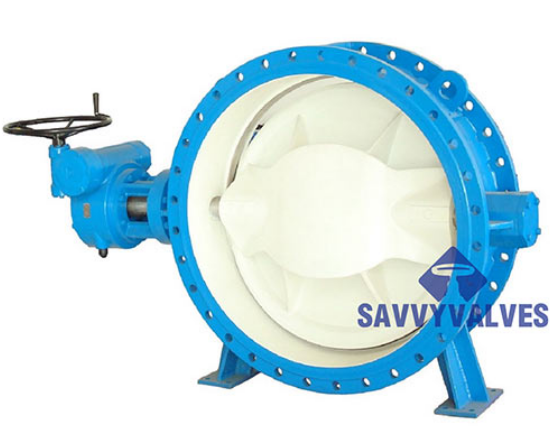
At its core, a centric disc butterfly valve is a type of flow control device that uses a disc-shaped element mounted on a central shaft to start, stop, or modulate flow within a pipe. The “centric” part means the shaft runs right through the center of the disc – this design brings simplicity and durability.
Think of it like a pizza slice rotating within the circle — a quarter turn can open or close the valve almost instantly, providing tight shutoff or fine control.
These valves find their way into many critical sectors like water treatment, chemical plants, HVAC systems, and even humanitarian efforts where reliable fluid control can mean safer, cleaner water distribution.
centric disc butterfly valve solutions often blend cost-effectiveness with surprisingly sophisticated engineering, a combination industry leaders appreciate.
Core Aspects That Make These Valves Essential
1. Durability and Robust Design
Centric disc butterfly valves typically sport a solid metal disc and sturdy seating materials, enabling them to withstand corrosive fluids, high pressures, and temperature extremes. Their centered shaft reduces stress points, preventing common wear issues seen in other types.
2. Compact and Lightweight
Compared to gate or globe valves, these valves take up less space and weigh less. For engineers and planners, this means easier installation and reduced structural demands on piping systems.
3. Cost Efficiency
Maintenance is straightforward because the simplicity means fewer parts prone to failure. The swift quarter-turn operation also cuts downtime. Plus, the valves’ ability to deliver reliable, low-leakage shutoff saves costs over time.
4. Versatility Across Fluids & Applications
Whether you’re handling water, chemicals, slurries, or steam, the centric disc butterfly valve can be adapted in materials and coatings to suit the task, making it incredibly versatile.
5. Scalability for Various Sizes
These valves come in sizes from a couple of inches to several feet, comfortably handling tiny sample lines or massive pipeline operations.
Mini takeaway: These valves hit the sweet spot between simplicity, durability, and adaptability — the kind that engineers dream of finding for their projects.
Where Do You See Centric Disc Butterfly Valves in Action Globally?
Interestingly, their global footprint is fairly broad but still growing. Let’s look at some examples:
- Water treatment plants in Europe rely on these valves due to their low maintenance and tight shut-off, critical for safe potable water circulation.
- Oil & gas refineries in the Middle East benefit from customized coated discs resistant to corrosive hydrocarbons.
- Post-disaster humanitarian projects in Southeast Asia deploy these valves in portable water purification units because they are easy to install and reliable even in tough conditions.
- HVAC systems in North American commercial buildings use them to regulate air and water flow efficiently, optimizing energy consumption.
It’s no exaggeration to say that without centric disc butterfly valves, much of the world’s fluid management infrastructure would be less reliable and more costly.
Product Specification Table: Example of a Mid-Range Centric Disc Butterfly Valve
| Feature | Specification |
|---|---|
| Size Range | 2" to 24" (50 mm to 600 mm) |
| Pressure Rating | PN10 to PN16 (up to 16 bar) |
| Body Material | Ductile Iron / Stainless Steel options |
| Disc Material | Stainless Steel 316, Coated Variants |
| Seat Type | EPDM / NBR / PTFE options |
| Operation | Manual, Gearbox, Pneumatic actuator compatible |
Comparing Leading Vendors of Centric Disc Butterfly Valves
| Vendor | Material Options | Size Range | Key Strength | Price Range |
|---|---|---|---|---|
| ValveCorp | Ductile Iron, SS304, SS316 | 2" - 48" | Robust coatings, custom finishes | $$ - $$$ |
| FlowMaster Inc. | Cast Iron, Stainless Steel | 1.5" - 24" | Excellent actuator integration | $ - $$$ |
| GlobalValve Solutions | Stainless Steel 316, PTFE-lined | 2" - 36" | High corrosion resistance | $$$ |
Long-Term Advantages of the Centric Disc Butterfly Valve
Engineers and facility managers consistently report several benefits — the valve’s reliability cuts down emergency repairs, while its low weight often slashes installation costs. It also offers a tight seal, improving safety and system integrity, especially when working with hazardous or corrosive fluids.
On a bigger scale, its widespread use supports sustainability goals by reducing energy consumption (due to lower pressure drops through the valve) and minimizing wastewater loss. Plus, the ease of control means operators can respond faster to changing system demands, enhancing overall performance.
Emotionally speaking, there's something reassuring about technology that just works quietly but consistently — trust built into steel and rubber.
Innovation on the Horizon: What’s Next for Centric Disc Butterfly Valves?
Surging towards greener sectors, manufacturers are experimenting with advanced composites and bio-based seal materials, cutting reliance on petroleum-derived plastics. Digital integration is another leap — imagine valves that can self-monitor wear and performance through IoT, sending alerts before maintenance is needed.
Automation paired with machine learning could tailor valve operations dynamically, meshing with smart grids and smart water networks. Plus, rising global standards like ISO 5208 are pushing quality and testing regimes higher, ensuring longevity.
Common Challenges and How Experts are Tackling Them
Despite their many strengths, centric disc butterfly valves aren't without flaws. For instance, they may not always provide bubble-tight shutoff in demanding chemical processes. Seal wear over time requires planned maintenance.
To counter that, developers are introducing double-offset designs and enhanced seat geometries, borrowing techniques from eccentric valve types. Additionally, the progress in wear-resistant coatings and advanced polymer seats is promising.
FAQ: Your Questions Answered
- Q1: What’s the key difference between centric and eccentric disc butterfly valves?
- A: The centric disc valve’s shaft runs through the disc’s center, offering simplicity and good sealing for general uses. Eccentric valves offset the shaft to reduce seat wear, better for higher pressure or demanding applications.
- Q2: Can these valves handle abrasive fluids?
- A: With the right materials and coatings — like hardened stainless steel discs and PTFE seats — centric disc butterfly valves can handle moderately abrasive fluids, though severe abrasives might require specialized designs.
- Q3: How do I choose the right actuator for a centric disc butterfly valve?
- A: Manual operation suits smaller sizes or low-frequency use. For larger or automated systems, gearboxes, pneumatic, or electric actuators help provide precise control and minimize manual labor.
- Q4: Are centric disc butterfly valves suitable for potable water systems?
- A: Absolutely. When made with appropriate materials like EPDM seals and stainless steel discs, they meet hygiene standards and provide reliable service in drinking water lines.
- Q5: How often do these valves require maintenance?
- A: Maintenance intervals vary by application but, generally, routine inspection every 1-2 years is sufficient, with seat replacement around 5-7 years depending on usage and fluid type.
Wrapping It Up: The Centric Disc Butterfly Valve’s Lasting Impact
The centric disc butterfly valve may not grab headlines, but its presence is felt at every turn in critical infrastructure worldwide. By balancing design efficiency, cost-effectiveness, and sustainability, it’s become an unsung hero of the valve world.
Whether you’re upgrading a water plant or building a new industrial system, considering a centric disc butterfly valve might just be the decision that pays off long-term. After all, when flows are steady and systems run smoother, everything downstream benefits.
For more details and expert advice, feel free to visit our website: https://www.savvyvalvetech.com


 English
  Arabic
  Azerbaijani
  Czech
Czech  Dutch
Dutch  French
  German
  Indonesian
  Italian
  Japanese
  Korean
  Malay
Malay  Persian
  Polish
  Portuguese
  Russian
  Spanish
  Thai
Thai  Vietnamese