
Butterfly Valve PN 16: The Unsung Hero of Modern Fluid Control
In industries ranging from water management to chemical processing, the butterfly valve PN 16 quietly plays a crucial role. Despite not being the flashiest component on production floors, its ability to efficiently control flow and pressure has made it indispensable worldwide. Understanding this valve, especially the PN 16 variant, is more important than you might think — it impacts system reliability, operational safety, and even sustainability efforts across many sectors.
Mini takeaway: Butterfly valves with PN 16 ratings are vital components enabling precise and durable fluid control worldwide, underpinning efficiency and safety in countless applications.
Setting the Scene: Why Butterfly Valve PN 16 Matters Globally
Globally, the demand for durable yet cost-effective valve solutions is booming. According to the International Organization for Standardization (ISO), valves with PN ratings, including PN 16, are standardized for nominal pressure classes — a key metric manufacturers and engineers trust to match valves with piping systems experiencing pressures up to 16 bar.
From water treatment plants in Europe to petrochemical facilities in the Middle East and agricultural irrigation projects in Asia, butterfly valve PN 16 types are sought after for their balance between strength and affordability. Why is it a challenge? Many industries struggle with valves that are either over-engineered (costly and heavy) or under-engineered (risky for leaks and failures). The PN 16 butterfly valve navigates this middle ground elegantly.
Mini takeaway: The PN 16 rating standardizes valve performance, helping engineers worldwide choose reliable, pressure-safe valves — a fundamental piece to safe infrastructure and industrial sustainability efforts.
Butterfly Valve PN 16 Explained: What Is It?
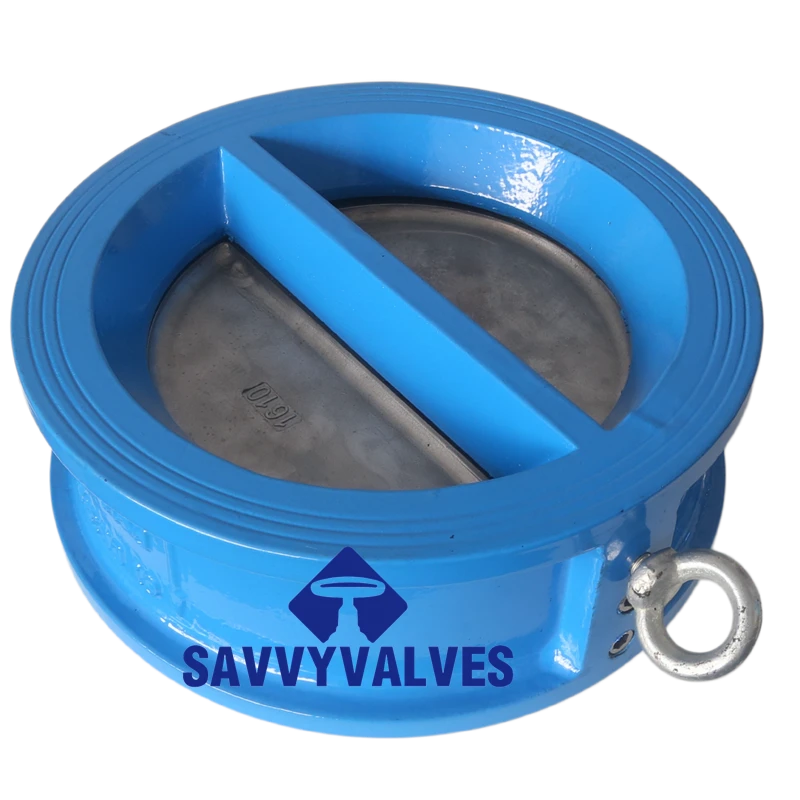
Simply put, a butterfly valve is a quarter-turn valve with a disc that rotates to open or close flow within a pipeline. "PN 16" indicates the valve’s nominal pressure capability — specifically rated to handle pressures up to 16 bar (roughly 232 psi).
Butterfly valves are preferred over other valve types like gate or globe valves because they are compact, lightweight, and quick to operate. The PN 16 variant is one of the most common pressure classes, fitting right into many industrial and municipal applications.
Interestingly, while butterfly valves are widely used in automation and digital control systems these days, their roots stretch back centuries — a testament to how certain timeless designs keep evolving.
Mini takeaway: The butterfly valve PN 16 pairs simple mechanics with a pressure rating ideal for mid-pressure fluid applications — a practical and economical choice for many industries.
Key Components and Features of Butterfly Valve PN 16
1. Durability and Pressure Handling
The PN 16 pressure rating means these valves can safely manage up to 16 bar of pressure, making them suitable for water, gas, and light chemical pipelines. Their robust discs, often made of stainless steel or ductile iron, resist corrosion — essential for long-term reliability.
2. Compact & Lightweight Design
Unlike bulky gate valves, butterfly valves take up less space and weigh less, facilitating easy installation and maintenance. This becomes a huge plus in tight industrial setups or mobile infrastructure.
3. Cost Efficiency
Butterfly valves with PN 16 ratings often come at a fraction of the cost compared to ball or globe valves, especially when scaled. A budget-friendly valve that does the job efficiently — sounds like an engineer’s dream, right?
4. Adaptability & Scalability
These valves can be fitted with manual levers, gearboxes, or electric actuators, making them easy to customize for both simple and automated systems, from small plants to massive municipal networks.
5. Sealing & Leakage Prevention
Depending on the application, a tight seal is crucial. PN 16 butterfly valves often feature resilient seat materials like EPDM or PTFE, ensuring leak-tight shutoff. This is especially necessary in potable water or chemical handling environments.
Mini takeaway: Butterfly valves PN 16 marry durable materials with lightweight, cost-effective, and adaptable design elements, making them a versatile staple across many industries.
Global Applications & Real-World Use Cases
The PN 16 butterfly valve is everywhere — you just might not notice it. Consider the vast irrigation networks in India or the municipal water plants across Europe; butterfly valves regulate the flow without fuss. In the Middle East’s oil and gas sector, these valves provide reliable flow control while withstanding tough environmental conditions.
Additionally, during emergency infrastructure deployment — such as post-disaster relief pumping stations in Southeast Asia — the quick operation and durability of butterfly valves PN 16 allow safe, rapid control of water supplies.
Even heavy industries, like pulp and paper manufacturing in Scandinavia or chemical factories in China, leverage these valves for their medium-pressure distribution lines.
Mini takeaway: Across continents and industries, the butterfly valve PN 16 proves its worth by combining reliability and efficiency in diverse, critical fluid control scenarios.
What Makes Butterfly Valve PN 16 Truly Advantageous?
- Cost Savings: Low upfront costs and reduced maintenance outlay make PN 16 valves an economical pick.
- Energy Efficiency: Their streamlined design reduces pressure loss, saving pumping energy over time.
- Safety & Reliability: Built to standardized pressure ratings, they support operational safety and regulatory compliance.
- Sustainability: Long service life and recyclable materials reduce environmental footprints.
- User Trust: Many operators appreciate the ease of use and quick shutoff functionality.
In real terms, these valves become a trusted partner for companies aiming to balance performance with cost and environmental responsibility.
Mini takeaway: The butterfly valve PN 16 offers a compelling mix of affordability, durability, and environmental friendliness that appeals to both engineers and decision-makers.
What’s Next? Future Trends in Butterfly Valve PN 16 Technology
The future is exciting — the butterfly valve is undergoing some cool transformations. Smart valves equipped with sensors for pressure, temperature, and valve position are becoming standard in Industry 4.0 pipelines.
Materials science is also elevating the game: composites and advanced polymers mean even lighter, corrosion-resistant valves without compromising pressure ratings.
Plus, green energy sectors, like biofuel plants and water treatment for hydroelectric power, increasingly use PN 16 valves customized for automated control and remote monitoring — improving efficiency while reducing manual interventions and leaks.
Oh, and the push for digital twins — virtual replicas of facilities — means valves will soon be tested and tweaked digitally before physical deployment.
Mini takeaway: Butterfly valve PN 16 is evolving with smart features and new materials, fitting perfectly into tomorrow’s sustainable, automated industrial landscape.
Challenges & Clever Workarounds
Despite all the benefits, butterfly valves PN 16 aren’t perfect. One common gripe: they can cause somewhat higher flow turbulence compared to other valve types, potentially affecting sensitive processes.
Also, sealing under certain toxic chemicals or slurry lines can challenge standard seat materials.
The savvy engineer tackles these by choosing specialized seat compounds, or opting for dual eccentric valve designs that reduce wear. Sometimes, pairing valves with flow conditioners or filters also helps protect system longevity.
Mini takeaway: While butterfly valve PN 16 has limitations, advances in design and materials help overcome these, maintaining their relevance across demanding environments.
Butterfly Valve PN 16: Frequently Asked Questions
- Q: What does PN 16 mean in butterfly valves?
A: PN 16 stands for “Pressure Nominal 16 bar,” meaning the valve is certified to safely handle pressures up to 16 bar (about 232 psi), commonly used in mid-pressure industrial and municipal systems. - Q: Are butterfly valve PN 16 types suitable for potable water?
A: Yes. Many butterfly valves with PN 16 rating use EPDM or NSF-certified seals that are safe for drinking water applications and comply with hygiene regulations. - Q: How do butterfly valves PN 16 compare cost-wise to ball valves?
A: Generally, butterfly valves cost less both upfront and in maintenance, especially in larger diameters, making them a practical choice for budget-conscious projects. - Q: Can butterfly valve PN 16 be automated?
A: Absolutely. They easily integrate with gearboxes or electric actuators for automated flow control in complex systems, including digital monitoring setups. - Q: Where can I find certified butterfly valve PN 16 suppliers?
A: Reputable vendors include global brands like Emerson, KITZ, and local specialists. Comparing certifications and testing compliance ensures quality procurement.
Butterfly Valve PN 16: Specification Overview
| Specification | Details |
|---|---|
| Pressure Rating | 16 bar (PN 16) |
| Operating Temperature | -10°C to 150°C (varies by seal material) |
| Body Material | Ductile Iron, Stainless Steel, Carbon Steel |
| Disc Material | Stainless Steel or Coated Steel |
| Seal Type | EPDM, PTFE, NBR |
| Connection Types | Wafer, Lug, Flanged |
Vendor Comparison: Butterfly Valve PN 16 Brands
| Vendor | Pressure Standards | Material Options | Price Range | Global Availability |
|---|---|---|---|---|
| Emerson | ANSI, DIN PN 16 | Stainless Steel, Ductile Iron | $$$ | Worldwide |
| KITZ | JIS PN 16 | Carbon Steel, Stainless Steel | $$ | Asia-focused |
| Velan | API, PN 16 | Ductile Iron, Alloy Steel | $$$ | North America, Europe |
Wrapping Up: Why Choose Butterfly Valve PN 16?
If you’re in the market for a valve that hits a sweet spot of pressure capacity, price, and performance, a butterfly valve PN 16 is one of those reliable engineering classics. It’s the sort of solution that quietly supports complex infrastructure, varying from city waterworks to industrial plants, proving its worth day after day — with minimal fuss.
If you want to explore more about butterfly valves, their specifications, or latest innovations, I highly recommend checking out our detailed product range at butterfly valve pn 16. It’s always better to see what trusted suppliers offer directly than just speculate.
Reliable, adaptable, and surprisingly cost-effective — butterfly valve PN 16 keeps the wheels of industry turning smoothly.


 English
  Arabic
  Azerbaijani
  Czech
Czech  Dutch
Dutch  French
  German
  Indonesian
  Italian
  Japanese
  Korean
  Malay
Malay  Persian
  Polish
  Portuguese
  Russian
  Spanish
  Thai
Thai  Vietnamese