
In almost every fluid transport system, flanges and fittings serve as the backbone that connects pipes, valves, pumps, and processing equipment into one stable network. From small municipal water lines to massive industrial plants, these components quietly ensure that fluids move safely and efficiently without leaks or interruptions.
From a practical engineering perspective, flanges and fittings provide a connection method that balances strength with flexibility. Unlike permanent welded joints, flanged connections allow systems to be opened, inspected, and modified when operating conditions change. This feature is especially valuable in facilities that must run continuously while still meeting strict safety standards.
As industries push toward higher efficiency and lower maintenance costs, flanges and fittings remain a constant focus. Their modular nature reduces downtime, simplifies repairs, and supports long-term system reliability, making them an essential investment rather than a simple accessory.
Pipe Flanges And Fittings For Easy Assembly
During installation and maintenance, pipe flanges and fittings make pipeline construction more predictable and controllable. By using bolts and gaskets, installers can create a strong, leak-tight seal that remains reliable even under fluctuating pressure and temperature conditions.
The real advantage of pipe flanges and fittings lies in their versatility. Different flange types—such as weld neck, slip-on, blind, threaded, lap joint, and socket weld—are selected based on pressure class, pipe size, and fluid characteristics. This flexibility allows engineers to design systems that match real operating needs instead of forcing compromises.
Over the long term, pipe flanges and fittings reduce maintenance effort. When inspection or replacement is required, sections can be opened without cutting pipes or shutting down entire systems, saving time, labor, and operational costs.
Stainless Steel Flanges And Fittings For Durability
In corrosive or high-humidity environments, stainless steel flanges and fittings are often the preferred choice. Stainless steel resists rust, chemical attack, and temperature variation, which helps maintain structural integrity over extended service periods.
Many industries rely on stainless steel flanges and fittings for hygiene and cleanliness as well as durability. Food processing, pharmaceuticals, and water treatment systems benefit from smooth surfaces that are easy to clean and resistant to contamination, ensuring compliance with strict quality requirements.
Although the initial investment may be higher, stainless steel flanges and fittings deliver strong long-term value. Reduced replacement frequency and lower maintenance needs often result in lower total lifecycle costs, making them a practical solution for systems designed for continuous operation.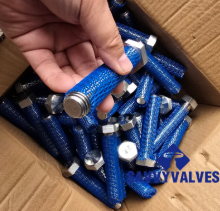
Pipe Flanges & Fittings For Standardized Systems
As global projects become more complex, pipe flanges & fittings manufactured to international standards play a critical role in system compatibility. Standard dimensions and pressure ratings allow components from different manufacturers to work together without modification.
Compliance with ANSI, ASME, DIN, JIS, and EN standards ensures that pipe flanges & fittings can be sourced, replaced, and expanded easily across regions. This is particularly important for multinational projects where procurement flexibility and supply continuity are essential.
By using standardized pipe flanges & fittings, companies reduce inventory complexity and simplify spare parts management. This standardization shortens repair times and helps maintain consistent system performance throughout the project lifecycle.
Industrial Flanges And Fittings For Heavy Duty Use
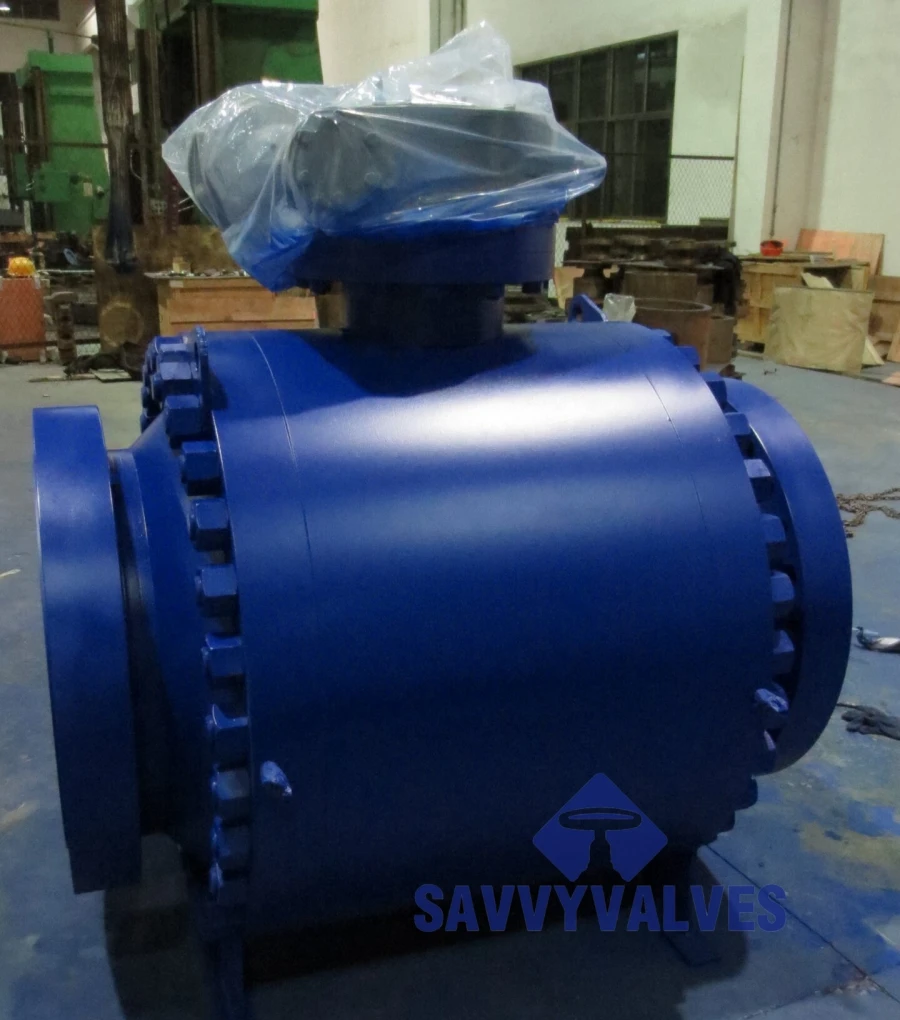
Designed for extreme conditions, industrial flanges and fittings are built to withstand high pressure, elevated temperatures, and continuous operation. These components are commonly used in oil and gas facilities, petrochemical plants, power stations, and large-scale water treatment systems.
The performance of industrial flanges and fittings depends heavily on material selection and manufacturing accuracy. Carbon steel, alloy steel, and stainless steel are chosen based on mechanical stress, fluid type, and environmental exposure to ensure safe and reliable operation.
When properly specified and installed, industrial flanges and fittings provide long-term operational security. Their strength and durability help prevent leaks, equipment damage, and unplanned shutdowns, which is critical in high-risk industrial environments.
Industrial Flanges And Fittings FAQs And Buying Guide
Before investing in industrial flanges and fittings, buyers often look for clear, experience-based answers to guide their decisions.
What are industrial flanges and fittings mainly used for?
Industrial flanges and fittings are used to connect pipes, valves, pumps, and equipment into a secure and serviceable piping system.
Why are stainless steel flanges and fittings widely used?
Stainless steel flanges and fittings offer corrosion resistance, hygiene advantages, and long service life in demanding applications.
How do pipe flanges and fittings reduce maintenance time?
Pipe flanges and fittings allow systems to be opened and reassembled easily, making inspections and repairs faster and safer.
Are pipe flanges & fittings compatible worldwide?
Pipe flanges & fittings follow international standards such as ANSI, ASME, DIN, JIS, and EN, ensuring global compatibility.
How should buyers choose industrial flanges and fittings suppliers?
Reliable industrial flanges and fittings suppliers offer consistent quality, clear technical documentation, and dependable delivery.
If you are designing a new system or upgrading an existing pipeline, selecting high-quality industrial flanges and fittings is a decision that directly affects safety, efficiency, and long-term costs. Well-made flanges and fittings simplify installation, reduce downtime, and improve overall system reliability. Visit the company website to review specifications, compare material options, and speak with experienced professionals. Choosing the right components today ensures smooth, stable operation for many years ahead.


 English
  Arabic
  Azerbaijani
  Czech
Czech  Dutch
Dutch  French
  German
  Indonesian
  Italian
  Japanese
  Korean
  Malay
Malay  Persian
  Polish
  Portuguese
  Russian
  Spanish
  Thai
Thai  Vietnamese