
Butterfly Valve 90mm: A Small but Mighty Component with a Global Impact
When you think of valves, your mind might wander to massive industrial machinery or complex piping systems in factories. But the humble butterfly valve 90mm quietly plays a crucial role across a surprising range of industries worldwide. Understanding this valve’s basics, it turns out, is not just for engineers or technicians—it’s for anyone curious about how things flow smoothly and reliably in water treatment plants, HVAC, oil and gas, and even humanitarian water supply projects.
Globally, valves regulate trillions of liters of fluids every day, keeping things safe, efficient, and controlled. The 90mm size is particularly popular for balancing flow capacity and installation convenience—big enough for robust performance but compact enough to fit in diverse systems. Grasping its benefits helps industries optimize costs and sustainability, a goal that’s increasingly on everyone’s mind in light of climate challenges and resource scarcity.
Mini takeaway: Butterfly valve 90mm may sound niche, but its impact spans continents and sectors, making it a quietly indispensable piece of modern infrastructure.
Global Context: Why Butterfly Valves Matter Everywhere
Across the globe, valves form the backbone of essential infrastructure. According to the International Organization for Standardization (ISO), around 50% of all fluid control components used industrially are butterfly valves by design, favored for their simplicity and versatility. The 90mm size often hits a sweet spot in public water supply networks, industrial automation, and even agricultural irrigation.
In emerging economies, where access to clean water and efficient energy systems can be limited, butterfly valves are critical to controlling flow rates and preventing leaks. The World Bank notes that nearly 2.2 billion people worldwide lack safely managed drinking water services, and efficient valves like the 90mm butterfly type aid in treatment plant upgrades and distribution efficiency, indirectly improving public health.
Yet, challenges remain: many older facilities use outdated valve tech prone to leakage or corrosion, causing wastage and downtime. The butterfly valve 90mm introduces a modular, reliable solution here, reducing these inefficiencies.
Mini takeaway: The butterfly valve’s global appeal doesn’t come from being flashy, but from meeting essential infrastructure challenges with economy and dependability.
What Is a Butterfly Valve 90mm?
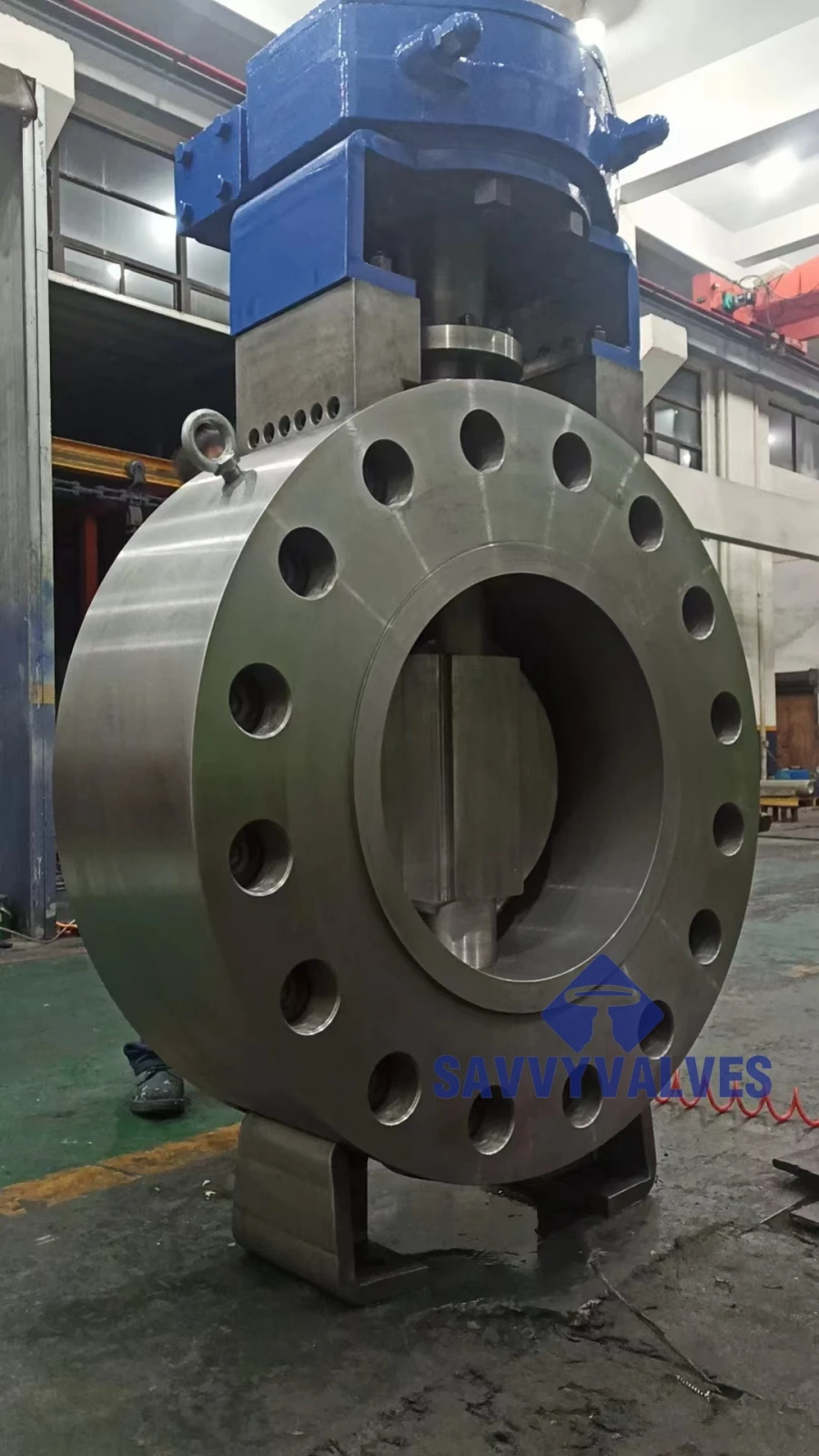
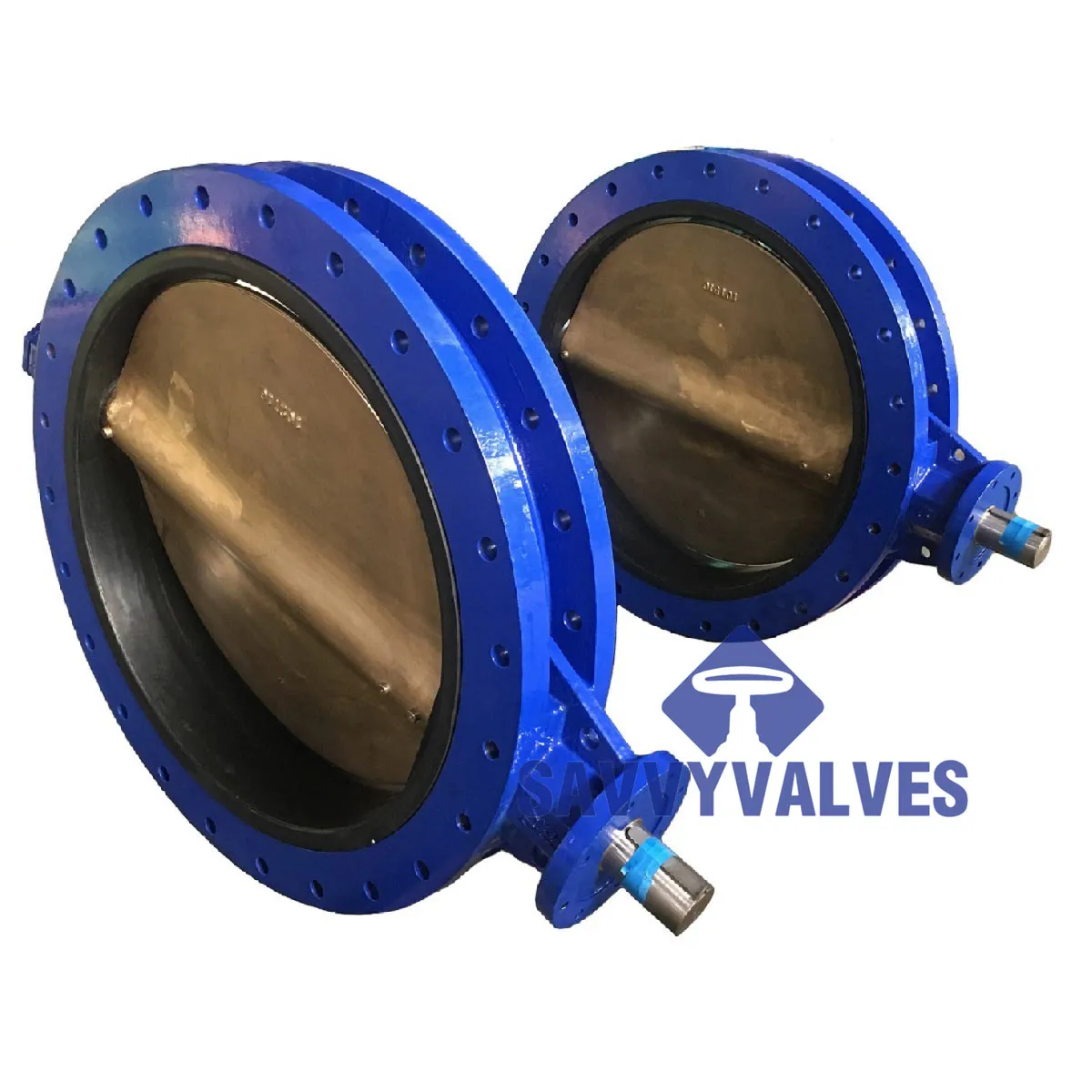
Put simply, a butterfly valve is a circular disc mounted on a rotating shaft inside a pipe. When the shaft turns, the disc pivots, opening or closing the flow path. The “90mm” refers to the nominal diameter of the pipe it fits—around 3.5 inches.
Think of it as a sort of “fluid throttle” that can quickly start, stop, or regulate flow with a quarter-turn motion, making it simple yet effective. Unlike gate valves or ball valves, butterfly valves are generally lighter, quicker to operate, and cost-efficient. This makes them ideal in sectors ranging from water, gas, and food processing to maritime and chemical plants.
Interestingly, their compact design means they require less installation space—a major plus in congested industrial sites or urban water setups.
Mini takeaway: The butterfly valve 90mm is a compact, cost-effective valve whose design suits a wide variety of fluid control needs with minimal fuss.
Key Features Making the 90mm Butterfly Valve Stand Out
1. Durability
Constructed often from stainless steel, cast iron, or high-quality plastic composites, butterfly valves can endure pressures and temperatures from mild to moderately aggressive. In corrosive environments, special coatings or rubber-lined discs extend lifespan. For 90mm valves, this balance of toughness and compactness makes them reliable even in harsh conditions.
2. Ease of Operation
With quick quarter-turn actuation (manual lever, electric actuator, or pneumatic), these valves enable swift responses—critical when safety or flow control matters. Many operators appreciate this simplicity, especially in emergency shutdown scenarios.
3. Cost Efficiency
Compared to ball or gate valves at the same size, butterfly valves often cost less both upfront and in maintenance, mainly because they have fewer moving parts and simpler assembly.
4. Space & Weight Savings
The slim profile of 90mm butterfly valves means less pipe support and overall weight, which can reduce stress on piping or frames—important in retrofitting old plants or mobile units.
5. Versatility
Suitable for liquids, gases, and slurries, these valves handle everything from potable water to viscous chemicals. They are resilient in various sectors, switching easily between uses without massive infrastructure changes.
6. Environmental Sustainability
Efficient sealing reduces leakage, preventing environmental contamination and conserving resources. Low torque operation also means actuators consume less energy, an increasingly pressing factor in green manufacturing.
Mini takeaway: The butterfly valve 90mm’s success is no accident—it’s engineered to be durable, compact, cost-effective, and environment-friendly.
Where Do Butterfly Valves 90mm Shine? Real-World Applications
- Municipal Water Systems: Regulating flow in treatment plants, distribution mains, and pressure zones in cities worldwide.
- HVAC Industry: Controlling air and water flow within heating and cooling installations, especially in commercial buildings where space-saving hardware is a must.
- Oil & Gas: Managing pipelines where corrosion resistance and quick shut-off are crucial.
- Agricultural Irrigation: Ensuring even distribution of water across large farms, often integrating automation for remote control.
- Humanitarian Relief: In clean water supply systems set up in disaster zones, butterfly valves’ quick deployability and reliability can be lifesaving.
For instance, in sub-Saharan Africa, local NGOs have been upgrading borehole water pumps with butterfly valves sized around 90mm, finding they reduce system failures and maintenance frequency dramatically.
Mini takeaway: The 90mm butterfly valve’s flexibility means it adapts well to regional demands—from sprawling cities to remote farms, from steady industrial flows to emergency setups.
Butterfly Valve 90mm Specifications Table
| Specification | Typical Value | Comments |
|---|---|---|
| Nominal Diameter | 90mm (3.5 inches) | Fits standard pipe sizes |
| Body Material | Cast iron, Stainless steel, PVC | Material varies by fluid type |
| Seat Material | EPDM, NBR, PTFE | Selected for chemical compatibility |
| Max Pressure | 10 bar (145 psi) | Suitable for medium-pressure systems |
| Temperature Range | -10°C to 120°C (14°F to 248°F) | Typical for industrial fluids |
| Operation | Manual/ Electric/ Pneumatic | Lots of actuator options |
Vendor Comparison: Butterfly Valve 90mm Product Options
| Manufacturer | Material | Price Range (USD) | Warranty | Lead Time |
|---|---|---|---|---|
| ValveTech Inc. | Stainless Steel 316 | $90-$120 | 5 years | 2-3 weeks |
| FlowMaster | PVC & EPDM | $50-$75 | 2 years | 1 week |
| Global Valve Corp. | Cast Iron & NBR | $80-$100 | 3 years | 4 weeks |
Advantages & Long-Term Value of the Butterfly Valve 90mm
The major charm of the butterfly valve 90mm lies in how it provides powerful utility with minimum fuss, reliability, or ballooning costs. Maintenance crews often praise its straightforward design—fewer moving parts means less chance of breakdown, and even when repairs are needed, replacement seats and seals are widely available and inexpensive.
Emotionally, for system operators and communities relying on water or gas supply, the butterfly valve brings reassurance: safety, trust, and dignity. Imagine a city water plant that rarely has leaks or pressure drops—that’s mostly down to such dependable valve technology.
From a sustainability lens, lower material use and reduced energy consumption for actuation contribute to a greener footprint, aligning well with many corporate social responsibility goals.
Mini takeaway: The butterfly valve 90mm offers a rare trifecta: operational ease, financial sense, and social impact.
Looking Ahead: Trends & Emerging Innovations
Manufacturers and researchers keep pushing the envelope. Some promising directions include:
- Smart Valves: Embedded sensors and IoT connectivity that enable real-time flow monitoring and predictive maintenance.
- Advanced Materials: Development of composite bodies and self-lubricating seals to extend valve life and resistance to harsh environments.
- Green Manufacturing: Adoption of more eco-friendly production techniques and recyclable materials.
- Standards Evolution: ISO and ASTM continue refining butterfly valve test procedures to support safety and uniformity globally, especially in emerging markets.
It’s exciting times, and the 90mm butterfly valve is definitely not standing still. I noticed some suppliers integrating electric actuation modules directly — promising smarter, smaller, and greener solutions.
Challenges & Practical Solutions
Of course, no product is without its hiccups. Butterfly valves can sometimes struggle with very high pressures or highly abrasive fluids, where other valve types are preferred. Additionally, improper installation or actuator mismatch can cause premature wear.
Experts recommend thorough sizing studies—not just relying on nominal size but on actual operating parameters, fluid chemistry, and maintenance ease. Also, training operators on correct torque application and using frequent inspections helps a lot.
Innovators have introduced multi-layer sealing designs and modular parts to streamline repair and extend valve life significantly.
FAQ: Common Questions About Butterfly Valve 90mm
- What applications are ideal for a 90mm butterfly valve?
- 90mm butterfly valves work well in medium-flow applications like municipal water lines, irrigation, HVAC systems, and light chemical handling where space and cost efficiency matter.
- How long do butterfly valves last in typical industrial settings?
- With proper maintenance and appropriate material selection, butterfly valves can reliably operate for 10–15 years or more, though this depends on fluid type and operating conditions.
- Are butterfly valves suitable for high-pressure pipelines?
- Generally, butterfly valves cover low to medium pressures. For extreme pressures, gate or ball valves are better; however, specialized butterfly valves with reinforced bodies exist for higher ranges.
- Can the 90mm butterfly valve be automated?
- Yes, many come with options to fit electric or pneumatic actuators for remote or automated control, improving precision and safety.
- How do I choose the right seat material?
- Seat materials like EPDM, NBR, or PTFE are chosen based on fluid chemical properties, temperature, and wear conditions—consult datasheets and vendor advice to match needs.
Conclusion & Next Steps
Though unassuming, the butterfly valve 90mm is a cornerstone of modern fluid systems worldwide — balancing efficiency, cost, and sustainability like few other components can. Its adaptable design, ease of maintenance, and broad application potentials make it a genuinely smart choice for engineers and decision-makers alike.
If you’re looking to upgrade or specify valves, consider the butterfly valve 90mm—you might just find it fits your system better than anything else.
Explore our product range and expert resources today at Savvy Valve Tech.
References:
1. Wikipedia: Butterfly Valve
2. ISO Valve Standards
3. World Bank: Water Supply and Sanitation


 English
  Arabic
  Azerbaijani
  Czech
Czech  Dutch
Dutch  French
  German
  Indonesian
  Italian
  Japanese
  Korean
  Malay
Malay  Persian
  Polish
  Portuguese
  Russian
  Spanish
  Thai
Thai  Vietnamese