
Understanding the Butterfly Valve 300mm: A Small Size with a Big Impact
At first glance, the idea of a butterfly valve 300mm might sound like just another pipe fitting, but its impact? Well, it’s quite global and surprisingly vital. These valves regulate industrial, water, and even energy flows worldwide—think about what that means for cities, factories, or irrigation systems. Grasping the workings and importance of the 300mm butterfly valve can unlock smarter engineering, cost savings, and sustainability benefits. Let’s dive in to explore why this relatively compact valve size is getting a lot of attention.
Global Importance of the Butterfly Valve 300mm
Globally, valve markets are forecasted by ISO and market analysts to grow north of 5% annually, fuelled by infrastructure upgrades and energy transitions. Around 2022, the World Bank reported over 2 billion people still lacked reliable access to clean water—systems that rely heavily on piping and control valves like our butterfly valve 300mm. That’s a concrete example of where this humble valve meets a major challenge: efficient, safe, and scalable flow control in water, gas, and chemical supply chains.
On top of that, industries such as petrochemical, HVAC, and manufacturing increasingly demand valves that balance cost and functionality without sacrificing reliability—another strong reason the butterfly valve, especially in the 300mm diameter range, is so crucial. But why specifically 300mm? It offers a near-perfect middle ground: large enough for decent flow but still compact and cost-effective for many applications.
Mini Takeaway:
- The butterfly valve 300mm plays a pivotal role in global water and energy systems.
- It addresses scaling challenges in infrastructure with an optimal size-efficiency ratio.
What Exactly Is a Butterfly Valve 300mm?
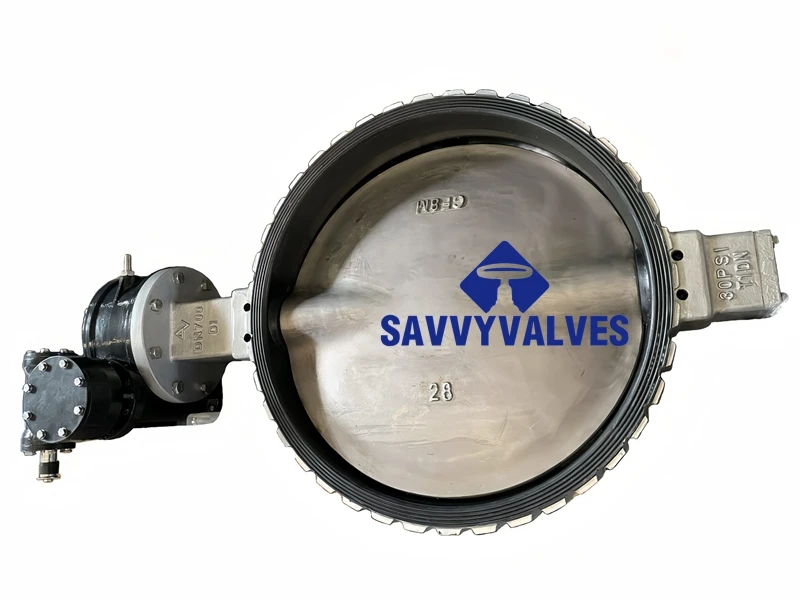
Simply put, a butterfly valve is a quarter-turn rotational valve consisting of a disc mounted on a rotating shaft. When you turn the shaft, the disc either blocks or allows flow. The “300mm” refers to the valve’s nominal diameter, roughly 12 inches, so it fits pipelines of that size. Perfectly sized for many medium-scale industrial processes.
Modern industries rely on these valves because they combine compact design with fast operation, often controlled manually or automated via actuators. In humanitarian terms, such valves help control water flow in emergency setups—especially where precise, fast shut-off is needed.
Mini Takeaway:
- The butterfly valve 300mm uses a rotating disc to control flow in pipelines about 12 inches wide.
- It’s favored for quick operation, compactness, and adaptability in many sectors.
Key Components and Core Features of Butterfly Valve 300mm
Durability
Typically, butterfly valves have bodies made from ductile iron or stainless steel, ensuring resistance to harsh chemicals and high pressures. The 300mm size is often found with resilient seats—like EPDM, PTFE, or NBR—that keep it leak-tight and reliable. Engineers often praise their longevity: some units run maintenance-free for years, yet still remain serviceable with simple part swaps.
Ease of Operation
This valve type is famous for its simple quarter-turn mechanism, which means opening or closing happens in just 90 degrees rotation. For the 300mm version, that translates to less force needed compared to larger sizes, making manual operation or smaller actuators possible.
Cost Efficiency
Butterfly valves generally cost less than gate or globe valves of the same diameter due to simpler design and lighter materials. The 300mm variant is especially popular for mid-sized systems where budget constraints meet demand for reliable sealing and flow control.
Compactness & Weight
At 300mm, butterfly valves are relatively lightweight and compact, simplifying installation, especially in confined spaces or retrofit projects. This reduces labor costs and downtime significantly.
Flow Control Precision
Though often used primarily to start or stop flow, butterfly valves can also modulate flow to some extent, which adds utility where system conditions change frequently.
Mini Takeaway:
- Robust materials make 300mm butterfly valves durable and leak-resistant.
- They offer quick, simple operation with excellent cost-to-performance balance.
Product Specification Table: Butterfly Valve 300mm
| Feature | Specification |
|---|---|
| Nominal Diameter | 300 mm (12 inches) |
| Body Material | Ductile Iron / Stainless Steel |
| Seat Material | EPDM / PTFE / NBR |
| Pressure Rating | PN10 / PN16 (up to 16 bar) |
| Operation | Manual lever or actuator |
| Temperature Range | -20°C to 130°C (depending on seat) |
Real-World Global Applications of Butterfly Valve 300mm
Oddly enough, you’ll find butterfly valves tucked away in places ranging from industrial giants in Germany to remote irrigation pipelines in Sub-Saharan Africa. Many water utilities in cities across Asia prefer the 300mm butterfly valve for its ease of maintenance and reliability under variable pressures.
In post-disaster relief operations, fast deployable piping systems often feature these valves, because they can be locked quickly to isolate damaged sections. Likewise, oil and gas refineries—say, in the Gulf region—trust butterfly valves of this size for their combination of resilience and quick actuation.
Furthermore, regions transitioning to green energy, like Scandinavia, use these valves in biofuel plants and geothermal heat networks due to their adaptability and low leakage.
Mini Takeaway:
- The 300mm butterfly valve supports a broad spectrum of global industries—water supply, energy, petrochemical, and emergency setups.
- Its versatility makes it a preferred choice even in remote or high-tech environments.
The Long-Term Advantages and Value Proposition
Here’s a fact: companies and utilities that choose the butterfly valve 300mm often see savings that go well beyond initial price tags. Because they’re lighter and simpler, they reduce freight and installation overhead. Plus, long service intervals mean fewer shutdowns—which is a direct boost to operational uptime.
From a social perspective, reliable butterfly valves contribute to safer water delivery and energy transmission. That’s safety not just in a technical sense but in dignity and trust — communities count on these valves to keep things flowing steadily.
And you know, with tightening environmental standards, their low emission and recyclable components add to sustainability goals. Some modern butterfly valves even come with smart sensor integrations to monitor position and detect leakages early, adding a layer of digital reliability.
Evaluating Different Butterfly Valve 300mm Vendors
| Vendor | Material Options | Price Range (USD) | Lead Time | Customization |
|---|---|---|---|---|
| Savvy Valve Tech | Ductile Iron, Stainless Steel, PTFE Seats | $350 – $550 | 2–4 weeks | Actuator & Sensor Integration |
| Global Valve Corp. | Cast Iron, Rubber Seats | $300 – $480 | 3–5 weeks | Limited Color Options |
| Pipeline Solutions Ltd. | Stainless Steel, PTFE Seats | $400 – $600 | 1–3 weeks | Full Custom Engineering |
Current Challenges and Practical Solutions
Of course, no product is without its quirks. Many operators find that butterfly valves can sometimes struggle with very high pressure or require precise flow modulation beyond their typical scope. Seat wear over time can also lead to leakage if maintenance is neglected.
Experts often recommend regular visual inspections and functional testing, plus using valves with upgraded seat materials if the application involves harsh chemicals. Increasingly, digital monitoring and smart actuators help flag maintenance needs before failures occur.
In an age where downtime can mean millions lost, investing a bit more in predictive upkeep saves headaches—and money.
Future Innovations in Butterfly Valve 300mm Technology
Looking ahead, suppliers are making impressive strides integrating IIoT (Industrial Internet of Things) technology into butterfly valves. Imagine valves that relay their position, pressure, and temperature data to control centers globally. Green energy systems, like hydrogen pipelines, are also encouraging the development of specialty valves resistant to novel chemical environments.
Material science advances, like graphene coatings or bio-based seat materials, promise added durability while lowering environmental impact. It’s a small part of the puzzle, but every penny counts when scaling up infrastructure that just works, under pressure.
Frequently Asked Questions About Butterfly Valve 300mm
- What makes butterfly valve 300mm suitable for water treatment plants?
- Its moderate size, reliable sealing with EPDM or PTFE seats, and quick quarter-turn operation allow precise control and easy maintenance—ideal for water system demands.
- Can I automate a butterfly valve 300mm for remote operation?
- Absolutely. Many models are compatible with electric or pneumatic actuators, and some come with sensor packages for remote monitoring and control.
- How does the 300mm size compare cost-wise to other butterfly valves?
- It strikes a balance; larger valves generally cost more due to higher materials and manufacturing complexity, while smaller ones might not suit the flow requirements.
- Are there common standards for butterfly valve 300mm sizing and pressure ratings?
- Yes. ISO, ANSI, and DIN standards guide dimensions and pressure classes, helping ensure compatibility across manufacturers and systems.
- Can butterfly valve 300mm handle corrosive fluids?
- Depends on materials. Stainless steel bodies and PTFE seats increase corrosion resistance, but specific chemical compatibility should always be checked per application.
Conclusion: Why Butterfly Valve 300mm Is Worth Your Attention
In real terms, the butterfly valve 300mm is a small but mighty hero in flow control. It embodies durability, cost-efficiency, and adaptability, touching sectors from urban water supply to sophisticated energy networks. Whether you’re upgrading existing lines or designing fresh systems, having this valve in your toolkit is almost a no-brainer.
Curious to learn more or check out specific models? Visit our website: butterfly valve 300mm for expert advice and product galleries tailored to your needs.
Final Thought:
Efficiency is often disguised as simplicity. The 300mm butterfly valve wears that disguise well—small size, big role, and an evolving future that’s pretty exciting.
References:


 English
  Arabic
  Azerbaijani
  Czech
Czech  Dutch
Dutch  French
  German
  Indonesian
  Italian
  Japanese
  Korean
  Malay
Malay  Persian
  Polish
  Portuguese
  Russian
  Spanish
  Thai
Thai  Vietnamese