
Butterfly Valve 300: Why It’s Such a Big Deal in Industry Today
If you're dipping your toes into industrial piping or fluid control, chances are you’ve come across the term butterfly valve 300. But what makes it so important globally? Well, these valves aren't just parts on a line; they’re the gatekeepers of flow, safety, and efficiency in countless systems, from water treatment plants to chemical factories. Understanding the butterfly valve 300 is like holding a master key to smoother operations — boosting sustainability, reducing downtime, and cutting costs worldwide.
Introduction: The Global Importance of Butterfly Valve 300
Look across industries, and you’ll notice a universal desire for valves that marry precision with resilience. The butterfly valve 300—referring to its nominal size, roughly 300 mm in diameter—is a sweet spot for many applications. According to ISO standards and global industry reports, valves in this size range are vital in sectors responsible for managing clean water, petroleum, and industrial gases, where flow control accuracy affects millions of lives and economies.
For example, the World Bank estimates that improved fluid control in water infrastructures could reduce losses up to 30%, a significant figure considering global water scarcity. Yet, challenges persist — many systems use outdated or poorly maintained valves, leading to costly failures or environmental hazards. This is where modern butterfly valve 300 designs shine, balancing cost-effectiveness with robust engineering.
So, What Exactly Is a Butterfly Valve 300?
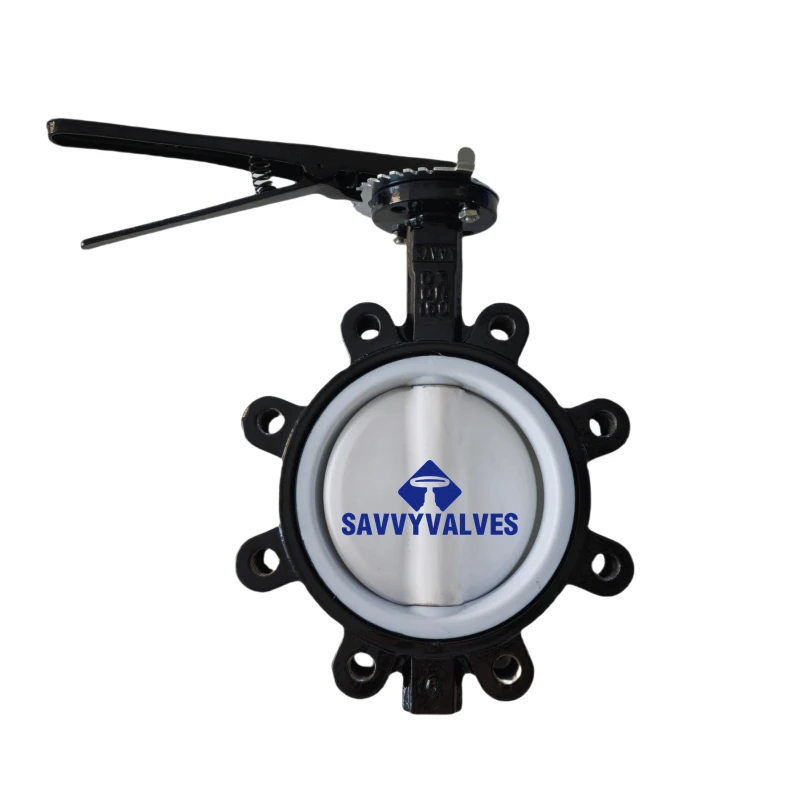
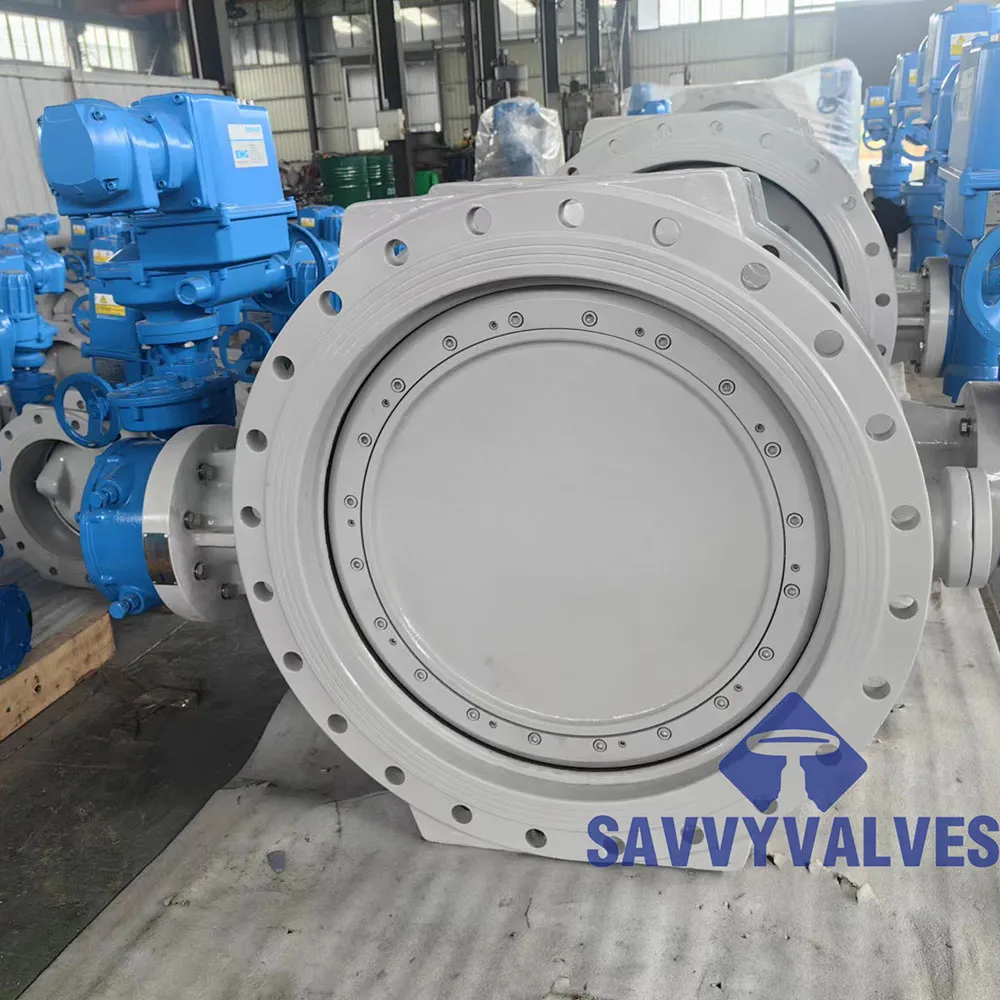
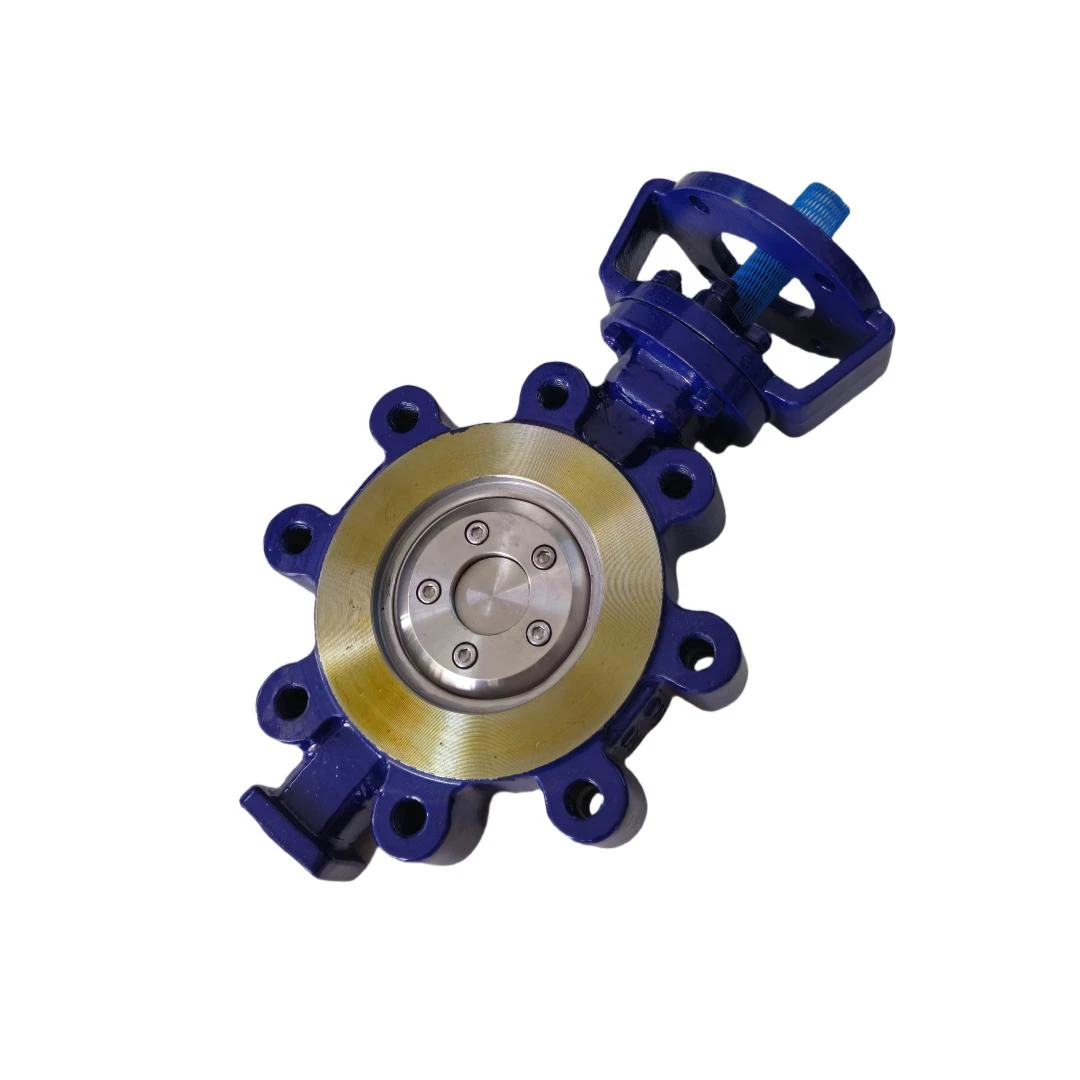
Imagine a simple disc inside a pipe that can spin to let flow happen or stop. That’s your butterfly valve in essence: a quarter-turn valve that rotates a disc to control flow. The "300" indicates the size — meaning it’s designed for pipes with a 12-inch (300 mm) diameter, commonly used in medium-scale industrial systems.
These valves have become indispensable in modern industry because their compact design offers reduced space and weight compared to other valves like gate valves. They also have quick operation times, crucial in process industries where precision can mean the difference between smooth production and costly downtime. On a humanitarian note, reliable valves like these help maintain clean water supplies—think disaster relief shelters where every drop counts.
Key Features of Butterfly Valve 300 That Matter Most
Durability
Many engineers I’ve spoken with swear by butterfly valves because of their tough build. Crafted from stainless steel, ductile iron, or high-performance polymers, these valves resist corrosion and handle pressures that often range up to 16 bar (~230 psi). You want something that’ll last in harsh environments — whether that’s a chemical plant in the desert or a hydroelectric dam in Scandinavia.
Cost Efficiency
Compared to ball or gate valves, butterfly valves usually cost less upfront and are lighter, meaning lower shipping and installation expenses. Their simple design means fewer parts to fail or maintain, but without sacrificing control accuracy—kind of a sweet middle ground.
Scalability & Size Adaptability
The 300 mm size is versatile: big enough for industrial throughput yet manageable for maintenance and upgrades. In real terms, many plants standardize on butterfly valve 300 models for pipelines ranging from 150 mm to 600 mm, thanks to their modularity.
Ease of Automation
Butterfly valves lend themselves well to actuators, enabling remote or automated control. This is becoming critical as industries adopt Industry 4.0 practices, integrating sensors and control systems for better efficiency and safety.
Compactness
These valves don’t hog space. For plants with tight layouts or retrofitting older pipelines, a butterfly valve 300 offers a more compact solution versus traditional globe or gate valves.
Product Specification Table
| Specification | Typical Value |
|---|---|
| Nominal Pipe Size | 300 mm (12 inches) |
| Pressure Rating | Up to 16 bar (230 psi) |
| Material | Stainless steel, Ductile iron, Polymer composites |
| Operation | Manual, Pneumatic, Electric actuator |
| Temperature Range | -20°C to 180°C (-4°F to 356°F) |
| Typical Applications | Water treatment, HVAC, Chemical, Oil & Gas |
Butterfly Valve 300 in Real Life: Applications and Use Cases
The versatility of butterfly valve 300 means you’ll encounter it everywhere. For instance, in Europe, municipal water plants rely on these valves for quick shut-off in distribution networks—keeping cities running smoothly and safely. In Asia, petrochemical refineries use them to control aggressive fluids, emphasizing corrosion-resistant builds.
Post-disaster relief operations often deploy portable water purification units that incorporate butterfly valves because of their reliability and easy maintenance. Oddly enough, even food and beverage factories use them to regulate steam and chilled water circuits, relying on the sanitary options now available.
In remote industrial zones, like mining sites in South America, butterfly valve 300 models have been favored because they combine durability with ease of remote operation — operators can adjust flows without physical presence, saving time and risk.
Why Investing in Butterfly Valve 300 Pays Off Over Time
- Reduced Maintenance: Long-lasting materials and simple design mean fewer breakdowns.
- Lower Operational Costs: Lightweight and cost-effective valves reduce installation and energy expenses.
- Environmental Sustainability: Durable valves minimize leaks and waste, supporting green initiatives.
- Safety & Trust: Fast-acting controls limit spills and hazards — literally providing peace of mind in critical systems.
From an emotional standpoint, operators often comment on the confidence these valves inspire. Knowing that a valve 300 mm can handle tough conditions without fuss builds trust in entire process lines — a subtle but powerful benefit.
Looking Forward: Trends and Innovations in Butterfly Valve 300 Technology
Today's butterfly valves are increasingly smart. Integration with digital sensors and IoT devices means real-time flow monitoring and predictive maintenance—cutting unexpected downtime dramatically. Some vendors embed wireless transmitters that alert engineers before seals or discs degrade.
Material science isn't standing still either. Research into advanced polymer coatings and composite discs offers longer life at higher temperatures and pressures. There’s also growing focus on valves optimized for green energy systems, such as geothermal and hydrogen plants, where unconventional fluids and pressures demand new engineering standards.
Challenges and How the Industry Is Tackling Them
One common gripe with butterfly valves is potential leakage in high-pressure applications. While generally solid up to 16 bar, pushing beyond requires specialty designs — and that can get expensive. However, companies are refining seal technology and using computational fluid dynamics (CFD) modeling to enhance tightness without compromising cost.
Another practical issue is valve failure due to improper installation or poor maintenance. To counter this, many vendors now offer comprehensive training programs and integrated support—sort of a “valve-friendly” customer service that pays dividends in uptime.
Vendor Comparison: Highlights of Butterfly Valve 300 Options
| Vendor | Material Options | Pressure Rating | Automation Available | Price Range (USD) |
|---|---|---|---|---|
| Savvy Valve Tech | Stainless Steel, Ductile Iron | Up to 16 bar | Pneumatic & Electric | $400–$700 |
| FlowMaster Corp | Polymer composites | Up to 14 bar | Electric actuator only | $350–$600 |
| ValvePro Industries | Stainless Steel, Carbon Steel | Up to 18 bar | Manual & Pneumatic | $450–$750 |
FAQ: Frequently Asked Questions About Butterfly Valve 300
What industries commonly use butterfly valve 300 models?
Butterfly valve 300 sizes are widespread across water treatment, HVAC, petrochemical, food processing, and even power generation. Their medium size fits many pipelines that need effective yet affordable flow control.
How durable is a butterfly valve 300 in harsh environments?
Durability depends on materials. Typically, stainless steel and ductile iron variants stand up well to corrosion and pressure, lasting 10+ years with routine maintenance. Specialty seals and coatings boost lifespan in aggressive fluids.
Can the butterfly valve 300 be automated?
Absolutely. Most butterfly valves support pneumatic or electric actuators, enabling remote control and integration within automated systems. This is increasingly crucial for Industry 4.0 compliance.
How does butterfly valve 300 compare with gate valves?
While gate valves provide excellent sealing for on/off use, they often require more space and time to operate. Butterfly valve 300 is quicker to actuate, lighter, and more cost-effective for many flow regulation purposes.
Are butterfly valves easy to maintain?
Thanks to the minimal moving parts and modular design, butterfly valves generally require less upkeep than complex valve types. Still, periodic inspection and seal replacement keep them performing optimally.
Wrapping It Up: The Smart Choice for Your Flow Control Needs
In the long run, butterfly valve 300 models deliver a balance of affordability, durability, and adaptability that rarely disappoints. Whether you manage municipal water, industrial fluids, or emerging green energy projects, these valves provide reliable, efficient control that can be trusted to perform. For anyone serious about uptime, sustainability, and operational excellence, understanding and investing in quality butterfly valve 300 solutions is a smart move.
Curious to explore your options further or ready to upgrade your systems? Visit us at butterfly valve 300 for detailed advice, product specs, and expert guidance.
Mini Takeaway
Reliable, cost-effective, and increasingly smart, butterfly valve 300s stand at the forefront of industrial flow control, meeting today’s challenges and tomorrow’s innovations head-on.


 English
  Arabic
  Azerbaijani
  Czech
Czech  Dutch
Dutch  French
  German
  Indonesian
  Italian
  Japanese
  Korean
  Malay
Malay  Persian
  Polish
  Portuguese
  Russian
  Spanish
  Thai
Thai  Vietnamese