
Understanding the Butterfly Valve 25mm: Small Valve, Big Impact
Butterfly valves might sound like something gentle and delicate — evoking images of fluttering wings. Yet the butterfly valve 25mm is anything but fragile. It’s a key player in industries worldwide, quietly controlling flow with efficiency and reliability. Globally, even small size valves like this are part of massive supply chains and infrastructure that keep everything from water supplies to manufacturing plants running smoothly.
Why does understanding a butterfly valve 25mm matter at all? Well, as we increasingly look at sustainable and efficient solutions in piping and fluid control, knowing the nuances of these compact valves becomes crucial. Their role touches on energy savings, industrial safety, and supply chain resilience — all big-picture stuff that influences development in emerging economies and disaster response alike.
The Global Context of Butterfly Valve 25mm
Globally, the demand for compact, cost-effective valves is on the rise. According to an ISO standard on industrial valves, markets are expected to grow steadily at about 5% annually. The trend toward miniaturization and precision in fluid control is intense, especially for pipelines below 2 inches in diameter — and there’s your sweet spot for the 25mm butterfly valve.
Industries such as food and beverage, pharmaceuticals, and water treatment need valves that can handle quick turnarounds and delicate flows with minimal pressure drops. Meanwhile, the United Nations World Water Development Report highlights the increasing need for sustainable water management systems — where valves like the butterfly valve 25mm ensure control and safety during water distribution in urban and rural areas.
But here’s the kicker: many regions still grapple with aging or unsuitable valve infrastructure, leading to leaks, contamination risks, or unreliable supplies. A small, well-engineered valve could make a real dent in those challenges.
What Exactly Is a Butterfly Valve 25mm?
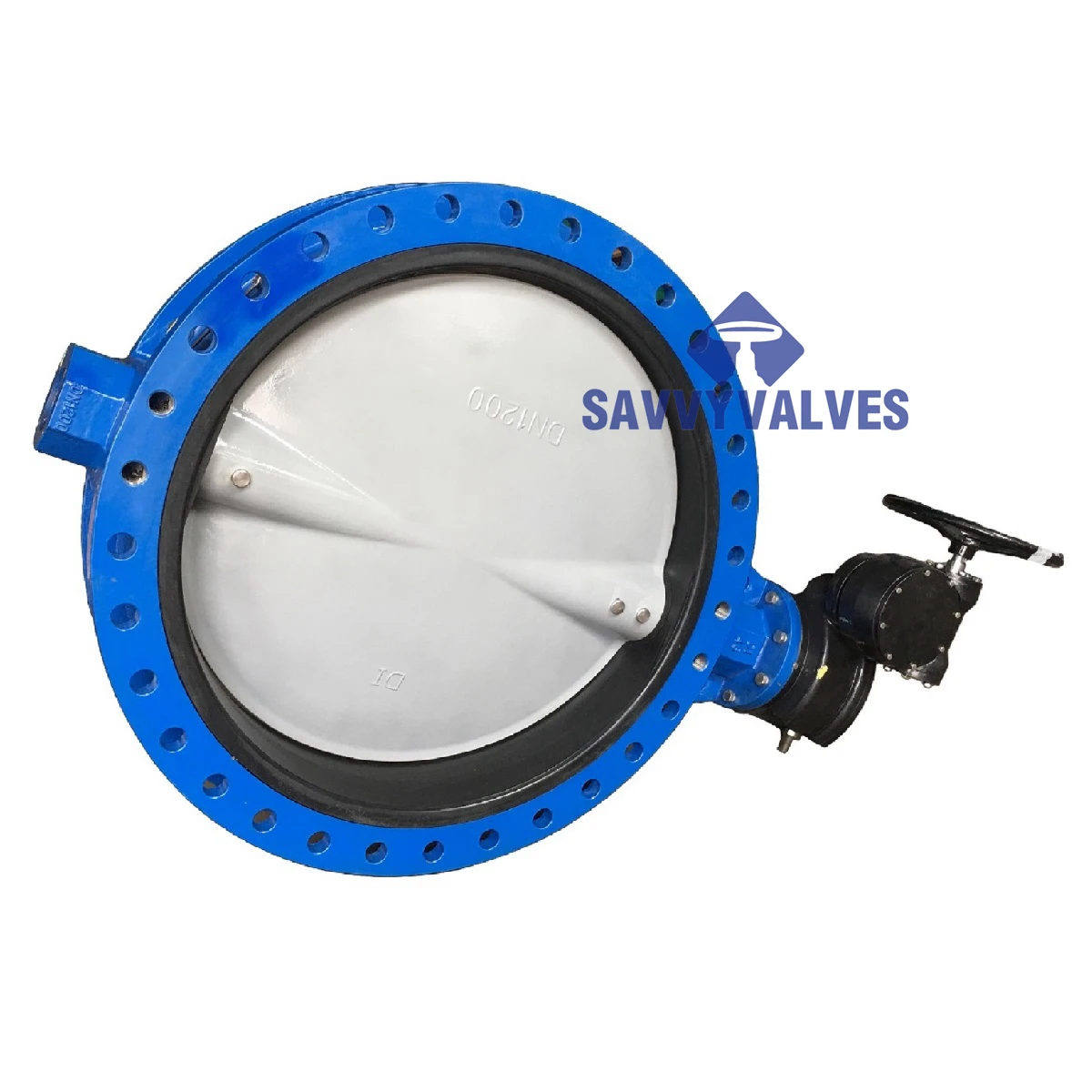
Put simply, a butterfly valve is a quarter-turn valve that uses a flat circular disc positioned in the center of a pipe to control flow. When you rotate the disc, you either block or allow fluid to pass. The term 25mm refers to the nominal diameter of the pipe it fits — roughly 1 inch.
This compact valve’s design offers the benefit of quick operation combined with low weight and small installation space. It’s one of the go-to valves for regulating liquid, gas, or even slurries in various industries. Interestingly, in humanitarian water systems — say, in remote settlements or rapid-deployment camps — such valves keep water flowing clean and safe without complicated maintenance.
Core Components and Key Factors
1. Durability and Materials
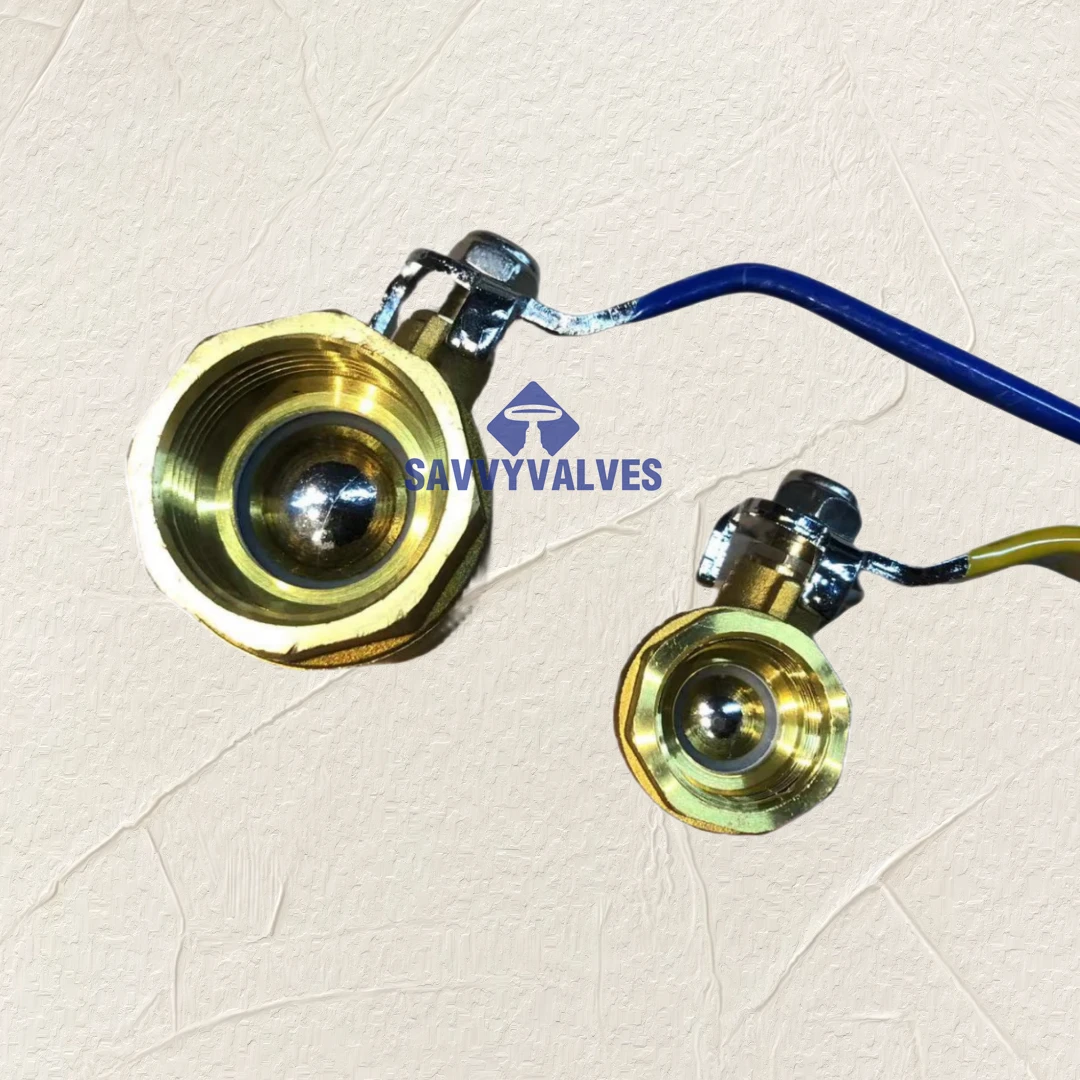
Most butterfly valves at this size come with stainless steel or brass discs and resilient rubber or PTFE seals. This combo ensures they resist corrosion, wear, and chemical attack, even in tough industrial or municipal environments.
2. Compactness and Lightweight Design
The butterfly valve 25mm requires less space than traditional gate or ball valves, making it perfect for tight piping systems. This feature is a huge advantage on crowded factory floors or in retrofit projects.
3. Operational Simplicity
With just a simple quarter turn to open or close, they allow faster responses. Manual levers or automated actuators can be fitted, adding versatility where speed and precision matter.
4. Cost Efficiency
Lower material use and easy installation translate to cost savings upfront and over time. Energy losses caused by flow resistance are also minimized, lessening operational running costs.
5. Scalability and Replaceability
This valve size is widely standardized, meaning it’s easy to find replacements or expand existing systems. For industries growing fast or needing modular solutions, that’s a practical win.
Typical Specifications of a Butterfly Valve 25mm
| Specification | Details |
|---|---|
| Nominal Diameter | 25 mm (1 inch) |
| Body Material | Stainless Steel / Brass |
| Disc Material | 304/316 Stainless Steel |
| Seal Material | EPDM / PTFE / NBR |
| Pressure Rating | PN16 (16 bar max) |
| Operating Temperature | -20°C to 120°C |
| End Connection | Wafer / Lug / Flanged |
Global Applications and Use Cases
Butterfly valves sized at 25mm pop up in a surprising number of places. For instance:
- Water treatment plants in Asia and Africa rely on these valves for their easy maintenance and reliable sealing in municipal water systems.
- Pharmaceutical manufacturing facilities in Europe use 25mm butterfly valves to handle precise fluid transfer under sterile conditions.
- Food and beverage processing in South America benefits from their corrosion resistance and quick operation, especially in bottling lines.
- Disaster relief NGOs, setting up temporary water supply points, find the lightweight and modular nature of these valves invaluable in logistics-challenged environments.
What’s notable are also smaller-scale industrial parks in emerging countries where upgrading infrastructure with dependable but affordable valves can boost productivity and safety.
Many systems adapt these valves in automated setups with sensors and actuators to monitor flow remotely — a growing trend that empowers regional plant operators to manage resources better.
Advantages and Long-Term Value
The value of a butterfly valve 25mm isn’t just in initial capital cost but in the long game:
- Reliability: Few moving parts and robust materials mean fewer breakdowns and less downtime.
- Affordability: Its smaller size translates to a generally lower price point but with no compromise on function.
- Sustainability: The efficient design reduces fluid turbulence and power consumption in pumps downstream, helping lower carbon footprints.
- Safety: Smooth operation and tight sealing minimize leaks, protecting both workers and the environment.
As one plant engineer put it, "Choosing the right butterfly valve can feel like finding the spine of a system—everything else then just falls properly into place."
Future Trends and Innovations
Looking ahead, butterfly valves at the 25mm size are getting smarter. Integration with IoT sensors allows real-time flow monitoring and status alerts, reducing human error and prolonged downtimes. Materials are evolving too—advanced composites and bio-based seals aim to enhance durability while cutting ecological impact.
Energy industries are interested too, as valves that minimize pressure losses can aid efficiency in green hydrogen and biogas pipelines.
Digitally controlled actuators paired with these valves are getting more compact and affordable, meaning automation is no longer just for big plants.
Challenges and Solutions
Despite their many pluses, butterfly valves face hurdles. One common quibble is the risk of partial closure clogging if slurries or particles accumulate on the disc. Experts recommend fine filtration upstream to mitigate this.
Also, temperature extremes beyond 120°C still challenge most seal materials; ongoing research into high-temp elastomers is promising to extend operational boundaries.
Finally, standardizing actuator interfaces globally would make replacements and upgrades smoother, cutting downtime even further.
Vendor Comparison: Popular Butterfly Valve 25mm Options
| Vendor | Materials | Pressure Rating | Automation Support | Typical Price Range |
|---|---|---|---|---|
| ValTech Inc. | 316 Stainless Steel, EPDM | 16 bar | Yes (Actuator Compatible) | $30 - $55 |
| FlowMaster | Brass, PTFE Seals | 10 bar | Optional | $25 - $45 |
| EcoValve Solutions | Stainless Steel, Bio-Seals | 16 bar | Yes, IoT Ready | $40 - $65 |
FAQ: Common Questions About Butterfly Valve 25mm
Q1: What industries commonly use the butterfly valve 25mm?
A: The butterfly valve 25mm is popular across water treatment, chemical, pharmaceutical, and food processing sectors. Its compact size suits precise flow control in small pipes and automated systems.
Q2: Can a butterfly valve 25mm be automated?
A: Absolutely. Many models support electric or pneumatic actuators, allowing remote operation. This is especially useful in industrial plants for faster and safer valve control.
Q3: How durable is the butterfly valve 25mm in harsh environments?
A: With stainless steel bodies and quality seals like EPDM or PTFE, these valves resist corrosion and wear well. However, extreme temperatures or abrasive fluids require specific material choices.
Q4: Is the butterfly valve 25mm suitable for residential water systems?
A: Yes, but they are more common in commercial or light industrial systems. Their quick operation and compact design can improve maintenance efficiency even in homes with complex plumbing.
Q5: Where can I source reliable butterfly valve 25mm models?
A: Many specialized manufacturers offer these valves. It’s best to consider quality certifications, material specs, and vendor support. For instance, visit butterfly valve 25mm for a curated selection.
Wrapping Up: Why the Butterfly Valve 25mm Deserves Your Attention
In a world often obsessed with bigger and flashier machinery, the humble butterfly valve 25mm reminds us how small components underpin huge systems. They bring practicality, efficiency, and adaptability — often transforming cumbersome piping networks into responsive, reliable infrastructures.
Whether you’re upgrading a process line, setting up a humanitarian aid project, or simply managing facility maintenance, understanding these valves can unlock smarter choices with lasting benefits.
For more information and expert advice, don’t hesitate to visit https://www.savvyvalvetech.com — your go-to hub for butterfly valve solutions and more.
References:
1. ISO 5208 - Industrial Valves
2. UN World Water Development Report 2023
3. Wikipedia: Butterfly Valve


 English
  Arabic
  Azerbaijani
  Czech
Czech  Dutch
Dutch  French
  German
  Indonesian
  Italian
  Japanese
  Korean
  Malay
Malay  Persian
  Polish
  Portuguese
  Russian
  Spanish
  Thai
Thai  Vietnamese