
Understanding the 1/2 Flanged Ball Valve: A Practical Perspective
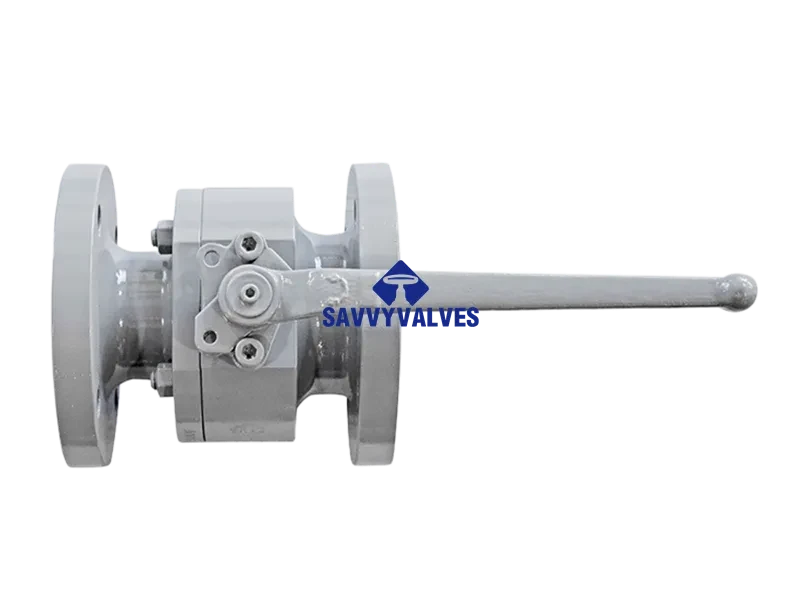
If you’ve spent any time in the industrial equipment world, you know that the small components often play outsized roles. One such component that quietly but effectively holds the line across countless systems is the 1/2 flanged ball valve. It’s the kind of product that, honestly, many engineers take for granted until something goes wrong or a specification calls specifically for it.
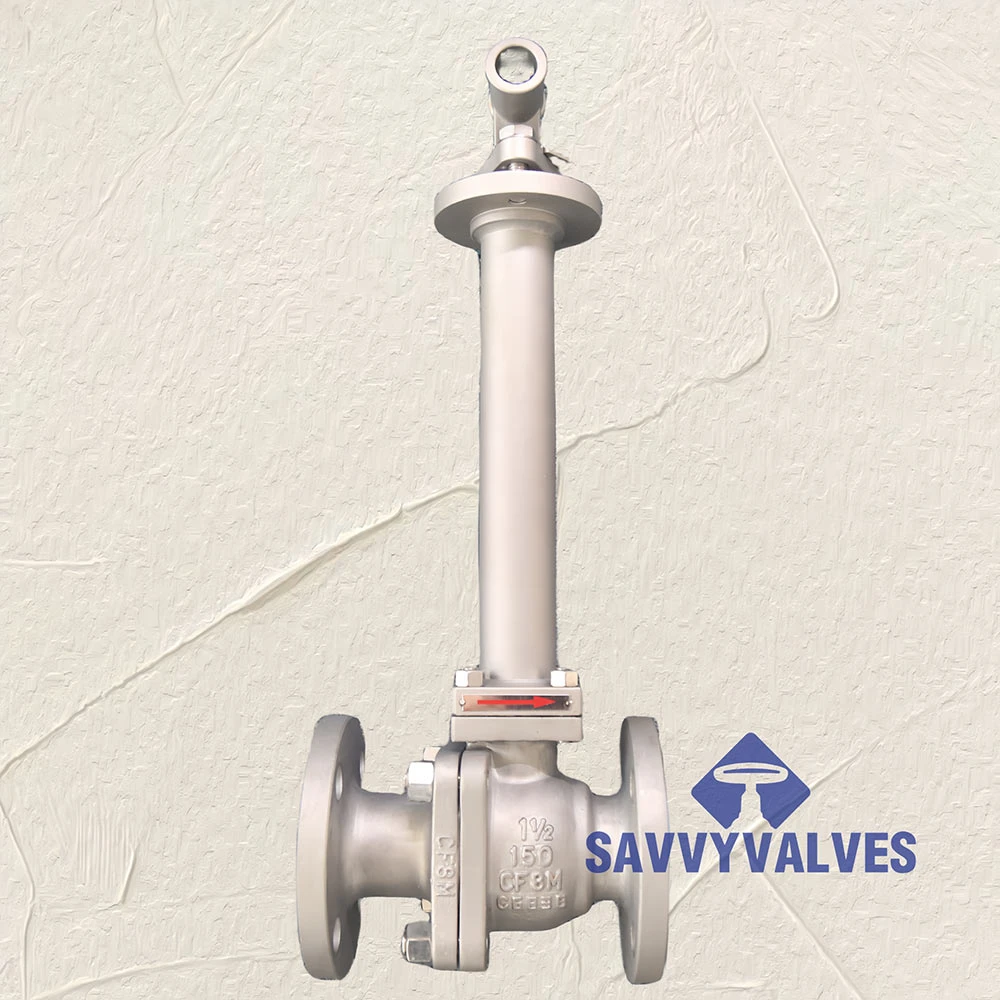
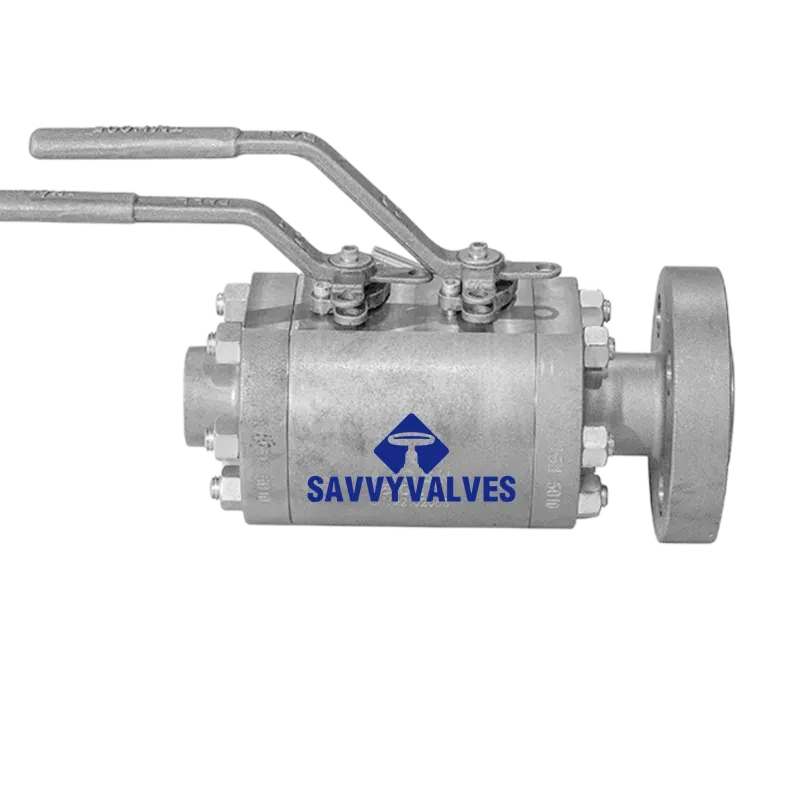
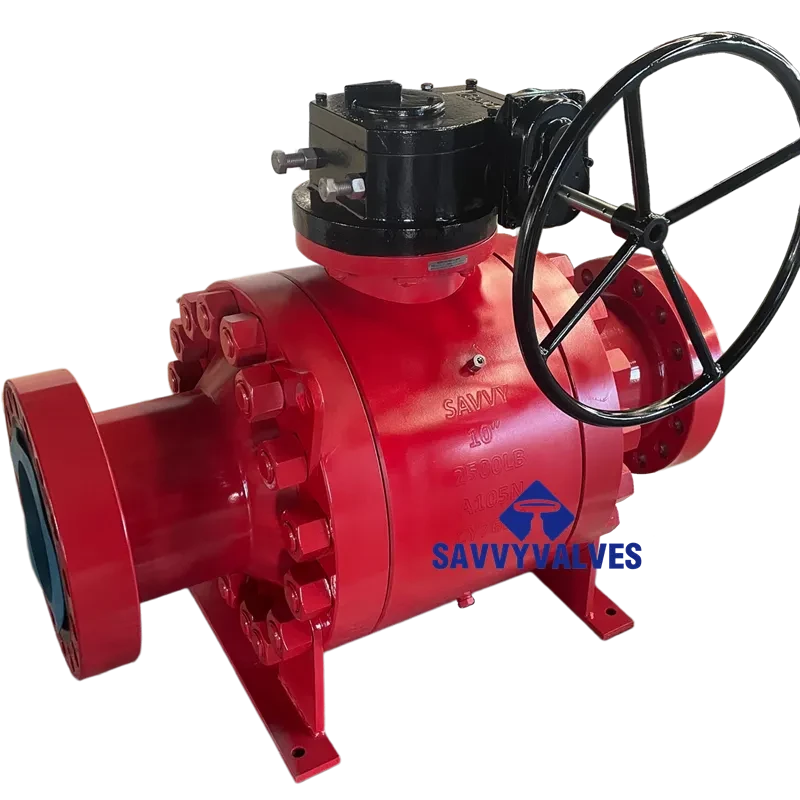
Having worked around piping systems and valve assemblies for over a decade, I’ve seen the 1/2 flanged ball valve in a variety of roles — from chemical processing plants to water treatment facilities. There’s something satisfying about its straightforward function combined with surprisingly robust performance. The flange connection makes installation and maintenance easier, especially when you deal with heavier-duty piping that requires secure, leak-proof joints.
Sure, smaller valves are more common in threaded formats, but the flange design here is more than a simple mechanical preference—it’s about strength, safety, and adaptability. In environments where pressure ratings and system integrity can't be compromised, this valve design really shines.
Product Specifications at a Glance
| Feature | Specification |
|---|---|
| Valve Size | 1/2 inch |
| Connection Type | Flanged (ANSI B16.5) |
| Material | Stainless Steel 304 / Carbon Steel / Brass options |
| Pressure Rating | Up to 1000 PSI (varies by material/class) |
| Temperature Range | -20°C to 180°C (-4°F to 356°F) |
| Seal Type | PTFE (Teflon) seats for tight shutoff |
| Operation | Manual lever, pneumatic and electric actuation optional |
In real terms, the varied material options let you match the valve with your fluid’s chemical compatibility. The PTFE seats impress me every time with their longevity and sealing prowess — quite essential when small leaks can escalate equipment downtime.
Oddly enough, I sometimes notice that quarter-inch or smaller valves steal the spotlight, yet the 1/2 inch flanged ball valve handles pressures and flows that are crucial for regulated processes. It's kind of the unsung hero of mid-size valves.
A Quick Vendor Comparison
| Vendor | Material Options | Pressure Ratings | Customization | Typical Lead Time |
|---|---|---|---|---|
| Savvy Valve Tech | Stainless Steel, Carbon Steel, Brass | Up to 1000 PSI | Tailored flanges, actuation options | 3-4 weeks |
| Generic Industrial Co. | Mostly Carbon Steel | Up to 800 PSI | Limited customization | 2-3 weeks |
| Premium Valves Ltd. | Stainless Steel 316 dominant | Up to 1500 PSI | Full customization, quick prototyping | 4-6 weeks |
Having handled procurement a fair bit, I find that Savvy Valve Tech hits a nice balance between availability, customization, and quality. I remember a job where a client needed a quick turnaround with a non-standard flange facing; Savvy was able to accommodate and ship faster than expected, which frankly saved a project timeline.
Testing and certification, by the way, are a topic that’s sometimes overlooked in casual conversations. Most reputable vendors—like the ones above—adhere to API and ISO standards for ball valves. That includes pressure testing, leak testing, and material traceability. It’s reassuring knowing the valve you’re fitting won’t just work tomorrow, but keep working five years down the line.
Customization isn’t just a buzzword here. When you’re specifying a valve for a critical chemical line or a high-temp steam system, details matter: flange drilling patterns, seal materials, and even the style of actuation can make or break how smoothly your maintenance and operational schedules run.
1/2 flanged ball valves, small as they might be, embody a mix of practicality and engineering rigor. They aren’t flashy, and you probably won’t brag about one at a trade show, but in my experience, those qualities—quiet dependability, adaptability, and a straightforward design—make all the difference in industrial setups.
If you want a trustworthy supplier, it’s worth tapping into vendors that combine good engineering with responsive service (like Savvy Valve Tech). Because, I suppose at the end of the day, valves that “just work” keep the larger machine running—and that’s the story every engineer loves.
— Reflections from a long-time valve industry journeyman
References
- API Standard 608 for Ball Valves – Design & Testing
- ANSI B16.5 – Pipe Flanges and Flanged Fittings
- Savvy Valve Tech Product Data Sheets (www.savvyvalvetech.com)


 English
  Arabic
  Azerbaijani
  Czech
Czech  Dutch
Dutch  French
  German
  Indonesian
  Italian
  Japanese
  Korean
  Malay
Malay  Persian
  Polish
  Portuguese
  Russian
  Spanish
  Thai
Thai  Vietnamese