
Understanding Wafer Valve Dimensions: Why Size Really Does Matter
At first glance, “wafer valve dimensions” might sound like insider jargon, the sort of term that lingers mostly in engineering blueprints and technical specs. But understanding these dimensions is surprisingly crucial—not just for valve manufacturers or maintenance teams but for industries and communities worldwide that rely on safe, efficient fluid control. From oil refineries in the Gulf to water processing plants in Europe, getting wafer valve sizes right impacts everything from system longevity to public safety.
So why all the fuss about wafer valve dimensions? Well, when valves don’t align perfectly thanks to inaccurate sizing, you get leaks, wasted energy, system downtime... and frankly, headaches all around. It’s also about standards globalized across borders—so operators anywhere can install, maintain, or replace valves without guessing games or custom modifications.
Mini Takeaway: Grasping wafer valve dimensions unlocks smoother, safer industrial operations worldwide and promotes sustainable maintenance practices.
Global Relevance of Wafer Valve Dimensions
Industrial valves are everywhere—water treatment, energy, chemical manufacturing, you name it. According to ISO 5752 (the international standard specifying face-to-face and end-to-end dimensions), adhering to wafer valve dimensions ensures interchangeability and reliability, especially vital in multinational projects. The World Bank estimates that industrial growth in emerging economies could push valve market demand up by 5% annually—meaning standardized valve sizing is more critical than ever to avoid operational chaos.
The challenge? A growing number of suppliers combined with diverse piping standards sometimes leads to confusion or mismatched parts. That’s why having a shared understanding of wafer valve dimensions helps streamline supply chains, reduce inventory costs for operators, and improve overall system integrity.
What Exactly Are Wafer Valve Dimensions?
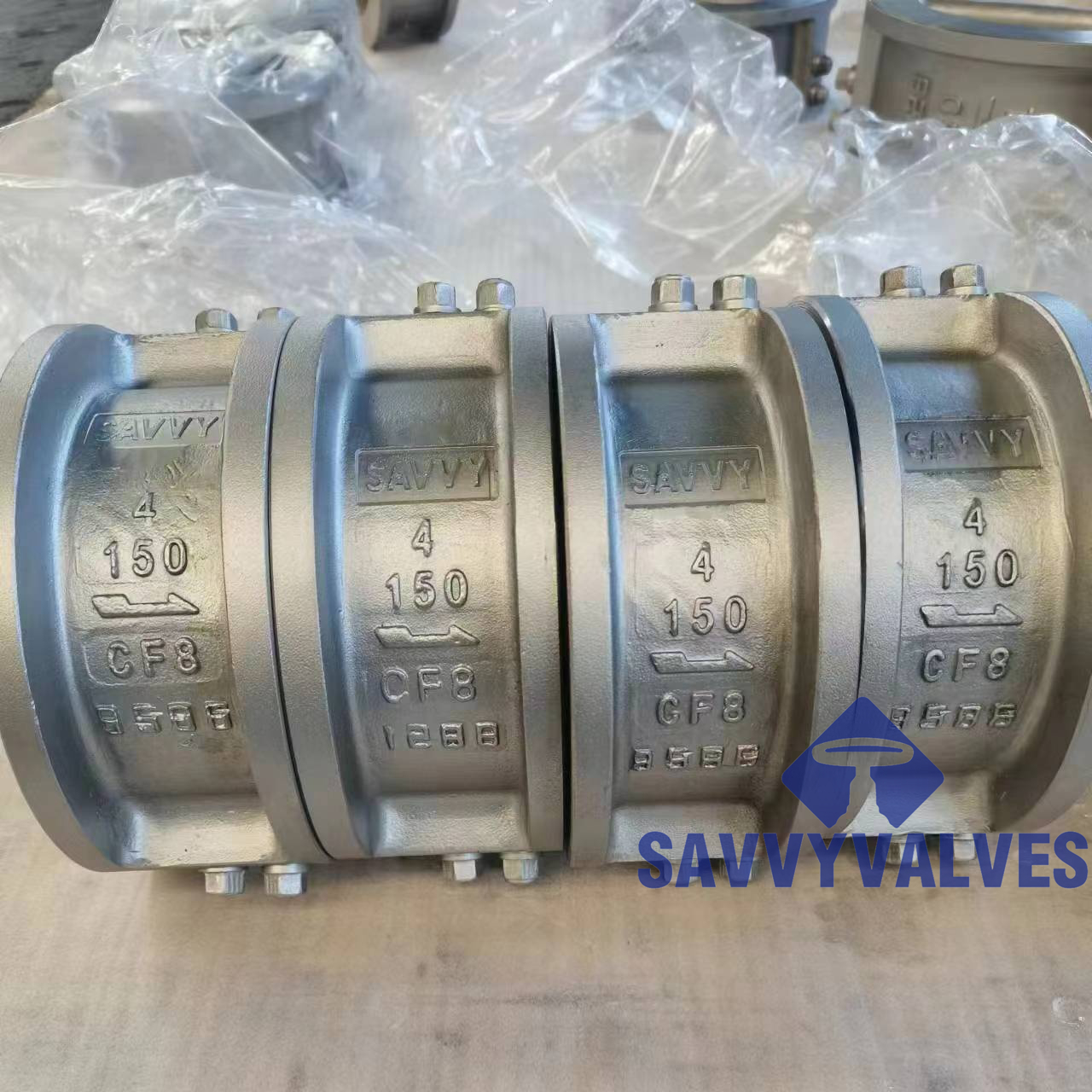
At its core, “wafer valve dimensions” describe the physical size specs of a wafer-style valve—a type of valve that fits snugly between two pipe flanges, held by bolts that clamp the valve in place. Unlike lug-style or flanged valves, wafer valves are slim, lightweight, and cost-effective solutions for flow control.
So these dimensions include valve diameter, face-to-face thickness, bolt hole spacing, and overall width. These guides make sure that no matter the manufacturer, a wafer valve designed for say, a 6-inch pipe can fit right in with existing piping without fuss.
Wafer valve dimensions connect engineering precision with practical needs in sectors ranging from municipal water supplies to large-scale chemical processing.
Key Factors Defining Wafer Valve Dimensions
1. Diameter and Nominal Pipe Size (NPS)
The most obvious measure—this defines the pipe size the valve fits. It must perfectly match your piping to avoid leaks or pressure drops.
2. Face-to-Face Length
The length between the two flange faces that sandwich the valve. Wafer valves usually have shorter lengths than flanged valves, saving space.
3. Bolt Hole Circle Diameter (BHCD) and Number of Bolt Holes
This determines how the valve fastens between flanges. Compatibility here is essential to ensure secure installation.
4. Thickness and Weight
Slimmer wafer valves weigh less, easy to handle during maintenance and reduce stress on pipes.
5. Material Standards
Dimensions can slightly vary depending on the material used—stainless steel, cast iron, or specialized alloys—which affect durability and temperature resistance.
6. Pressure Rating
While technically separate from physical dimensions, pressure class impacts face-to-face dimensions, so it’s important to consider them together.
Mini Takeaway: Precise measurement of diameter, length, bolt settings, and material specs ensures your wafer valve fits perfectly and functions flawlessly.
Wafer Valve Dimensions in Action: Real-World Applications
Take water treatment plants in Southeast Asia, where compact wafer valves help manage high volume pipelines in confined urban spaces. Or consider oil refineries in the Middle East, which depend on wafer valves for quick maintenance turnaround during urgent shutdowns.
In post-disaster relief operations, portable water distribution systems often include wafer valves because their small size and quick installation speed support rapid response. In remote industrial zones, like mining sites in South America, wafer valve dimensions standardized on ISO specs enable smooth equipment replacement without extensive downtime.
Even in renewable energy setups (think hydropower stations), wafer valves aid in regulating flow efficiently within tight-tolerance piping systems.
Typical Wafer Valve Specification Table
| Specification | Typical Range | Notes |
|---|---|---|
| Nominal Diameter (DN) | 50 mm – 600 mm | Common valve sizes for wafer-type valves |
| Face-to-Face Length | 40 mm – 150 mm | Shorter than flanged valves, space-saving |
| Bolt Hole Circle Diameter (BHCD) | Exact to flange specs | Must match mating pipe flanges |
| Pressure Rating | PN10 - PN40 (up to 400 psi) | Higher pressure variants available |
| Material | Stainless Steel, Cast Iron, PVC | Material choice affects durability |
Vendor Comparison: Wafer Valve Dimension Standards
| Vendor | Standards Followed | Material Options | Price Range | Lead Time |
|---|---|---|---|---|
| ValveTech Co. | ISO 5752, API 609 | SS316, Carbon Steel | $$$ | 4–6 weeks |
| FlowMaster Ltd. | ANSI/ASME B16.10 | Cast Iron, PVC | $ - $$ | 2–4 weeks |
| Global Valve Solutions | ISO 5752, DIN EN | Stainless Steel, Alloy 20 | $$$ | 6–8 weeks |
Advantages & Long-Term Value of Proper Wafer Valve Dimensions
Installing wafer valves that follow exact dimension standards translates into reduced downtime, easier maintenance, and fewer system failures. It’s about safety, too—misfitting valves can lead to dangerous leaks or pressure issues with real-life consequences.
There’s also a sustainability angle. Long-lasting valves reduce waste and energy consumption via fewer replacements and less uncertainty in fluid flow control. Underlying this is trust; engineers appreciate knowing a replacement valve will fit perfectly, saving stress and cost.
Mini Takeaway: Accurate wafer valve dimensions enhance safety, reliability, and environmental responsibility in heavy industry systems.
Emerging Innovations & Future Trends
Oddly enough, digital transformation is touching wafer valve dimensions through smart manufacturing and 3D scanning—ensuring valves are produced with micron-level accuracy. Materials science is also innovating with composites that maintain strength while reducing weight, impacting dimensions subtly but importantly.
Also, as industries push greener practices, valves tailored for low-emission systems or renewable energy applications are being designed with new dimension considerations, balancing compactness with durability.
Challenges & Expert Solutions
The main hiccup remains coordination between suppliers and users when piping standards differ regionally—especially when retrofitting older systems. This mismatch leads to improvised solutions that risk leaks or mechanical failure.
The professional advice? Always rely on internationally recognized standards like ISO 5752, and when in doubt, consult technical experts who can cross-reference flange and bolt sizing. Some vendors even offer custom machining services to fit unique dimension requirements.
FAQ: Frequently Asked Questions About Wafer Valve Dimensions
- Q: How do wafer valve dimensions affect valve replacement in existing systems?
A: Precise dimensions ensure that a new wafer valve fits exactly between existing flanges without needing pipe modifications, saving time and cost during replacement or maintenance. - Q: Are wafer valve dimensions standardized globally?
A: Mostly yes—standards such as ISO 5752 and ANSI/ASME B16.10 provide globally recognized guidelines to ensure compatibility across manufacturers and regions. - Q: Can wafer valves be used in high-pressure systems?
A: Absolutely; wafer valves come in various pressure ratings, including PN40 and beyond, but dimension specs may vary slightly to maintain safety and performance. - Q: What should I consider when ordering wafer valves for offshore platforms?
A: Pay special attention to corrosion-resistant materials, exact dimension matching to withstand environmental stresses, and adherence to pressure-temperature ratings suited for offshore conditions. - Q: Are wafer valve dimensions affected by the choice of material?
A: Yes, material properties can affect thickness and weight, and sometimes require adjustments within specified tolerances to ensure a proper fit.
Conclusion
All things considered, wafer valve dimensions may seem like a small piece in a vast industrial puzzle—but their impact on safety, efficiency, and sustainability is anything but minor. Whether you’re an engineer designing a pipeline or a facility manager overseeing maintenance, understanding these dimensions eases operations, reduces waste, and ultimately protects people and the environment. Curious to dive deeper or source expertly coded wafer valves? Visit our site at https://www.savvyvalvetech.com, where detailed specs and expert guidance await.
Sometimes, it’s the little measurements that make the biggest difference.
References:
1. ISO 5752 - Industrial Valves Dimensions
2. ASME Valve Dimension Standards
3. Valve - Wikipedia


 English
  Arabic
  Azerbaijani
  Czech
Czech  Dutch
Dutch  French
  German
  Indonesian
  Italian
  Japanese
  Korean
  Malay
Malay  Persian
  Polish
  Portuguese
  Russian
  Spanish
  Thai
Thai  Vietnamese