
Wafer Type Butterfly Valve End Connection is a key solution in the industry, specifically within fluid control and pipeline management sectors. This article explores how Savvy Valve Tech supports professionals with durable, high-performance products, and explains why this product is an ideal choice for businesses in these sectors.
Table of Contents
- Wafer Type Butterfly Valve End Connection Overview
- Benefits & Use Cases of Wafer Type Butterfly Valve End Connection
- Cost, Maintenance & User Experience
- Sustainability & Market Trends
Wafer Type Butterfly Valve End Connection Overview
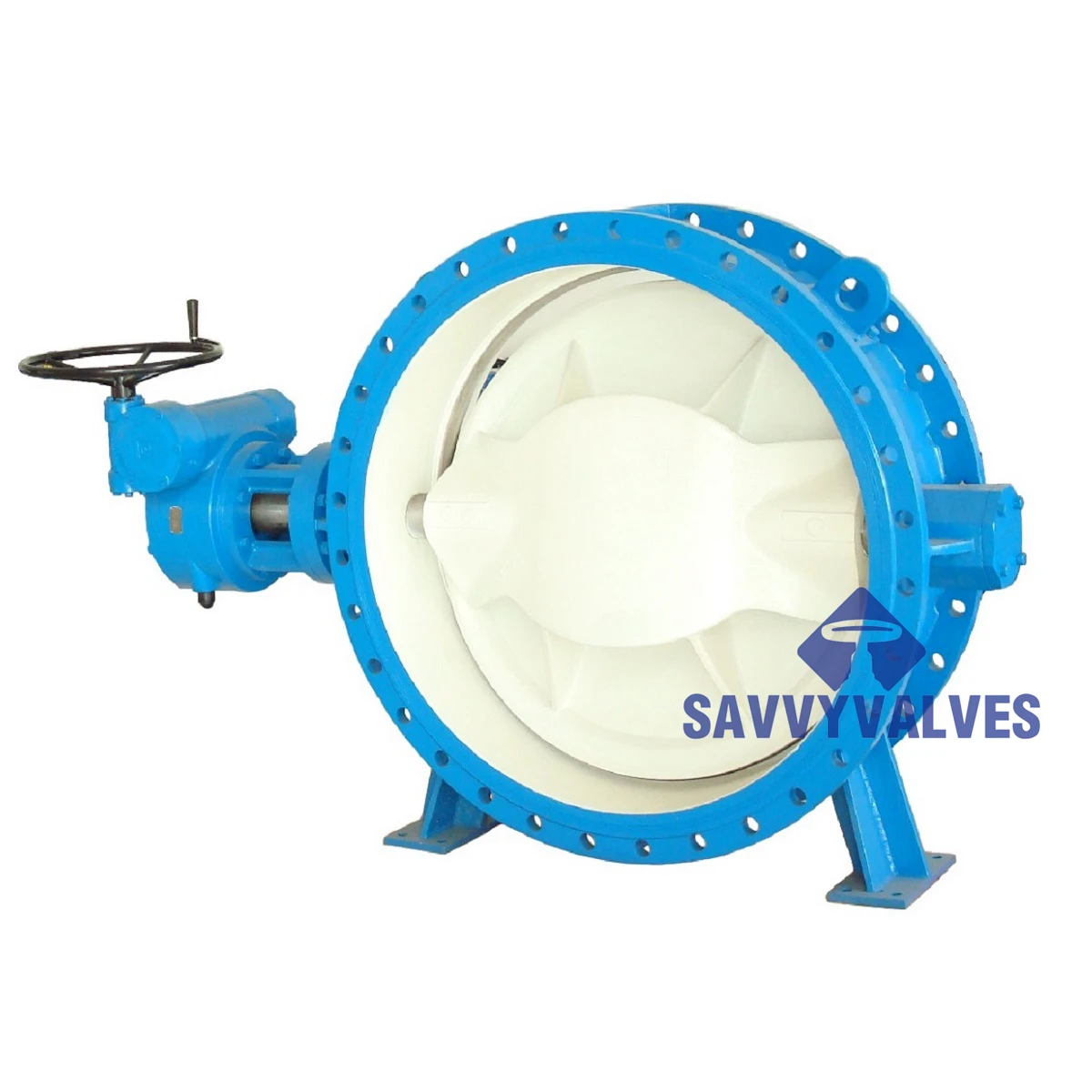
The wafer type butterfly valve end connection is a compact, cost-efficient way to join a butterfly valve between two pipe flanges. Unlike lug or flanged butterfly valves, the wafer design fits snugly in-between flanges without extra bolts, reducing weight and installation time. It’s widely relevant for industries requiring tight space control but reliable sealing, such as water treatment, chemical plants, and HVAC systems.
From a technical standpoint, wafer butterfly valves typically boast stainless steel or ductile iron bodies with resilient seats, often EPDM or PTFE, to ensure leak-free operation. The disc rotates within the valve body to regulate flow, controlled by a shaft sealed with packing or O-rings. Savvy Valve Tech’s offerings emphasize precision machining and ISO 5211 mounting pads for seamless automation compatibility — engineers I've talked to appreciate that level of detail.
| Specification | Details |
|---|---|
| Body Material | Ductile Iron / Stainless Steel |
| Seat Material | EPDM, NBR, PTFE options |
| Pressure Rating | PN10 to PN25 / 150 PSI to 400 PSI |
| End Connection | Wafer type – fits between flanges |
| Size Range | 2” to 24” (50mm to 600mm) |
Benefits & Use Cases of Wafer Type Butterfly Valve End Connection
Pinpointing real-world applications, these wafer type butterfly valves shine in processes where space is tight but reliability cannot be compromised — think HVAC heating loops, potable water distribution, or light chemical dosing. Oddly enough, their slim profile significantly eases installation compared to bulky lug types, which users often highlight during site audits. Plus, with their lightweight form, system loads are lighter, often saving structural support costs.
The competitive edge? It’s in the precision sealing and lower torque operation, especially with enhanced elastomeric seats and optimized disc geometries. Thanks to modern CNC machining and material science, the valves are less prone to leakage and corrosion. Many clients report fewer unplanned shutdowns due to valve failures — that’s kind of the holy grail in fluid control. Meanwhile, Savvy Valve Tech’s customizable actuation mounts tailor these valves to manual, electric, or pneumatic needs, proving versatility is alive and well.
Cost, Maintenance & User Experience
In real terms, the total cost of ownership is where wafer type butterfly valves impress. The initial price point is often lower than other styles due to simplified design and less material usage. Coupled with minimal maintenance — primarily periodic lubrication and seat inspection — businesses realize a strong ROI. It feels like a win-win, especially when you factor in the reduced downtime and easier part replacement.
Feedback gathered from chemical processing plants and municipal suppliers highlights the user-friendly operation and durable workmanship of these valves. Some users mentioned that the wafer style dramatically shortens installation windows, reducing labor costs and safety exposure. These anecdotal insights align well with performance data, suggesting that vendors like Savvy Valve Tech maintain top-tier quality control and testing protocols.
| Vendor | Price Range | Material Options | Lead Time | Warranty |
|---|---|---|---|---|
| Savvy Valve Tech | $$$ | Ductile Iron, SS304, SS316 | 3-4 weeks | 2 years |
| Competitor A | $$ | Ductile Iron only | 4-6 weeks | 1 year |
| Competitor B | $$$$ | SS316, Special Alloys | 6+ weeks | 3 years |
Sustainability & Market Trends
Sustainability is undeniably shaping the valve market’s future, and wafer type butterfly valves are at the forefront by their sheer efficiency. Their lower material footprint and lightweight construction translate to less energy use in transportation and installation. Meanwhile, modern manufacturing, including Savvy Valve Tech’s lean processes, strive for reduced waste and enhanced recyclability, aligning with tightening regulations worldwide.
Industry growth forecasts suggest rising demands in water management and renewable energy sectors. Butterfly valves, especially wafer styles, suit those precisely — easily automatable, adaptable, and reliable. For B2B decision makers considering long-term investments, they offer a blend of cost efficiency and regulatory compliance that’s hard to overlook. In short, the market oddly enough rewards quality paired with sustainability.
Frequently Asked Questions about Wafer Type Butterfly Valve End Connection
- What is Wafer Type Butterfly Valve End Connection and how does it work?
- Simply put, it’s a butterfly valve design that fits between two pipe flanges without bolts on the valve body itself. The valve disc rotates around a central shaft to control flow — open, closed, or modulating. Its wafer style allows for lighter, more compact installations.
- What are the main benefits of using Wafer Type Butterfly Valve End Connection in industrial applications?
- Benefits include simplified installation, reduced weight, lower cost, effective sealing, and compatibility with automated controls. It proves especially advantageous in space-restricted or cost-sensitive setups.
- How does Wafer Type Butterfly Valve End Connection compare to traditional alternatives?
- Compared to lug or flanged valves, wafer type valves are lighter and faster to install but require a piping system designed with flanges. Technological advances make wafer valves highly reliable, although for some high-pressure, isolated applications, lugs might be preferable.
- What industries can benefit most from Wafer Type Butterfly Valve End Connection implementation?
- Water treatment, HVAC, chemical processing, and light oil & gas are primary sectors. For example, a municipal plant installed Savvy Valve Tech’s wafer butterfly valves and noted a 30% reduction in maintenance downtime within the first year.
Conclusion on Wafer Type Butterfly Valve End Connection from china
In sum, Wafer Type Butterfly Valve End Connection solutions pack a practical punch for businesses aiming for efficiency, reliability, and cost savings in fluid control. Their adaptability across industries and proven performance make them a go-to for engineers and procurement specialists alike. For those seeking a blend of quality and value, visiting Savvy Valve Tech’s website seems like a worthwhile next step.
- Recap: durable, compact, versatile valve option.
- Explore product details and specs – https://www.savvyvalvetech.com
Reflecting on what I’ve gathered, it’s clear that the wafer type butterfly valve end connection is less about flashy innovation and more about smart, incremental improvements that add up to real benefits. For industrial decision-makers, that kind of reliability and cost-sense is gold.
- ISO 5211 Standard for Valve Mounting
- Industry reports from Fluid Control Magazine, 2023
- Customer testimonials from Savvy Valve Tech product cases


 English
  Arabic
  Azerbaijani
  Czech
Czech  Dutch
Dutch  French
  German
  Indonesian
  Italian
  Japanese
  Korean
  Malay
Malay  Persian
  Polish
  Portuguese
  Russian
  Spanish
  Thai
Thai  Vietnamese