
EN 593 Butterfly Valve: The Unsung Hero of Industrial Flow Control
At first glance, a butterfly valve might not seem like the most glamorous piece of industrial hardware. But the EN 593 butterfly valve, a European standard that defines these valves’ design and performance, plays a vital role worldwide in controlling fluid flow across water treatment, chemical plants, and even power generation. Understanding this valve standard is crucial—not just for engineers, but for anyone invested in sustainable technology and infrastructure.
Why does it matter globally? Well, the EN 593 norm ensures valves can reliably manage pressure and flow under exacting conditions, minimizing leaks and downtime. This contributes to safer industrial processes, improved resource efficiency (like water and energy), and long-term cost savings. So, the seemingly simple butterfly valve actually supports an array of complex humanitarian and environmental challenges — from clean water access in drought-prone areas to large-scale industrial automation.
Global Relevance of the EN 593 Butterfly Valve
The world depends on efficient fluid control systems more than ever. The United Nations Sustainable Development Goals (SDGs) highlight clean water and sanitation (Goal 6), affordable clean energy (Goal 7), and industry innovation (Goal 9) as priorities. Valves certified under EN 593 contribute directly to these goals by ensuring flow systems are safe, durable, and environmentally friendly.
Data from the International Organization for Standardization (ISO) indicates that ISO-compliant valves reduce failures by up to 40%, cutting maintenance costs and preventing leaks that can harm ecosystems. However, many industries, especially in emerging markets, still struggle with valve selection and compliance, leading to system inefficiencies.
Here’s where the EN 593 butterfly valve comes in—providing a clear, tested framework manufacturers and buyers can trust globally.
What is an EN 593 Butterfly Valve?
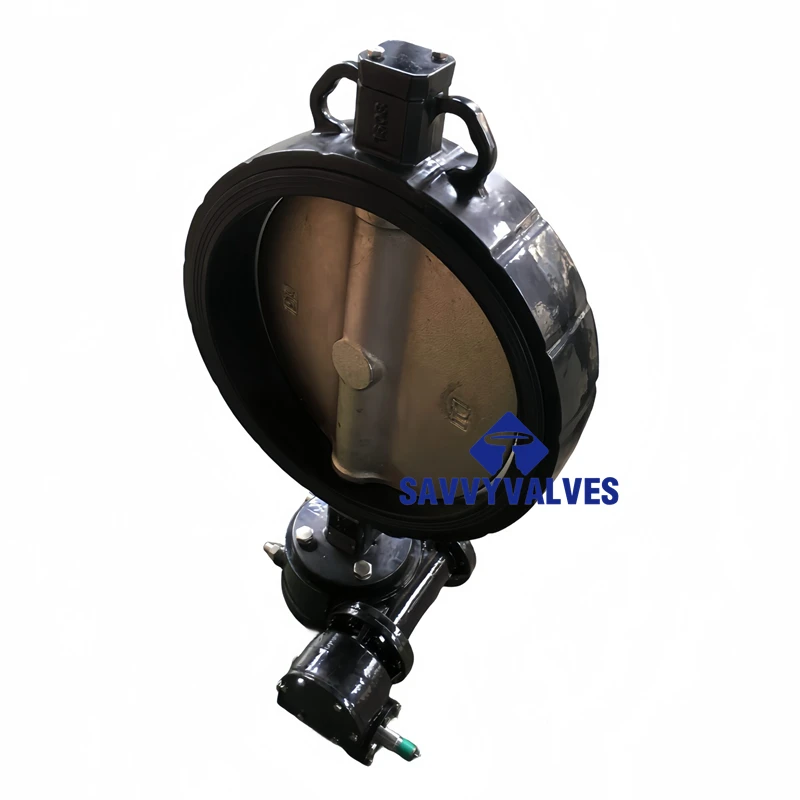
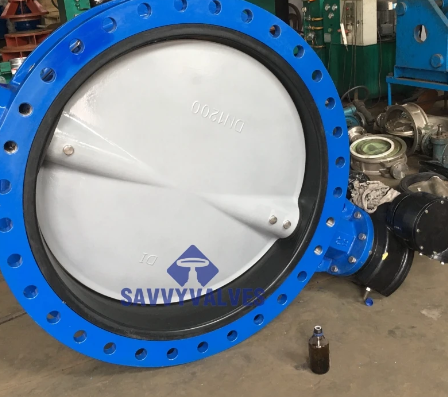
Put simply, an EN 593 butterfly valve is a quarter-turn valve that regulates fluid flow by rotating a disc inside the pipe. “Butterfly” refers to the disc shape, which pivots centrally to open or close the flow passage.
EN 593 is a European standard outlining the valve’s design, dimensions, and testing procedures to ensure consistent performance. Unlike other valves, butterfly valves are compact, lightweight, and relatively cost-effective, making them ideal for large-diameter pipelines.
From municipal water works in Europe to oil refineries in Africa, these valves balance functionality and affordability. They’re often preferred for their quick operation and low-pressure drop, meaning they don’t bottleneck fluid flow.
Core Components and Key Factors
1. Durability and Materials
The EN 593 standard mandates materials that resist corrosion and withstand temperature extremes—stainless steel, ductile iron, and elastomers for sealing are common. This means valves perform reliably in harsh environments like wastewater treatment or chemical processing.
2. Precision Manufacturing
The tight dimensional tolerances required by EN 593 ensure a consistent fit and seal. This attention to detail reduces leakage risks and extends valve service life, which is critical when maintenance windows are limited.
3. Scalability and Sizes
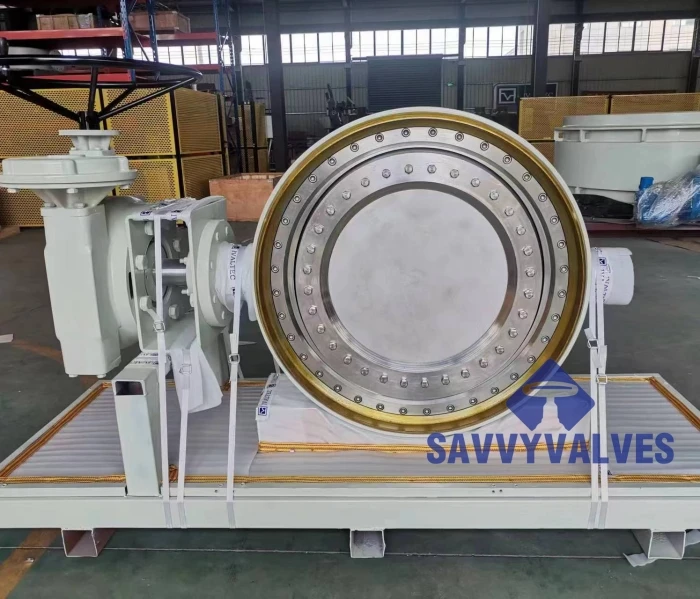
EN 593 valves come in a wide range of sizes—from small 50mm pipes to massive 2000mm industrial uses. This versatility makes them suitable in sectors as varied as HVAC systems in skyscrapers and irrigation in agriculture.
4. Cost Efficiency
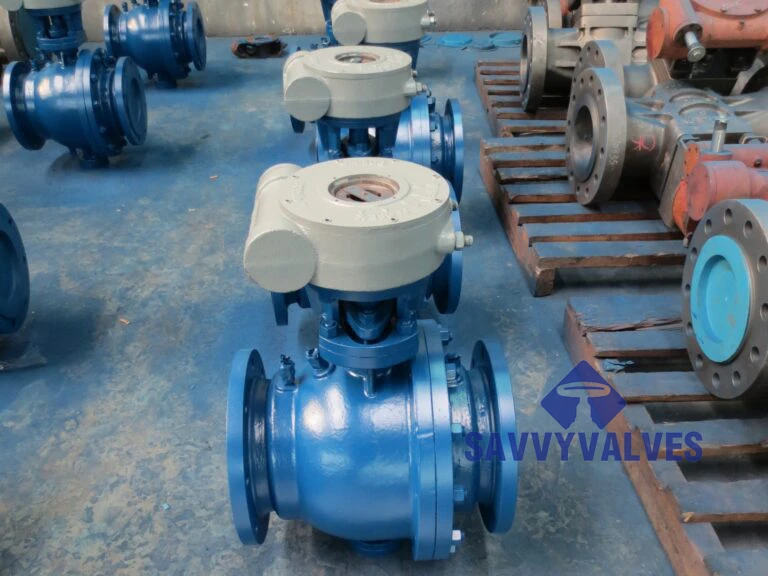
Since butterfly valves have fewer components than ball or gate valves, they usually cost less upfront and require less labor to service, saving operators money over the valve’s lifetime.
5. Environmental Impact
Properly sealed valves prevent leakage of hazardous liquids and gases, supporting sustainability. The standard encourages materials and designs optimized for longer lifecycle and recyclability.
EN 593 Butterfly Valve Specifications
| Specification | Value / Range |
|---|---|
| Pressure Rating | PN 6 to PN 16 (6-16 bar) |
| Nominal Diameter | DN 50 mm to DN 2000 mm |
| Operating Temperature | -20°C to +150°C (varies by seal material) |
| Body Materials | Ductile Iron, Stainless Steel, Aluminum Bronze |
| Disc Materials | Stainless Steel, Coated Steel |
| Actuation | Manual (lever/wheel), Electric, Pneumatic |
Global Applications & Use Cases
EN 593 butterfly valves have a surprisingly broad footprint worldwide. Let’s break down some real-world examples:
- Water Treatment and Distribution: Cities use large valve banks standardized to EN 593 to ensure smooth control of potable water lines, achieving compliance with international quality guidelines.
- Chemical and Petrochemical Plants: Here, resistance to corrosive fluids and pressure stability is paramount—EN 593 valves ensure safety and reliability in these high-stakes environments.
- HVAC Systems in Commercial Buildings: In urban centers across Europe and North America, butterfly valves regulate heating and cooling flows efficiently and quietly.
- Agricultural Irrigation Projects: Remote zones in Africa or South America rely on durable butterfly valves standardized to EN 593 to deliver water consistently despite harsh outdoor conditions.
In fact, during disaster relief efforts—say, after flooding—rapid restoration of water infrastructure often depends on valves that can be quickly installed and reliably controlled, which these butterfly valves enable.
Vendor Comparison of EN 593 Butterfly Valves
| Vendor | Material Options | Pressure Range | Actuation Types | Typical Industries | Delivery Lead Time |
|---|---|---|---|---|---|
| Savvy Valve Tech | Ductile Iron, Stainless Steel | PN 6 - PN 16 | Manual, Electric, Pneumatic | Water, Chemical, HVAC | 4-6 weeks |
| EuroValve Co. | Stainless Steel, Bronze | PN 10 - PN 16 | Manual, Electric | Petrochemical, Water | 6-8 weeks |
| Global Flow Solutions | Ductile Iron, Stainless Steel, Aluminum Bronze | PN 6 - PN 12 | Manual, Pneumatic, Electric | Food & Beverage, Water | 5 weeks |
The Tangible Advantages and Long-Term Value of EN 593 Butterfly Valves
Let’s talk benefits—both hard and subtle.
- Cost Savings: Lower procurement and maintenance costs due to fewer parts and easy servicing.
- Reliability and Safety: Precise control reduces accidents and downtime, which can save lives and money.
- Sustainability: Leak-tight designs minimize environmental contamination.
- Innovation: Support for automation opens doors for smart factory integration.
- Emotional Benefits: For communities, this means safer water flows, stable infrastructure, and trust in utilities.
Looking Ahead: Future Trends & Innovations
Oddly enough, butterfly valves—which many assume are straightforward mechanical devices—are evolving into sophisticated components. Here’s what the future might hold:
- Smart Valve Technology: Integration with IoT sensors for predictive maintenance and real-time flow analytics.
- Eco-friendly Materials: Development of biodegradable seals and coatings to reduce environmental footprint.
- Energy Harvesting: Some research suggests valves could recapture energy from flow fluctuations.
- Compliance and Global Standards: As countries strive for cleaner environments, valve certifications like EN 593 will likely converge with international environmental regulations.
Common Challenges & Expert Solutions
Of course, no tech is perfect. Challenges with EN 593 butterfly valves often focus on:
- Seal Wear: Though robust, rubber or elastomer seals degrade, especially with aggressive chemicals.
- Installation Sensitivity: Poor mounting can cause functional issues.
- Material Limitations: Not all valves suit extreme temperatures beyond EN 593 specs.
Experts recommend rigorous material testing, better operator training, and enhanced product design with modular seals as ways to mitigate these problems.
Frequently Asked Questions About EN 593 Butterfly Valves
Q1: How do EN 593 butterfly valves differ from other valve types?
A: They are lighter and simpler than ball or gate valves and offer quick quarter-turn operation. EN 593 ensures they meet strict European quality benchmarks, offering reliable sealing and pressure handling suitable for large diameter pipes.
Q2: Can an EN 593 butterfly valve handle corrosive fluids?
A: Yes, provided the valve’s materials (like stainless steel discs and specialized seals) are chosen accordingly. The EN 593 standard also requires performance testing under relevant chemical and temperature conditions.
Q3: What industries commonly use EN 593 butterfly valves?
A: Water and wastewater treatment, HVAC, chemical processing, oil & gas, and agriculture all rely on these valves for efficient and safe flow control.
Q4: How long does an EN 593 butterfly valve typically last?
A: With proper maintenance and appropriate material selection, these valves can last 10–20 years, sometimes longer, depending on operating conditions.
Q5: Are EN 593 valves easy to automate?
A: Definitely. The valves are designed to accommodate electric or pneumatic actuators, making them well-suited for modern industrial control systems.
Conclusion: Why the EN 593 Butterfly Valve Matters Long-Term
EN 593 butterfly valves may seem like humble mechanical parts, but their impact on global water security, industrial reliability, and sustainable infrastructure is huge. They’re reliable, cost-effective, and adaptable—the kind of pragmatic innovation that keeps our modern world running smoothly. For anyone interested in efficient flow control solutions, learning about and choosing valves compliant with EN 593 is well worth the effort.
Ready to upgrade your flow control systems with trusted valves? Visit Savvy Valve Tech for high-quality EN 593 butterfly valves and expert advice.
Mini takeaway: The EN 593 butterfly valve is a quietly powerful player in global infrastructure—simple, standardized, yet crucial for reliability and sustainability.
References:


 English
  Arabic
  Azerbaijani
  Czech
Czech  Dutch
Dutch  French
  German
  Indonesian
  Italian
  Japanese
  Korean
  Malay
Malay  Persian
  Polish
  Portuguese
  Russian
  Spanish
  Thai
Thai  Vietnamese