
Precision Control for Industrial Applications
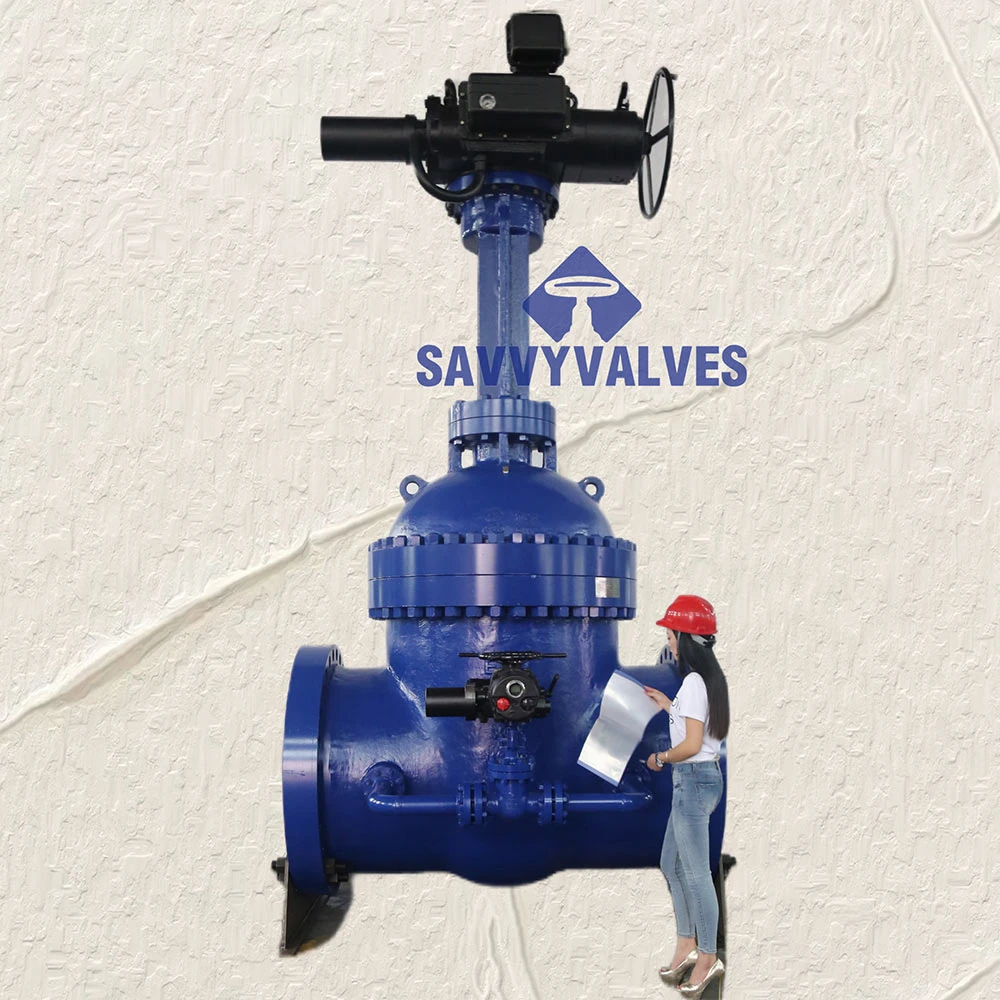
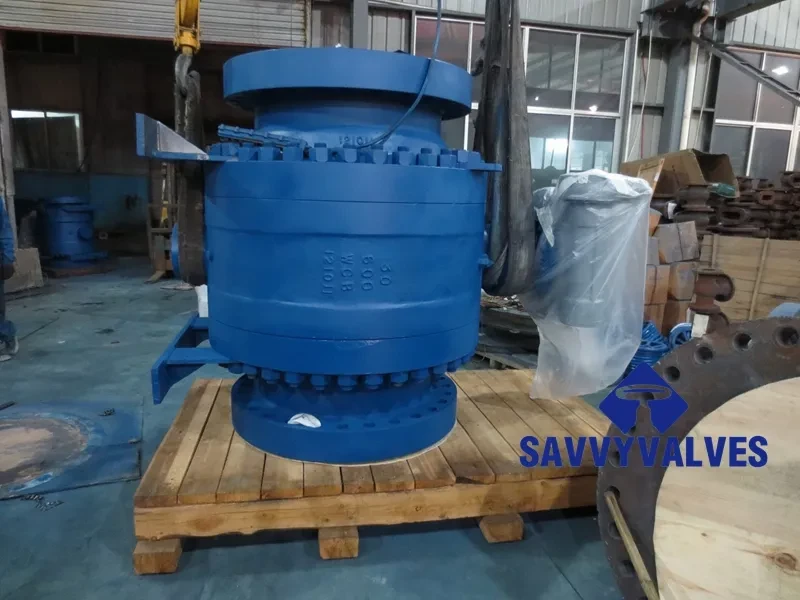
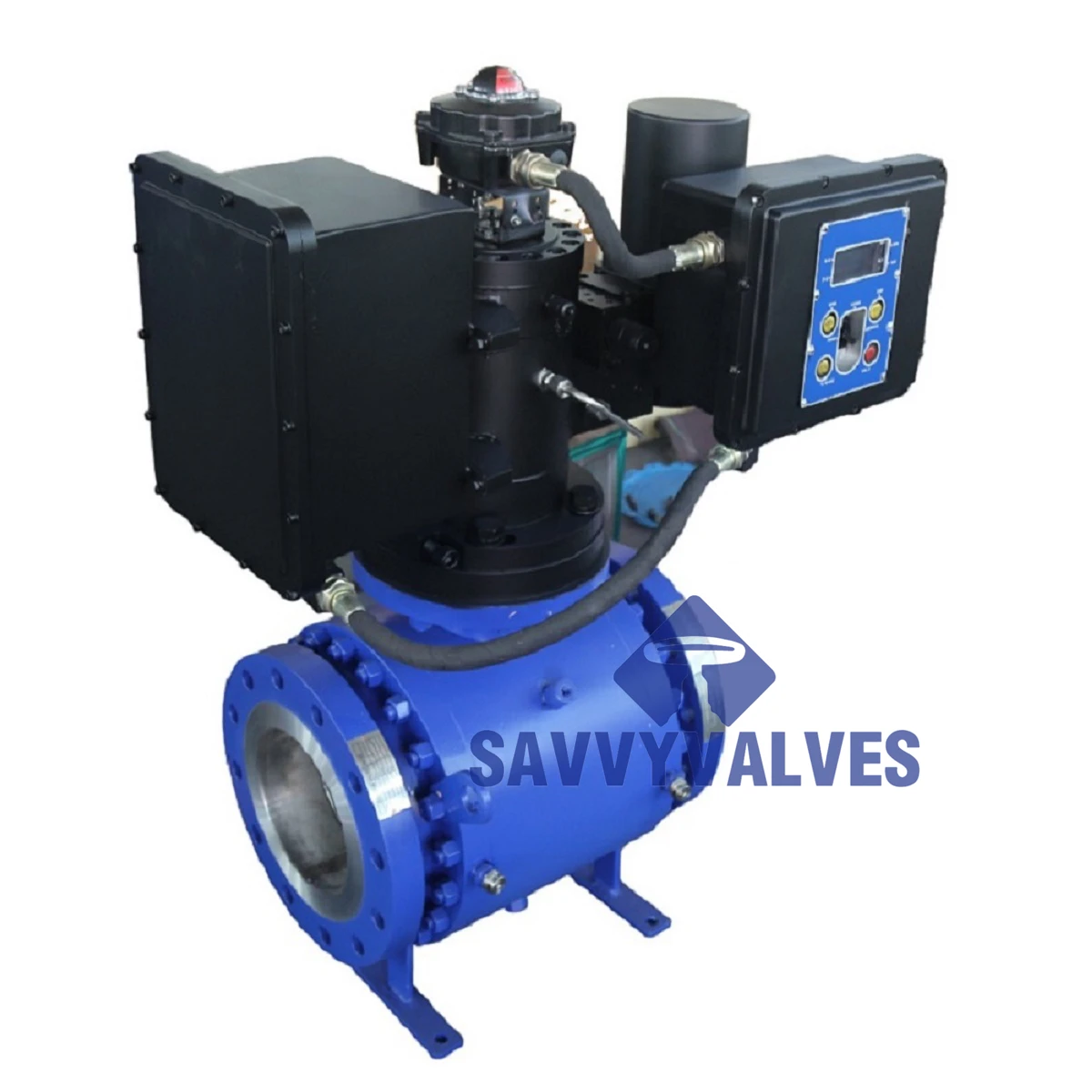
In complex industrial processes, the need for precise, reliable, and responsive flow control cannot be overstated. From modulating delicate chemical reactions to regulating high-pressure steam, the accuracy of flow management directly impacts operational efficiency, product quality, and safety. This necessitates advanced valve technology capable of intricate regulation, high turndown ratios, and robust performance under challenging conditions. The SAVVY Electric hydraulic actuated V port control ball valve represents a pinnacle in this evolution, offering an unparalleled combination of precise flow control, high reliability, and sophisticated automation capabilities essential for modern industrial demands. Its design integrates the inherent advantages of a V-port ball valve with the power and precision of electric hydraulic actuation, creating a solution tailored for critical control applications across diverse sectors.
Current Industry Trends in Process Control Valves
The industrial valve market is experiencing significant transformation, driven by demands for increased automation, digitalization, and sustainability. Key trends include:
- Smart Valve Technology: Integration of sensors, diagnostics, and communication protocols (e.g., HART, Foundation Fieldbus, Profibus) to enable predictive maintenance, real-time performance monitoring, and enhanced process optimization.
- Energy Efficiency: A growing focus on valves and actuation systems that minimize energy consumption, reduce fugitive emissions, and contribute to overall plant energy savings. Electric hydraulic actuation, with its high power-to-weight ratio and precise control, plays a vital role here.
- Advanced Materials and Coatings: Development of new alloys and surface treatments to enhance corrosion resistance, wear resistance, and performance in extreme temperature and pressure environments.
- Cybersecurity for IIoT: As valves become more connected, securing their operational technology (OT) from cyber threats is paramount, driving manufacturers to implement robust security features.
- Modularity and Customization: The demand for highly specialized solutions for unique process requirements leads to greater emphasis on modular designs and extensive customization options.
These trends collectively push valve manufacturers towards developing more intelligent, efficient, and adaptable control solutions, with the SAVVY Electric hydraulic actuated V port control ball valve being a prime example of such innovation.
Manufacturing Process Flow of the SAVVY Electric Hydraulic Actuated V Port Control Ball Valve
The production of a high-performance control valve like the SAVVY Electric hydraulic actuated V port control ball valve involves a meticulous multi-stage process, integrating advanced engineering with stringent quality control. This ensures superior reliability, longevity, and operational precision.
Process Steps:
- Material Sourcing & Qualification:
- High-grade materials such as ASTM A216 WCB (carbon steel), ASTM A351 CF8M (316 stainless steel), Duplex Stainless Steel (e.g., ASTM A890 4A/5A), and special alloys (e.g., Monel, Hastelloy) are sourced from certified suppliers.
- All materials undergo rigorous chemical composition and mechanical property testing to comply with international standards like ASTM, EN, and JIS, ensuring suitability for demanding applications like petrochemical processing, metallurgy, and water supply & drainage.
- Casting/Forging of Body & Components:
- Valve bodies, bonnets, and large internal components are precision cast or forged. Forging enhances material density and strength, critical for high-pressure applications.
- Heat treatment processes follow casting/forging to optimize mechanical properties and relieve internal stresses.
- CNC Machining:
- Advanced CNC (Computer Numerical Control) machining centers precisely mill and bore valve body cavities, V-port ball contours, seat pockets, and stem guides to exacting tolerances. This precision is fundamental for achieving the desired flow characteristics and tight shut-off performance unique to a V-port design.
- Tight dimensional control ensures optimal fit, minimal friction, and extended service life.
- Surface Treatment & Coating:
- Depending on the application, surfaces may undergo treatments like hard chrome plating, Stellite overlay, or PTFE/PFA lining to enhance corrosion resistance, wear resistance, or reduce friction, crucial for environments with abrasive media or corrosive chemicals.
- Assembly & Integration:
- Skilled technicians assemble the valve components, including the V-port ball, seats, stem, packing, and glands, ensuring proper alignment and torque.
- The electric hydraulic actuator, which combines the benefits of electric motor power with hydraulic force multiplication, is precisely mounted and calibrated. This integration ensures robust, high-torque operation with precise control, often featuring fail-safe capabilities.
- Performance & Testing Standards:
- Each valve undergoes a battery of tests conforming to international standards like ISO 5208 (pressure testing), API 598 (valve inspection and testing), ANSI B16.34 (valves – flanged, threaded, and welding end), and IEC 60534-2-3 (flow capacity test procedure).
- Tests include hydrostatic shell testing, seat leakage testing (e.g., ANSI/FCI 70-2 Class IV, V, or VI for tight shut-off), operational torque testing, and functional tests of the electric hydraulic actuation system to verify travel, speed, and response linearity.
- Specific tests for fugitive emissions (e.g., ISO 15848-1) are conducted to meet environmental regulations, demonstrating the valve’s contribution to energy saving and reduced environmental impact.
- Final Inspection & Packaging:
- A final visual inspection and documentation review ensure all specifications are met before valves are carefully packaged for shipment, protected against transit damage.
The robust design and manufacturing process contribute significantly to the valve's projected service life, typically exceeding 15-20 years in well-maintained industrial applications, thanks to high-quality components and stringent testing, ensuring optimal energy saving and corrosion resistance.
Technical Specifications of the SAVVY Electric Hydraulic Actuated V Port Control Ball Valve
The SAVVY Electric hydraulic actuated V port control ball valve is engineered for high-performance modulation and on/off control in demanding process environments. Its V-port design ensures excellent throttling characteristics, while the electric hydraulic actuator provides precise positioning and high thrust/torque output.
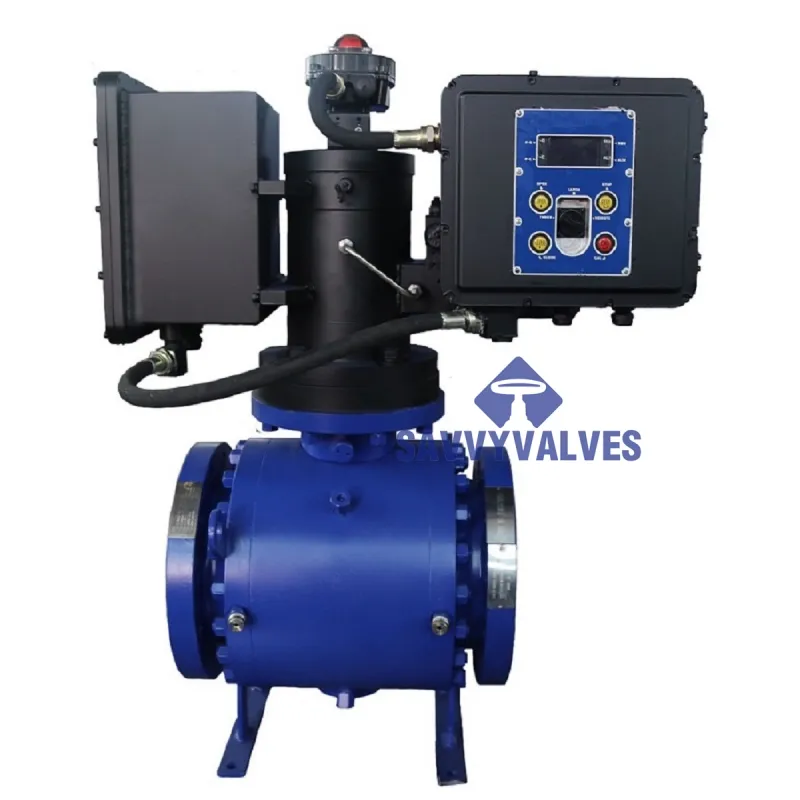
General Product Parameters:
| Parameter | Specification |
|---|---|
| Valve Type | V-Port Control Ball Valve |
| Actuator Type | Electric Hydraulic Actuator (Quarter-turn) |
| Nominal Size Range | DN25 – DN600 (1 inch – 24 inches) |
| Pressure Rating | PN16 – PN100 (ANSI Class 150 – Class 600) |
| Temperature Range | -40°C to +450°C (Process dependent) |
| Body Materials | WCB, LCB, CF8, CF8M, CF3M, Duplex, Hastelloy, Monel |
| Ball & Stem Materials | SS304, SS316, SS316L, 17-4PH, Duplex, with options for Hard Facing (e.g., Stellite, Tungsten Carbide) |
| Seat Materials | PTFE, RPTFE, PEEK, Metal-seated (Stellite, Tungsten Carbide) |
| End Connections | Flanged (RF, RTJ), Butt-Weld, Threaded |
| Flow Characteristic | Equal Percentage (Standard), Linear (Optional) |
| Rangeability | Up to 200:1 (Dependent on V-Port design and actuator resolution) |
| Leakage Class | ANSI/FCI 70-2 Class IV, V, VI (Soft-seated), Class IV (Metal-seated) |
| Control Signal | 4-20 mA, 0-10 V DC (Analog), HART, Profibus, Foundation Fieldbus (Digital) |
| Power Supply | Single-phase (110/220V AC), Three-phase (380/400/415V AC) |
| Fail-safe Function | Fail-Open, Fail-Close, Fail-Last Position (Configurable) |
| Certifications | ISO 9001, CE, ATEX (optional), SIL 3 Capable |
The robust construction combined with advanced actuation makes this valve ideal for applications requiring continuous, precise modulation under varying process conditions, contributing to significant energy saving and operational stability.
Key Application Scenarios
The versatility and precision of the SAVVY Electric hydraulic actuated V port control ball valve make it indispensable across a multitude of heavy industrial sectors:
- Petrochemical and Oil & Gas: Critical for catalyst flow regulation, reactor temperature control, feedstock blending, and flare gas recovery systems. Its robust design handles abrasive and corrosive media common in these industries, demonstrating excellent corrosion resistance.
- Power Generation: Used in steam bypass systems, feedwater control, condenser level control, and flue gas desulfurization (FGD) processes, where precise flow modulation and rapid response are crucial for efficiency and safety.
- Chemical Processing: Essential for accurate dosing of reagents, pH control, solvent recovery, and managing highly corrosive or viscous fluids. The ability to specify specialized materials ensures long-term corrosion resistance.
- Water & Wastewater Treatment: Regulating chemical injection (e.g., chlorine, coagulants), managing sludge flow, and controlling aeration processes to optimize water quality and plant energy efficiency.
- Pulp & Paper: Controlling pulp consistency, chemical additives, and steam flow for drying processes, where precise and reliable control is vital for product quality.
- Metallurgy and Mining: Handling abrasive slurries, regulating cooling water for furnaces, and controlling process gases in smelting operations. The durable construction is key for demanding environments.
In these scenarios, the valve's high rangeability and accurate positioning capabilities translate directly into improved process stability, reduced material waste, and significant energy saving.
Technical Advantages
The design and engineering of the SAVVY Electric hydraulic actuated V port control ball valve confer several distinct technical advantages, making it a superior choice for complex control applications:
- Exceptional Control Precision: The V-port ball design offers a characterized flow path, delivering an equal percentage flow characteristic that allows for fine-tuning of flow rates even at low openings. This results in stable process control and reduced oscillations.
- High Rangeability: With a typical rangeability of 100:1 or even 200:1, these valves can accurately control flow over a very wide operating range, minimizing the need for multiple valves for different flow regimes.
- Robust Electric Hydraulic Actuation: Combines the power density and stiffness of hydraulics with the precision and controllability of electric motors. It provides high torque for reliable shut-off, rapid response times, and consistent positioning accuracy regardless of process pressure fluctuations.
- Fail-Safe Operation: Many configurations offer intrinsic fail-safe capabilities (e.g., fail-open, fail-close on power loss) using accumulator technology within the hydraulic system, crucial for safety-critical applications.
- Tight Shut-Off Capability: The ball valve design inherently provides excellent shut-off, often achieving ANSI/FCI 70-2 Class IV, V, or VI leakage rates, minimizing costly bypass leakage and improving process efficiency.
- Durability and Corrosion Resistance: Constructed from robust materials like 316L stainless steel, Duplex, or specialized alloys, with options for hard-faced trim, the valves are designed for longevity in corrosive, abrasive, and high-temperature environments.
- Reduced Maintenance: The robust construction and minimal moving parts of the V-port ball valve, combined with the enclosed nature of the electric hydraulic actuator, contribute to extended service intervals and reduced total cost of ownership.
- Energy Efficiency: Precise control reduces process variability, leading to optimized energy consumption in pumps, compressors, and heating/cooling systems. The electric hydraulic actuator itself is highly efficient, converting electrical energy into precise mechanical motion with minimal losses.
Vendor Comparison: SAVVY vs. Standard Industrial Valve
Choosing the right control valve is a strategic decision impacting process efficiency, safety, and operational costs. A comparison highlights the distinct advantages offered by the SAVVY Electric hydraulic actuated V port control ball valve over conventional industrial alternatives.
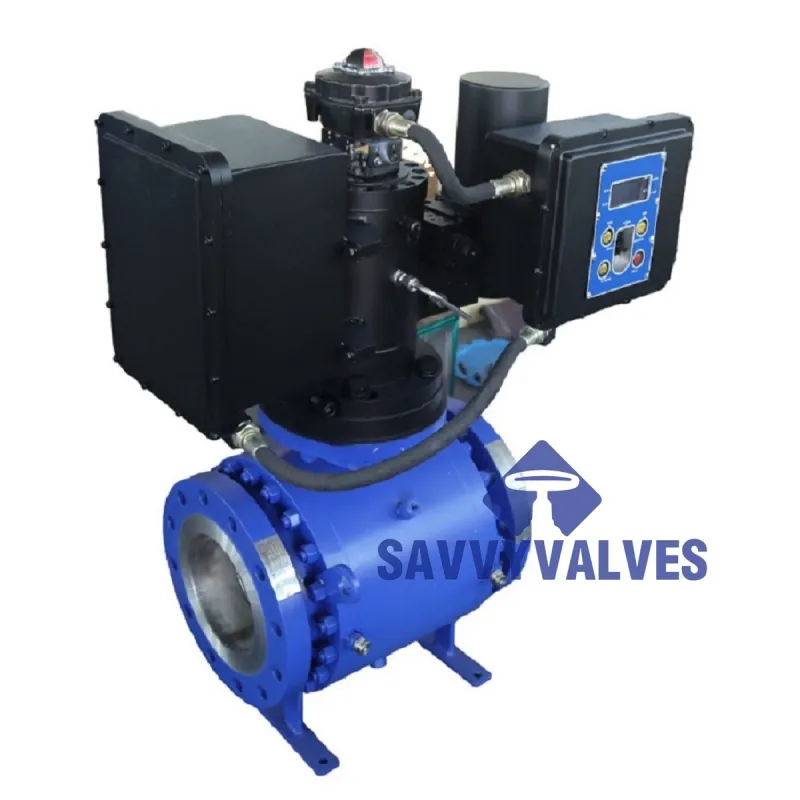
Control Valve Comparison:
| Feature | SAVVY Electric Hydraulic Actuated V-Port Control Ball Valve | Standard Pneumatic Globe/Ball Control Valve |
|---|---|---|
| Control Precision | Exceptional (0.1-0.5% full scale resolution), High Rangeability (up to 200:1), inherent equal percentage flow. | Good (1-2% full scale resolution), Moderate Rangeability (50:1), linear or equal percentage depends on plug. |
| Actuation Speed & Torque | Fast response, high torque output, precise positioning, unaffected by air supply pressure fluctuations. | Variable speed, torque limited by air supply and cylinder size, requires instrument air infrastructure. |
| Fail-Safe Operation | Integral accumulator for reliable fail-safe (open/close/last position) on power failure. | Spring return for fail-safe (open/close), requires constant air supply for positioning. |
| Energy Efficiency | Highly efficient electric drive, power only consumed during movement, minimal standby power. | Continuous air consumption for holding position, energy intensive due to compressor losses. |
| Maintenance & Lifetime | Low maintenance, self-contained unit, long service life due to robust design and fewer external components. | Requires regular air line maintenance, lubricators, filters, potentially more wear on packing. |
| Integration & Diagnostics | Advanced diagnostics, digital communication (HART, FF), seamless DCS/PLC integration. | Basic diagnostics with traditional positioners, often requiring additional components for digital comms. |
| Installation Complexity | Requires electrical power connection, self-contained hydraulic system. | Requires instrument air lines, solenoid valves, positioners, potentially complex piping. |
This comparison underscores the long-term operational and economic benefits of investing in the advanced capabilities of the SAVVY valve for critical control applications, especially where energy saving and precision are paramount.
Customized Solutions
Recognizing that no two industrial processes are identical, SAVVY offers extensive customization options for the SAVVY Electric hydraulic actuated V port control ball valve. This ensures optimal performance for unique operational challenges and adherence to specific project requirements.
- Material Selection: Beyond standard carbon and stainless steels, valves can be specified with exotic alloys (e.g., Hastelloy, Monel, Inconel, Titanium) for extreme corrosion resistance, high-temperature service, or abrasive media.
- Trim Modifications: Custom V-port angles and profiles for specific flow characteristics (e.g., higher turndown, specific Cv values), and hardened trim options (e.g., Stellite, Tungsten Carbide) for abrasive or high-velocity services.
- Actuator Configuration: Tailored actuation speeds, fail-safe modes (fail-open, fail-close, fail-last position), and integration with specific control systems (DCS, PLC) via advanced digital communication protocols. Special hazardous area certifications (e.g., ATEX, IECEx) are also available.
- End Connection Variations: Beyond standard flanged and butt-weld connections, custom face-to-face dimensions, hub ends, or other specialized connections can be accommodated.
- Cryogenic or High-Temperature Service: Extended bonnets for extreme temperatures, specialized packing materials, and low-temperature impact testing to ensure performance.
- Special Testing & Certification: Non-destructive testing (NDT), fugitive emission testing (ISO 15848), fire safe certification (API 607/6FA), and material traceability certificates are available upon request.
This commitment to customization ensures that each valve perfectly matches the unique demands of its application, delivering optimized performance, enhanced safety, and maximum return on investment.
Application Case Studies
Real-world deployments demonstrate the tangible benefits of the SAVVY Electric hydraulic actuated V port control ball valve in challenging industrial environments.
Case Study 1: Enhanced Reactor Temperature Control in a Petrochemical Plant
A major petrochemical facility was experiencing significant temperature oscillations in a critical exothermic reactor, leading to inconsistent product quality and increased energy consumption from cooling systems. The existing globe valve, with its limited rangeability and slower response, struggled to provide the necessary precise control for the highly dynamic process.
- Solution: Two DN150 (6-inch) SAVVY Electric hydraulic actuated V port control ball valves with 316L stainless steel body and hardened trim were installed to precisely modulate the cooling water flow to the reactor jacket. The valves were integrated with the plant's DCS via HART communication.
- Results:
- Achieved a 70% reduction in temperature deviation within the reactor, leading to a 12% increase in target product yield.
- Reduced cooling water consumption by 18% due to optimized control, contributing to a 5% overall energy saving for the reactor unit.
- Improved process stability, reducing unscheduled shutdowns by 25% over a 12-month period.
Case Study 2: Optimized Chemical Dosing in a Municipal Water Treatment Plant
A large municipal water treatment plant faced challenges with inconsistent chemical dosing (coagulants and pH adjusters), resulting in fluctuating water quality parameters and excessive chemical usage. The existing on/off ball valves and basic pneumatic control valves lacked the precision for fine modulation.
- Solution: Several DN80 (3-inch) SAVVY Electric hydraulic actuated V port control ball valves, constructed from Duplex stainless steel for enhanced corrosion resistance, were deployed at key chemical injection points. Their electric hydraulic actuators provided highly accurate and repeatable positioning for the dosing pumps.
- Results:
- Chemical consumption was reduced by an average of 15% annually, leading to significant operational cost savings.
- Water quality parameters (turbidity, pH) became consistently stable within target ranges, enhancing compliance and public trust.
- The fail-safe capabilities of the electric hydraulic actuators provided an added layer of safety in critical dosing applications.
Frequently Asked Questions (FAQ)
-
Q: What makes a V-port ball valve suitable for control applications?
A: The V-shaped opening in the ball creates a characterized flow path, allowing for precise, proportional control of fluid flow. Unlike standard ball valves, which are primarily for on/off service, the V-port design provides high rangeability and an equal percentage flow characteristic, ideal for modulating control.
-
Q: What are the key advantages of electric hydraulic actuation over pneumatic or electric actuation?
A: Electric hydraulic actuation combines the high power density and stiffness of hydraulics with the precision of electric motor control. This results in superior torque output, precise positioning, rapid response, and immunity to air supply fluctuations. They often feature built-in fail-safe mechanisms using accumulators, offering a robust and energy-efficient solution without the need for an external compressed air system.
-
Q: Can the SAVVY Electric hydraulic actuated V port control ball valve handle abrasive or corrosive media?
A: Yes. SAVVY valves are available in a wide range of materials, including stainless steels, duplex, and exotic alloys, specifically chosen for their corrosion resistance. For abrasive media, options like hard-faced V-balls and seats (e.g., Stellite, Tungsten Carbide) are available to significantly extend service life and maintain tight shut-off.
-
Q: What certifications does the product hold?
A: Our products adhere to international quality and performance standards, including ISO 9001 for quality management. Specific valves can be supplied with CE marking, ATEX/IECEx for hazardous areas, SIL (Safety Integrity Level) capability statements, and fire-safe certifications (API 607/6FA) as required by the application.
-
Q: What kind of support is available after purchase?
A: SAVVY provides comprehensive after-sales support, including technical assistance, spare parts availability, on-site commissioning support, and training programs for maintenance personnel. Our global network ensures timely service and support wherever our valves are installed.
Lead Time, Warranty, and Customer Support
SAVVY is committed to delivering exceptional value and service, from initial inquiry through the entire lifecycle of our products.
- Lead Time & Fulfillment: Standard configurations of the SAVVY Electric hydraulic actuated V port control ball valve typically have a lead time of 8-12 weeks, depending on size and current order volume. Customized solutions or valves with exotic materials may require 14-20 weeks. We maintain a robust supply chain and manufacturing processes to ensure on-time delivery. Expedited options are available for urgent project requirements.
- Warranty Commitments: All SAVVY Electric hydraulic actuated V port control ball valves come with a standard 18-month warranty from shipment date or 12 months from installation date, whichever comes first. This warranty covers manufacturing defects and material failures under normal operating conditions. Extended warranty options are available upon request. Our commitment to quality is backed by ISO 9001 certified processes.
- Customer Support: Our dedicated customer support team and technical specialists are available to provide comprehensive assistance, including:
- Pre-sales engineering consultation and selection guidance.
- Post-sales technical support for installation, commissioning, and troubleshooting.
- Availability of genuine spare parts and service kits.
- On-site field service and preventative maintenance programs.
- Training for plant operators and maintenance personnel.
Conclusion
The SAVVY Electric hydraulic actuated V port control ball valve stands as a testament to advanced engineering in process control. By combining the inherent precision of a V-port ball valve with the powerful and accurate positioning of electric hydraulic actuation, it offers an unparalleled solution for industries demanding the highest levels of performance, reliability, and efficiency. From enhanced process stability and significant energy saving to robust construction providing superior corrosion resistance and extended service life, this valve is designed to meet and exceed the rigorous demands of modern industrial applications, securing operational excellence for our clients.
References
- ISA (International Society of Automation). "Control Valve Handbook." 5th ed., Research Triangle Park, NC, 2017.
- API 6D. "Specification for Pipeline Valves." American Petroleum Institute, Washington, D.C., 2021.
- ISO 15848-1. "Industrial valves - Measurement, test and qualification procedures for fugitive emissions - Part 1: Classification system and qualification procedures for type testing of valves." International Organization for Standardization, Geneva, 2015.
- ANSI/FCI 70-2. "Control Valve Seat Leakage." Fluid Controls Institute, Inc., Cleveland, OH, 2006.
- Kalsi, M. S., and M. C. Wani. "Advances in Valve Technology for Enhanced Performance and Safety in Petrochemical Industries." Journal of Pressure Vessel Technology, vol. 143, no. 5, 2021, pp. 050801.


 English
  Arabic
  Azerbaijani
  Czech
Czech  Dutch
Dutch  French
  German
  Indonesian
  Italian
  Japanese
  Korean
  Malay
Malay  Persian
  Polish
  Portuguese
  Russian
  Spanish
  Thai
Thai  Vietnamese