Understanding the Cement Silo Butterfly Valve: Why It Matters Globally
If you’ve ever worked with bulk material handling or the storage and discharge of cement, you’re probably familiar with the critical role a cement silo butterfly valve plays. At first glance, it may look like just another valve — yet it’s integral to controlling flow in cement silos, which are a backbone in the construction and manufacturing sectors worldwide. The right valve ensures safety, precision, and efficiency; get it wrong, and you risk costly downtime or hazardous spills.
Globally, construction activity is booming with rising urbanization and infrastructure development. According to the United Nations, over 55% of the world's population lives in urban areas, and this number is expected to increase to 68% by 2050[^1]. Cement storage and handling must keep up with these demands sustainably and reliably. That’s where the cement silo butterfly valve comes in — a simple yet highly engineered solution tackling flow control amid challenging conditions.
Mini takeaway: Cement silo butterfly valves might seem niche, but they’re essential components enabling the global construction engine to turn smoothly — keeping projects safe, on schedule, and cost-effective.
Global Context: The Cement Silo Butterfly Valve in Industry
The rise in infrastructure projects, especially in emerging economies, directly impacts the demand for concrete and its key ingredient — cement. According to the World Bank, construction accounts for roughly 13% of global GDP[^2]. Cement silos help store and dispense cement powder safely, but controlling that flow without dust leakage or material clogs is a persistent challenge. Enter the cement silo butterfly valve: a device designed to withstand abrasive powder, frequent operation, and sealing requirements that align with environmental and safety standards (hello, ISO 8573).
One interesting challenge is the dusty, corrosive environment of cement bulk storage. These valves must endure without faltering — otherwise, project delays or even contamination can cause ripple effects worldwide. So, innovation around resilience and design in these valves responds not just to industrial needs but also sustainability pressures — reducing waste and material spillage.
Mini takeaway: As cement production scales up globally, valves that can reliably control cement flow become critical infrastructure pieces with environmental and safety implications.
What Exactly Is a Cement Silo Butterfly Valve?
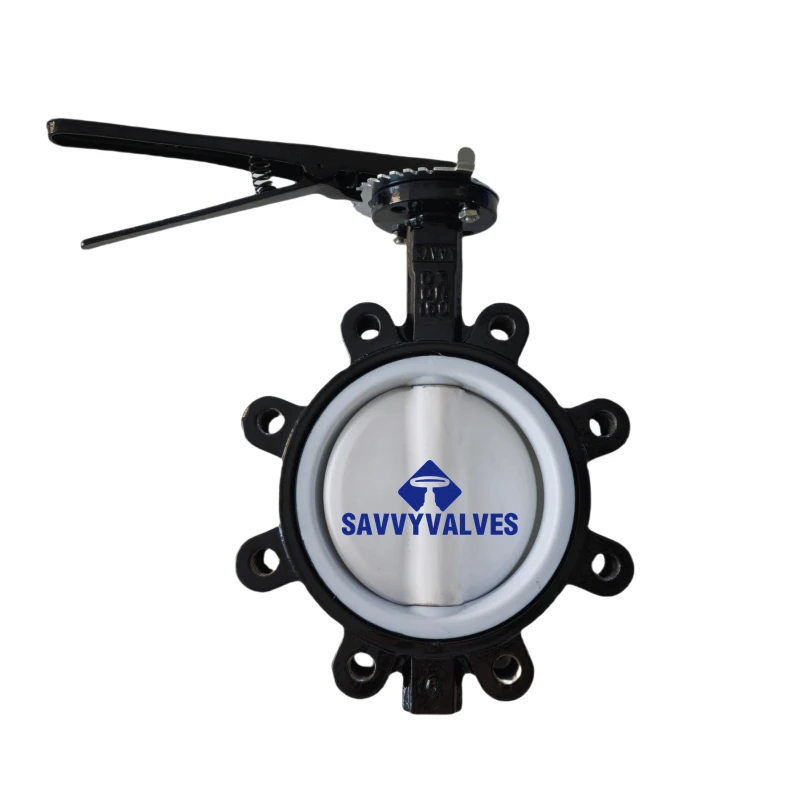
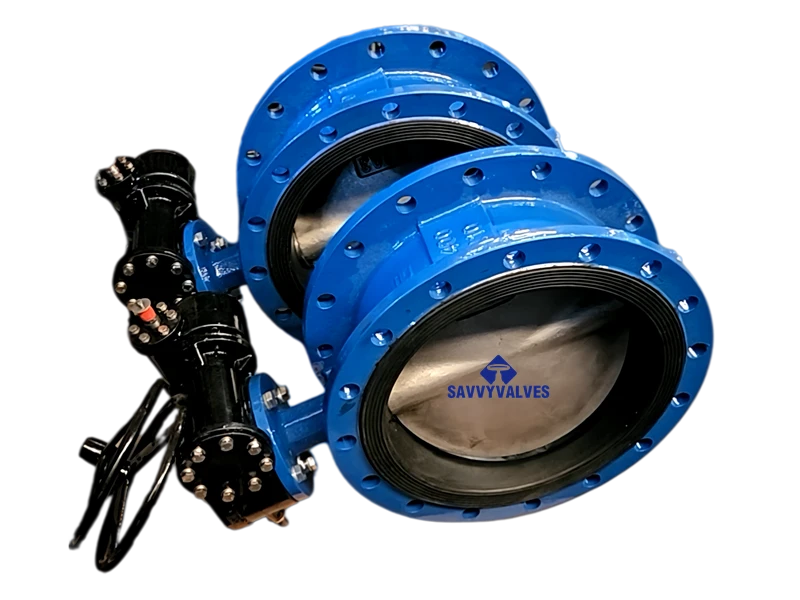
In simple terms, a cement silo butterfly valve is a type of flow control device installed in the discharge outlet or the pipeline of a cement storage silo. Unlike traditional valves that may turn multiple times or use rising stems, butterfly valves feature a rotating disk that opens or closes the flow path instantly — imagine a giant, flat ‘butterfly’ flapping open or shut inside the silo’s pipe.
These valves seal tightly against the cement powder and dust, preventing leaks or contamination, and often incorporate pneumatic or electric actuators for automated control. Their design must balance durability (against abrasiveness), precision in flow regulation, and ease of maintenance, making them a linchpin in modern silos and larger industrial setups.
Oddly enough, the maturity of the technology belies how essential a valve like this is to humanitarian infrastructure as well. Reliable cement storage helps speed up construction after natural disasters — enabling rapid rebuilding of shelters or critical infrastructure.
Mini takeaway: The cement silo butterfly valve may be a small part of a big machine, but it’s a subtle hero ensuring consistent cement flow, minimal loss, and operational safety.
Core Attributes of Cement Silo Butterfly Valves
1. Durability Against Abrasive Materials
Cement powder wears down surfaces fast. To cope, butterfly valves typically feature hardened steel disks and corrosion-resistant coatings. Many engineers swear by stainless steel or specially lined valves to minimize wear and tear.
2. Tight Sealing Performance
Preventing dust leakage is paramount for both environmental standards and worker safety. High-quality, resilient seals (often PTFE or rubber composites) are crucial to keeping the system airtight.
3. Automation and Control
Integration with pneumatic or electric actuators allows for precise regulation remotely. This reduces manual handling risks and supports consistency — especially in large silos or automated plants.
4. Cost Efficiency and Maintainability
Considering the wear from cement, valves need to be easy to inspect and maintain without significant downtime. Quick-change seals and modular components are common design focuses.
5. Versatility and Scalability
From small-scale silos on construction sites to large industrial setups, the valve must adapt size-wise and function-wise — and work well across various pressure and temperature ranges.
Mini takeaway: These 5 factors combine to make the cement silo butterfly valve an engineering solution fitting the tough demands of modern cement storage.
Global Applications & Use Cases of Cement Silo Butterfly Valves
You’ll find these valves in almost every industrial setup handling bulk cement — from remote quarries in Australia to megacity construction projects in Shanghai or infrastructure rebuilding in post-disaster zones like Haiti. In fact, NGOs focused on rapid rebuilding value butterfly valve designs for their reliability in dusty, resource-restricted environments.
Some industrial plants integrate these valves with IoT sensors to remotely monitor flow rates, sealing status, and maintenance alerts — especially in Europe’s green tech-centric factories aiming to boost operational sustainability.
For example, in the Middle East, where desert conditions pose dust and temperature challenges, butterfly valves with advanced sealing and weatherproof actuators effectively prevent costly spill hazards and equipment breakdowns, keeping conferences, highways, and airports running smoothly.
Mini takeaway: From dusty deserts to rainy monsoon areas, butterfly valves in cement silos underpin infrastructure projects that touch everyday lives worldwide.
Advantages & Long-Term Value of Cement Silo Butterfly Valves
Tangible benefits include:
- Cost savings through minimized spillage, downtime, and maintenance.
- Environmental impact reduction via effective dust containment.
- Worker safety by limiting dust exposure.
- Operational reliability even in harsh conditions.
On the human side, these valves indirectly support social progress by enabling steady construction of housing, schools, and hospitals. There's a growing trust in innovative valve technology as it blends tradition with automation, improving project timelines.
Mini takeaway: Choosing the right valve is an economical, environmental, and ethical choice — proving that even industrial hardware can boost social infrastructure.
Emerging Trends & Innovations
- Smart valves with sensors: Real-time data on valve position, seal health, and flow rates is becoming standard.
- Advanced materials: Nanocoatings and composites create valves that last longer and resist abrasion better.
- Eco-conscious designs: Lower-energy actuators and recyclable parts align with sustainability goals.
- Automation integration: AI-based predictive maintenance to flag wear before failure.
In real terms, the future of cement silo butterfly valves lies not just in mechanical reliability but in marrying digital transformation and green tech alongside.
Challenges & Their Solutions
A common limitation is seal wear caused by abrasive cement dust — often leading to leaks or downtime. Some manufacturers solve this with innovative seal materials, while others offer valve designs with easier, modular maintenance.
Another challenge is adapting valves to widely varying silo pressures and sizes — solutions include customizable valve trims and actuators tailored per installation.
Expert tip? Regular inspection schedules aligned with IoT sensor alerts can save fuss and cost in the long haul.
Frequently Asked Questions About Cement Silo Butterfly Valve
- Q: How often should a cement silo butterfly valve be serviced?
A: Typically, valves should be inspected every 6–12 months depending on usage intensity. Frequent checks reduce downtime and catch wear early.
- Q: Can these valves handle other powdered materials?
A: Yes, many butterfly valves used in cement silos also work with fly ash, lime, or grain powders, though specifics depend on seal materials.
- Q: Is automation in cement silo butterfly valves worth the investment?
A: Absolutely. Automating valve operation improves precision, reduces manual labor risks, and integrates with process control systems for better efficiency.
- Q: What standards govern cement silo butterfly valve manufacturing?
A: ISO 8573 for air quality in pneumatic valves and EN 593 for valve design are common references, ensuring reliability and safety.
- Q: How do environmental conditions affect valve choice?
A: Harsh environments may require special coatings or materials resistant to corrosion, temperature shifts, or abrasion for longer valve life.
Comparison of Leading Cement Silo Butterfly Valve Vendors
| Vendor |
Material |
Max Pressure (bar) |
Actuation |
Special Features |
| ValveCo Pro |
Stainless steel 316 |
10 |
Pneumatic |
PTFE seal, IoT compatible |
| EcoValve Systems |
Hardened carbon steel |
12 |
Electric actuator |
Nano coating, low-power motor |
| GlobalFlow |
Aluminum alloy w/ lining |
8 |
Manual/Electric Hybrid |
Modular seals, easy maintenance |
Product Specification Table: A Typical Cement Silo Butterfly Valve
| Specification |
Value |
| Valve Type |
Butterfly |
| Material |
Stainless Steel 316 |
| Nominal Diameter |
100 - 600 mm |
| Pressure Rating |
Up to 12 bar |
| Seal Type |
PTFE/Rubber composite |
| Actuation |
Pneumatic or Electric |
| Operating Temperature |
-20°C to 80°C |
Wrapping Up: Why Investing in the Right Valve Makes All the Difference
To sum it up, cement silo butterfly valves might not headline your morning coffee chat, but for anyone working with cement storage and handling, they’re the unsung gatekeepers of efficiency, safety, and progress. Their global relevance is set to increase with urban growth, sustainability demands, and industrial automation.
If you’re considering upgrading or deploying new equipment, paying attention to valve quality, sealing, and automation compatibility can save big headaches down the road. Plus, it’s a little victory for reducing environmental dust hazards — and hey, everyone likes a clean jobsite.
For more in-depth info, technical specs, and product options, you might want to check out
cement silo butterfly valve resources and vendors who specialize in this niche.
### References
1. United Nations, World Urbanization Prospects, 2018
2. World Bank, Construction Industry Overview, 2022
3. ISO 8573: Compressed Air Quality Standards




 English
  Arabic
  Azerbaijani
  Czech
Czech  Dutch
Dutch  French
  German
  Indonesian
  Italian
  Japanese
  Korean
  Malay
Malay  Persian
  Polish
  Portuguese
  Russian
  Spanish
  Thai
Thai  Vietnamese